Armenian Prime Minister Nikol Pashinyan has filed a defamation lawsuit against the administrator of the Facebook page Hayakan Zham (Armenian Time) and the company behind the outlet Iravunq Tert (Right Newspaper) , demanding public retractions and ֏4 million ($11,000) in compensation. Pashinyan is challenging posts published on 30 September and 5 October 2026, which speculated over the reasons for the brief separation from his wife, Anna Hakobyan. Pashinyan and Hakobyan announced their separation in February 2026 ahead of the 7 June parliamentary elections after nearly 30 years together, with Hakobyan announcing it on social media and Pashinyan saying he ‘respects Anna’s decision’. Months later, Pashinyan confirmed that the two had reconciled , saying he had actively worked toward it. Armenia decriminalised defamation and insults in 2010, shifting such disputes to civil courts. In 2021, however, Pashinyan’s government tripled the maximum civil fines to ֏3 million ($8,300) for insults and ֏6 million ($16,600) for defamation. Separately, parliament introduced criminal liability for ‘grave insult’ in July 2021, which Civil Contract MPs defended as a way to combat disinformation and abusive language online. However, press freedom groups criticised the changes at the time, warning that the fines could bankrupt smaller outlets and encourage self-censorship, while benefiting public officials that want to take legal action. Defamation cases have commonly been used by ruling party members against critics and journalists. Local advocates say fines of this size are roughly 30 times a journalist’s monthly salary. According to Armenia’s legal information system, Datalex, Pashinyan’s claim is against Anna Gevorgyan, administrator of the Hayakan Zham page and Iravunq Tert LLC, which operates a news website and Facebook page. The posts Pashinyan is suing for alleged, among other things, that the couple split because they had accumulated ‘large capital’ they wanted to ‘legalise on paper’, and that Hakobyan was being freed from asset declaration requirements as part of the separation process. They also claimed that as part of the separation the couple’s main property and money would be kept in the EU, and that Hakobyan had bought a house in central Paris for €5.7 million ($6.3 million). The posts also referred to Hakobyan’s visits to Switzerland in 2018–2020, describing them as secretive and linking them to the country’s banking secrecy. They cited an unnamed Central Bank employee as saying that one should ‘look at the money flows’ to understand the trips. The exact posts are the following: ‘Anna and Nikol have accumulated large capital that they now want to legalise on paper’. ‘While they lived in the same house, Anna was obliged to submit an asset declaration. With this story, Anna was freed from filling out declarations, and now they have already started the process of transferring their capital into Anna’s name’. ‘They will not have anything in Armenia; the main property and money will be kept in EU territory’. ‘Anna has already bought a large house in central Paris, the price of which was €5.7 million [$6.3 million]’. ‘If you recall, between 2018 and 2020, Anna Hakobyan frequently visited Switzerland. These visits generally remained secret, and the purpose of her trips to that country was unknown. Switzerland is world-renowned for its banking secrecy; it is precisely there that the funds of those who have plundered the country often end up. A Central Bank employee told us: ‘‘If you want to understand why Anna Hakobyan goes to Switzerland, look at the financial flows’’. The difference is enormous. It’s interesting to wonder what percentage of these funds Anna Hakobyan is connected to’. Pashinyan’s claim describes all of these statements as false and defamatory. What does Pashinyan want? Pashinyan wants the court to order both respondents, within five working days of a ruling entering into force, to publish a retraction on the same platforms where the original posts were published. The claim specifies the wording of the retraction, which would state that the information ‘defames Nikol Pashinyan, is false, and does not correspond to reality’. The claim also sets conditions for how the retraction should appear. It must be visible to all users, remain online without a time limit, be no less prominent in placement, font size and style than the original posts, and contain no commentary from the respondents or third parties. If publication on the Facebook pages proves impossible, he asks that it be printed in a newspaper with a circulation of at least 5,000 copies sold across Armenia. Pashinyan is also seeking ֏4 million ($11,000) from the two respondents jointly as compensation for non-pecuniary damage.
Free: opens Google Translate with the text filled in. Long articles are split into numbered sections.
Premium: read the translation right here, without leaving HyeNews. Try free for 7 days.
Already in English.
Pashinyan sues journalists who speculated around brief split with his wife earlier in 2026
The prime minister is seeking public retractions and ֏4 million (around $11,000) in damages over posts alleging hidden wealth.

Comments
No comments yet — be the first to comment.
More from OC Media

Daghestani professor proposes easing penalties for blood feud killings
OC Media / 6 hours ago
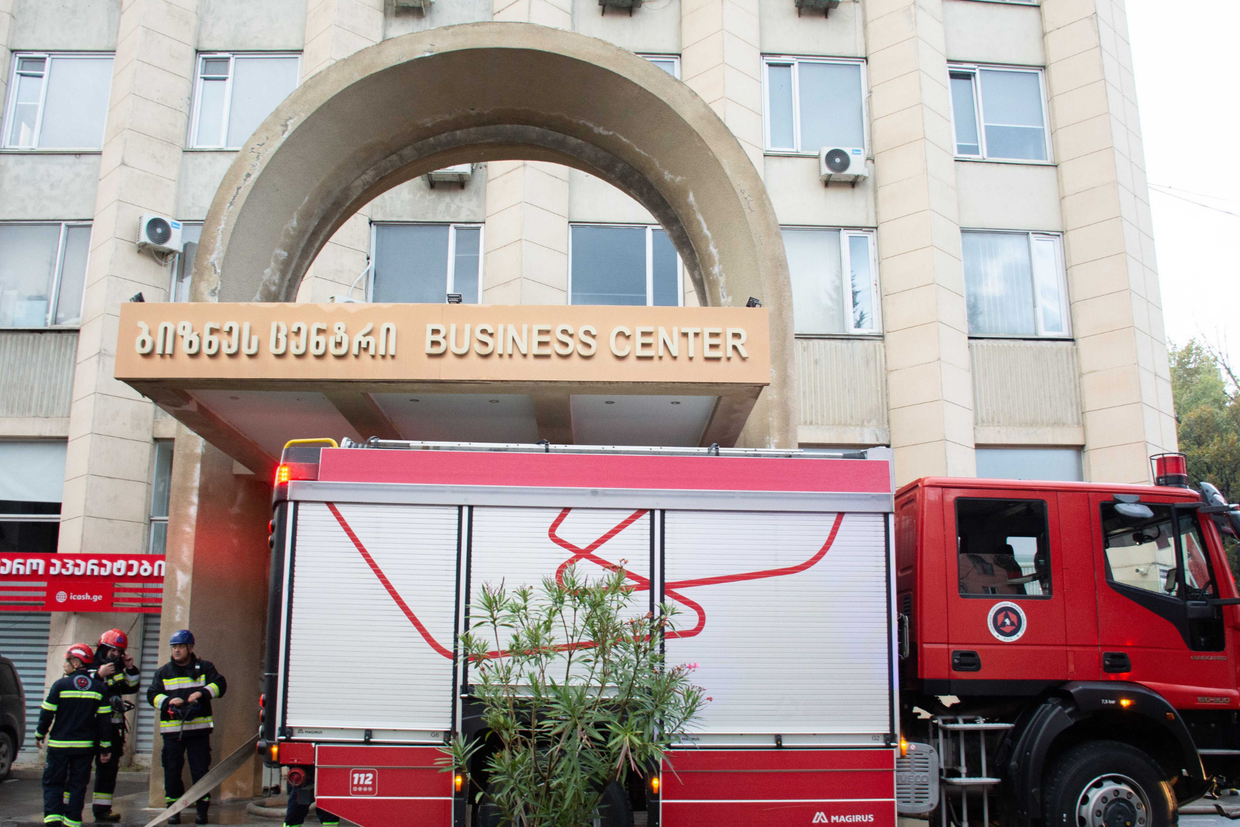
Fire takes opposition-aligned Formula TV off air, employees reportedly stuck in building
OC Media / 8 hours ago

Major warehouse of Russian marketplace OZON set ablaze after Ukrainian attack on Adygea
OC Media / 8 hours ago
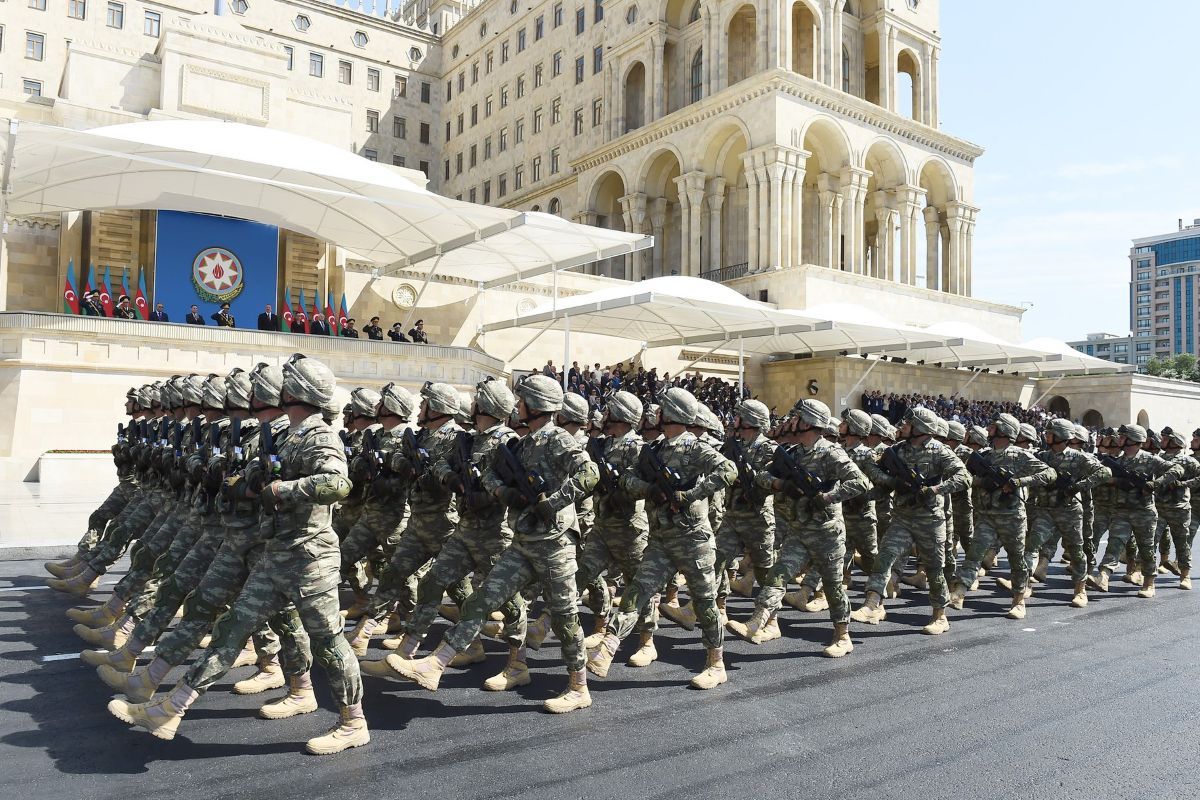
Azerbaijan plans to allocate close to $2.5 billion in defence spending for 2027
OC Media / 9 hours ago
Related coverage

ՈՒՂԻՂ. Ինչպե՞ս ստանալ նոր կենսաչափական անձնագրերը
Panorama / 58 minutes ago

Պիտի ցույց տանք, որ մենք ազգային արժանապատվություն ունենք
Hraparak / 1 hour ago
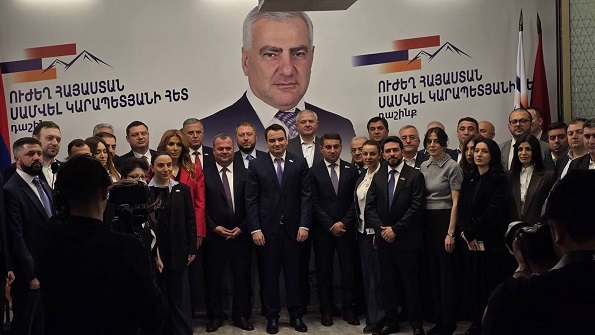
Ավարտվեց «Ուժեղ Հայաստան» կուսակցության գլխամասային գրասենյակի խուզարկությունը
Azg / 1 hour ago

#ՀԻՄԱ. ԸՆԴԴԻՄԱԴԻՐ ԳՈՐԾԻՉՆԵՐԸ ԱՐՏԱԿԱՐԳ ՀԱՆԴԻՊՄԱՆ ԵՆ ՀԱՎԱՔՎԵԼ ՍԱՄՎԵԼ ԿԱՐԱՊԵՏՅԱՆԻ ՏԱՆԸ
24TV / 24News / 1 hour ago