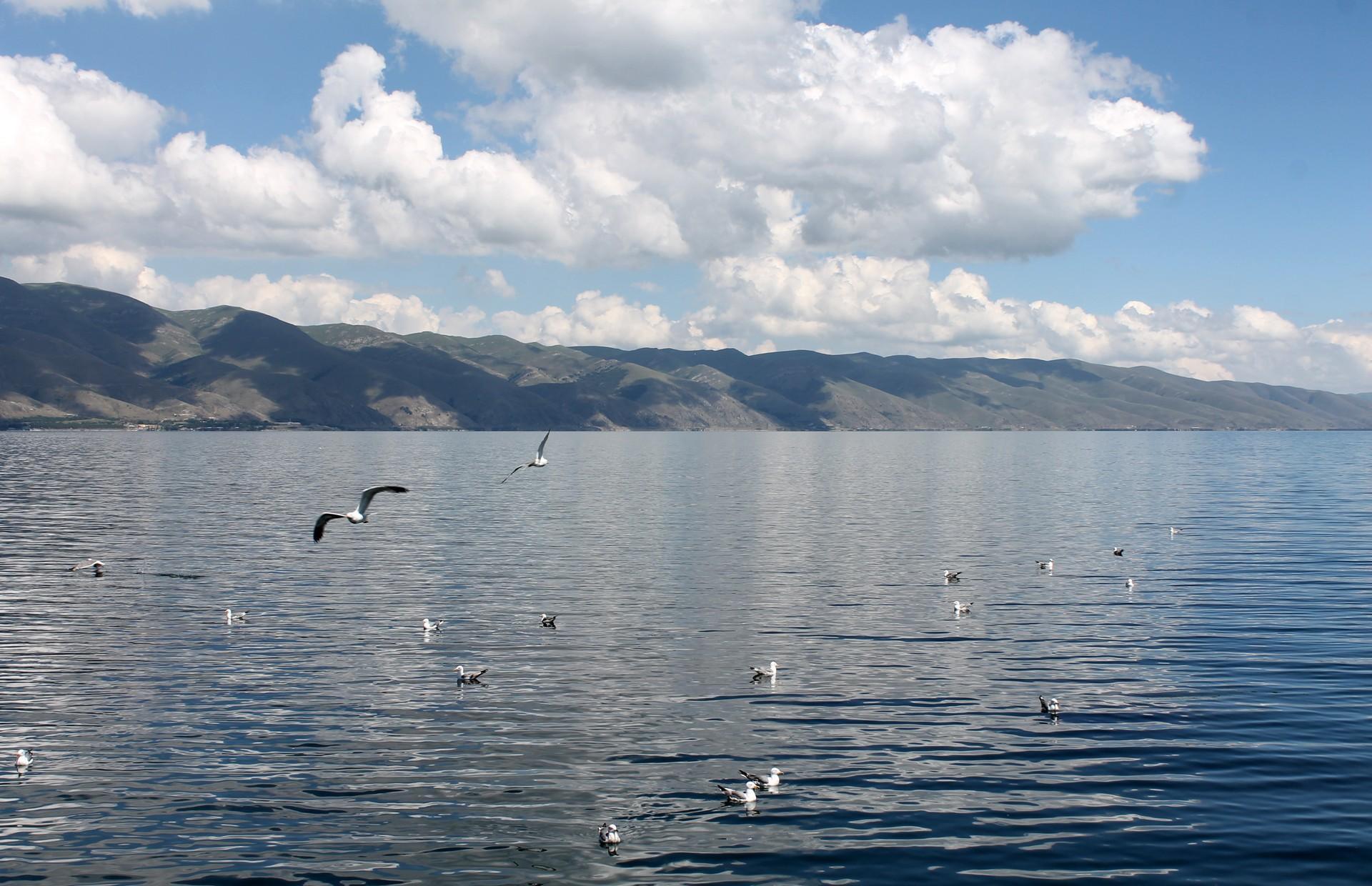
YEREVAN As the UN Biodiversity Conference (COP17) continues in the Armenian capital, the first week of negotiations has concluded with historic pacts. Beyond global advancements in education and biosecurity, member states adopted key updates to global gender action plans, finalized enforcement decisions under the Cartagena and Nagoya protocols, and secured nearly US$3 million in international funding for two newly approved restoration projects targeting Armenias critical freshwater gem, Lake Sevan. 1.53M and $1.4M Pledged to Restore Lake Sevan Two separate major conservation programs were greenlit to accelerate ecosystem recovery at Lake Sevan and Sevan National Park: Gender Equity and Direct Women-Led Financing Delegates advanced social equity frameworks by adopting a draft revision of the Gender Action Plan (20232030). The plan mandates that member states integrate gender-responsive approaches into all biodiversity initiatives. To track compliance, countries are expected to improve the collection of data disaggregated by gender and age, with a final performance review slated ahead of COP19. Crucially, international financial institutionsincluding the GEFare urged to establish simplified application and disbursement procedures to fund women-led environmental projects directly. Enforcement of Cartagena and Nagoya Protocols Negotiators finalized ten major decisions to strengthen the Convention's associated legal frameworks: AI Biosecurity, Education, and Data Equity These protocols complement foundational week-one agreements on digital and educational equity. The conference presented a voluntary Global Action Programme on Biodiversity Education, developed with UNESCO, to embed environmental conservation directly into national school curricula. To bridge the technological divide for developing nations, the Secretariat was tasked with using artificial intelligence to optimize data searches and improve online reporting tools. Furthermore, delegates backed proposals to leverage AI and the cross-sectoral "One Health" approach for the early detection and tracking of invasive alien species spreading via global e-commerce and international trade networks.
Free: opens Google Translate with the text filled in. Long articles are split into numbered sections.
Premium: read the translation right here, without leaving HyeNews. Try free for 7 days.
Already in English.
COP17 First Week Outcomes: Armenia Advances Accords on AI Biosecurity, Gender Financing, and Massive Lake Sevan Restoration
As the UN Biodiversity Conference (COP17) continues in the Armenian capital, the first week of negotiations has concluded with historic pacts.
Comments
No comments yet — be the first to comment.
More from Hetq
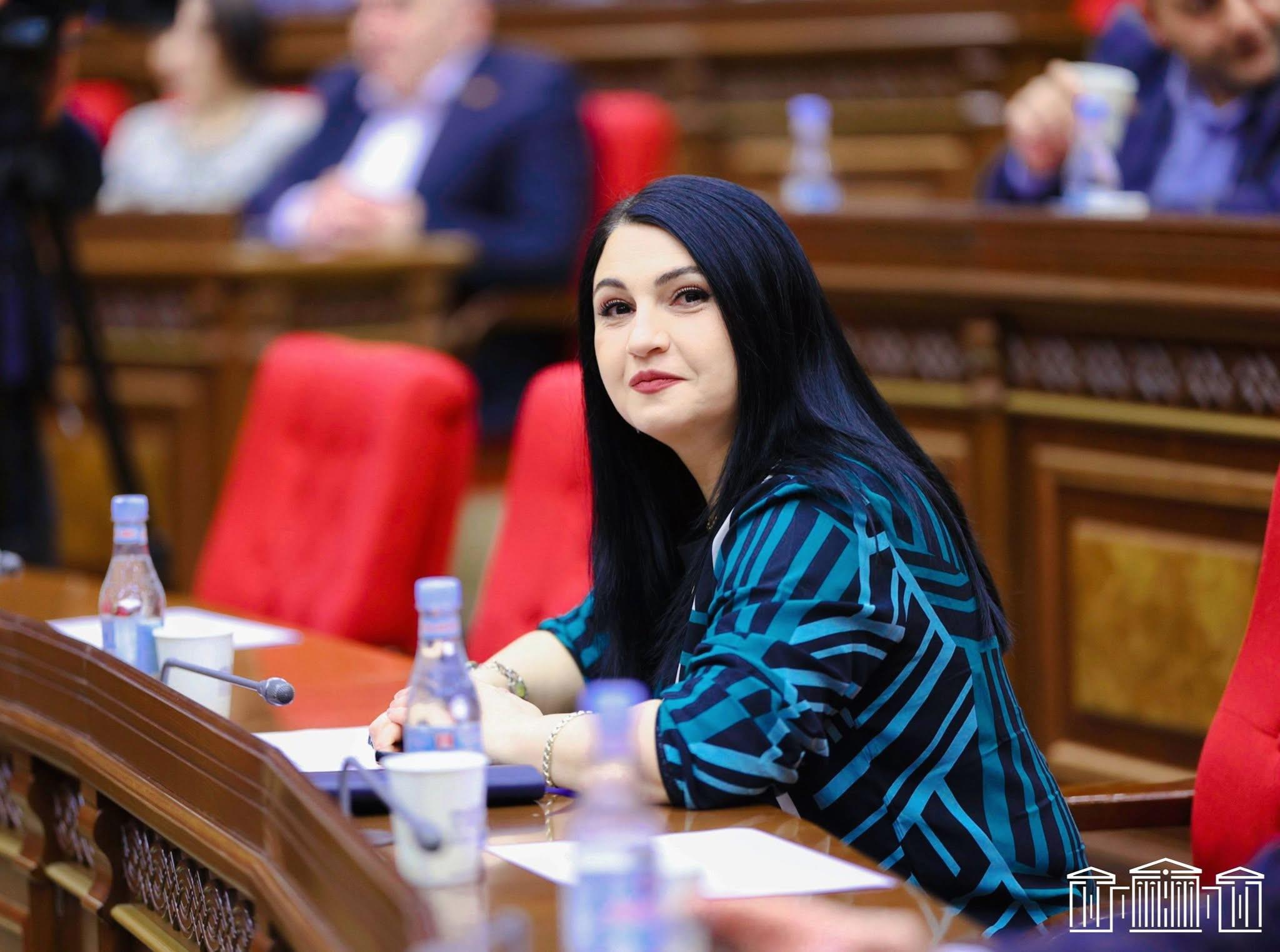
Լիլիթ Ստեփանյանը վայր է դնում պատգամավորական մանդատը․ նա կնշանակվի Կոտայքի մարզպետ
Hetq / 17 minutes ago
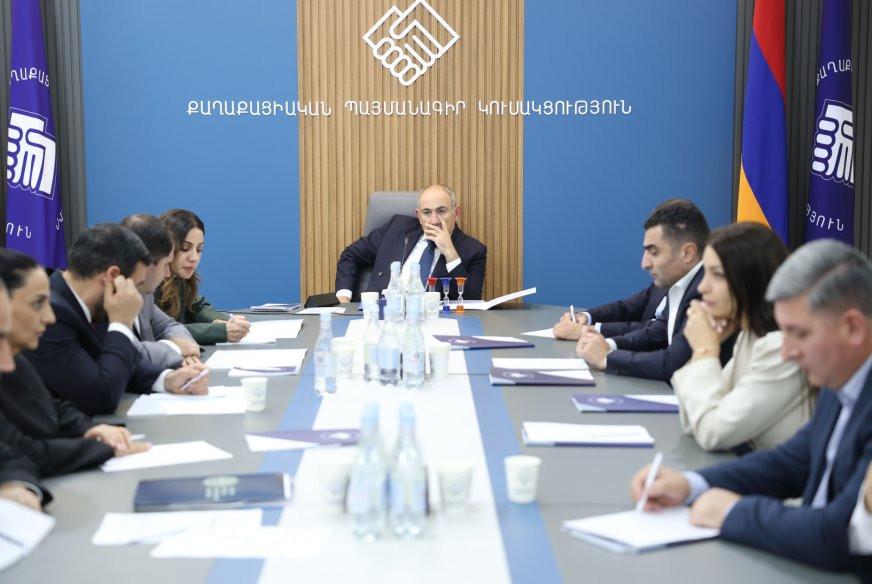
ՔՊ վարչության նիստում քննարկվել են նոր Սահմանադրության նախագծին առնչվող հարցեր
Hetq / 32 minutes ago
Այնուամենայնիվ, Երկիրը պտտվում է
Hetq / 1 hour ago

Ինչպե՞ս է նման վերելքը փոխում մարդուն, ու ի՞նչ է սովորեցնում սահմանների մասին #shorts #cop
Hetq / 1 hour ago
Related coverage
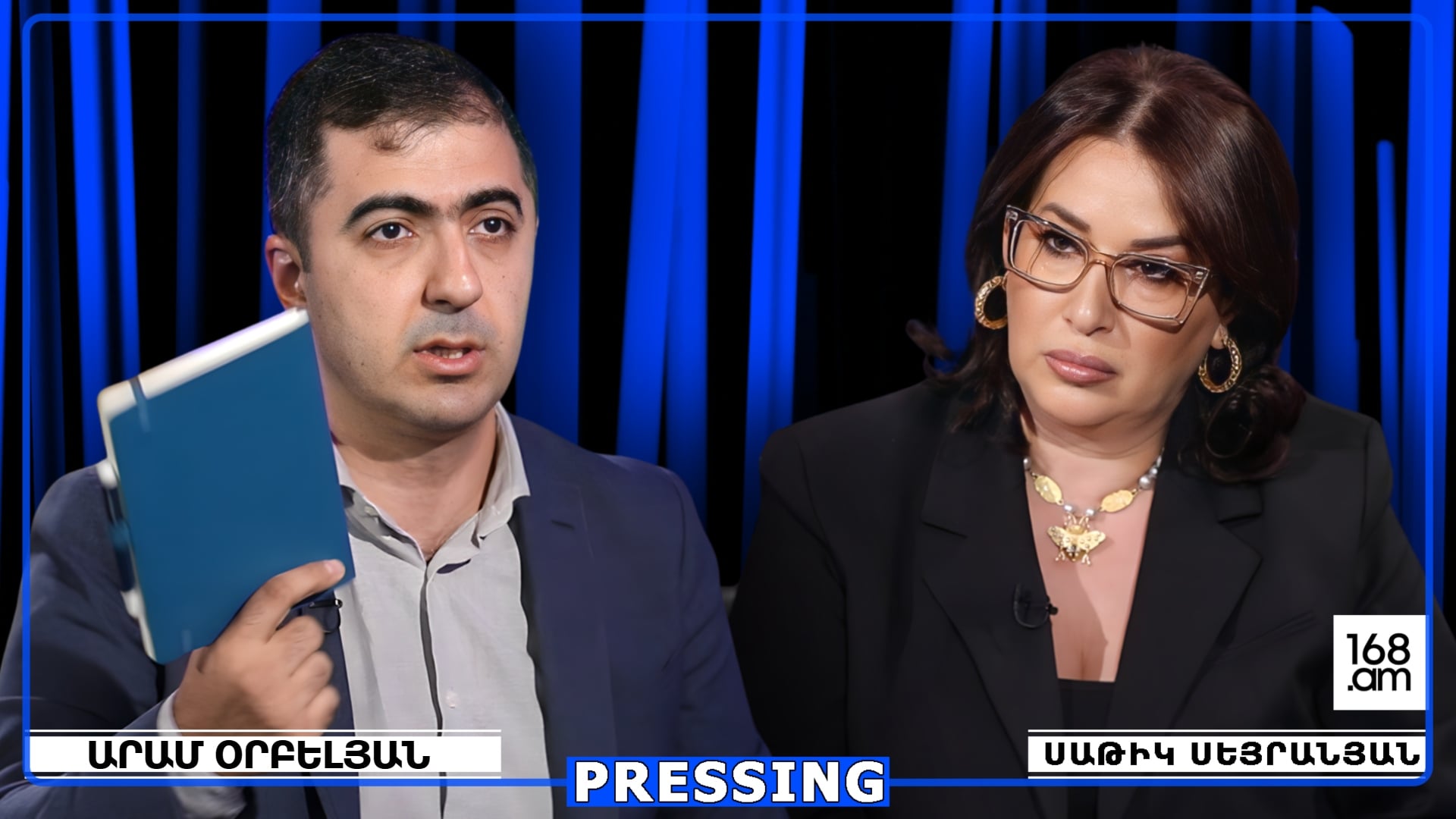
Հիմա ո՞վ է Մեղրին հանձնում, ո՞ւմ էր պետք Հոկտեմբերի 27-ը. Խաղաղության պայմանագիր պետք չէ կնքել, Սահմանադրությունը պետք չէ փոխել. Արամ Օրբելյան
168 Jham / 5 minutes ago

Հեծանիվ մի՛ քշիր, քեզ դրա համար չենք վճարում. տեսեք՝ ո՞ւմ էր պետք Հոկտեմբերի 27-ը. Արամ Օրբելյան
168 Jham / 6 minutes ago
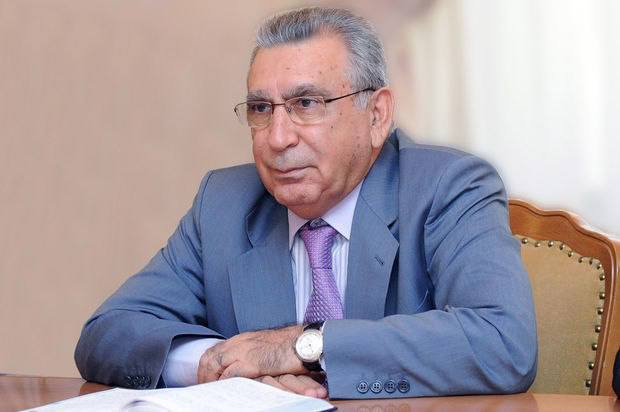
Ադրբեջանի նախագահի աշխատակազմի նախկին ղեկավարը դատապարտվել է 14 տարվա ազատազրկման
24TV / 24News / 6 minutes ago

Հոկտեմբերի 27-ի գործով նոր դրվագներ են ի հայտ գալիս. Ջհանգիրյանը բացահայտումներ է անում. radar.am
Aravot / 7 minutes ago