An international group of scientists and engineers who arrived in Armenia following the devastating 1988 earthquake included two Armenian-American professors of earthquake engineering: Dr. Mihran Agbabian of the University of Southern California and Dr. Armen Der Kiureghian of the University of California, Berkeley. During Dr. Der Kiureghians second visit to Armenia in 1989, the idea of establishing a university emerged as a result of a conversation with Dr. Yuri Sargsyan, then rector of the Yerevan Polytechnic Institute. Upon returning to the US, Dr. Aghbabian and Dr. Der Kiureghian jointly developed a proposal to establish a university based on the American educational model, designed to train specialists capable of preventing future disasters in Armenia and fostering economic development. Photo: Mediamax The initiative soon gained widespread support. Louise Manoogian Simone, then Executive Vice President of The Armenian General Benevolent Union (AGBU), welcomed the idea and secured full funding for the project. Her continued support ensured the universitys progress at every stage. Dr. Stepan Karamardian, Dean of the School of Business at the University of California, Riverside, soon joined the effort, and the project received approval from the Armenian government. Consequently, on September 21, 1991, as the people of Armenia were voting for independence, the American University of Armenia (AUA) opened its doors. Photo: Mediamax For the newly established university and its first 101 students, the journey began during the most difficult period for the newly independent state a time of cold and darkness, when education became an act of resilience. Dr. Armen Der Kiureghian, AUA co-founder and President Emeritus, recalled those days. Photo: Mediamax That first year was extraordinarily grueling. Visiting in January 1992, I witnessed the harsh realities firsthand. Frequent blackout periods, no gas for heating, running water shortages, halted public transportation, and acute food scarcities. Many students walked over an hour through the snow to reach the campus, and several stayed overnight because conditions at the university were slightly better than at home. Yet, everyone persevered. The more daunting the challenges, the stronger our result was. Classes continued regularly, computers ran on imported uninterruptible power supplies, UPS, and, above all, our students remained deeply dedicated to their studies despite the hardships, he noted at the event dedicated to AUAs 35th anniversary. Photo: Mediamax Dr. Bruce Boghosian, AUAs current president, reflected on the bold vision behind the universitys founding and expressed confidence in its success. Today, the AUA community is made up of more than 2,900 students, around 8,000 alumni, 300 full-time and adjunct faculty, and more than 250 staff members. What matters most about these numbers is the people behind them. They are students preparing for diverse and ambitious careers. They are faculty and researchers creating and sharing new knowledge. They are staff building innovative laboratories and crafting our communications efforts and they are alumni engaging in nation building, he noted. Daily challenge, daily growth Today, AUA alumni successfully lead numerous companies in Armenia and serve in the public sector, applying their knowledge to the countrys development. Photo: Mediamax Reflecting on her years of study, AUA alumna and UATE Executive Director Edita Ghazaryan, recalling her years of study, emphasized that the presence of such an educational institution in Armenia was one of the reasons she could envision her future in the country. Photo: Mediamax Here, lecturers challenge not only what you know but also what you are capable of. Studying at AUA has shown me that the path to success is not easy; it demands great effort, strict discipline, and sleepless nights that no one sees. I want to tell AUA students: I know how difficult it is, but the challenges are not in the way, they are actually the way never avoid them, she said at the event marking AUAs 35th anniversary, expressing gratitude that the university shapes individuals who are not afraid of the world. Photo: Mediamax The challenges described by Edita Ghazaryan can be overcome through individual consultations with knowledgeable lecturers, as well as collaborative and independent work in the universitys well-equipped learning spaces. At AUAs AGBU Papazian Library, students have access to more than 30,000 books, over one million e-books, and more than 100,000 online scholarly journals and periodicals. These extensive resources encourage continuous learning, critical inquiry, and the development of original ideas, enabling students to contribute to global thought through their research. Photo: Mediamax The laboratories on the university campus also provide the facilities needed for hands-on learning. Equipped with modern technology, the Media Lab gives students in AUAs Master of Arts in Multiplatform Journalism (MAMJ) program the opportunity to create a wide range of media products. Through the Media Lab, the university also seeks to foster civic discourse, strengthen democratic culture, and counter disinformation in the media landscape. Photo: Mediamax AUA also has laboratories for practical work in the natural sciences, as well as workspaces equipped with machinery for engineering students. Student life beyond the classroom At AUA, education extends beyond the classroom, enriched by a comprehensive student experience both on and off campus. Students are encouraged to overcome academic challenges, pursue their interests, and take initiative, making university life even more engaging. Photo: Mediamax AUAs Office of Student Affairs offers a range of services to support students academic, personal, and social needs. These include psychological counseling, the Math and Writing Center, support services for students with disabilities, international exchanges and study-abroad opportunities, student clubs, and the Student Council. We encourage students to establish new clubs and organize events, while also supporting activities that have already become university traditions. The university offers numerous opportunities; students simply need to take advantage of them, said Mariam Mikhaylova, Director of Student Affairs. Photo: Mediamax According to her, 29 clubs are currently active at the university, covering a wide range of interests, from science to theater. The hiking club is perhaps the most active one, she added. The AUA Student Council has no president; all its members have equal status, a structure chosen by the students themselves. Council members participate in meetings of various university committees, gaining a better understanding of how academic processes are organized while ensuring that the students collective voice is heard. Towards the future In recent years, the American University of Armenia has continued to expand its academic programs and strengthen its ties with Armenia and the international community. Launched in 2025, the Bachelor of Science in Economics program has opened up new opportunities for students seeking to explore economics, public policy, and the factors shaping Armenias development. Photo: Mediamax At the same time, research and public initiatives have gained fresh momentum. The Center for Ethics in Public Affairs (ETICA) was officially inaugurated and hosted its inaugural international conference, while a memorandum of understanding signed with the United Nations Development Programme (UNDP) aims to promote environmental innovation and generate a positive impact in Armenian communities. Education | 2025-05-25 23:00:06 AUA’s ETICA Center will promote research and public discourse on ethical issues Another strategic priority for AUA is to strengthen its research capacity. As highlighted by Dr. Knar Khachatryan, professor at the Manoogian Simone College of Business and Economics, academic director of the Office of Sponsored Programs and Technology Transfer, AUAs research spans a wide range of fields, from medicine and health to the social sciences, economics, business and computer science; and is closely connected to the international scientific community. Photo: Mediamax An independent peer-reviewed study of Armenian research institutions, based on Web of Science data for 20172021, ranked AUA first among Armenian universities for the research productivity of its science, technology and medicine faculty. The universitys research stands out for its international impact. Over the past five years, although AUA has published fewer research papers than the countrys largest universities, most of its papers have appeared in international scientific journals, and a notable number rank among the most cited in their field worldwide. Being highly cited means that researchers around the world are reading, using and building on AUAs work. Citations strengthen AUAs international visibility and Armenias place in global science, she explained. Photo: Mediamax In the near future, the university plans to open new laboratories for robotics and artificial intelligence, expand its facilities to accommodate more students, introduce new educational programs ranging from applied mathematics to space engineering and artificial intelligence, and launch its first doctoral programs. Photo: Mediamax According to AUA President Dr. Bruce Boghosian, the goal is not simply to expand the university, but to create new opportunities through that growth: More students who can receive an education that enables them to think independently and creatively; more researchers who can contribute to Armenia and global science; more entrepreneurs who can create jobs and opportunities and connect Armenia to global value chains; more professionals who will strengthen Armenias institutions and economy. And, finally, more graduates who realize they can build a meaningful life here in Armenia while remaining fully connected to the world, the university president emphasized. Long-term impact through shaping future leaders The long-term impact of the universitys development goes beyond expanding its academic programs and campus; it is reflected in the future paths of its graduates. Photo: Mediamax According to AUA President Dr. Bruce Boghosian, a key part of the universitys mission is to connect Armenia with the wider world. Today, that connection is arguably working in both directions. We bring global knowledge, partnerships, and opportunities to Armenia, while our students, graduates, and researchers carry Armenian ideas into the world, Dr. Bruce Boghosian noted. Photo: Mediamax Having fulfilled the mission set by its founders in 1991, the university now faces new challenges: continuing to develop in a changing world and educating leaders who can not only navigate these changes effectively but also drive progress. Gaiane Yenokian Photos by Emin Aristakesyan
Free: opens Google Translate with the text filled in. Long articles are split into numbered sections.
Premium: read the translation right here, without leaving HyeNews. Try free for 7 days.
Already in English.
From the tragedy of the 1988 earthquake to 35 years of shaping Armenia’s future: the journey of AUA
An international group of scientists and engineers who arrived in Armenia following the devastating 1988 earthquake included two Armenian-American professors of earthquake engineering: Dr. Mihran Agbabian of the University of Southern California and Dr. Armen Der Kiureghian of the University of California, Berkeley. During Dr. Der Kiureghian s second visit to Armenia in 1989, the idea of establishing a university emerged as a result of a conversation with Dr. Yuri Sargsyan, then rector of the Yerevan Polytechnic Institute. Upon returning to the US, Dr. Aghbabian and Dr. Der Kiureghian jointly developed a proposal to establish a university based on the American educational model, designed to train specialists capable of preventing future disasters in Armenia and fostering economic development. The initiative soon gained widespread support. Louise Manoogian Simone, then Executive Vice President of The Armenian General Benevolent Union (AGBU), welcomed the idea and secured full funding for the project. Her continued support ensured the university s progress at every stage. Dr. Stepan Karamardian, Dean of the School of Business at the University of California, Riverside, soon joined the effort, and the project received approval from the Armenian government. Consequently, on September 21, 1991, as the people of Armenia were voting for independence, the American University of Armenia (AUA) opened its doors. For the newly established university and its first 101 students, the journey began during the most difficult period for the newly independent state a time of cold and darkness, when education became an act of resilience. Dr. Armen Der Kiureghian, AUA co-founder and President Emeritus, recalled those days. That first year was extraordinarily grueling. Visiting in January 1992, I witnessed the harsh realities firsthand. Frequent blackout periods, no gas for heating, running water shortages, halted public transportation, and acute food scarcities. Many students walked ove

Comments
No comments yet — be the first to comment.
More from Mediamax
Երկրաշարժի արհավիրքից ծնված Հայաստանի ամերիկյան համալսարանի 35-ամյա ուղին
Mediamax / 4 hours ago
Տիկին Ալլայի եւ գետաձի Թայֆունի 18 տարվա ընկերությունը
Mediamax / Oct 18

Հայ երգը բացահայտող եւ օտարներին հայերենը սիրել սովորեցնող Արաքսյան
Mediamax / Oct 17
Գիտությունից՝ պետություն․ Լեւոն Տեր-Պետրոսյանի քաղաքական դիմանկարը եւ անարձագանք մնացած խոսքը
Mediamax / Oct 17
Related coverage

«Եթե մենք գնում ենք միայն տնտեսական շահի հետևից և որոշում, որ հաշվի չենք առնելու համայնքի համաձայնությունը կամ անհամաձայնությունը, սա մեզ համար խնդրահարույց է»․ Վիկտորյա Բուռնազյան
Aravot / 1 hour ago
Կանեփ աճեցնելու և թմրամիջnց պատրաստելու դեպքեր են բացահայտվել
168 Jham / 1 hour ago
Սասուն Խաչատրյանը կանաչ տարածքի հաշվին երկհարկանի շինություն է կառուցել. «Հետք»
Aravot / 2 hours ago
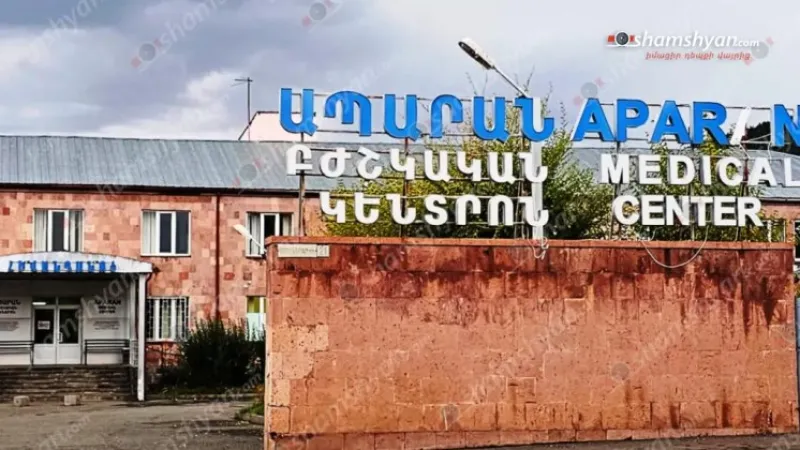
A newborn has died at the "Aparan" medical center.
Noyan Tapan TV / 2 hours ago