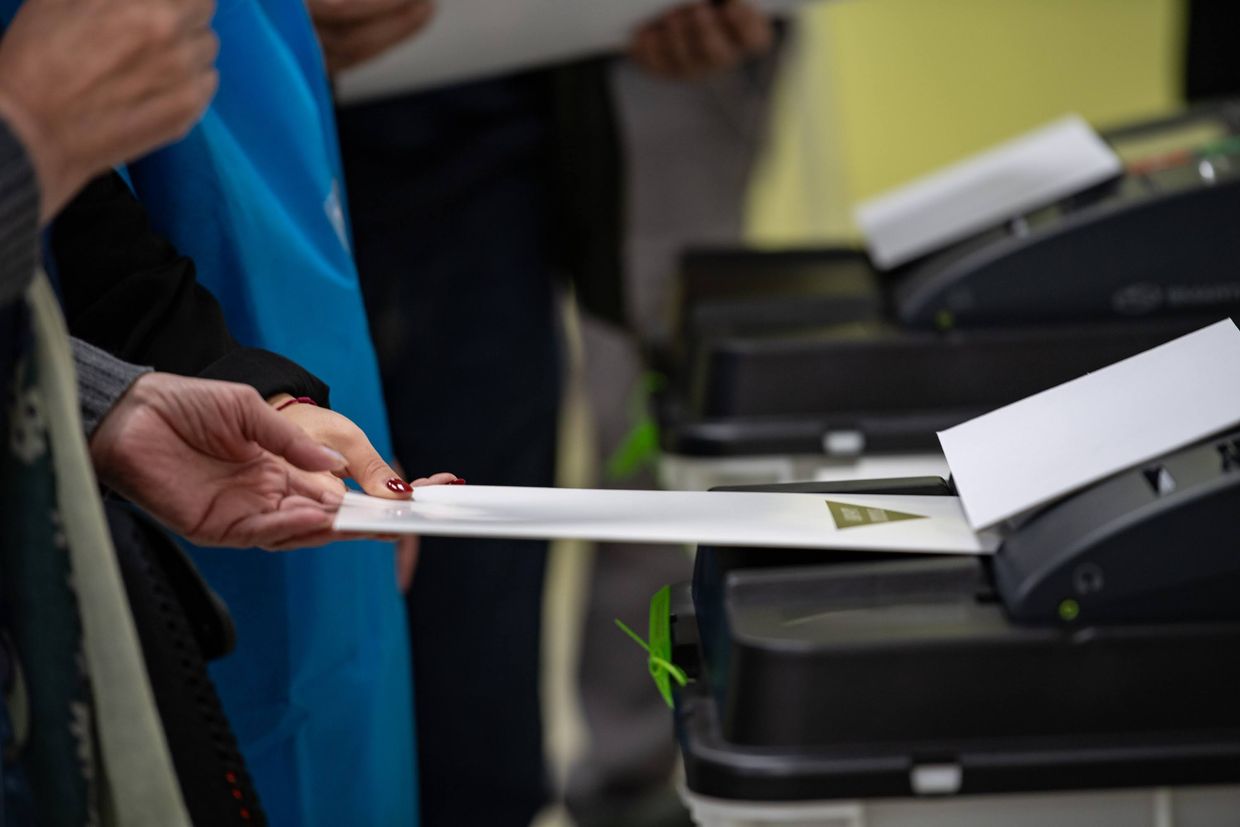
Three local election watchdogs warn that proposed amendments to Georgia’s electoral legislation would make it harder to challenge election results in court, reduce opportunities to verify vote counts, and weaken oversight of the electoral process. The proposed changes come amid a series of amendments to Georgia’s electoral legislation that have drawn criticism from election watchdogs and opposition groups. The pushback follows the disputed 2024 parliamentary elections, in which opposition parties and President Salome Zourabichvili rejected Georgian Dream’s victory, alleging widespread electoral fraud. International observers also raised concerns about voter intimidation, vote secrecy, and an uneven playing field. The bill was submitted to parliament on 28 October by six MPs. It proposes amendments to Georgia’s electoral and local self-government codes. The International Society for Fair Elections and Democracy (ISFED), the Georgian Young Lawyers’ Association (GYLA), and Transparency International Georgia have criticised several of the proposed changes, arguing that they would weaken existing safeguards and further centralise election administration. ‘‘Fundamentally revising electoral legislation without broad professional and public consensus has become a flawed practice established by Georgian Dream in recent years. This runs counter to the Venice Commission’s electoral standards, which require openness, predictability, and inclusive dialogue’, the three organisations said’, the three organisations said . The ruling party argues that the reforms are necessary to simplify and speed up the election results process, claiming that 14 days are sufficient to handle electoral disputes, that electronic voting and digitised ballots make mandatory random recounts unnecessary, and that transferring results directly to the Central Election Commission (CEC) would make the process more efficient. It also argues that limiting the grounds for challenging final election results would help prevent prolonged disputes. One of the most significant proposed changes concerns the procedure for challenging the CEC final results protocol. Under the bill, challenges to the CEC’s final protocol would only be allowed to correct technical or mechanical errors, such as incorrect polling station figures or information from court rulings being incompletely or inaccurately reflected in the document. The three organisations warn that this would prevent courts from considering complaints about broader or systemic violations at the final results stage. Such violations may only become apparent when information from multiple polling stations and the electoral process as a whole is assessed, they argue. The bill would also change how final results are compiled, with the CEC directly aggregating the results on the basis of polling station protocols and court rulings. The organisations say that disputes concerning individual polling stations cannot replace a full judicial review of the final election results. Georgian Dream to scrap random mandatory recounts The bill would abolish the requirement for each district election commission to randomly select five polling stations for a recount. Under the current rules, the commissions must select the stations no later than the sixth day after election day, open the relevant election materials, and recount the votes. The organisations argue that removing this requirement would reduce opportunities to independently verify the accuracy of election results. Election commission chairs to decide on observer registration The proposed amendments would also change who decides whether local and international observer organisations can register for elections. Under the current law, decisions on registering or refusing to register local and international observer organisations, as well as appointing observers to monitor the printing of ballot papers and summary protocols, are made collectively by the relevant election commission, whether the CEC or a district election commission. The proposed amendments would transfer this authority to the chair of the relevant election commission, whether the CEC or a district election commission. The organisations warn that concentrating decision-making power in the hands of a single person could increase the risk of subjective or politically motivated decisions and remove an important layer of oversight from other commission members, including those appointed by political parties. The bill would also bring forward the deadline for political parties and media outlets to appoint their personnel to observe the elections, and for observer organisations to submit new observers ahead of a second round. Under the current law, observer registration can be made no later than five days before the run-off. The proposal would in effect shorten the deadline by two days. The organisations warn that the change could make preparations more difficult, particularly given the limited time usually available between the two rounds. Parties given less time to submit financial reports The bill would reduce the deadline for submitting campaign finance reports from 12 days after election day to five. The requirement applies to electoral subjects that receive the required number of votes according to preliminary results. The three organisations say the shorter deadline could make it harder to prepare accurate and complete financial reports. They also note that if the State Audit Office considers a violation substantial and believes it could have affected the election results, it may recommend that the CEC apply to the court to have the results compiled without counting the votes received by the relevant electoral subject. Unused free advertising time can no longer be redistributed The proposed amendments would remove the provision allowing broadcasters and newspapers to redistribute unused free election advertising time or space equally among other electoral subjects. The organisations note that amendments adopted by Georgian Dream in 2021 had already restricted access to free political advertising for parties that did not receive state funding when an election was announced. Under those rules, several opposition groups — Unity — National Movement, Coalition for Change, and Strong Georgia lost state funding and access to free airtime. The organisations argue that removing the redistribution mechanism would further widen the gap between the ruling party and opposition groups, as unused advertising time would simply be lost rather than made available to other electoral subjects.
Free: opens Google Translate with the text filled in. Long articles are split into numbered sections.
Premium: read the translation right here, without leaving HyeNews. Try free for 7 days.
Already in English.
NGOs sound alarm as Georgia’s government makes challenging election results harder
Georgian Dream are seeking to make the amendments following the 2024 elections, when the opposition claimed widespread fraud.
Comments
No comments yet — be the first to comment.
More from OC Media

Opinion | Can Serbia and Hungary offer a mirror to Georgians?
OC Media / 15 minutes ago

Podcast | Will the Blue Tsunami reach the Caucasus?
OC Media / 21 minutes ago
Explainer | What could the US midterms mean for the Caucasus
OC Media / 34 minutes ago
Review | National Exams — finding hope for the future among Georgia’s youth
OC Media / 1 hour ago
Related coverage

Թուրքիան և Վրաստանը Եվրահանձնաժողովի զեկույցները որակել են կողմնակալ
Public Television of Armenia — 1Lurer / 4 minutes ago
Փաշինյանը հասել է այն կետին, երբ նրա քաղաքականությունը կետ առ կետ համեմատելի է դառնում մարշալ Ֆիլիպ Պետենի վարած քաղաքականության հետ. Տաթևիկ Հայրապետյան
Aravot / 6 minutes ago
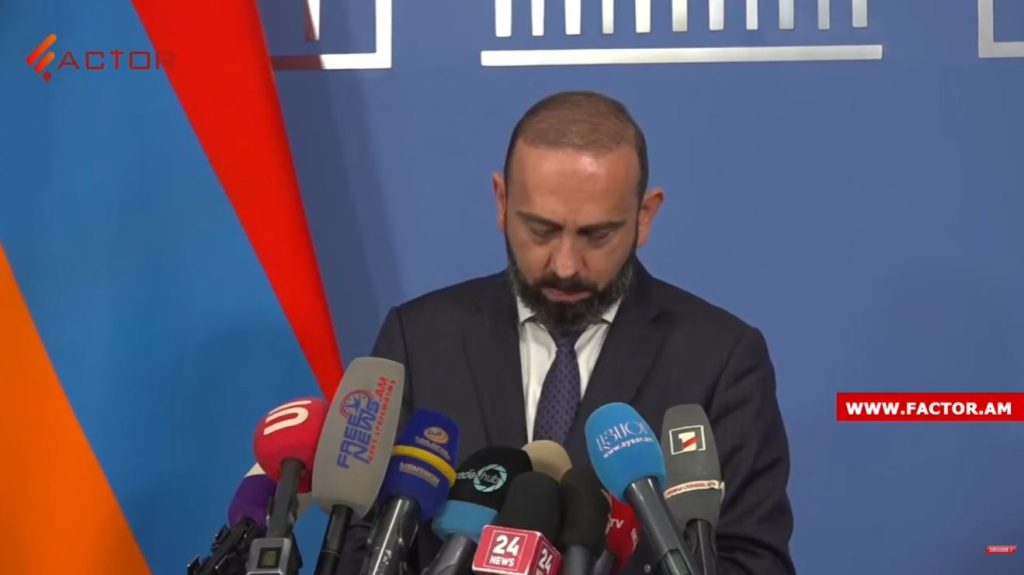
Չեմ պատկերացնում` Սահմանադրությունը չանցնի ու արտահերթ ընտրություններ չլինեն. Միրզոյան․ ՏԵՍԱՆՅՈՒԹ
Factor.am / 14 minutes ago

Tsarukian’s Arrest Extended
Azatutyun / 15 minutes ago