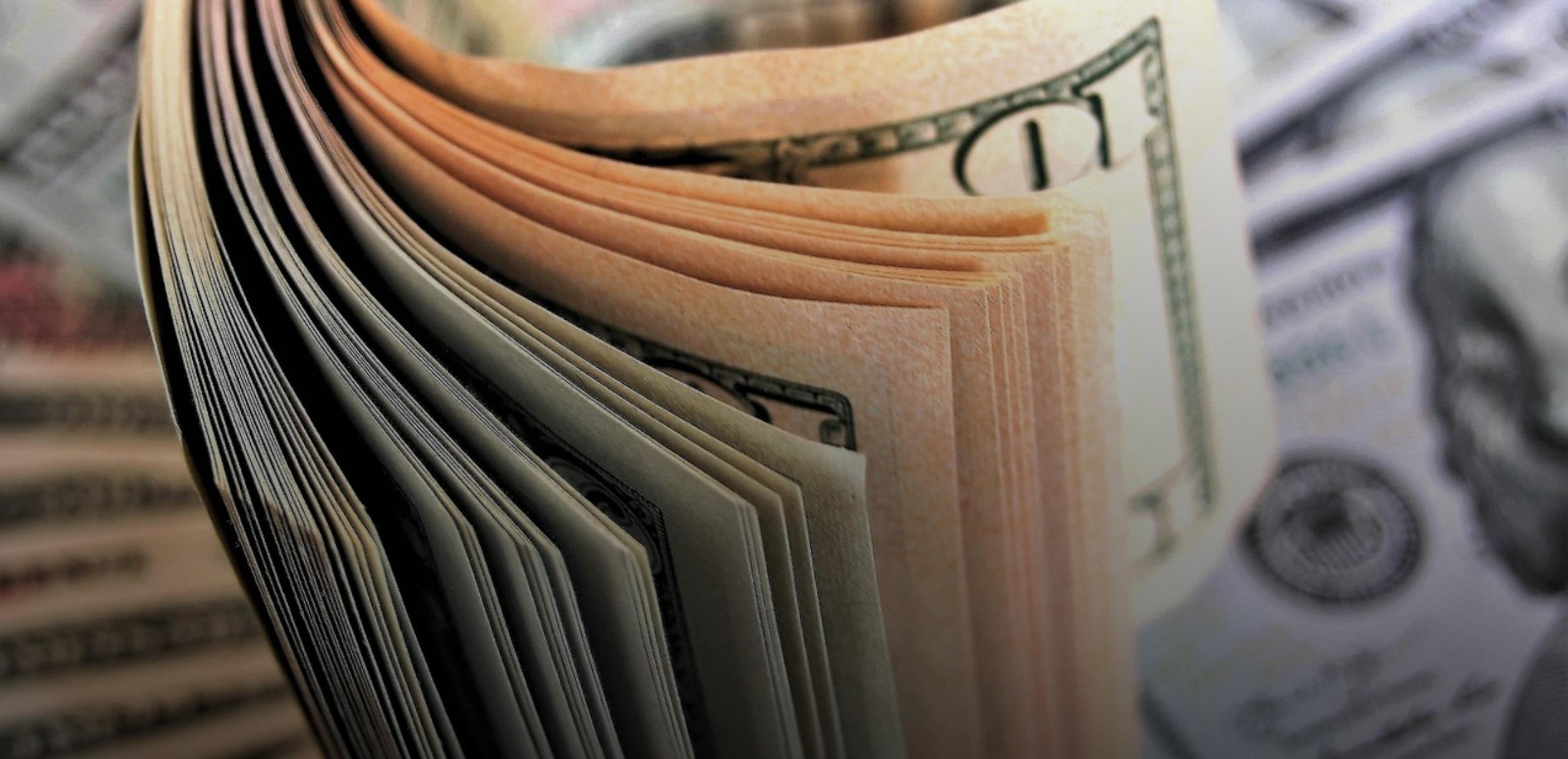
Individuals transferred US$5.6 billion to Armenia through banks from January to September 2026, marking a $1.4 billion (32.1%) increase compared to the same period last year. Central Bank of Armenia (CBA) data shows that monthly growth accelerated rapidly starting in May, with the most significant spikes recorded during June and July. Russia Remains Dominant Source of Funds The overall surge in remittances to Armenia is primarily driven by capital flowing from Russia. $3.8 billion was transferred from Russia over the nine-month period, which is an increase of $1.1 billion, or 41.3%, compared to the first nine months of the previous year. The United States followed with $609 million (a 15.3% increase), while transfers from the United Arab Emirates doubled to reach $156 million. The Changing Nature of Capital Inflows According to preliminary CBA estimates, the source of this growth has fundamentally shifted away from traditional migrant workers. The arrival of many "relocants" (citizens who moved to Armenia following the February 2022 escalation of the war in Ukraine) starting in 2022 has redefined the composition of these inflows. "It is substantively incorrect to equate these funds with the type of remittances we saw years ago from migrant workers," CBA Governor Martin Galstyan stated during a press briefing on November 3. "The significance of those traditional remittances has declined; by my estimates, they now likely account for around 4% of GDP. At the same time, the volume of other types of transfers has increased." Galstyan noted that visitors are staying in Armenia longer than they did last year, suggesting many have established or are forming long-term economic ties, boosting local demand for goods and services. The Central Bank will finalize its official assessment of the relocants' financial impact once third-quarter balance of payments data is complete. Pre-Election Spending Hypotheses The 32.1% acceleration in the second and third quarters contrasts sharply with the more modest 15.8% growth seen in the first quarter of the year. In the lead-up to the June 7 parliamentary elections, reports circulated suggesting that large sums were being funneled to individuals via banks to fund political campaigns, rent district premises, print materials, and cover other organizational costs. While political factions frequently traded accusations of distributing election bribes-activities requiring heavy cash circulation-the Central Bank has not confirmed whether it is officially investigating a direct, provable link between the election cycle and these foreign banking transfers. Outflows Modest but Shifting Toward the U.S. While money coming into the country spiked, capital leaving Armenia grew at a much slower pace. Outflows increased by 5.7% during the first nine months of the year, totaling $3.4 billion. Notably, the United States overtook other countries as the leading destination for capital flight from Armenia: Transfers to the U.S. reached $526 million, a 24.7% increase from the previous year, while transfers to Russia dropped by 16.5% to total $471 million. Outflows to Switzerland, the UAE, and the United Kingdom also declined, while Spain rounded out the top five destinations for money sent abroad.
Free: opens Google Translate with the text filled in. Long articles are split into numbered sections.
Premium: read the translation right here, without leaving HyeNews. Try free for 7 days.
Already in English.
Remittance Inflows to Armenia Surge 32% to $5.6 Billion, Driven by Russia
Comments
No comments yet — be the first to comment.
More from Hetq
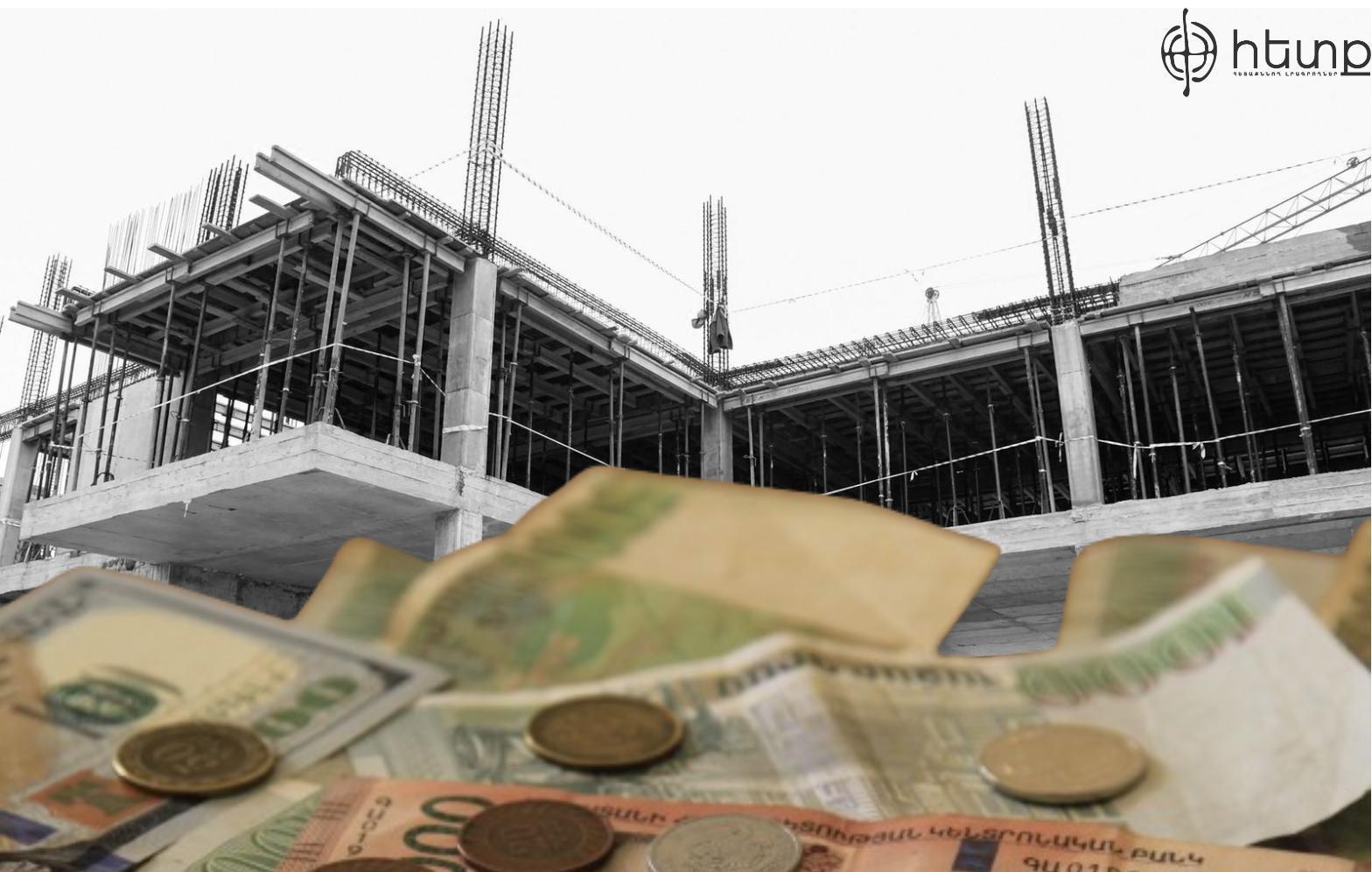
Հիփոթեքի գծով եկամտային հարկի վերադարձի ծավալները գերազանցում են սկզբնական պլանը
Hetq / 29 minutes ago
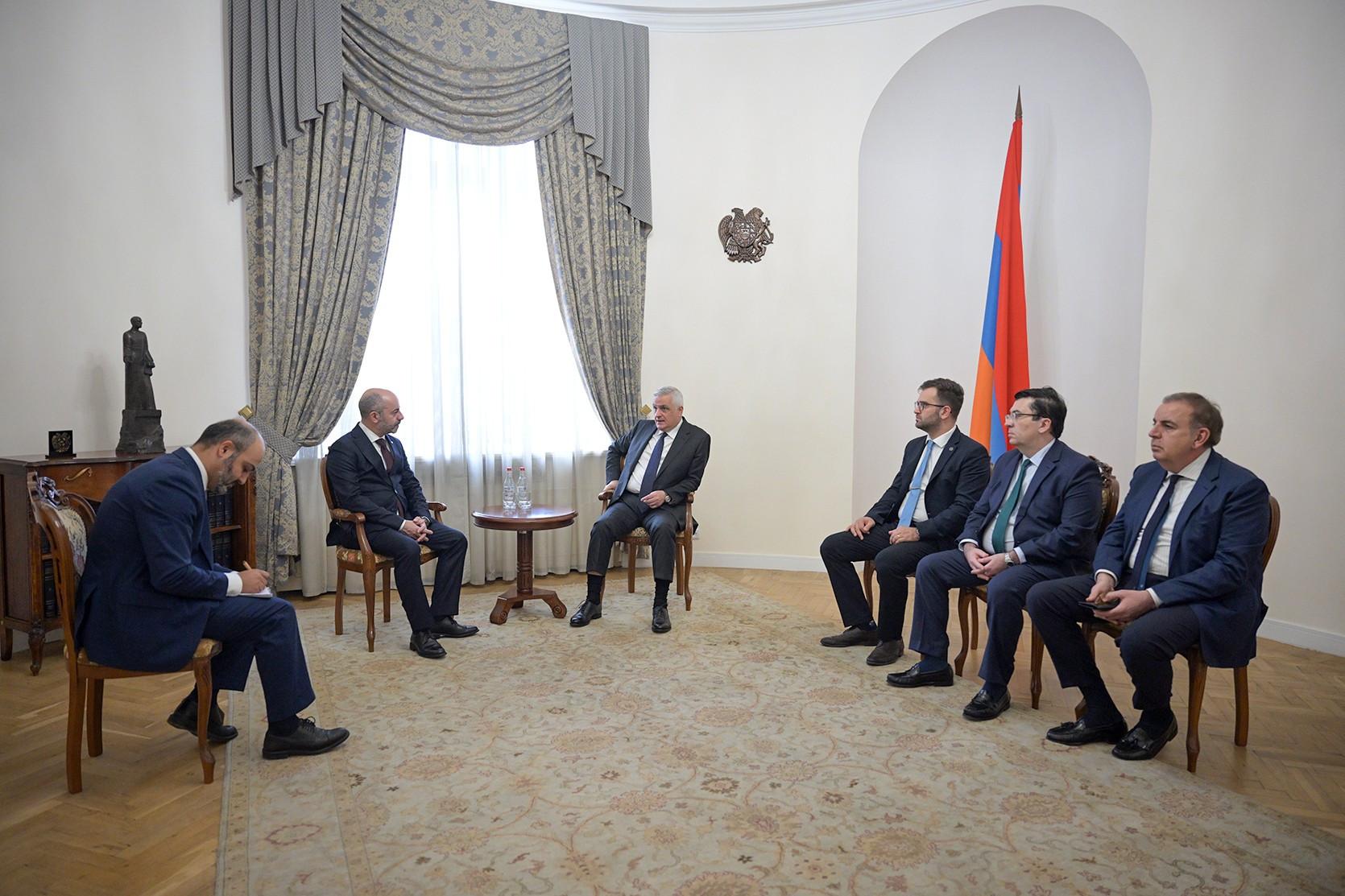
Մհեր Գրիգորյանն ընդունել է ԻԿԱՕ Եվրոպական և Հյուսիսատլանտյան տարածաշրջանային գրասենյակի ղեկավարին
Hetq / 44 minutes ago
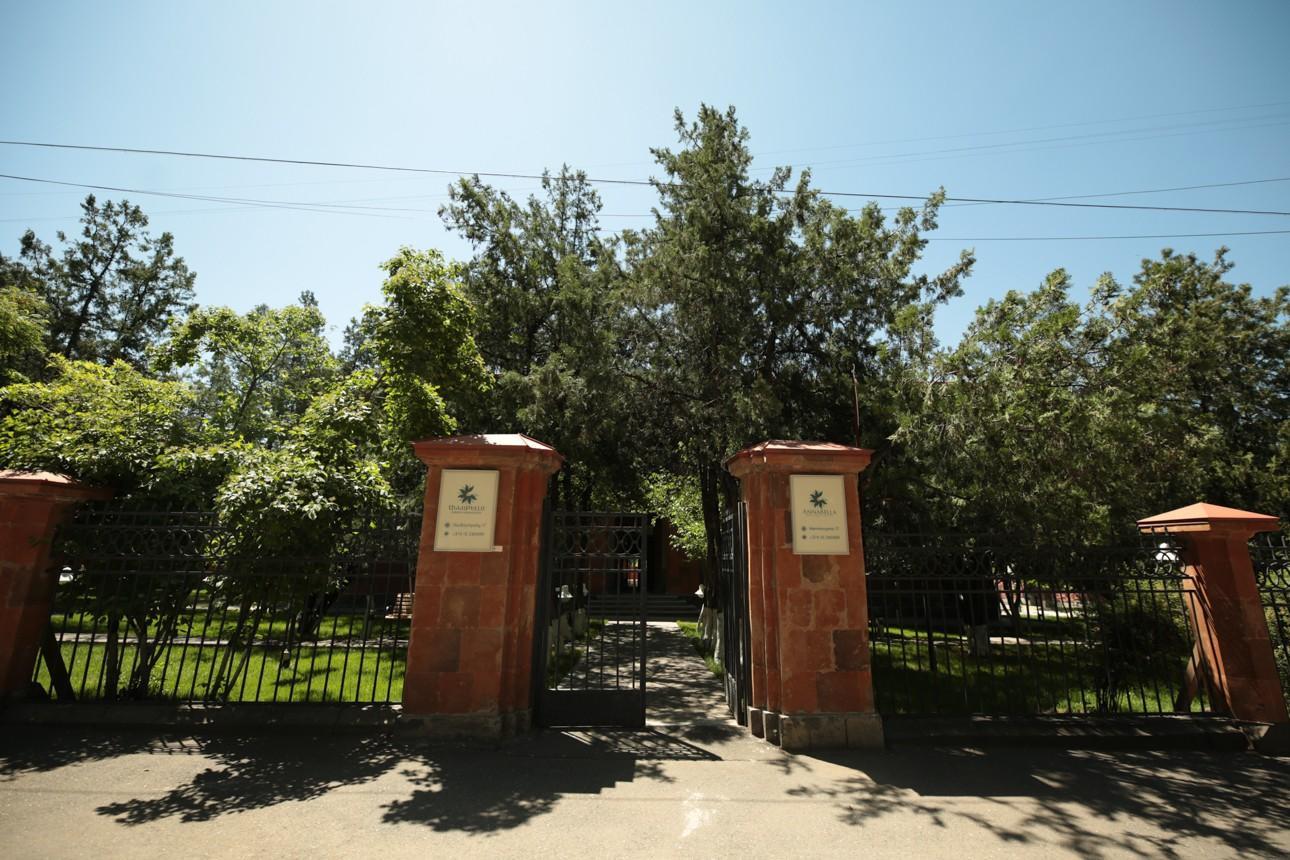
Դատախազությունը պահանջում է անվավեր ճանաչել Երևան քաղաքի Մամիկոնյանց փողոցի 17 հասցեում գտնվող մանկապարտեզի օտարման գործընթացը
Hetq / 45 minutes ago

Սպասվում է ձյուն, բուք և մերկասառույց
Hetq / 2 hours ago
Related coverage

ԵԱՏՄ-ից մենք շատ պետք է օգտվեինք, բայց չենք օգտվել. Պապոյանը բողոքեղ ԵԱՏՄ-ից
News.am / 9 minutes ago

Փաշինյանն իրեն չի պատկերացնում ժողովրդին սպառնացողի դերում #Փաշինյան #5tv
5TV Armenia / 9 minutes ago

Ռոբերտ Քոչարյանի և մյուսների գործով դատական նիստը՝ # ուղիղ
Pastinfo / 9 minutes ago

ԵՄ-ին անդամակցելը հացի հերթ չի՝ իրար հետևից կանգնենք, սպասենք. կարող ենք շատ երկրներից առաջ անցնել
Pastinfo / 10 minutes ago