In January 2025, a 44-year-old internally displaced person (IDP) from Abkhazia, Zamir Kvekveskiri, set himself on fire in front of Georgia’s IDP Agency — he died in hospital the following month after suffering burns to 65% of his body. The internet was soon flooded with concerned comments, people pointing out that an IDP had been requesting a flat from the state for decades and had been ignored by the government, driving him to this extreme. Kvekveskiri was 12 years old when the 1992–1993 War in Abkhazia ended; the war resulted in thousands of people like him being displaced in their own country. Not much is known about his personal journey: from having a normal childhood to displacement, to becoming someone who would go on to inflict harm upon himself in order to access the housing he was eligible for. Although Kvekveskiri clearly expressed his stance and the reason for his radical behaviour through the very location where he acted, this decision cannot be interpreted solely as an action taken to obtain a home, but also as a sense of having one’s dignity affronted. The right to a decent life The concept of a decent life for IDPs is not an arbitrary one. It is mentioned in the State Strategy towards IDPs , in which two primary state objectives are outlined: Creating conditions for the dignified and safe return of displaced persons; Supporting conditions for a dignified life for the displaced population and facilitating their integration into public life. This strategy is significant not only in terms of its stated objectives but also regarding the state’s envisioned approach towards displaced persons — specifically, that returning to one’s place of origin entails the ‘creation of dignified conditions’, while the period before return involves fostering ‘conditions for a dignified life’. What happens, then, when, alongside the right to housing, an aspect of this dignity is compromised? In mid-October, Georgian Prime Minister Irakli Kobakhidze announced that under a new programme, displaced families who had not yet received housing support from the state could instead request financial aid of ₾10,000 ($3,900) per family member. He added that participation would be ‘entirely voluntary’ and that the state had already allocated ₾58 million ($22 million) for this purpose — an amount sufficient to cover approximately 5,800 families. According to the announcement, the goal is to accelerate the resettlement programme for displaced persons, alongside other existing programmes already being implemented by the state. Georgia offers IDPs still on housing waiting list almost $4,000 each instead of homes Decades after fleeing Abkhazia, many of those who were displaced are still waiting for permanent homes. OC Media Lana Kokaia Yet, this programme, like many other major policy decisions concerning IDPs, was introduced without meaningful participation from IDPs themselves. Previous governments have not done things differently — the prevailing practice has often involved government officials announcing new initiatives without consultation, public deliberation, or an assessment of their potential consequences. One illustrative example was the 2018 ‘small government’ reform initiated by then-Prime Minister Mamuka Bakhtadze, which abolished the Ministry for Internally Displaced Persons. Institutional responsibilities were redistributed across different ministries in the name of administrative efficiency and reduced public spending, yet little public discussion addressed the implications of this change for IDPs. A similar approach was evident in the 2022 decision to exclude children born on or after 1 January 2023 from IDP housing programmes if their families had already received assistance. No one well versed in this subject would deny that the social assistance programme for displaced persons, and the general approach towards them, requires updating, or even reform. This is necessary both to ensure financial efficiency and optimisation, and to better address the evolving needs of the displaced population. Although there was a general consensus on this among various stakeholders, the issue has always carried significant electoral weight. Consequently, politicians have often shied away from reforming the existing approach — an approach that is both financially costly and ineffective in terms of outcomes. But the latest initiative by Kobakhdize is far from up to date and reform-oriented, and raises fundamental questions about the long-term sustainability and effectiveness of IDP assistance policies. ‘Sokhumeli Bichi’: Tamada and DillaNext on the unspoken identity of Sukhumian IDPs in Georgia Georgian artists Tamada and DillaNext discuss their latest single and what it means for them to Sukhumian. OC Media Tamar Shvelidze Decades after displacement, housing support programmes must adapt to contemporary social and economic realities. Rapidly rising property prices have significantly increased public expenditure while simultaneously reducing the ability of fixed compensation schemes to achieve their original objective: enabling beneficiaries to secure adequate and durable housing. In practice, many recipients use financial compensation to address urgent needs such as healthcare, debt repayment, or other social challenges rather than housing. This raises important policy and democratic questions. What evidence and calculations underpin the new approach? Can public funds be allocated more effectively to address the diverse needs of IDPs? To what extent have IDPs themselves been involved in shaping these policies? An exercise in box-ticking Given that many have spent decades waiting for housing while living in difficult conditions, immediate financial support can often become a rational short-term choice. However, individual cases suggest that such assistance does not always resolve underlying vulnerabilities, with some IDPs later seeking support from other social assistance programmes from the same ministry. Therefore, the key challenge is not simply increasing expenditure but ensuring that public resources are used efficiently, democratically, and in ways that generate sustainable solutions rather than temporary relief. Kobakhidze’s programme may therefore be interpreted in two fundamentally different ways. On the one hand, it could represent a genuine attempt to improve the living conditions of displaced persons. On the other hand, it may be understood as a mechanism designed to rapidly increase the number of formally ‘satisfied’ IDPs, enabling the state to demonstrate progress and claim compliance with its own IDP strategy. This raises a further concern. There appears to be no publicly articulated mechanism for assessing whether the assistance actually improves the housing conditions, social well-being, or long-term security of its recipients. Nor is it clear how the state intends to evaluate the outcomes of the programme once beneficiaries leave the category of housing assistance recipients. Without such monitoring, it becomes impossible to determine whether the programme resolves displacement-related vulnerability or merely transfers individuals from one category of state dependence to another, from recipients of IDP assistance to recipients of social assistance. In this respect, the programme risks prioritising administrative outputs over social outcomes. ‘Inheriting a home’ — A new generation of IDPs reflect on Abkhazia They were born in exile, raised on stories of Abkhazia, and taught to hope for return. But what does home mean when you have never been there? OC Media Lana Kokaia Success should instead be measured by sustainable improvements in living conditions rather than just the number of people removed from waiting lists. If it is not, the initiative would resemble an exercise in the redistribution of state resources without adequate evidence of long-term impact, raising questions about whether it represents the effective implementation of the state’s IDP strategy or a means of formally discharging responsibilities while leaving underlying vulnerabilities unresolved. The key issue, therefore, is not how many beneficiaries can be added to a list of ‘successfully assisted’ individuals, but whether the programme creates durable housing security and social stability. A broader political course State policy regarding displaced persons does not develop in isolation; rather, it must be viewed within the context of the broader political course pursued by the ruling Georgian Dream party. In recent years, the increasing frequency of certain initiatives and statements across the legal, political, and economic spheres has left people uncertain about the underlying objectives of the government — from the introduction of the ‘transparency law’ (widely referred to as the ‘Russian Law’), the suspension of Georgia’s EU accession process, the initiation of a process to legally ban opposition political parties, to the onset of confrontation with the West. Particularly noteworthy in this context are the pre-election statements by Bidzina Ivanishvili, the billionaire founder of the ruling party, regarding making an apology to Tskhinvali/South Ossetia for the 2008 August War. Social policy concerning displaced persons, as well as the issues of Abkhazia and Tskhinvali/South Ossetia, has always been part of the pre-election rhetoric of every administration. People like Kvekveskiri can never serve as the impetus for reform. They remain merely ‘seekers of housing’ — even in the eyes of the broader public. Meanwhile, the ruling party frames the changes to social assistance for displaced persons solely as a means to reduce the number of those waiting for housing without ensuring that they are effective. However, given Georgian Dream’s consolidation of power, its one-party rule, and its 14 consecutive years in government, one might question whether this new social initiative is just another social assistance programme, part of a broader populist rhetoric, or perhaps a small component of a longer-term plan. All place names and terminology used in this article are the words of the author alone, and may not necessarily reflect the views of OC Media’s editorial board.
Free: opens Google Translate with the text filled in. Long articles are split into numbered sections.
Premium: read the translation right here, without leaving HyeNews. Try free for 7 days.
Already in English.
Opinion | Is Kobakhidze’s new IDP programme just another social assistance plan?
Major policy decisions on IDPs in Georgia have often been made without meaningful participation from IDPs — this one is no different.

Comments
No comments yet — be the first to comment.
More from OC Media

Pashinyan says Armenia could apply for EU membership next year
OC Media / 1 hour ago

Wednesday, 4 November 2026
OC Media / 2 hours ago
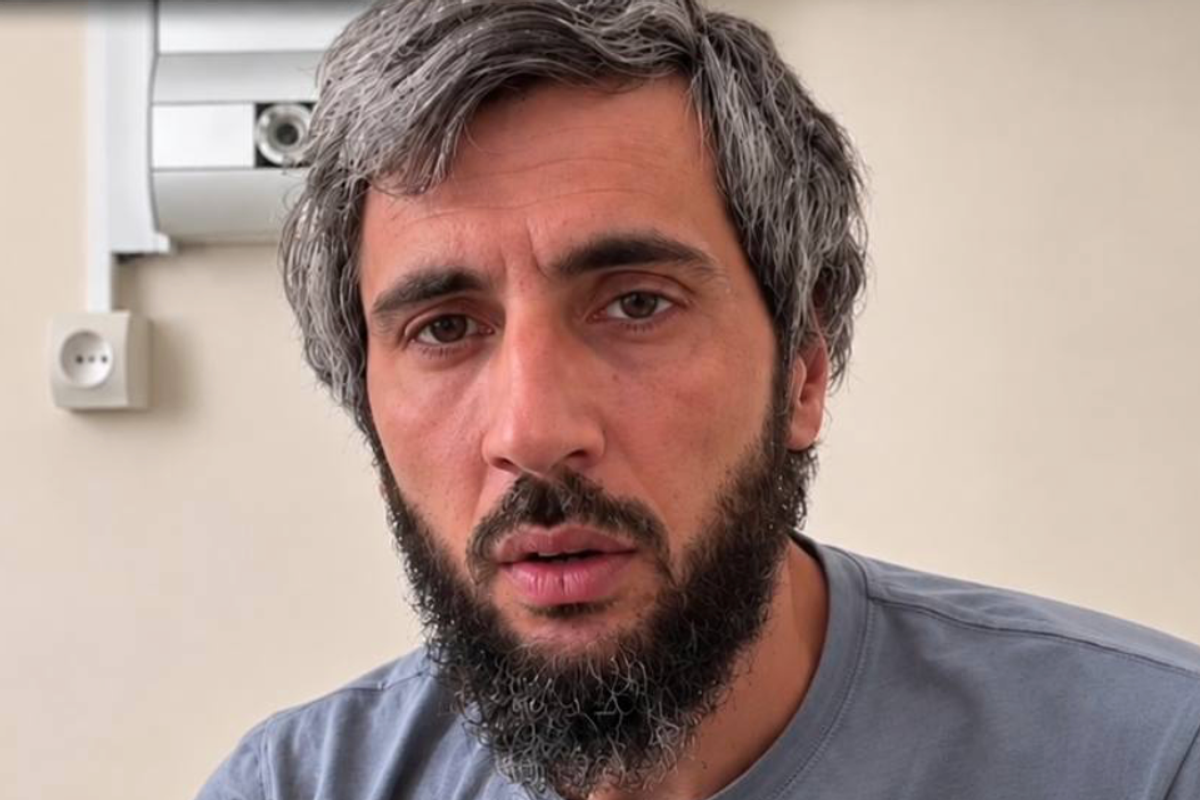
Daghestani man confesses to posing as a female tourist to murder his ex-wife
OC Media / 21 hours ago

Ivanishvili’s son Bera files defamation lawsuit against opposition-aligned media outlets
OC Media / 22 hours ago
Related coverage
Ախուրիկի և Ղարիբջանյանի բնակիչները՝ հայ-թուրքական սահմանի բացման մասին
Ermenihaber / 25 minutes ago
ՌԴ-ն առաջարկել է ՀՀ նկատմամբ կիրառել ՀԱՊԿ կանոնադրության 25-րդ հոդվածը
PanArmenian / 59 minutes ago
Հայաստանի նկատմամբ կարող է կիրառվել ՀԱՊԿ կանոնադրության 25-րդ հոդվածը. գլխավոր քարտուղար
Sputnik Armenia / 1 hour ago
Պատերազմը հետաձգվում է, ոչ թե կանխվում
Aravot / 2 hours ago