Armenian Prime Minister Nikol Pashinyan has threatened to ‘break the arms and legs’ of people distributing electoral bribes, adding that he meant this ‘in the political sense of the word’. The remarks came as Pashinyan has started to introduce the idea that Armenia needs to establish a ‘state-centred’ opposition, expressing concern that his party’s vote share is so high in recent local elections that it might give the impression of ‘dictatorship’ Ahead of the June parliamentary elections , Armenian authorities arrested numerous opposition figures from across the main opposition blocs, with members of Strong Armenia particularly affected, on accusations of distributing electoral bribes. Authorities also published wiretapped recordings to support their claims. In turn, the opposition has rejected the accusations, describing the arrests as politically motivated pressure. Pashinyan made the remarks during his weekly press briefing on Thursday, responding to a journalist’s question about what kind of opposition Armenia should have. ‘No electoral bribes should be distributed. We’re going to break the arms and legs of those distributing electoral bribes, am I making myself clear? — I mean that in the political sense of the word’, Pashinyan said. Earlier this month Pashinyan voiced the need for a new opposition, after his Civil Contract party won nearly all local elections held in 21 communities in October. Pashinyan said in a social media video he was ‘not happy that Civil Contract won 90% plus’ of the share of votes in some communities and outlined three remaining challenges. ‘Firstly, how can we ensure that the election results do not give the impression of dictatorship and authoritarianism? Second, how can we establish an objective public control mechanism in the communities where we have high levels of trust? Thirdly, how can we form a state-centred, young, intellectual, objective, and genuine opposition that is governed and directed only by their electorate and citizens?’, he said. Pashinyan’s party wins all local elections bar one amid arrests of some opposition members The independent observation missions raise concerns over the criminal cases against opposition members and supporters ahead of the elections. OC Media Ani Ghulinyan During Thursday’s briefing, Pashinyan also addressed what he described as a longstanding discourse in Armenia that had ‘resurfaced’ during the 2026 parliamentary elections. He said people spoke of certain individuals as being able to secure a specific number of votes for a party through vote-buying, administrative resources, and other means. ‘People talk about certain individuals, saying this person has 50 votes, this one has 100, this one has 200, and this one has 300 votes’, Pashinyan said, adding that every person in Armenia had only one vote. ‘Anyone who has more than one vote is my class enemy, and eliminating these people is my political commitment’, Pashinyan said, adding that he would ‘go after’ anyone claiming to control multiple votes, either through law enforcement agencies or political means. Pashinyan went on to compare his proposed approach to a new revolution, contrasting it with the 2018 nationwide protests known as the Velvet Revolution of ‘love and solidarity’, which brought him to power. Power of the people: what made Armenia’s Velvet Revolution successful? In 2018, Armenians peacefully ousted their government in a fast-moving decentralised revolution. Six years on, and amidst regional upheaval, participants of the Velvet Revolution assess the key factors in the movement’s success. In the run-up to the spring of 2018, a change of government in Armenia seemed unlikely at best. Opposition to Serzh Sargsyan’s government had been steadily growing, intensifying in light of the announcement on 12 April that he would run for prime minister, having s OC Media Arshaluys Barseghyan ‘Against this category, there will be a Great October Socialist Revolution, because we are going to smash them to pieces — in the political sense of the word. They must be uprooted. [...] Moreover, if it turns out that there are people with this kind of mindset within the Civil Contract, they are ten times more my class enemies’, Pashinyan said. Pashinyan was referring to Russia’s October Revolution in 1917, which paved the way for Soviet rule.
Free: opens Google Translate with the text filled in. Long articles are split into numbered sections.
Premium: read the translation right here, without leaving HyeNews. Try free for 7 days.
Already in English.
Pashinyan threatens to metaphorically ‘break arms and legs’ of election fraudsters
Pashinyan has also expressed concern that his party’s high vote share might suggest ‘dictatorship’.
Comments
No comments yet — be the first to comment.
More from OC Media
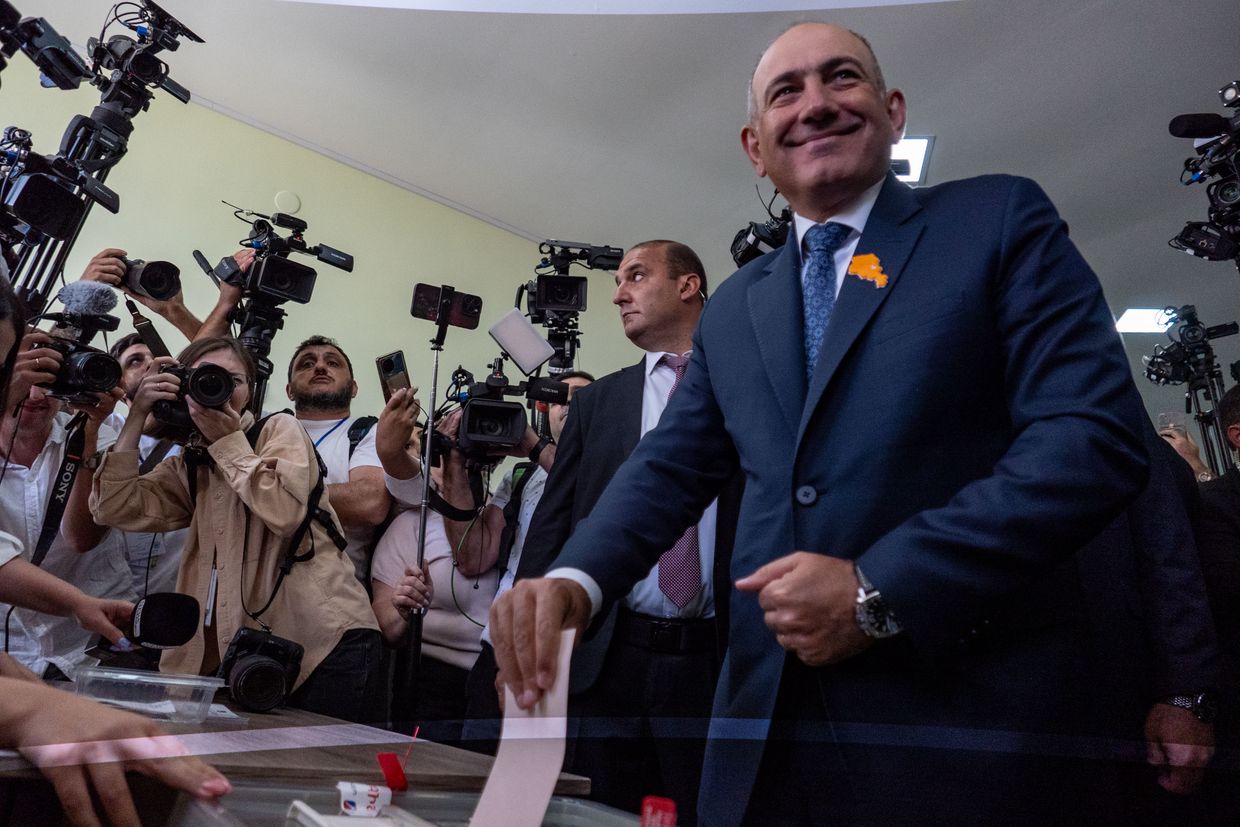
Explainer | Could Armenia have a snap election as soon as next year?
OC Media / 31 minutes ago
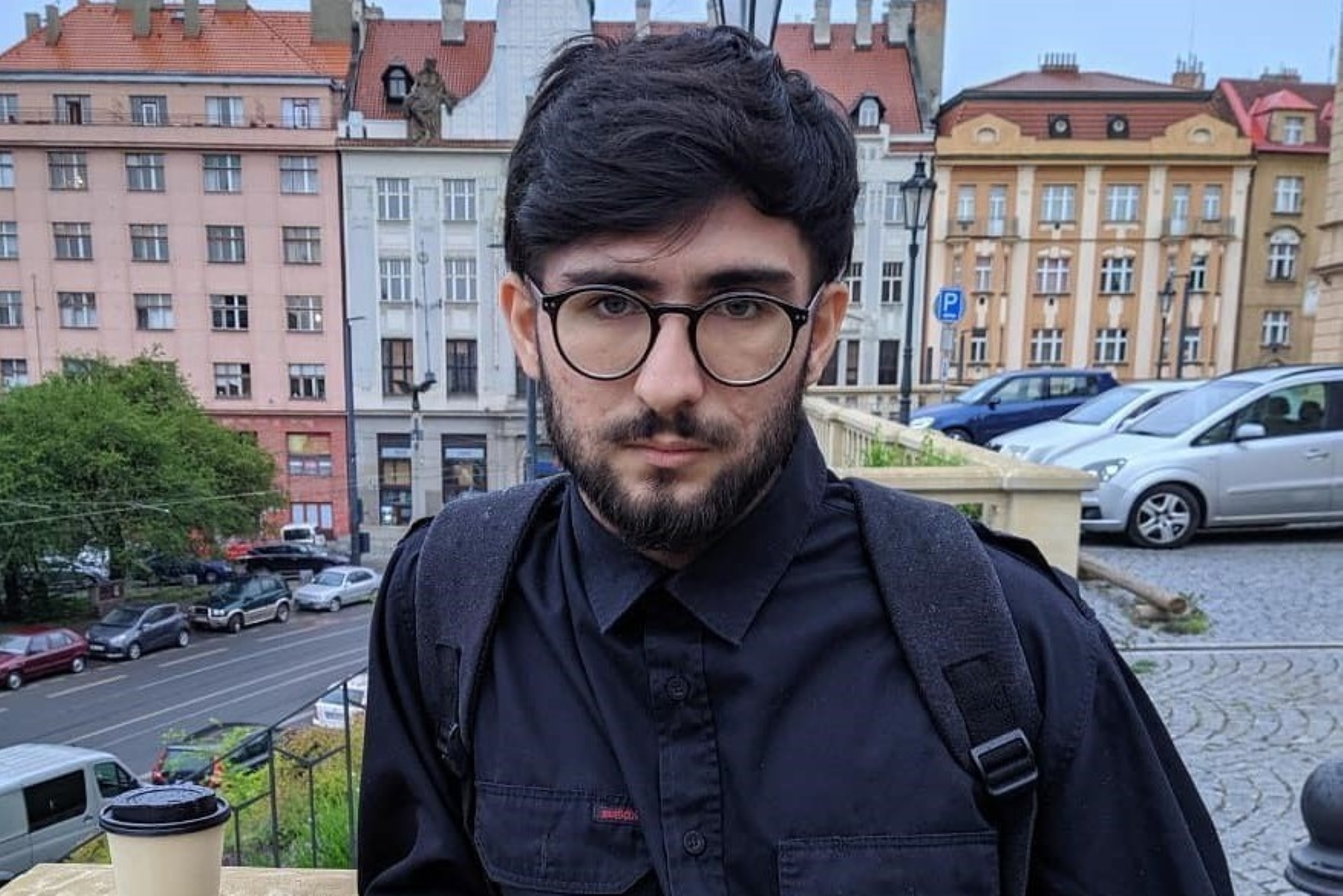
Amnesty reiterates calls for OC Media contributor Bahruz Samadov’s release
OC Media / 50 minutes ago
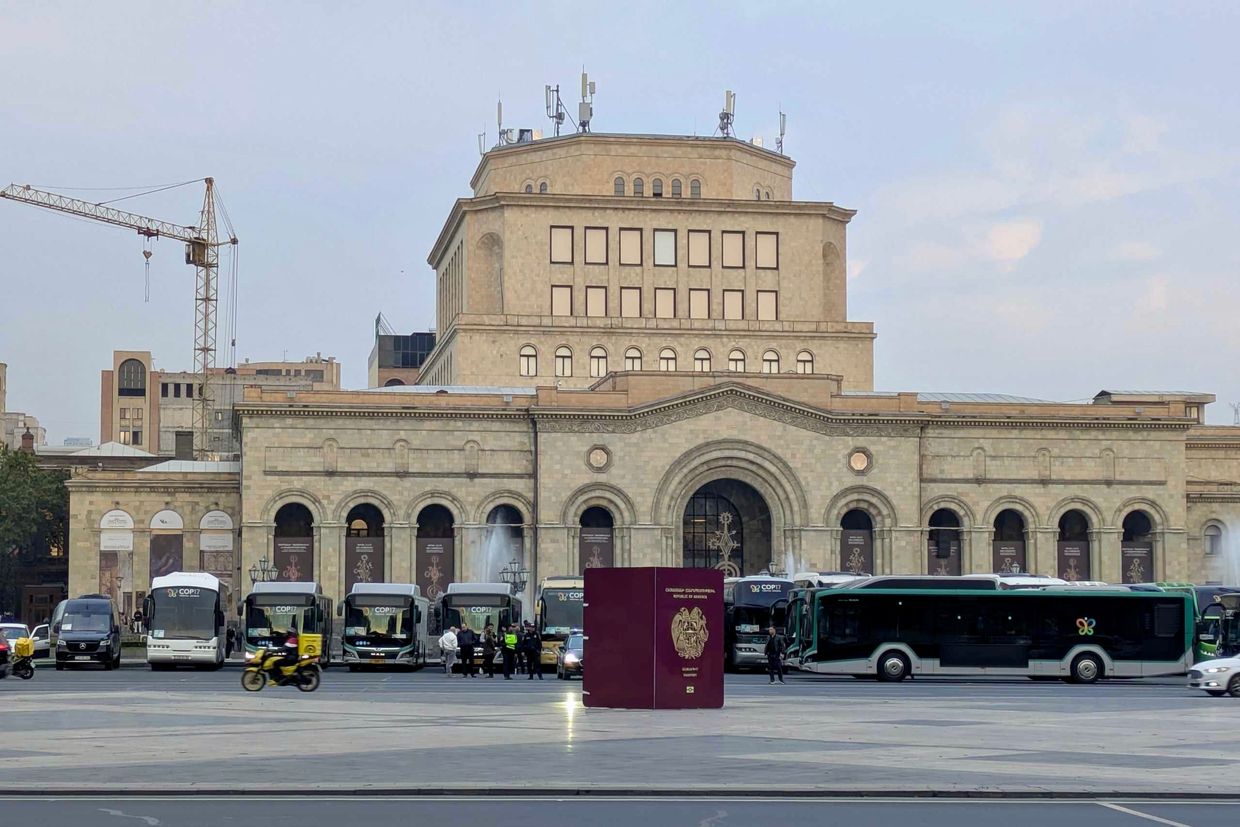
‘Why not take advantage?’: Pashinyan suggests auctioning first new Armenian passport
OC Media / 2 hours ago
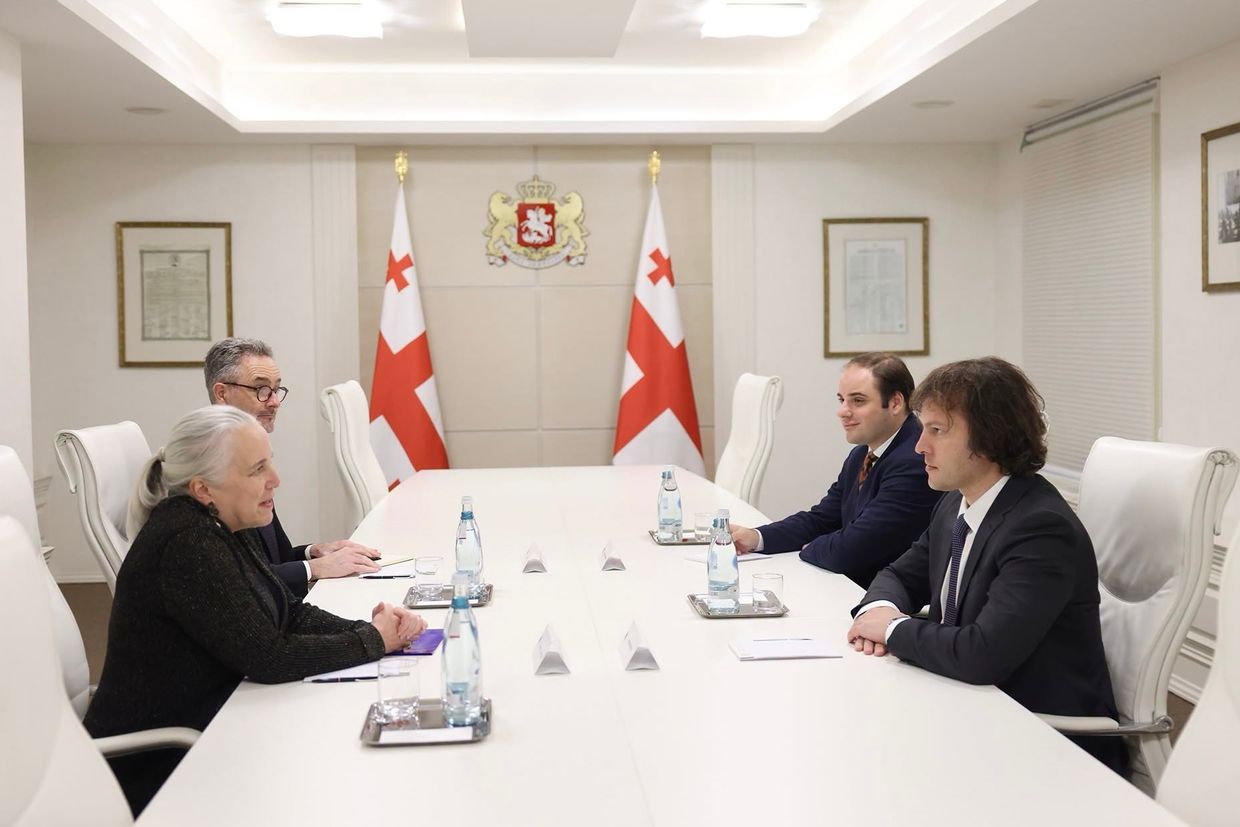
Kobakhidze again says Tbilisi ‘ready’ to restore US-Georgia ties after chargé d’affaires meeting
OC Media / 2 hours ago
Related coverage
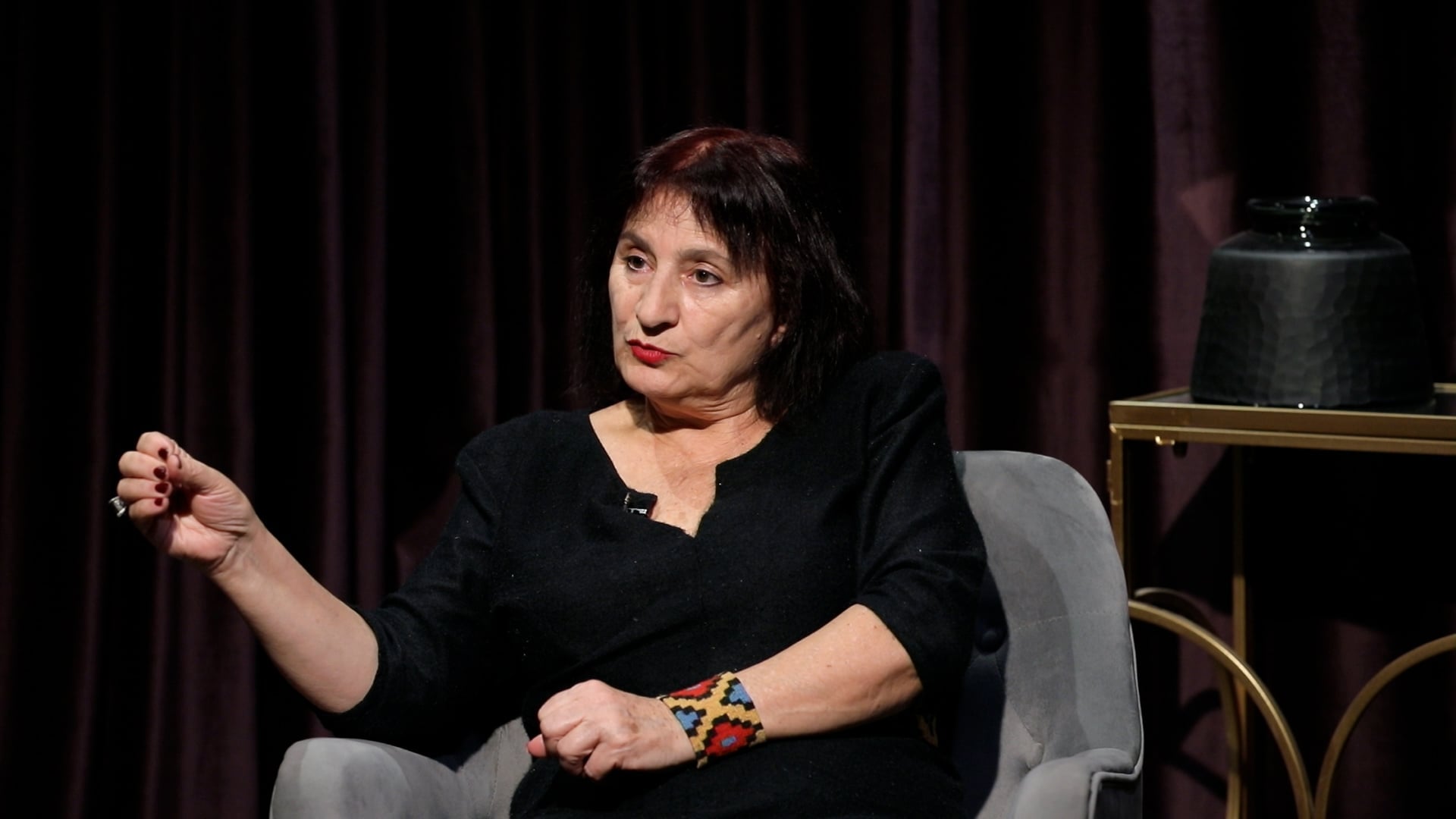
Ահաբեկումը թափ է առնում. երբ թույլատրում ես լինել ագրեսիվ, անել ինչ ցանկանում են՝ ջարդել, փշրել, հավաստիացնում ես՝ իրենք դրա համար չեն պատժվելու. Նալչաջյան
168 Jham / 14 minutes ago

Ադրբեջանական բենզինի ներկրում, տաքսի ծառայությունների միջնորդավճարների աճ․ քննարկումներ՝ ԱԺ-ում
Shant News / 14 minutes ago
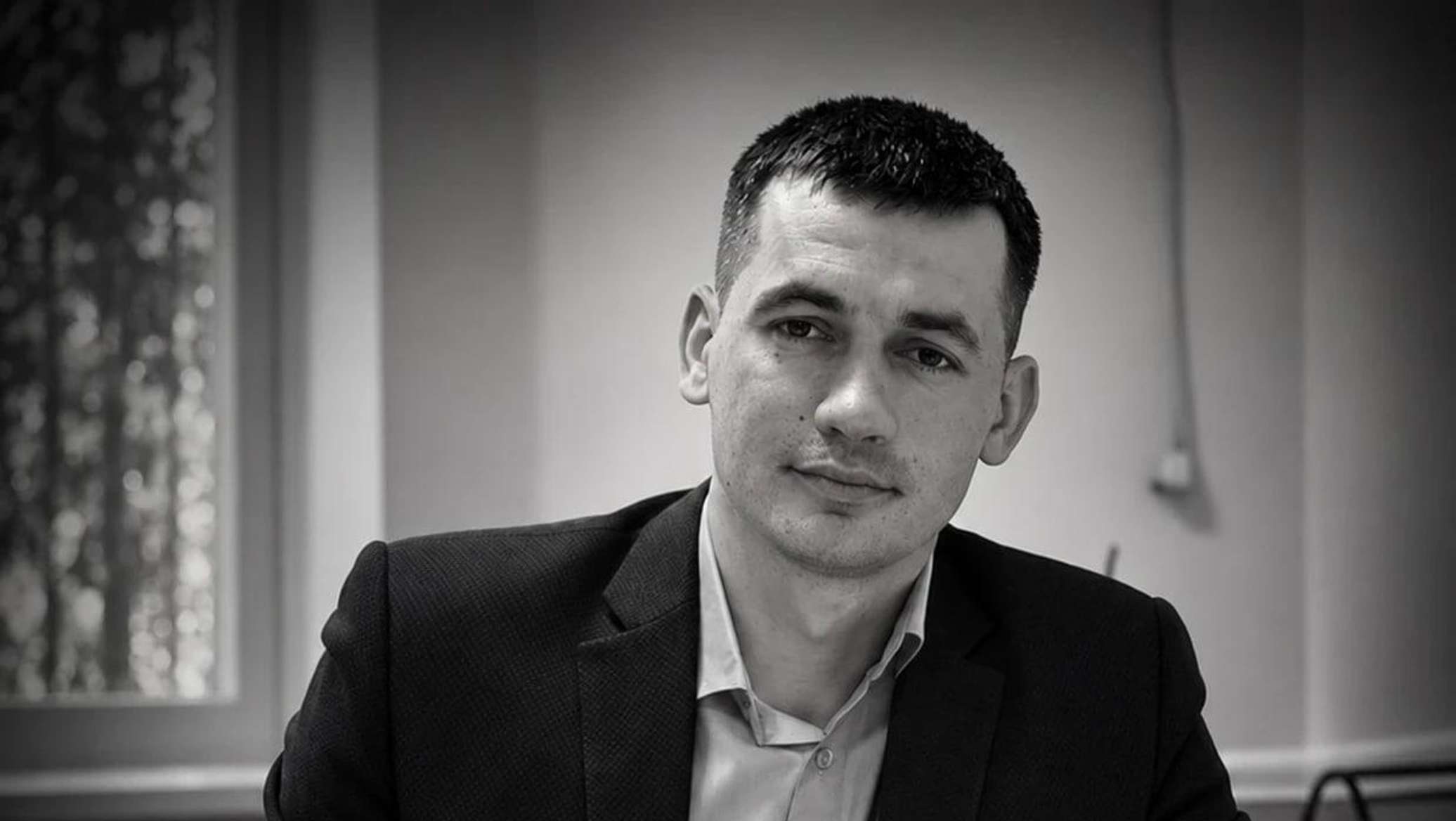
Ուկրաինական ԱԹՍ-ների հարվածների զոհ է դարձել Դոնեցկի երկաթուղու գլխավոր տնօրենը
Sputnik Armenia / 19 minutes ago
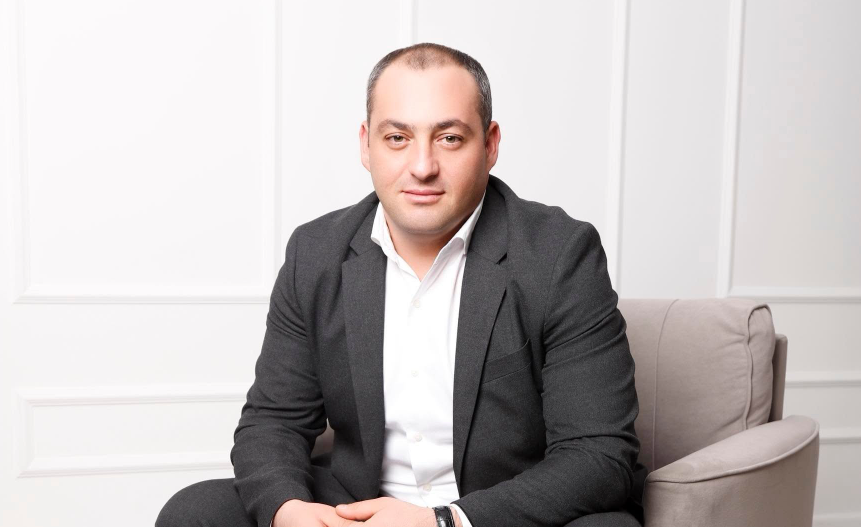
Գեղարքունիքի մարզպետի օգնական Սուրեն Գրիգորյանը կգլխավորի ՔՊ-ի ցուցակը Սևանում
Factor.am / 22 minutes ago