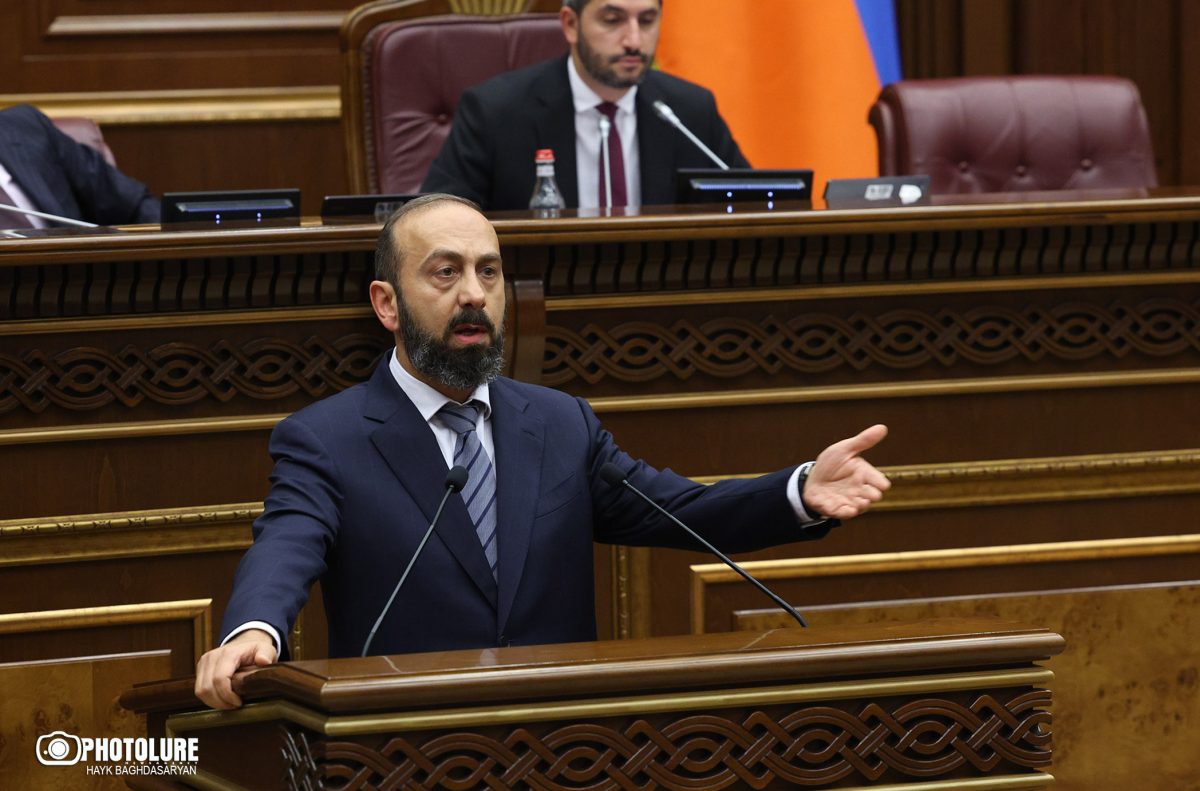
Armenian Foreign Minister Ararat Mirzoyan presented the Armenia-US agreement on implementing the Trump Route for International Peace and Prosperity (TRIPP) to the National Assembly, outlining the project’s governance arrangements, infrastructure plans, and expected economic and security benefits. Mirzoyan said the agreement translates political understandings reached between Armenia, Azerbaijan, and the United States into a framework for implementing the regional connectivity initiative. The project stems from the joint declaration signed in Washington on August 8, 2025, by Armenian Prime Minister Nikol Pashinyan and Azerbaijani President Ilham Aliyev, witnessed by US President Donald Trump. Pashinyan and US Secretary of State Marco Rubio subsequently signed the TRIPP implementation framework on January 13, 2026, followed by the bilateral agreement in June. According to Mirzoyan, the project could involve a range of infrastructure, including railways, roads, electricity transmission lines, and fiber-optic cables, as well as potential oil and gas pipelines. He said the initiative is intended to unblock regional transport routes and establish connections between Armenia and third countries through Azerbaijan, while also allowing Azerbaijan to connect with its Nakhichevan exclave through Armenian territory. Mirzoyan said the project could position Armenia as a key transit hub linking countries to the east and west, expanding access to new markets for exports and imports. Beyond its economic potential, the foreign minister emphasized the project’s political and security significance, saying improved regional connectivity could help strengthen peace and stability between Armenia and Azerbaijan. He stressed that infrastructure operating on Armenian territory would remain subject to Armenia’s territorial integrity, sovereignty, and jurisdiction. Under the agreement, the TRIPP Development Company will be established by the Armenian government and a US entity, TRIPP Development Company US. Mirzoyan said the US entity would remain under the ownership and control of the US government. The agreement grants the company infrastructure development and operating rights for 49 years. The parties may agree to extend the arrangement for another 50 years, in which case Armenia’s stake in the company would automatically increase from 26% to 49%, without additional investment, while the US entity would retain a 51% stake. Mirzoyan said the shareholders’ agreement and the company’s charter were the remaining documents to be finalized, expressing hope that negotiations would conclude in the near future. He called on lawmakers to support the agreement, arguing that the project could bring significant economic and political benefits to Armenia.
Free: opens Google Translate with the text filled in. Long articles are split into numbered sections.
Premium: read the translation right here, without leaving HyeNews. Try free for 7 days.
Already in English.
Armenia-US TRIPP Agreement sets out framework for regional transport links
Comments
No comments yet — be the first to comment.
More from Public Radio of Armenia

«Կենդանի ձայնադարան»․ Հրանտ Մուրադյանի ստեղծագործությունները՝ Արամ անսամբլի նվագակցությամբ 28.10.26
Public Radio of Armenia / 6 hours ago

Մեծ խաղի մեկնարկը. Թրամփն ազդարարում է Պուտին-Զելենսկի շուտափույթ հանդիպման մասին
Public Radio of Armenia / 8 hours ago

«Առանց տողատակի»․ Փողի վրա հիմնված ուժերը պետք է դուրս գան քաղաքականությունից 28.10.2026
Public Radio of Armenia / 8 hours ago
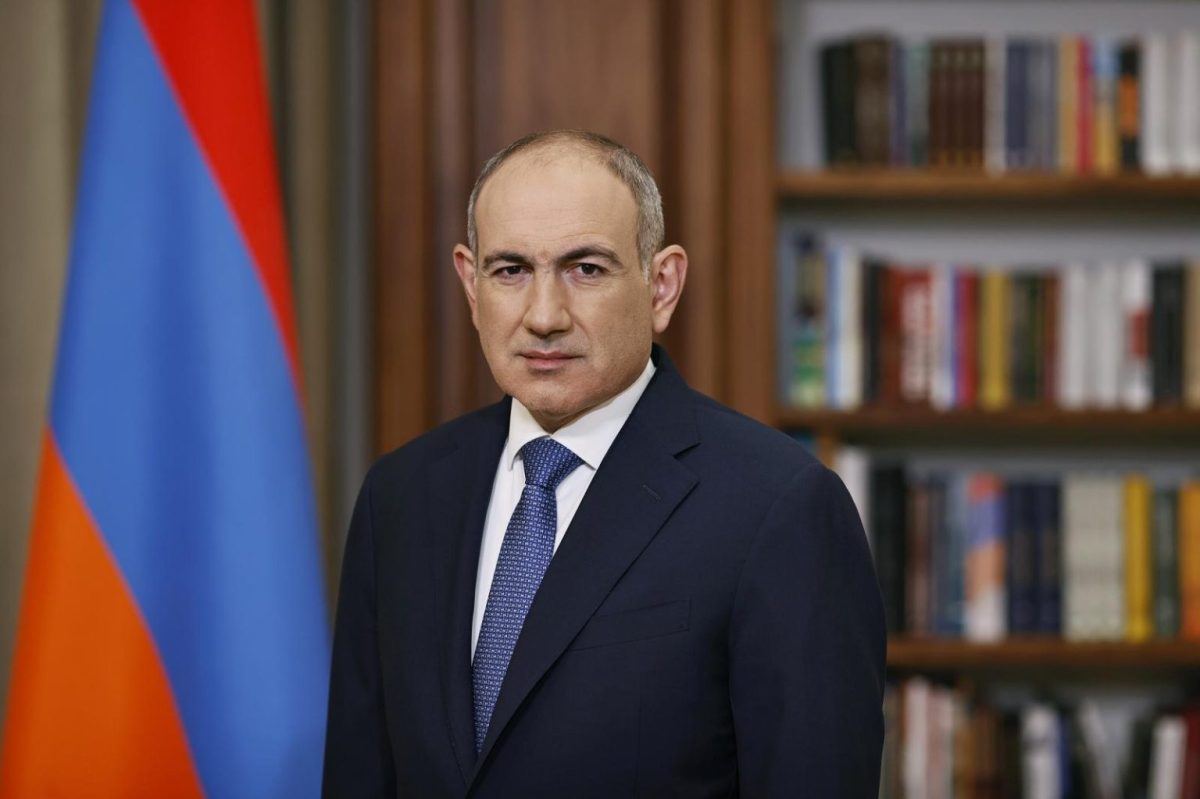
Armenian PM offers condolences to Spain over deadly train collision in Toledo
Public Radio of Armenia / 9 hours ago
Related coverage

ՀՀ ԱԺ պատգամավոր Սարիկ Մինասյան ճեպազրույցը. ՈՒՂԻՂ
Aravot / 24 minutes ago

#Ուղիղ․ ՀՀ ԱԺ իններորդ գումարման երկրորդ նստաշրջանի հերթական նիստ
Hraparak / 48 minutes ago

Ազգային Ժողովի հերթական նիստը՝ #ուղիղ
Pastinfo / 51 minutes ago

#Ուղիղ․ ՀՀ ԱԺ իններորդ գումարման երկրորդ նստաշրջանի հերթական նիստ
Hraparak / 1 hour ago