Former Russian prisoner Kevin Lik, who is from the North Caucasus republic of Adygea, has said he was targeted in an attempted poisoning by Russian security services in Germany in May 2026. Lik said he suddenly became seriously ill after meeting a person he barely knew. Lik spoke about the incident on his Telegram channel on Tuesday. He said it happened on his birthday, which he was celebrating with friends for the first time since his release. A person whom Lik had previously met only a few times came to the celebration. About an hour and a half later, the person left, and Lik soon became ill. ‘Loss of consciousness, pulmonary oedema, respiratory arrest, bradycardia — my pulse almost stopped — and seizures’, Lik wrote . According to him, he regained consciousness the following day but was unable to walk without assistance. He said he continued to experience neurological problems after the incident, including difficulty for his brain to perform simple sequences of actions. Lik also said that German law enforcement officials contacted him after the incident and told him that a criminal case had been opened on suspicion of attempted murder. Lik believes that Russian security services may have been involved in the attempted poisoning. Kevin Lik was born in Germany on 10 May 2005. He lived there until 2017, when he moved to Maykop, Adygea, with his mother. Lik subsequently obtained Russian citizenship in addition to his German citizenship. In February 2023, when he was 17, Lik was detained by the Federal Security Service (FSB) on suspicion of treason. In December of the same year, the Supreme Court of Adygea sentenced him to four years in prison. Lik was still a school student when the case was opened and became the youngest person in Russia to be charged under the treason article. Investigators alleged that Lik had photographed a military unit in Maykop from the window of his home and then passed the photographs to representatives of a foreign state. Lik said he had photographed the military facility for personal use and had not passed the images to German intelligence services. According to him, FSB officers had prepared his statement in advance and demanded that he sign it. In February 2024, Lik’s mother said that her son had been beaten by fellow inmates after being transferred to an adult pre-trial detention centre. According to her, his hands were tied, he was strangled and beaten on the head and chest, and cigarettes were extinguished on his hands. The beatings were documented by doctors. In August 2024, Lik was among 16 prisoners released as part of a major prisoner exchange between Russia and Western countries. He was taken to Germany. Russian opposition figures have repeatedly alleged that they were targeted in assassination attempts by Russian security services. One of the best-known cases was the poisoning of Aleksei Navalny in August 2020. He fell ill during a flight from Tomsk to Moscow, forcing the plane to make an emergency landing in Omsk. Navalny was taken to hospital and transferred two days later to the Charité hospital in Berlin. Tests carried out by several European laboratories showed that he had been poisoned with a nerve agent from the Novichok group. In 2026, Britain, Germany, France, Sweden, and the Netherlands said that traces of epibatidine, a highly toxic substance found naturally in some South American frogs, had been detected in samples from Navalny following his death. According to experts, poisoning with the substance was the cause of his death. Navalny died on 16 February 2024 in a penal colony in the Yamalo-Nenets region, where he was serving a prison sentence. The Kremlin has denied the allegations, calling them unfounded. Opposition politician and journalist Vladimir Kara-Murza became seriously ill twice in Moscow, in 2015 and 2017. On both occasions his condition deteriorated sharply, he was admitted to intensive care and was close to death. In 2017, doctors placed him in an induced coma after his kidneys failed. Kara-Murza believes that he was poisoned on both occasions because of his political activities, including his work on US sanctions against Russian officials. US authorities investigated both incidents as possible intentional poisonings. Documents released later by the FBI said that US doctors considered poisoning the only explanation for the combination of his symptoms, although they were unable to identify a specific toxic substance. Kara-Murza developed polyneuropathy following the incidents. In 2023, a Russian court sentenced him to 25 years in prison on charges including treason. In September 2018, Pyotr Verzilov, publisher of a Russian independent media outlet Mediazona and a member of Pussy Riot, suffered a serious deterioration in his health. He lost the ability to see, speak and move normally and was hospitalised in Moscow. He was later transferred to the Charité hospital in Berlin. German doctors said that exposure to poison was the most likely explanation for his condition. They diagnosed him with anticholinergic syndrome and noted that the sudden onset of symptoms was consistent with poisoning. Verzilov later said that he believed Russian security services, possibly the Main Intelligence Directorate (GRU), were behind the attack, although no specific substance was detected. In 2023, two Russian émigrés who had attended a conference organised by Mikhail Khodorkovsky in Berlin reported possible poisoning. German police launched an investigation after they reported symptoms that could have indicated poisoning, but no details of the outcome of the investigation have been made public. The same year, reports emerged about the deteriorating health of Russian activist Natalia Arno following a trip to Prague in May 2023. She reported severe pain, hallucinations and other neurological symptoms after noticing a strange smell in her hotel room. However, tests conducted in the US failed to identify a specific toxic substance. Suspicions that Russian authorities have used poisons date back further. In 2006, former State Security Committee (KGB) and FSB officer Aleksandr Litvinenko died in London. A British inquiry established that he had been poisoned with radioactive polonium-210. Russian authorities have denied responsibility for that case, as well as for the 2018 poisoning of former GRU officer Sergei Skripal and his daughter Yulia in Salisbury, the UK.
Already in English.
5 full-article translations/day — headlines & summaries always free. Create free account for 25/day
Former prisoner from Adygea says Russian security services tried to poison him in Germany
Kevin Lik was released in a high-profile prisoner swap in 2024.

Comments
No comments yet — be the first to comment.
More from OC Media
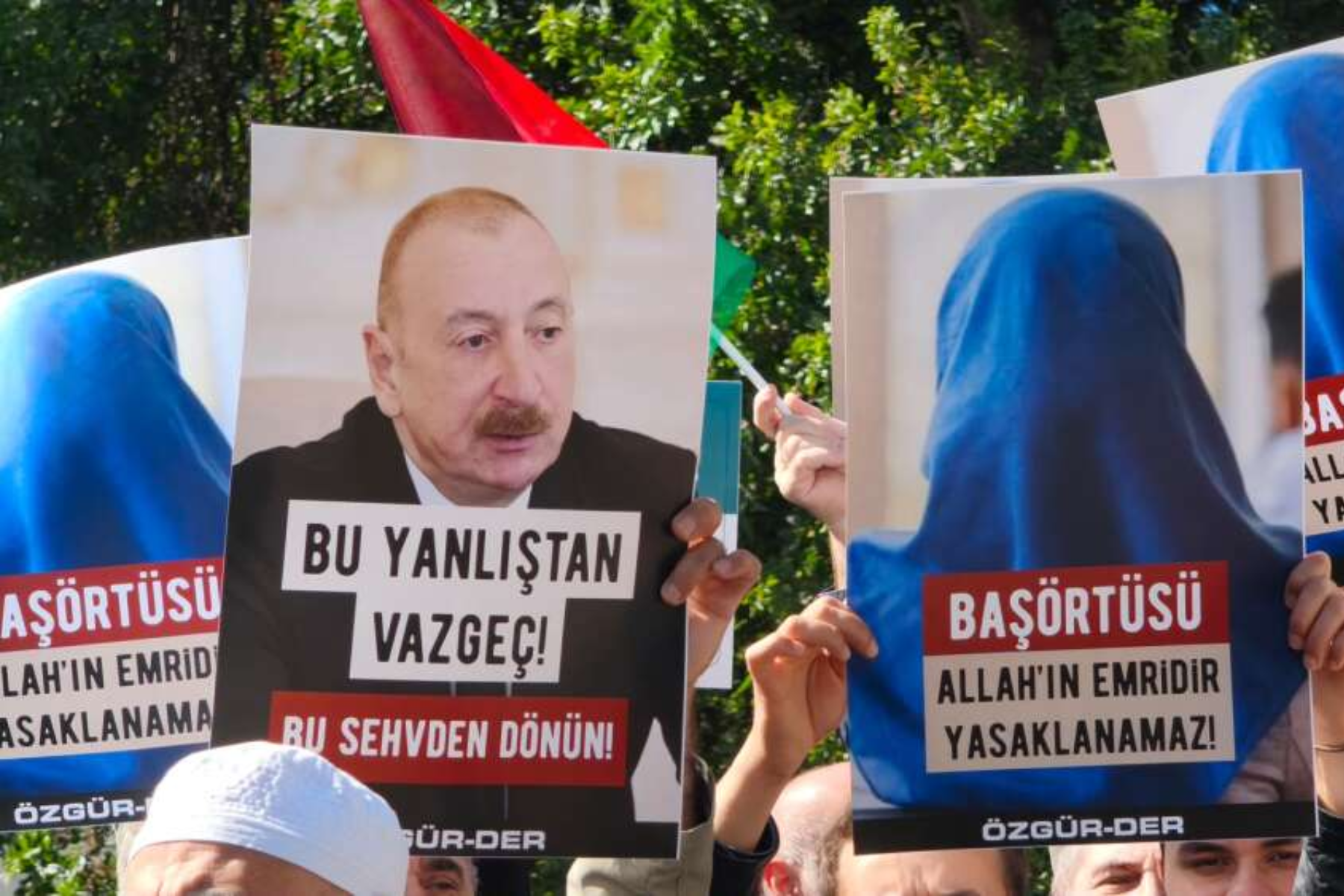
Explainer | What’s behind the Turkey–Azerbaijan spat?
OC Media / 10 hours ago
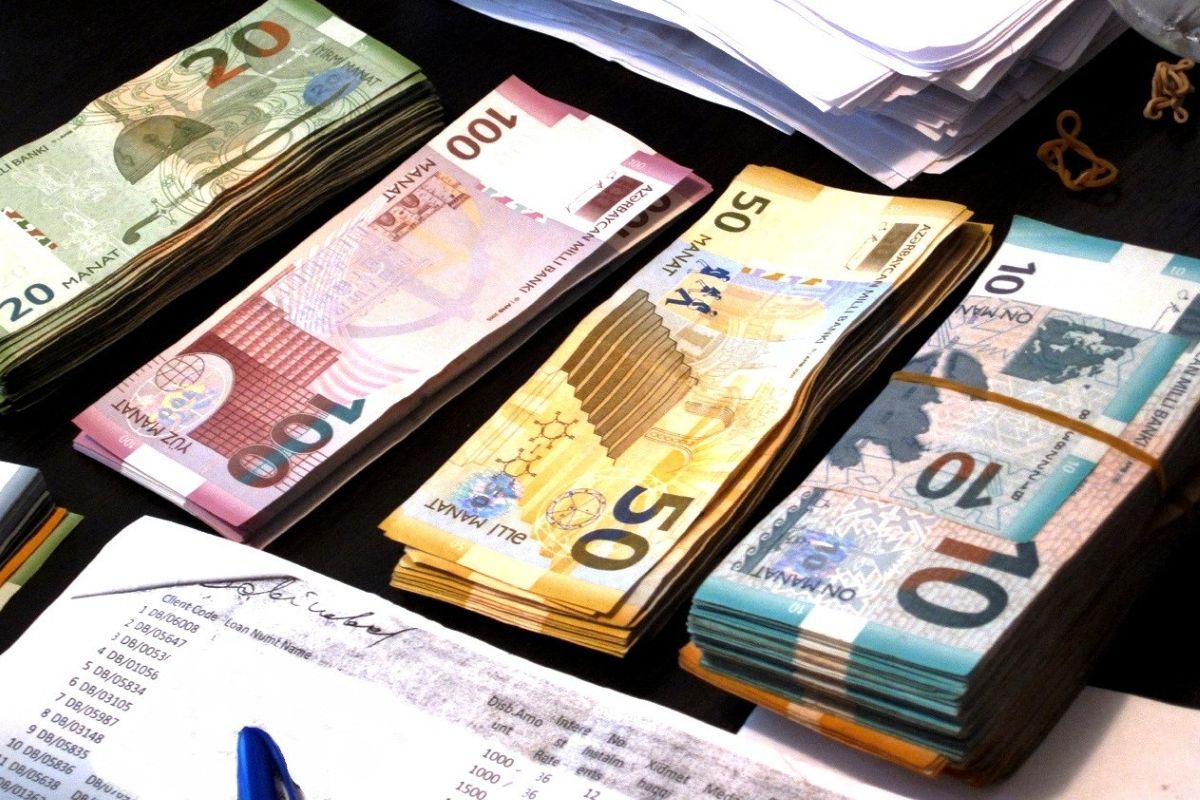
Azerbaijan proposes paying corruption whistleblowers 5% of assets recovered
OC Media / 12 hours ago

Study finds long-term health consequences among protesters exposed to chemical irritants in Georgia
OC Media / 12 hours ago
Opinion | When remembering becomes politically inconvenient
OC Media / 12 hours ago
Related coverage

Ինքնավստահ մարդիկ ուրիշների աչքին ավելի կոմպետենտ են երևում
168 Jham / 4 hours ago

Политического активиста Артура Даниеляна арестовали на два месяца
Sputnik Armenia / 4 hours ago

Слова Пашиняна о правках в "докладе" по Церкви были сообщением о преступлении: Ишханян
Sputnik Armenia / 5 hours ago

Ֆրանսիայում բողոքի ցույցերի սկզբից ի վեր բերման է ենթարկվել ավելի քան 6,6 հազար դպրոցական
Sputnik Armenia / 6 hours ago