Showing in English.
5 full-article translations/day — headlines & summaries always free. Create free account for 25/day
The changing relationship between Armenia and the Diaspora
Հայաստանի և Սփյուռքի միջև փոփոխվող փոխհարաբերությունները
The Ministry of Diaspora of the Republic of Armenia invited a group of specialists and analysts to Yerevan in December of last year to discuss the changing role of the Diaspora in relation to the Homeland.
Հայաստանի Հանրապետության սփյուռքի նախարարությունն անցյալ տարվա դեկտեմբերին մի խումբ մասնագետների և վերլուծաբանների հրավիրել էր Երևան քննարկելու Սփյուռքի փոփոխվող դերը Հայրենիքի նկատմամբ: «Հարափոփոխ աշխարհ, փոփոխվող Սփյուռք» խորագրով կլոր սեղան-քննարկման մասնակիցները եկել էին Միացյալ Նահանգներից, Ռու...
The participants of the roundtable discussion entitled “A Changing World, a Changing Diaspora” came from the United States, Russia, and...
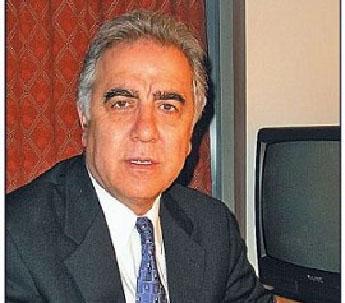
The Ministry of Diaspora of the Republic of Armenia invited a group of specialists and analysts to Yerevan in December of last year to discuss the changing role of the Diaspora in relation to the Homeland. The participants of the roundtable discussion entitled “A Changing World, a Changing Diaspora” came from the United States, Russia, Argentina, Germany, Ukraine, Lebanon, and Armenia.
Հայաստանի Հանրապետության սփյուռքի նախարարությունն անցյալ տարվա դեկտեմբերին մի խումբ մասնագետների և վերլուծաբանների հրավիրել էր Երևան քննարկելու Սփյուռքի փոփոխվող դերը Հայրենիքի նկատմամբ: «Հարափոփոխ աշխարհ, փոփոխվող Սփյուռք» խորագրով կլոր սեղան-քննարկման մասնակիցները եկել էին Միացյալ Նահանգներից, Ռուսաստանից, Արգենտինայից, Գերմանիայից, Ուկրաինայից, Լիբանանից և Հայաստանից:
The discussion was devoted to the formation of the Diaspora, current challenges, Armenia-Diaspora cooperation, the improvement of closer cooperation between Armenia and the Diaspora, the search for new forms and means of work, and prospects.
Քննարկումը նվիրված էր Սփյուռքի ձևավորումներին, առկա մարտահրավերներին, Հայաստան-Սփյուռք գործակցությանը, Հայաստանի և Սփյուռքի միջև առավել սերտ համագործակցության կատարելագործմանը, աշխատանքի նոր ձևերի և միջոցների փնտրտուքին ու հեռանկարներին:
Below are excerpts from my speech at the meeting.
Ստորև ներկայացնում եմ հատվածներ հանդիպման ժամանակ իմ ունեցած ելույթից.
After Armenia’s independence, the Diaspora faced a completely new situation. Many Diaspora Armenians were surprised by the sudden realization of their long-cherished dream of a free Armenia. New words appeared in their vocabulary: Artsakh, earthquake, blockade, protocol, opposition, coalition government, change of government.
Հայաստանի անկախացումից հետո Սփյուռքը կանգնեց բոլորովին մի նոր կացության առջև: Շատ սփյուռքահայեր անակնկալի եկան ազատ Հայաստանի վաղեմի բաղձալի երազանքի հանկարծակի իրականացումից: Նոր բառեր հայտնվեցին նրանց բառապաշարում. Արցախ, երկրաշարժ, շրջափակում, արձանագրություն, ընդիմություն, կոալիցիոն կառավարություն, իշխանափոխություն:
For most Diaspora Armenians, it was very difficult to separate the actions of an individual, community, or organization from the powers and obligations of the state. At the same time, the new leaders of Armenia did not fully understand the patriotic feelings, wishes, and aspirations of Diaspora Armenians, as a result of which an unpleasant ditch emerged between the two sides.
Սփյուռքահայերի մեծ մասի համար շատ դժվար էր տարանջատել անհատի, համայնքի կամ կազմակերպության գործողությունները պետության իրավասություններից ու պարտավորություններից: Միաժամանակ, Հայաստանի նոր ղեկավարները լիովին չըմբռնեցին սփյուռքահայերի հայրենասիրական զգացումները, ցանկություններն ու իղձերը, ինչի հետևանքով անախորժ խրամատ առաջացավ երկու կողմերի միջև:
The question is more complicated, since the Diaspora is not a monolithic entity, but consists of numerous and diverse diasporas, each with its own peculiarities, settling and living in different time periods, in foreign countries, and surviving under different linguistic and cultural influences.
Հարցն ավելի բարդ է, քանի որ Սփյուռքը միաձույլ գոյություն չէ, այլ կազմված է բազմաթիվ և բազմատեսակ սփյուռքներից, յուրաքանչյուրն ունի իր առանձնահատկությունները` հաստատվելով և ապրելով տարբեր ժամանակշրջաններում, օտար երկրներում և գոյատևելով տարբեր լեզվամշակութային ազդեցությունների տակ:
When journalists in Armenia ask me about the views of the Diaspora on this or that issue, I find it difficult to answer that question. How can anyone generalize the diverse views of seven million Diaspora Armenians? To reflect the majority opinion of the Diaspora, a pan-Armenian structure should be organized, or the functions of the Hayastan All-Armenian Fund should be expanded beyond fundraising, or a completely new structure should be created that would represent Armenians from all over the world outside of Armenia and Artsakh, based on the principle of “one Armenian, one vote.” Representatives elected in this way would be authorized to speak on behalf of Diaspora Armenians and would have regular meetings with the leaderships of Armenia and Artsakh to clarify national priorities and consult on problematic issues.
Երբ Հայաստանում լրագրողներն ինձ հարցնում են այս կամ այն հարցի վերաբերյալ Սփյուռքի տեսակետների մասին, ես դժվարանում եմ պատասխանել այդ հարցին: Ինչպե՞ս կարող է որևէ մեկն ընդհանրական ներկայացնել յոթ միլիոն սփյուռքահայերի բազմաբնույթ տեսակետները: Սփյուռքի մեծամասնության կարծիքն արտացոլելու համար պետք է կազմակերպել համահայկական մի կառույց կամ ընդլայնել «Հայաստան» համահայկական հիմնադրամի գործառույթները հանգանակությունից անդին կամ էլ ստեղծել բոլորովին նոր կառույց, որը կներկայացնի Հայաստանից և Արցախից դուրս ամբողջ աշխարհի հայությանը` «մեկ հայ, մեկ քվե» սկզբունքի հիման վրա: Այս ձևով ընտրված ներկայացուցիչներն իրավասու կլինեն խոսել սփյուռքահայերի անունից և պարբերաբար հանդիպումներ ունենալ Հայաստանի ու Արցախի ղեկավարությունների հետ` ճշտելու համազգային առաջնահերթությունները և խորհրդակցելու խնդրահարույց հարցերի շուրջ:
The leaders of all three wings of the Armenian people (Armenia, Artsakh, and Diaspora) could then discuss their positions and agree on the division of roles. Such a civilized and nationally-interested approach is preferable to the protracted internal struggles and clashes that sometimes occur, as was the case during the signing of the Armenian-Turkish protocols.
Հայ ժողովրդի բոլոր երեք թևերի (Հայաստան, Արցախ և Սփյուռք) ղեկավարները կարող են այնուհետև քննարկել իրենց դիրքորոշումները և համաձայնել դերերի բաժանմանը: Այսպիսի քաղաքակիրթ և ազգային շահերից բխող մոտեցումն ավելի նախընտրելի է, քան հարատև ներքին պայքարներն ու բախումները, որոնք երբեմն տեղ են գտնում, ինչպես դա եղավ Հայ-թուրքական արձանագրությունների ստորագրման ժամանակ:
It is preferable for the Armenian authorities to be more sensitive to important issues of concern to Diaspora Armenians and to consult with them before making final decisions on these issues.
Նախընտրելի է, որ Հայաստանի իշխանություններն ավելի նրբանկատ լինեն սփյուռքահայերին հուզող կարևոր հարցերի նկատմամբ և խորհրդակցեն նրանց հետ նախքան այդ հարցերի շուրջ վերջնական որոշումներ կայացնելը:
It is clear, of course, that the leaders of Armenia are not obliged to accept anyone’s instructions from outside the country. At the same time, when making final decisions on all issues, they nevertheless have a moral and national obligation to take into account the position of the main Diaspora Armenian organizations in the absence of an elected structure of the Diaspora. In any case, the Armenian authorities are responsible to the nation for the decisions they make. They will be appreciated when they make the right decisions and criticized when they make mistakes.
Հասկանալի է, անշուշտ, որ Հայաստանի ղեկավարները պարտավոր չեն ընդունել որևէ մեկի հրահանգները երկրի սահմաններից դուրս: Միաժամանակ, բոլոր հարցերի շուրջ վերջնական որոշում կայացնելիս, այնուամենայնիվ նրանք բարոյական և ազգային պարտավորություն ունեն` նկատի ունենալու սփյուռքահայ գլխավոր կազմակերպությունների դիրքորոշումը` Սփյուռքի ընտրովի կառույցի բացակայության պայմաններում: Ամեն դեպքում, Հայաստանի իշխանությունները պատասխանատու են ազգի առաջ իրենց ընդունած որոշումների համար: Նրանք կգնահատվեն, երբ ճիշտ որոշումներ կկայացնեն և կքննադատվեն սխալներ գործելիս:
It should be noted that the creation of an elected structure of the Diaspora, although extremely difficult to implement, is much more inclusive and representative than appointed bodies or organizations, despite their patriotic work, which represent only their members. It is necessary to involve the broad masses of our people in order to make our national work more effective, especially these days, when Azerbaijan and Turkey are organizing their Diasporas and spending tens of millions of dollars to hinder our just demands on the eve of the centenary of the Armenian Genocide.
Պետք է նշել, որ Սփյուռքի ընտրովի կառույցի ստեղծումը, թեև խիստ դժվար իրագործելի է, սակայն շատ ավելի ընդգրկուն և ներկայացուցչական է, քան թե նշանակովի մարմինները կամ կազմակերպությունները, չնայած նրանց ազգանվեր աշխատանքին, որոնք ներկայացնում են սոսկ իրենց անդամներին: Անհրաժեշտ է ներգրավել մեր ժողովրդի լայն խավերին, որպեսզի ավելի արդյունավետ դառնան մեր ազգային աշխատանքները, մանավանդ այս օրերին, երբ Ադրբեջանն ու Թուրքիան կազմակերպում են իրենց սփյուռքները և տասնյակ միլիոնավոր դոլարներ ծախսում խոչընդոտելու համար մեր արդար պահանջները Հայոց ցեղասպանության հարյուրամյակի նախաշեմին:
As we often like to repeat, “Azerbaijan has oil, Georgia has the sea, and Armenia has the Diaspora.” However, a disorganized and gradually depleted Diaspora will represent very little value in our national affairs and can neither sustain itself and survive, nor be useful to the Homeland.
Ինչպես հաճախ սիրում ենք կրկնել` «Ադրբեջանը նավթ ունի, Վրաստանը` ծով, իսկ Հայաստանը` Սփյուռք»: Սակայն, անկազմակերպ և հետզհետե հյուծվող Սփյուռքը շատ քիչ արժեք կներկայացնի մեր ազգային հարցերում և ոչ կարող է ինքն իրեն պահել և գոյատևել, ոչ էլ օգտակար լինել Հայրենիքին:
We must all do everything possible to have a powerful Homeland and a strong Diaspora. The existence and survival of each of them depends on the viability of the other. Despite the effectiveness of the Ministry of Diaspora, we must realize that the necessary work is so enormous that it goes beyond the capabilities of one ministry. There is a strong demand for the participation and support of the entire leadership and people of Armenia, so that Diaspora Armenians feel the interest and care of the Homeland for them.
Բոլորս պետք է հնարավոր ամեն ինչ անենք, որպեսզի հզոր Հայրենիք և ուժեղ Սփյուռք ունենանք: Դրանցից յուրաքանչյուրի գոյությունն ու գոյատևումը կախված է մյուսի կենսունակությունից: Չնայած Սփյուռքի նախարարության արդյունավետությանը` պետք է գիտակցենք, որ անհրաժեշտ աշխատանքն այնքան վիթխարի է, որ այն դուրս է գալիս մեկ նախարարության կարողությունների շրջանակից: Խիստ պահանջ կա Հայաստանի ողջ ղեկավարության և ժողովրդի մասնակցության և աջակցության համար, որպեսզի սփյուռքահայերը զգան Հայրենիքի հետաքրքրությունը և հոգատարությունը իրենց հանդեպ:
Harut Sassounian, Publisher and Editor of the California Courier
Հարութ Սասունյան, «Կալիֆորնիա Կուրիեր» թերթի հրատարակիչ և խմբագիր
Translation by Ruzanna Avagyan
Թարգմանությունը՝ Ռուզաննա Ավագյանի
Comments
No comments yet — be the first to comment.
More from Yerkramas
Pashinyan and the "Civil Contract" against national identity
Yerkramas / 6 hours ago
The ears of the Baku secret services: Why are Azerbaijanis rushing to Armenia?
Yerkramas / 11 hours ago
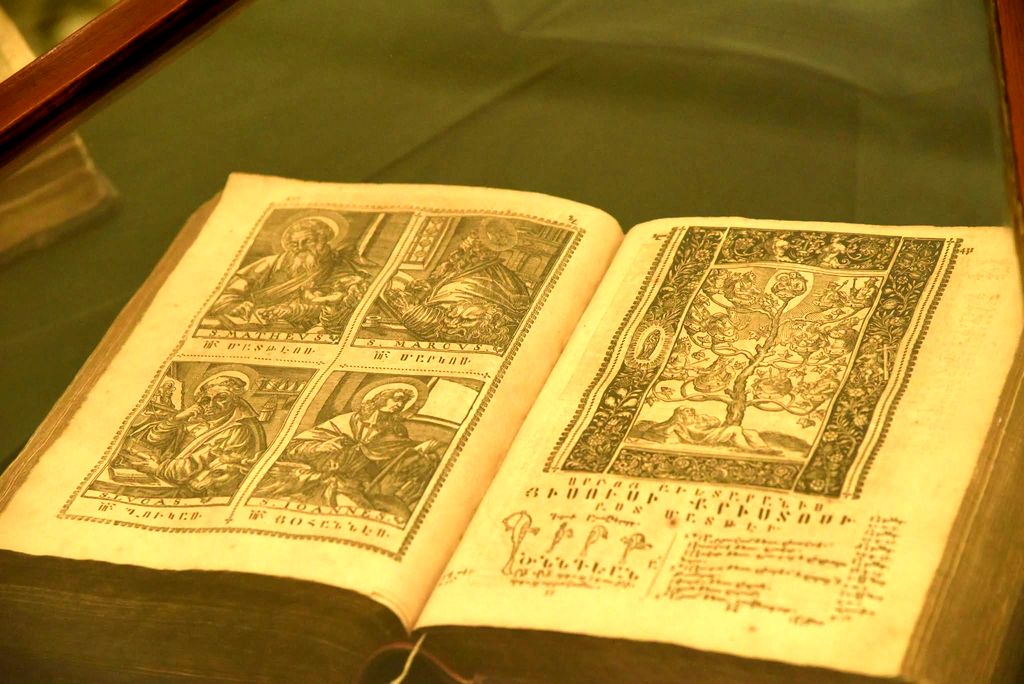
On the 360th anniversary of Voskan Yerevantsi's publication of the first Bible in Armenian
Yerkramas / 11 hours ago
Attack on Echmiadzin: Armenia's Constitutional Court Washes Its Hands
Yerkramas / 12 hours ago
Related coverage
No related coverage from other sources yet.