Showing in English.
5 full-article translations/day — headlines & summaries always free. Create free account for 25/day
Alik Review: When they start changing the direction of history
Ալիք-ի ակնարկ.
Երբ սկսում են փոխել պատմութեան հասցէն
History is not usually falsified in one day. It is first renamed, then retold, then repeated until one day the falsification begins to seem like common knowledge.
Պատմութիւնը սովորաբար չի կեղծւում մէկ օրում։ Այն նախ վերանւանւում է, յետոյ՝ վերապատմւում, ապա՝ կրկնւում այնքան, մինչեւ մի օր կեղծիքը սկսում է թւալ սովորական գիտելիք։
Azerbaijan's policy of appropriating Armenian historical and cultural heritage is not new. Armenian churches were first [...]
Ադրբեջանի՝ հայկական պատմամշակութային ժառանգութիւնը սեփականացնելու քաղաքականութիւնը վաղուց նորութիւն չէ։ Հայկական եկեղեցիները նախ [...]
Read more >>
Leer más >>

History is not usually falsified in one day. It is first renamed, then retold, then repeated until one day the falsification begins to seem like common knowledge.
Պատմութիւնը սովորաբար չի կեղծւում մէկ օրում։ Այն նախ վերանւանւում է, յետոյ՝ վերապատմւում, ապա՝ կրկնւում այնքան, մինչեւ մի օր կեղծիքը սկսում է թւալ սովորական գիտելիք։
Azerbaijan’s policy of appropriating the Armenian historical and cultural heritage is nothing new. Armenian churches were first presented as “Agvan”, then as non-Armenian monuments, and in the next stage their Armenian origin was no longer even mentioned. They were simply placed in the historical territory of Azerbaijan. In other words, historical identity was not only denied. It was replaced.
Ադրբեջանի՝ հայկական պատմամշակութային ժառանգութիւնը սեփականացնելու քաղաքականութիւնը վաղուց նորութիւն չէ։ Հայկական եկեղեցիները նախ ներկայացւեցին որպէս «աղւանական», յետոյ՝ որպէս ոչ հայկական յուշարձաններ, իսկ յաջորդ փուլում դրանց հայկական ծագումն այլեւս նոյնիսկ չյիշատակւեց. դրանք պարզապէս տեղադրւեցին Ադրբեջանի պատմական տարածքի մէջ։ Այսինքն՝ պատմական ինքնութիւնը չհերքւեց միայն. այն փոխարինւեց։
Today, this mechanism seems to be entering a new phase.
Այսօր այդ մեխանիզմը կարծես մտնում է նոր փուլ։
If previously it was necessary to convince that the Armenian church is not Armenian, today it is more appropriate to tell a different story: the church stands in a remote, uninhabited place, and that place is presented as an ancient Turkish fortress or a territory connected with Turkish history. The church appears in that history almost by accident, as a building built by Christians who arrived here later.
Եթէ նախկինում պէտք էր համոզել, որ հայկական եկեղեցին հայկական չէ, այսօր աւելի յարմար է պատմել մի ուրիշ պատմութիւն. եկեղեցին կանգնած է հեռաւոր, բնակչութիւնից զուրկ մի վայրում, իսկ այդ վայրը ներկայացւում է, որպէս հին թուրքական բերդ կամ թուրքական պատմութեան հետ կապւած տարածք։ Եկեղեցին այդ պատմութեան մէջ յայտնւում է գրեթէ պատահաբար՝ որպէս հետագայում այստեղ հասած քրիստոնեաների կառուցած շինութիւն։
The logic changes. The goal does not.
Տրամաբանութիւնը փոխւում է։ Նպատակը՝ ոչ։
This is one of the most effective ways of rewriting history. Because propaganda does not always have to explicitly deny the fact. It is enough to create an environment around the fact in which its real significance gradually becomes invisible.
Սա պատմութեան վերաշարադրութեան ամենաարդիւնաւէտ ձեւերից մէկն է։ Որովհետեւ քարոզչութիւնը միշտ չէ, որ պէտք է փաստը բացայայտօրէն հերքի։ Բաւական է փաստի շուրջ ստեղծել այնպիսի միջավայր, որտեղ նրա իրական նշանակութիւնը աստիճանաբար անտեսանելի կը դառնայ։
And this is where the problem goes beyond the borders of “Azerbaijan”.
Եւ այստեղ է, որ խնդիրը դուրս է գալիս «Ադրբեջանի» սահմաններից։
We live in an era of social networks, where historical knowledge is largely no longer formed from a book, archive, or professional study. It is formed from a few lines, a photo, a video, a map, sometimes a word. All of this can become material for preparing the subconscious. Today the reader sees an “Aghvan church”, tomorrow a “Christian monument located in Turkish territory”, and in a few years he may no longer ask: where is the Armenian here?
Մենք ապրում ենք սոցիալական ցանցերի ժամանակաշրջանում, որտեղ պատմական գիտելիքը մեծ մասամբ այլեւս չի ձեւաւորւում գրքից, արխիւից կամ մասնագիտական ուսումնասիրութիւնից։ Այն ձեւաւորւում է մի քանի տողից, մի լուսանկարից, մի տեսանիւթից, մի քարտէզից, երբեմն՝ մի բառից։ Այդ ամէնը կարող է դառնալ ենթագիտակցութիւնը նախապատրաստող նիւթ։ Այսօր ընթերցողը տեսնում է «աղւանական եկեղեցի», վաղը՝ «թուրքական տարածքում գտնւող քրիստոնէական յուշարձան», իսկ մի քանի տարի անց կարող է այլեւս չհարցնել՝ իսկ որտե՞ղ է այստեղ հայը։
The change in historical memory occurs exactly like that, not with one big lie, but with a thousand small assumptions.
Պատմական յիշողութեան փոփոխութիւնը հէնց այդպէս է տեղի ունենում՝ ոչ թէ մեծ մի ստով, այլ հազար փոքր ենթադրութիւններով։
That is why the “silence of Armenia” on this issue is at least strange.
Այդ պատճառով «Հայաստանի լռութիւնն» այս հարցում առնւազն տարօրինակ է։
It is even stranger when at the same time the academic field around history in Armenia can create situations that, regardless of their scientific goals, can be perceived by an outside observer as a step towards presenting the history of Azerbaijan as a separate, neutral and unproblematic discipline. At Yerevan State University (YSU), for example, the existence of a separate course on “History of Azerbaijan” is not a problem in itself. Studying “History of Azerbaijan” is an academic necessity. The problem lies where the study of history is separated from the political and ideological environment in which that history is used today.
Աւելին՝ տարօրինակ է, երբ նոյն ժամանակ Հայաստանում պատմութեան շուրջ ակադեմական դաշտը կարող է ստեղծել իրավիճակներ, որոնք, անկախ դրանց գիտական նպատակներից, արտաքին դիտորդի համար կարող են ընկալւել որպէս Ադրբեջանի պատմութիւնն առանձին, չէզոք եւ անխնդրայարոյց գիտակարգ ներկայացնելու քայլ։ Երեւանի Պետական համալսարանում (ԵՊՀ), օրինակ, «Ադրբեջանի պատմութիւն» առանձին դասընթացի գոյութիւնը ինքնին խնդիր չէ. «Ադրբեջանի պատմութիւնն» ուսումնասիրելը ակադեմիական անհրաժեշտութիւն է։ Խնդիրն այնտեղում է, որտեղ պատմութեան ուսումնասիրութիւնը բաժանւում է այն քաղաքական եւ գաղափարական միջավայրից, որի մէջ այդ պատմութիւնը այսօր օգտագործւում է։
The contradiction, by the way, is also visible within the same university. In the scientific publications of YSU, there are serious works criticizing and documenting the distortions of Azerbaijani historiography. The problem is not in scientific research, but in maintaining the boundaries between science and propaganda.
Հակասութիւնը, ի դէպ, նոյն համալսարանի ներսում էլ տեսանելի է։ ԵՊՀ-ի գիտական հրապարակումներում կան ադրբեջանական պատմագրութեան խեղաթիւրումները քննադատող եւ փաստագրող լուրջ աշխատանքներ։ Ոչ թէ՝ գիտական ուսումնասիրութեան մէջ է խնդիրը, այլ գիտութեան եւ քարոզչութեան միջեւ սահմանումների պահպանելու մէջ է։
Because when a state has been trying to change the identity of churches, monasteries, khachkars and historical settlements for years, silence is no longer indifference.
Որովհետեւ երբ մի պետութիւն տարիներ շարունակ փորձում է փոխել եկեղեցիների, վանքերի, խաչքարերի եւ պատմական բնակավայրերի ինքնութիւնը, լռութիւնը այլեւս չէզոքութիւն չէ։
And such gaps in history do not remain empty for long. Someone comes and fills them with their history.
Իսկ նման բացթողումները պատմութեան մէջ երկար չեն մնում դատարկ։ Ինչ-որ մէկը գալիս ու լցնում է դրանք իր պատմութեամբ։
Today, Azerbaijan is trying to do this in Artsakh. It is even trying to do this with its new formulations regarding the historical territories of Armenia. It is trying to spread the same language around the Armenian historical and cultural heritage located in Iran and Turkey. The historical framework is already visible in Azerbaijani state sources, in which the Christian heritage of the Caucasus is presented as the heritage of Azerbaijan, and the Armenian presence as its further appropriation.
Այսօր Ադրբեջանը փորձում է դա անել Արցախում։ Փորձում է նոյնիսկ՝ Հայաստանի պատմական տարածքների վերաբերեալ իր նոր ձեւակերպումներով անել դա։ Փորձում է նոյն լեզուն տարածել նաեւ Իրանի եւ Թուրքիայի տարածքում գտնւող հայկական պատմամշակութային ժառանգութեան շուրջ։ Ադրբեջանի պետական աղբիւրներում արդէն իսկ տեսանելի է այն պատմական շրջանակը, որով Կովկասի քրիստոնէական ժառանգութիւնը ներկայացւում է որպէս Ադրբեջանի ժառանգութիւն, իսկ հայկական ներկայութիւնը՝ որպէս դրա հետագայ իւրացում։
So that this is no longer just a dispute about monuments.
Այնպէս, որ սա այլեւս միայն յուշարձանների մասին վէճ չէ։
This is about who has the right to tell the past.
Սա այն մասին է, ում է վերապահւած անցեալը պատմելու իրաւունքը։
And if today we are silent because “everyone knows that that church is Armenian,” tomorrow we will finally understand that not everyone realizes and confirms our history, or does not share the Baku narrative about us.
Եւ եթէ այսօր մենք լռում ենք, որովհետեւ «բոլորը գիտեն, որ այդ եկեղեցին հայկական է», վաղը վերջապէս կը հասկանանք, որ բոլորը չէ, որ գիտակցում ու հաստատում են մեր պատմութիւնը, կամ չեն կիսում մեր մասին՝ Բաքւի նարէյտիւը:
So that history is not only stones that hold their silent “weight,” it is preserved, especially, by a name that is spread and disseminated.
Այնպէս, որ պատմութիւնը միայն քարերը չեն, որ պահում են իրենց լուռ «ծանրութեամբ», այն պահպանւում է, յատկապէս, տարածւող ու տարածւած անունով։
When a name is changed, perhaps at first glance not much happens. But when the mistake is repeated for decades, one day it begins to replace memory.
Երբ փոխւում է անունը, գուցէ առաջին հայեացքից շատ բան չի պատահում։ Բայց երբ սխալը տասնամեակներ շարունակ կրկնւում է, մի օր այն սկսում է փոխարինել յիշողութեանը։
On that day, history is no longer about the memory of the real past. It begins to become its present.
Այդ օրը պատմութիւնն արդէն իրական անցեալի յիշողութեան մասին չէ։ Այն սկսում է դառնալ դրա ներկան։
HATIS Wave
ՀԱՏԻՍ Ալիք
Comments
No comments yet — be the first to comment.
More from Diario Armenia

Winning or losing with time: editorial of Troshag, official organ of the FRA-Dashnagtsutiún
Diario Armenia / 10 hours ago
Nikol Pashinyan questioned the mother who lost three fingers defending her children from an Azerbaijani soldier: “It’s a normal criminal situation, they should have waited for the police to arrive.”
Diario Armenia / 17 hours ago
Former German intelligence chief August Hanning was arrested for alleged links to Azerbaijani intelligence.
Diario Armenia / Oct 6
Nikol Pashinyan's government escalates its attacks against the Armenian diaspora: "Stay away from our country, shut your mouths."
Diario Armenia / Oct 6
Related coverage

"Pan-Turkism" is advancing in Armenia
Nor Sevan / Oct 6

Primate Bishop Dr. Aren Shaheenian met with members of the Board of Directors of the Armenian Cultural Union
Nor Sevan / Oct 5
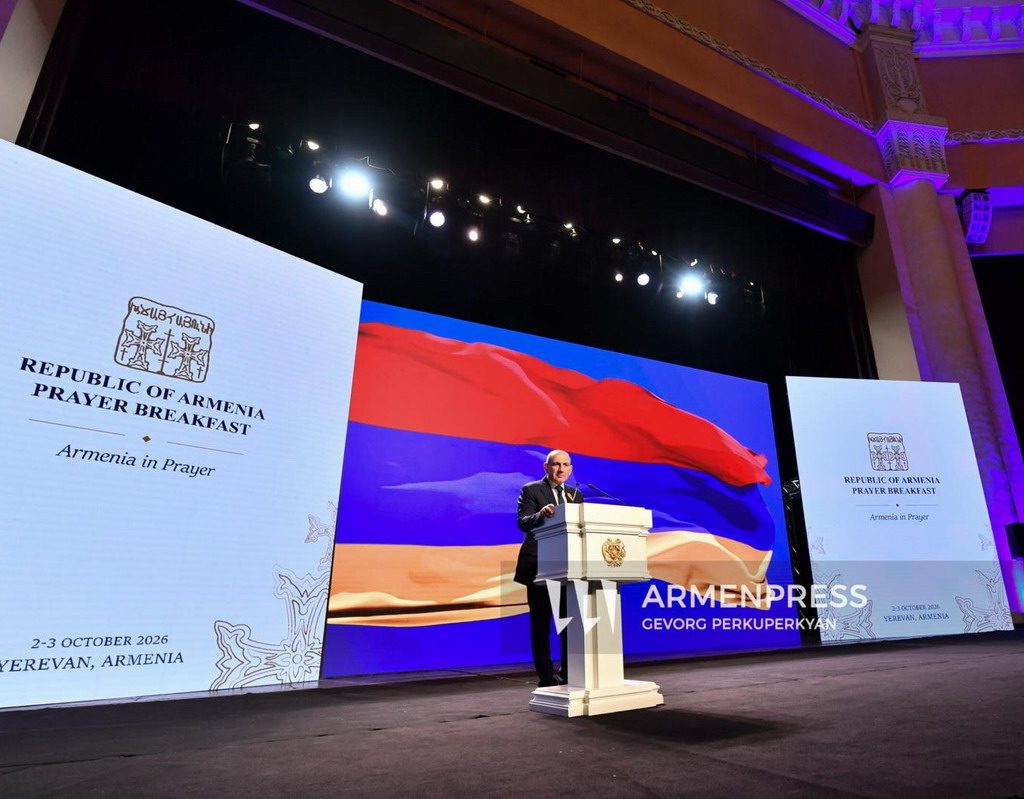
Prayer Breakfast 2026: Nikol Pashinyan affirms that present-day Armenia is the expression of the country's Christian essence
Soy Armenio / Oct 3

Nikol Pashinyan says Armenian Apostolic Church is "captured" and demands legislative reforms to remove Karekin II
Soy Armenio / Oct 1