Showing in English.
5 full-article translations/day — headlines & summaries always free. Create free account for 25/day
Funeral - according to the list?
Похороны - по списку?
The death of a loved one is one of those times when a family usually doesn't have time to count their money.
Смерть близкого человека — тот случай, когда у семьи обычно нет времени считать деньги.
They have to do what seemed impossible yesterday: organize the funeral, find transportation, pay for necessary services, buy a coffin, clothes, and a wreath.
Нужно сделать то, что ещё вчера казалось невозможным: организовать похороны, найти транспорт, оплатить необходимые услуги, купить гроб, одежду, венок.
And then comes the time to count.
А затем приходит время считать.
FROM JANUARY 1, 2027, THE ORDER...
С 1 ЯНВАРЯ 2027 ГОДА ПОРЯДОК ...
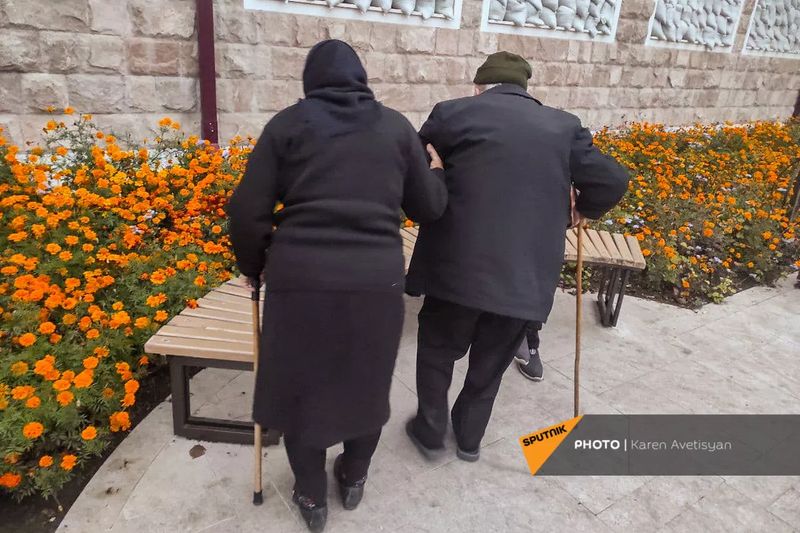
The death of a loved one is a time when families usually don't have time to count their money. They have to do things that seemed impossible just yesterday: organize the funeral, find transportation, pay for the necessary services, buy a coffin, clothes, and a wreath. And then comes the time to count.
Смерть близкого человека — тот случай, когда у семьи обычно нет времени считать деньги. Нужно сделать то, что ещё вчера казалось невозможным: организовать похороны, найти транспорт, оплатить необходимые услуги, купить гроб, одежду, венок. А затем приходит время считать.
STARTING JANUARY 1, 2027, THE PROCEDURE FOR PROVIDING FUNERAL BENEFITS IN ARMENIA IS PLANNED TO CHANGES. This was announced by Minister of Labor and Welfare Arsen Torosyan at a briefing on October 1 of this year.
С 1 ЯНВАРЯ 2027 ГОДА ПОРЯДОК ПРЕДОСТАВЛЕНИЯ ПОСОБИЯ НА ПОГРЕБЕНИЕ В АРМЕНИИ ПЛАНИРУЕТСЯ ИЗМЕНИТЬ. Об этом на брифинге 1 октября текущего года сообщил министр труда и благополучия Арсен Торосян.
Currently, the benefit is 200,000 drams. The law provides for its provision in certain cases, particularly upon the death of a pensioner. Other types of one-time assistance are also provided for certain socially vulnerable groups. According to the minister, going forward, the funeral benefit is expected to be retained primarily for citizens covered by the social security system. The freed-up funds are planned to be used for other social expenditures, including increasing pensions.
Сегодня размер пособия составляет 200 тысяч драмов. Закон предусматривает его предоставление в установленных случаях, в частности при смерти пенсионера. Для отдельных социально уязвимых категорий предусмотрены также другие виды единовременной помощи. По словам министра, в дальнейшем пособие на погребение предполагается сохранить прежде всего для граждан, относящихся к системе социальной поддержки. Высвободившиеся средства планируется направить на другие социальные расходы, в том числе на повышение пенсий.
The logic is clear: if state aid is intended for those who need it most, why not make this payment targeted as well? But this is where the question arises. What happens to a family that isn't formally considered indigent, but one day is faced with expenses they simply didn't have in their budget?
Логика понятна: если государственная помощь предназначена тем, кто нуждается в ней больше всего, почему бы не сделать адресной и эту выплату? Но именно здесь возникает вопрос. Что происходит с семьёй, которая формально не считается необеспеченной, но в один день сталкивается с расходами, которых в её семейном бюджете просто не было?
A burial plot at a municipal cemetery is provided free of charge. But that's just the beginning of the costs, as the burial arrangements are paid for separately.
Место для захоронения на муниципальном кладбище предоставляется бесплатно. Но это только начало расходов, поскольку работы по организации захоронения оплачиваются отдельно.
Even basic services—digging a grave, burial services, a tent—can cost tens of thousands of drams. Then come the expenses, which can't be reduced to a single official rate: a coffin, transportation, body preparation, morgue storage, clothing, and a wreath. Even a wreath in Yerevan can cost as little as 10,000 drams—and that's just one small item on a long list of expenses.
ДАЖЕ БАЗОВЫЕ УСЛУГИ — РЫТЬЁ МОГИЛЫ, РАБОТЫ ПО ЗАХОРОНЕНИЮ, ПАЛАТКА — уже составляют десятки тысяч драмов. Дальше начинаются расходы, которые невозможно свести к одному официальному тарифу: гроб, транспорт, подготовка тела, хранение в морге, одежда, венок. Даже венок в Ереване можно найти от 10 тысяч драмов — и это лишь одна небольшая строка в длинном списке расходов.
According to a study of the funeral services market published yesterday, the most modest traditional funeral in Armenia in 2026 is estimated to cost approximately 850,000 to 1.5 million drams, including the memorial service. The meal itself for approximately 50 people, according to the calculations provided, could cost around 350,000 to 500,000 drams. If the meal is excluded, the cost would, of course, be lower. But even then, a funeral doesn't amount to an expense of several tens of thousands of drams.
По данным опубликованного накануне исследования рынка ритуальных услуг, самые скромные традиционные похороны в Армении в 2026 году оцениваются примерно в 850 тысяч — 1,5 млн драмов, если включать поминальный стол. Само застолье для примерно 50 человек, по приведённым расчётам, может стоить около 350–500 тысяч драмов. Если застолье исключить, сумма, конечно, будет ниже. Но даже тогда похороны — это не расход в несколько десятков тысяч драмов.
And here comes a figure that's easily lost in the words "targeted social assistance." 200,000 drams is the benefit amount. Hundreds of thousands are the family's actual expenses.
И здесь появляется цифра, которую легко потерять за словами «адресная социальная помощь». 200 тысяч драмов — размер пособия. Сотни тысяч — реальные расходы семьи.
Let's imagine two families. The first is consistently classified as socially vulnerable. It is included in the social support system and, in the event of the death of a loved one, can count on state assistance. The second is not formally classified as socially vulnerable. It has an income, a job, housing, and normal monthly expenses. But a few hundred thousand drams to spare for an unexpected event may not be available either. For the social system, these are two different families. For life, not necessarily. This is where the targeted principle collides with human reality.
Представим две семьи. первая постоянно относится к категории социально необеспеченных. Она находится в системе социальной поддержки и в случае смерти близкого может рассчитывать на предусмотренную государством помощь. Вторая формально не относится к этой категории. У неё есть доход, работа, жильё, обычные ежемесячные расходы. Но свободных нескольких сотен тысяч драмов на внезапное событие тоже может не быть. Для социальной системы это две разные семьи. Для жизни — не обязательно. Именно здесь адресный принцип сталкивается с человеческой реальностью.
INSURE CAN BE MEASURED BY INCOME, FAMILY COMPOSITION, PROPERTY, AND OTHER INDIVIDUALS. But how can we measure a family's ability to pay tomorrow for something that wasn't budgeted for yesterday? This isn't about targeted assistance being a flawed principle. The state has the right to direct limited resources where they're most needed. But the question is: should the social protection system have a separate mechanism for emergency situations? A family may not be permanently poor, but they may find themselves without money at a particular moment. And this applies not only to funerals. Illness, fire, job loss, the need to urgently pay for medical treatment or rebuild housing after an emergency—life sometimes presents a bill before the state can change the family's status.
НЕОБЕСПЕЧЕННОСТЬ МОЖНО ИЗМЕРИТЬ: ДОХОДАМИ, СОСТАВОМ СЕМЬИ, имуществом, другими показателями. Но как измерить способность семьи завтра оплатить то, чего ещё вчера не предусматривалось в её бюджете? Здесь речь не о том, что адресная помощь — неправильный принцип. Государство вправе направлять ограниченные ресурсы туда, где они нужнее. Но вопрос в другом: должна ли система социальной защиты иметь отдельный механизм для чрезвычайных обстоятельств? Семья может не быть бедной постоянно — и оказаться без денег в конкретный момент. И это касается не только похорон. Болезнь, пожар, потеря работы, необходимость срочно оплатить лечение или восстановить жильё после чрезвычайной ситуации — жизнь иногда предъявляет счёт раньше, чем государство успевает изменить статус семьи.
Changing the funeral benefit is part of a broader redistribution of resources within social policy. Ongoing support for pensioners is a regular and predictable expense item. A funeral benefit is a one-time payment that only occurs in the event of death. For the state, these are different budget categories. For a family that has lost a loved one, this can mean the difference between being able to cover expenses themselves and having to borrow money.
Изменение пособия на погребение — часть более широкого перераспределения средств внутри социальной политики. Постоянная поддержка пенсионера — регулярная и предсказуемая статья расходов. Пособие на погребение — разовая выплата, которая возникает только в случае смерти. Для государства это разные бюджетные категории. Для семьи, потерявшей близкого человека, это может быть разница между возможностью справиться с расходами самостоятельно и необходимостью занимать деньги.
And so, after the minister's briefing, a question remains that goes beyond the benefit itself: if social policy becomes increasingly targeted, will it be able to take into account not only what a family was like yesterday, but also what has happened to them today?
И потому после брифинга министра остаётся вопрос, который шире вопроса пособия: если социальная политика становится всё более адресной, сможет ли она учитывать не только то, какой семья была вчера, но и то, что с ней произошло сегодня?
Because there are expenses that cannot be planned for. And there are situations when a family first realizes how vulnerable they are, precisely when help is most needed.
Потому что есть расходы, которые невозможно запланировать. И есть ситуации, когда семья впервые понимает, насколько она уязвима, причем именно тогда, когда помощь особенно нужна.
Marta Hakhnazaryan, "Voice of Armenia"
Марта Ахназарян, «Голос Армении»
Comments
No comments yet — be the first to comment.
More from Yerkramas
We met and then we didn't meet
Yerkramas / 38 minutes ago

Nikol Pashinyan, the former president of Uruguay, and Yerevan's ugly apartments
Yerkramas / 1 hour ago

The Lost Capital of the King of Arame: A Giant Fortress Discovered Near Mush in Western Armenia
Yerkramas / 5 hours ago

The Lost Capital of the King of Arame - A Giant Fortress Discovered Near Mush in Western Armenia
Yerkramas / 5 hours ago
Related coverage
No related coverage from other sources yet.