Showing in English.
3 full-article translations/day — headlines & summaries always free. Create free account for 25/day
WHEN THE STATE IS SILENT, THE NOISE RULES
ԵՐԲ ՊԵՏՈՒԹԻՒՆԸ ԼՌՈՒՄ Է, ԱՂՄՈՒԿՆ Է ԿԱՌԱՎԱՐՈՒՄ
Today, in all its manifestations and forms, we are the most noisy.
Այսօր մեզանում իր բոլոր դրսեւորումներով ու ձեւերով ամենաշատը աղմուկն է: Խորհրդարանից սկսած բոլորն աղմկում են, փոխանակ իրենց գործն անելու: Բնականաբար, ստիպուած եմ խօսելու պատասխանատուութեան, աղմուկի […]
Since the council, everyone has been screaming instead of doing their work.
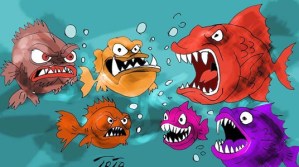
Today, in all its manifestations and forms, the most common thing in our country is noise. Starting from the parliament, everyone is making noise instead of doing their job. Naturally, I am forced to talk about responsibility, noise and national memory. German psychoanalyst and philosopher Erich Fromm recorded a very inconvenient truth: it is much easier to provoke a person with anger, hatred and images of destruction than to force him to think, create, limit himself and take responsibility. And it does not take much effort to get angry. To hate the same, to destroy - even more. The difficult thing is to create. To preserve - even more difficult. And building a state, it turns out, is a completely different and difficult profession.
Այսօր մեզանում իր բոլոր դրսեւորումներով ու ձեւերով ամենաշատը աղմուկն է: Խորհրդարանից սկսած բոլորն աղմկում են, փոխանակ իրենց գործն անելու: Բնականաբար, ստիպուած եմ խօսելու պատասխանատուութեան, աղմուկի եւ ազգային յիշողութեան մասին: Գերմանացի հոգեւերլուծաբան- փիլիսոփայ էրիխ Ֆրոմը մի շատ անյարմար ճշմարտութիւն է արձանագրել. մարդուն շատ աւելի հեշտ է գրգռել զայրոյթով, ատելութեամբ ու կործանման պատկերներով, քան ստիպել նրան մտածել, ստեղծել, ինքն իրեն սահմանափակել եւ պատասխանատուութիւն ստանձնել: Իսկ զայրանալու համար մեծ ջանք պէտք չէ: Ատելու համար նոյնպէս, քանդելու համար` առաւել եւս: Դժուարը ստեղծելն է: Պահպանելը` աւելի դժուար: Իսկ պետութիւն կառուցելը, պարզւում է, ընդհանրապէս ուրիշ ու դժուարագոյն մասնագիտութիւն է:
In recent years, a strange social technology seems to have formed in our country. If you have a real problem, instead of thinking about it for a long time, create a louder noise. If there is an economic issue, organize an event. If there is social discontent, find a new topic. If there is nothing to talk about the future, talk about the future so loudly that the problems of the present cannot be heard. And thus, the agenda replaces governance. And thus, the festival gradually becomes economic policy.
Մեզանում վերջին տարիներին կարծես ձեւաւորուել է մի տարօրինակ հասարակական տեխնոլոգիա. եթէ իրական խնդիր ունես, դրա մասին երկար մտածելու փոխարէն ստեղծիր աւելի բարձր աղմուկ: Եթէ տնտեսական հարց կայ` միջոցառում կազմակերպիր: Եթէ սոցիալական դժգոհութիւն կայ` գտիր նոր թեմա: Եթէ ապագայի մասին խօսելու բան չկայ` խօսիր ապագայի մասին այնքան բարձր, որ ներկայի խնդիրները չլսուեն: Եւ այսպէս` օրակարգը փոխարինում է կառավարմանը: Ու այդպէս փառատօնն աստիճանաբար դառնում է տնտեսական քաղաքականութիւն:
One of the main duties of the state is not to constantly entertain citizens, but to provide them with the most predictable conditions for tomorrow. Not only the crisis is especially dangerous in the economy, but also the situation when society does not know what awaits it tomorrow. Thus, the law on the state budget for 2026 envisages a state budget deficit of about 536.8 billion drams. This in itself is neither evidence of economic disaster nor of success: the deficit can be an instrument of state financial policy. But such volumes require calculation, control and public explanation.
Պետութեան գըլխաւոր պարտականութիւններից մէկը ոչ թէ քաղաքացիներին անընդհատ զուարճացնելն է, այլ նրանց վաղուայ օրուայ նկատմամբ հնարաւորինս կանխատեսելի պայմաններ ապահովելը: Տնտեսութեան մէջ յատկապէս վտանգաւոր է ոչ միայն ճգնաժամը, այլեւ այն իրավիճակը, երբ հասարակութիւնը չգիտի` ինչ է սպասւում իրեն վաղը: Այսպէս, 2026 թուականի պետական պիւտճէի մասին օրէնքով պետական պիւտճէի պակասուրդը նախատեսուած է շուրջ 536.8 միլիառ դրամի չափով: Սա ինքնին ոչ տնտեսական աղէտի ապացոյց է, ոչ էլ յաջողութեան. պակասուրդը կարող է լինել պետական ֆինանսական քաղաքականութեան գործիք: Բայց այդպիսի ծաւալները պահանջում են հաշուարկ, վերահսկողութիւն եւ հանրային բացատրութիւն:
The same is true of energy security. A conversation about a possible change in the price of gas in Armenia is never simply a conversation about gas. It immediately becomes a question of bread, heating, production, services and the family budget. But here too, it is necessary to distinguish fact from rumor, and risk from an event that has already occurred. In July 2026, it was officially announced that the tariffs for natural gas sold to consumers remained unchanged. Therefore, the citizen should neither be falsely reassured nor panicked beforehand. It must be said that this much is known, this much is possible, and in such a scenario, the state plans to do something called management. The rest is informational noise. And here a simple question arises: if the state has a risk management system, why does the citizen learn about that system only when the problem has already reached his pocket?
Նոյնը` էներգետիկ անվտանգութեան դէպքում: Գազի գնի հնարաւոր փոփոխութեան մասին խօսակցութիւնը Հայաստանում երբեք պարզապէս գազի մասին խօսակցութիւն չէ: Այն անմիջապէս դառնում է հացի, ջեռուցման, արտադրութեան, ծառայութիւնների եւ ընտանեկան պիւտճէի հարց: Բայց այստեղ եւս պէտք է տարբերել փաստը լուրից, իսկ ռիսկը` արդէն տեղի ունեցած իրադարձութիւնից: 2026 թուականի Յուլիսին պաշտօնապէս յայտարարուել է, որ սպառողներին վաճառուող բնական գազի սակագները մնացել են անփոփոխ: Ուրեմն քաղաքացուն պէտք չէ ո՛չ կեղծ հանգստացնել, ո՛չ էլ նախապէս խուճապի մատնել: Պէտք է ասել` այսքանն է յայտնի, այսքանն է հնարաւոր, իսկ այսպիսի սցենարի դէպքում պետութիւնը նախատեսում է անել մի բան, որը կոչւում է կառավարում: Մնացածը` տեղեկատուական աղմուկ է: Եւ այստեղ մի պարզ հարց է առաջանում. եթէ պետութիւնն ունի ռիսկերի կառավարման համակարգ, ինչու՞ քաղաքացին այդ համակարգի մասին իմանում է միայն այն ժամանակ, երբ խնդիրն արդէն հասել է իր գրպանին:
It is necessary to clarify whether we are a social or a numerical state. Because it is very easy to turn social policy into a game of numbers.
Հարկաւոր է յստակեցնել` մենք սոցիալակա՞ն, թէ՞ թուաբանական պետութիւն ենք: Քանզի սոցիալական քաղաքականութիւնը շատ հեշտ է վերածել թուերի խաղի:
But behind those numbers there is a person. There is a pensioner. There is a family, a child, a sick person, a parent of a soldier. A person is not a line in the state budget. Therefore, when talking about social policy, one should not only calculate, but also think about what kind of dignity that policy provides to a person.
Բայց այդ թուերի հետեւում մարդ կայ: Թոշակառու կայ: Ընտանիք, երեխայ, հիւանդ մարդ, զինուորի ծնող կայ: Մարդը պետական պիւտճէի տող չէ: Հետեւաբար սոցիալական քաղաքականութեան մասին խօսելիս պէտք է ոչ միայն հաշուել, այլեւ մտածել` ինչպիսի արժանապատուութիւն է ապահովում այդ քաղաքականութիւնը մարդուն:
Recently, in the context of changes in social payments, the issue of the funeral allowance was also discussed in particular. According to the relevant regulation of 2026, it was set at 200 thousand drams. Here one can argue for a long time about the effectiveness of the figure or budgetary expediency. But there is a simpler question. Does the state measure its relations with a citizen only at the moment when he is a producer, taxpayer or employee, or does a person have value for the state even in the most vulnerable moments of life. Otherwise, we can reach a wonderful “economic” formula: live so that you cost the budget little, work so that you pay a lot of taxes, and when you die, work so that you are not an expense for your family again. Here is our local version of the social state. Only this is not social policy. This is accounting without a person.
Վերջերս սոցիալական վճարների փոփոխութիւնների համատեքստում յատկապէս քննարկուեց նաեւ թաղման նպաստի հարցը: 2026 թուականի համապատասխան կարգաւորմամբ այն սահմանուել է 200 հազար դրամ: Այստեղ կարելի է երկար վիճել թուի արդիւնաւէտութեան կամ պիւտճետային նպատակայարմարութեան մասին: Բայց կայ մէկ աւելի պարզ հարց: Պետութիւնը քաղաքացու հետ իր յարաբերութիւնները չափում է միայն այն պահի՞ն, երբ նա արտադրող, հարկատու կամ աշխատող է, թէ՞ մարդը պետութեան համար արժէք ունի նաեւ կեանքի ամենախոցելի պահերին: Հակառակ դէպքում կարող ենք հասնել մի հրաշալի «տնտեսագիտական» բանաձեւի. ապրիր այնպէս, որ պիւտճէին քիչ արժենաս, աշխատիր այնպէս, որ հարկ շատ վճարես, իսկ մահանալիս աշխատիր ընտանիքիդ համար եւս մէկ անգամ ծախս չլինել: Ահա եւ սոցիալական պետութեան մեր տեղական տարբերակը: Միայն թէ դա սոցիալական քաղաքականութիւն չէ: Դա հաշուապահութիւն է` առանց մարդու:
And we need not new noise, but new responsibility. Many things can be demanded from the government, but the most important demand is one - to predict. The state should see not only what has already happened, but also what can happen. If there is a risk of gas price increases, present the scenarios. If there is budgetary pressure, explain the priorities. If there is a change in social spending, say who will gain, who will lose and why.
Իսկ մեզ պէտք է ոչ թէ նոր աղմուկ, այլ նոր պատասխանատուութիւն: Իշխանութիւնից կարելի է պահանջել շատ բան, բայց ամենակարեւոր պահանջը մէկն է` կանխատեսել: Պետութիւնը պէտք է տեսնի ոչ միայն այն, ինչ արդէն տեղի է ունեցել, այլեւ այն, ինչ կարող է տեղի ունենալ: Եթէ գազի թանկանալու ռիսկ կայ` ներկայացրու սցենարները: Եթէ բիւջետային ճնշում կայ` բացատրիր առաջնահերթութիւնները: Եթէ սոցիալական ծախսերի փոփոխութիւն կայ` ասա` ով է շահելու, ով է կորցնելու եւ ինչու:
If there is a problem in the field of education, healthcare or defense, do not replace accountability with solemn speeches. A citizen does not demand fireworks from the state. He wants to know what will happen to his house, work, child and country tomorrow. And this is not an excessive demand.
Եթէ կրթութեան, առողջապահութեան կամ պաշտպանութեան ոլորտում խնդիր կայ` մի փոխարինիր հաշուետուողականութիւնը հանդիսաւոր ելոյթներով: Քաղաքացին պետութիւնից հրավառութիւն չի պահանջում: Նա ուզում է իմանալ` վաղը ինչ է լինելու իր տան, աշխատանքի, երեխայի եւ երկրի հետ: Եւ սա չափազանց մեծ պահանջ չէ:
We must always remember that the state begins with history. But talking about the state without history is the same as building a house without a foundation. Movses Khorenatsi begins Armenian history not with the history of national inferiority, but with Hayk, a symbol of independence and independent existence. And Khorenatsi’s “Lament” can also be read as a political warning about the consequences of the loss of statehood. For him, history is not simply a description of the past. It is a memory of what happens to a people when statehood, unity, and the ability to manage their own destiny are disrupted.
Պէտք է միշտ յիշենք, որ պետութիւնը սկսւում է պատմութիւնից: Բայց պետութեան մասին խօսելն առանց պատմութեան` նոյնն է, ինչ տուն կառուցել` մոռանալով հիմքի մասին: Մովսէս Խորենացին Հայոց պատմութիւնը սկսում է ոչ թէ ազգային թերարժէքութեան պատմութեամբ, այլ Հայկով` անկախութեան եւ ինքնուրոյն գոյութեան խորհրդանիշով: Իսկ Խորենացու«Ողբը» կարելի է կարդալ նաեւ որպէս պետականութեան կորստի հետեւանքների մասին քաղաքական զգուշացում: Նրա համար պատմութիւնը պարզապէս անցեալի նկարագրութիւն չէ. այլ յիշողութիւն է այն մասին, թէ ինչ է լինում ժողովրդի հետ, երբ խաթարւում են պետականութիւնը, միասնականութիւնը եւ սեփական ճակատագիրը տնօրինելու կարողութիւնը:
The Armenian people have a long history of creating and restoring statehood: from the Yervantuns and Artashesians to the Arshakunis, Bagratunis, Cilicia, the First Republic, and the modern Republic of Armenia. These periods are not identical. Each of them has its own political, territorial, and legal peculiarities. But deep down, there is one thing in common: the desire to self-organize and control one’s own political destiny. The referendum of September 21, 1991 was the modern stage in that historical chain. Therefore, independence cannot be understood only as a festive date.
Հայ ժողովուրդը պետականութիւն ստեղծելու եւ վերականգնելու երկար պատմութիւն ունի` Երուանդունիներից եւ Արտաշէսեաններից մինչեւ Արշակունիներ, Բագրատունիներ, Կիլիկիա, Առաջին Հանրապետութիւն եւ ժամանակակից Հայաստանի Հանրապետութիւն: Այս ժամանակաշրջանները նոյնական չեն: Դրանցից իւրաքանչիւրն ունի իր քաղաքական, տարածքային եւ իրաւական առանձնայատկութիւնները: Բայց բոլորի խորքում կայ մէկ ընդհանրութիւն` ինքնակազմակերպուելու եւ սեփական քաղաքական ճակատագիրը տնօրինելու ձգտումը: 1991 թուականի Սեպտեմբերի 21-ի հանրաքուէն այդ պատմական շղթայի ժամանակակից հանգրուանն էր: Ուստի անկախութիւնը չի կարելի հասկանալ միայն որպէս տօնական ամսաթիւ:
Independence is everyday work and everyday responsibility.
Անկախութիւնը ամէնօրեայ աշխատանք է եւ ամենօրեայ պատասխանատուութիւն:
Often, museums are filled, but history is emptied. Historical memory is also not preserved only by speeches. If we take out from the museums of the world all those cultural values, the history of which is connected with other peoples and countries, we will see significantly more empty space in the exhibition halls of many famous collections of the world. This applies to Greece, Egypt, Iraq, Iran, Armenia and many other peoples. But there is a more dangerous phenomenon. When history turns into a primitive competition for ownership, science recedes, and propaganda becomes the main “historian.” One people says, “This is ours.” Another replies, “No, it is ours.” The third begins to change the names. The fourth destroys what it cannot appropriate. And the historian sits in the archive and continues to search for the document. That is why the defense of our historical rights should be based not on the one who shouts the loudest, but on the one who is best argued. The archive sometimes speaks louder than the square.
Յաճախ թանգարանները լցւում են, պատմութիւնը` դատարկւում: Պատմական յիշողութիւնը եւս չի պահպանւում միայն ճառերով: Եթէ աշխարհի թանգարաններից դուրս բերենք բոլոր այն մշակութային արժէքները, որոնց ծագման պատմութիւնը կապուած է այլ ժողովուրդների ու երկրների հետ, աշխարհի բազմաթիւ յայտնի հաւաքածուների ցուցասրահներում զգալիօրէն աւելի շատ դատարկ տարածք կը տեսնենք: Սա վերաբերում է Յունաստանին, Եգիպտոսին, Իրաքին, Իրանին, Հայաստանին եւ բազմաթիւ այլ ժողովուրդների: Բայց կայ աւելի վտանգաւոր երեւոյթ: Երբ պատմութիւնը վերածւում է սեփականութեան պարզունակ մրցոյթի, գիտութիւնը նահանջում է, իսկ քարոզչութիւնը դառնում է գլխաւոր «պատմաբանը»: Մի ժողովուրդ ասում է` սա մերն է: Միւսը պատասխանում է` ոչ, մերն է: Երրորդը սկսում է փոխել անուանումները: Չորրորդը ոչնչացնում է այն, ինչը չի կարողանում իւրացնել: Իսկ պատմաբանը նստում է արխիւում եւ շարունակում փնտռել փաստաթուղթը: Հենց այդ պատճառով մեր պատմական իրաւունքների պաշտպանութիւնը պէտք է հիմնուած լինի ոչ թէ ամենաբարձր գոռացողի, այլ ամենալաւ փաստարկուածի վրայ: Արխիւը երբեմն աւելի բարձր է խօսում, քան հրապարակը:
It is a well-known truth: the state begins with the family. This may sound too simple, but it is one of the most difficult truths. We tell children: be honest, work, respect others, love the homeland, be responsible. But the child hears not so much our words as he sees and imitates our behavior. He sees how we treat our parents, how we talk to someone weaker than us, how we react to failure, how we work, how we treat the state, and how we fulfill our duty. Naturally, the son will sooner or later follow the father's example, not his advice.
Յայտնի ճշմարտութիւն է. պետութիւնը սկսւում է ընտանիքից: Սա կարող է հնչել չափազանց պարզ, բայց ամենադժուար ճշմարտութիւններից մէկն է: Մենք երեխաներին ասում ենք` ազնիւ եղիր, աշխատիր, յարգիր ուրիշին, սիրիր հայրենիքը, պատասխանատու եղիր: Բայց երեխան լսում է ոչ այնքան մեր խօսքերը, որքան տեսնում եւ ընդօրինակում է մեր վարքը: Նա տեսնում է` ինչպէս ենք մենք վերաբերւում ծնողներին, ինչպէս ենք խօսում մեզնից թոյլ մարդու հետ, ինչպէս ենք արձագանգում անյաջողութեանը, ինչպէս ենք աշխատում, ինչպէս ենք վերաբերւում պետութեանը եւ ինչպէս ենք կատարում մեր պարտականութիւնը: Բնականաբար էլ` որդին վաղ թէ ուշ հետեւելու է հօր օրինակին, ոչ թէ նրա խորհուրդներին:
This is also about the state. Because society also learns not only from laws, but also from examples. If responsibility at the top is replaced by excuses, below it becomes a habit. If accountability at the top is replaced by show, below the citizen also learns that everything can be solved with noise. If history is used only on solemn occasions at the top, below it becomes an ornament of memory. And the most dangerous thing in all of this is indifference. Perhaps what we lack today is not another political statement, but a culture of responsibility. It is easy to get angry. It is easy to find fault. It is easy to mock. It is not difficult at all to destroy. But building requires knowledge. Preservation requires will. Building a state requires generations of work. And here lies the cruelest truth of Fromm's thought: destruction often requires little from a person, while creativity requires almost everything: discipline, patience, self-criticism, knowledge and responsibility.
Սա նաեւ պետութեան մասին է: Որովհետեւ հասարակութիւնը նոյնպէս սովորում է ոչ միայն օրէնքներից, այլեւ օրինակներից: Եթէ վերեւում պատասխանատուութիւնը, այն փոխարինւում է արդարացումներով, ներքեւում այն դառնում է սովորութիւն: Եթէ վերեւում հաշուետուողականութիւնը փոխարինւում է շոուով, ներքեւում քաղաքացին նոյնպէս սովորում է, որ ամէն ինչ կարելի է լուծել աղմուկով: Եթէ վերեւում պատմութիւնը օգտագործւում է միայն հանդիսաւոր առիթներով, ներքեւում այն դառնում է յիշողութեան զարդարանք: Եւ այս ամէնում ամենավտանգաւորը` անտարբերութիւնն է: Մեզ այսօր գուցէ պակասում է ոչ թէ եւս մէկ քաղաքական յայտարարութիւն, այլ պատասխանատուութեան մշակոյթ: Զայրանալը հեշտ է: Մեղաւոր գտնելը` հեշտ: Ծաղրելը` հեշտ է: Քանդելը` ընդհանրապէս դժուար չէ: Բայց կառուցելը պահանջում է գիտելիք: Պահպանելը` կամք: Պետութիւն կառուցելը` սերունդների աշխատանք: Եւ հենց այստեղ է Ֆրոմի մտքի ամենադաժան ճշմարտութիւնը. կործանարարութիւնը յաճախ մարդուց քիչ բան է պահանջում, իսկ ստեղծարարութիւնը պահանջում է գրեթէ ամէն ինչ` կարգապահութիւն, համբերութիւն, ինքնաքննադատութիւն, գիտելիք եւ պատասխանատուութիւն:
We can live another day with noise. We can argue, accuse, mock, divide into “ours” and “yours” for another day, and then go home in peace, thinking that the political work is over. But that’s not how a state is built. That’s not how history is preserved. That’s not how a child is raised. That’s not how the future is created. And maybe it’s time to finally understand the simplest thing: to save the country, sometimes you need to not speak louder, but work more seriously. Not to organize more shows, but to take more responsibility. Not to find a new enemy every day, but to solve one real problem every day. Because sooner or later all the festivities end. The noise falls silent. The lights go out. And the state remains. What remains is history. What remains is the family. What remains is what we have actually done. And at that very moment, no amount of PR (propaganda) will help.
Մենք կարող ենք եւս մէկ օր ապրել աղմուկով: Կարող ենք եւս մէկ օր վիճել, մեղադրել, ծաղրել, բաժանուել «մերոնց» եւ«ձերոնց», իսկ յետոյ հանգիստ տուն գնալ` մտածելով, թէ քաղաքական գործն աւարտուած է: Բայց պետութիւնը այդպէս չի կառուցւում: Պատմութիւնն այդպէս չի պահպանւում: Երեխան այդպէս չի դաստիարակւում: Ապագան այդպէս չի ստեղծւում: Եւ գուցէ ժամանակն է վերջապէս հասկանալու ամենապարզ բանը. երկիրը փրկելու համար երբեմն պէտք է ոչ թէ աւելի բարձր խօսել, այլ աւելի լուրջ աշխատել: Ոչ թէ աւելի շատ շոու կազմակերպել, այլ աւելի շատ պատասխանատուութիւն ստանձնել: Ոչ թէ ամէն օր նոր թշնամի գտնել, այլ ամէն օր մէկ իրական խնդիր լուծել: Որովհետեւ վաղ թէ ուշ բոլոր փառատօններն աւարտւում են: Աղմուկը լռում է: Լոյսերը հանգչում են: Եւ մնում է պետութիւնը: Մնում է պատմութիւնը: Մնում է ընտանիքը: Մնում է այն, ինչ մենք իրականում արել ենք: Եւ հենց այդ պահին արդէն ոչ մի PR (քարոզչութիւն) չի օգնելու:
20.09.2026, Yerevan
20.09.2026, Երեւան
"Pajkar" weekly
«Պայքար» շաբաթաթերթ
Comments
No comments yet — be the first to comment.
More from Abaka
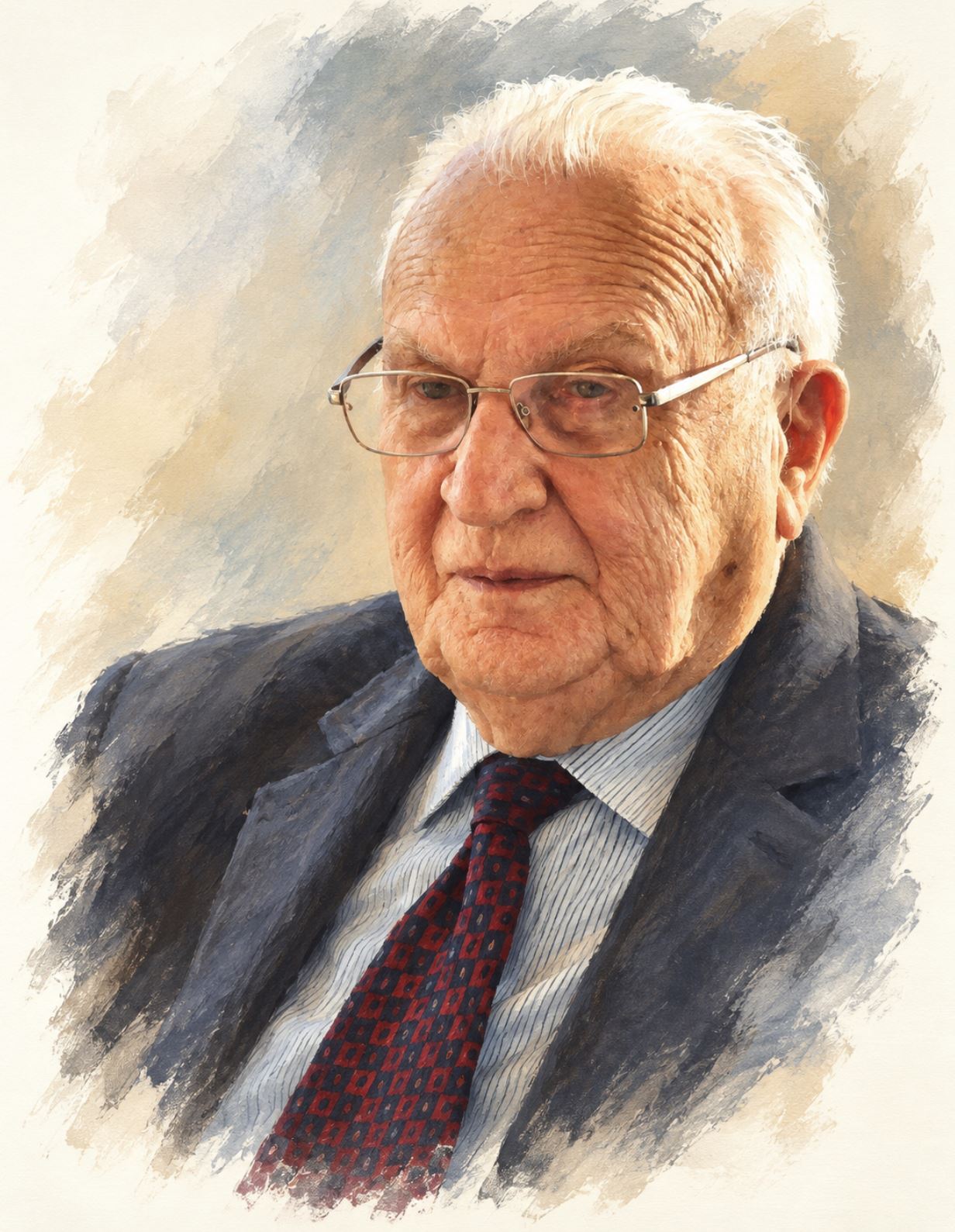
How I Didn't Miss It! The Literary Other Side of Yervant Azatyan
Abaka / Oct 5
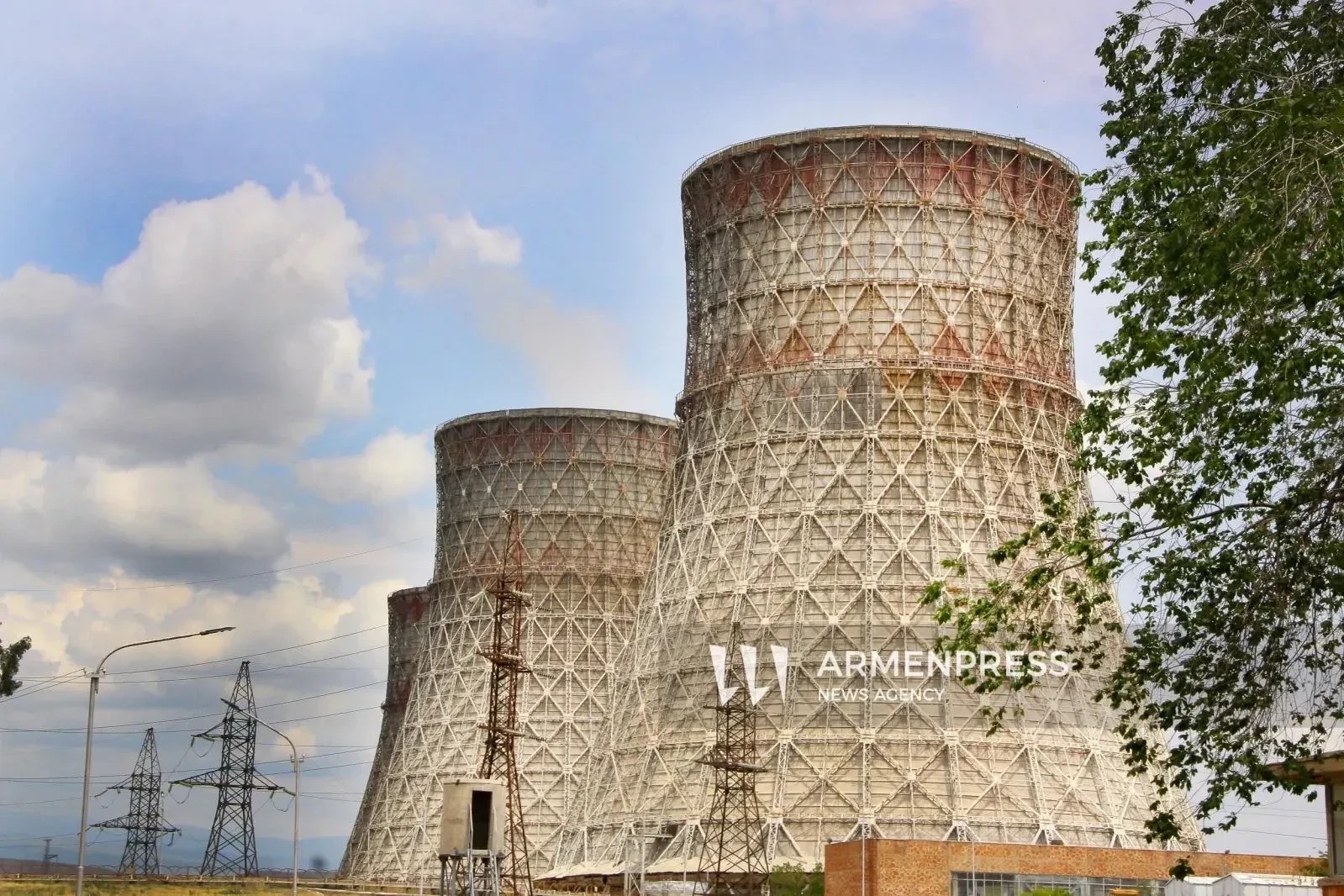
PM says scale of investments has changed Armenia’s electricity needs, modular nuclear plant may be insufficient
Abaka / Oct 2
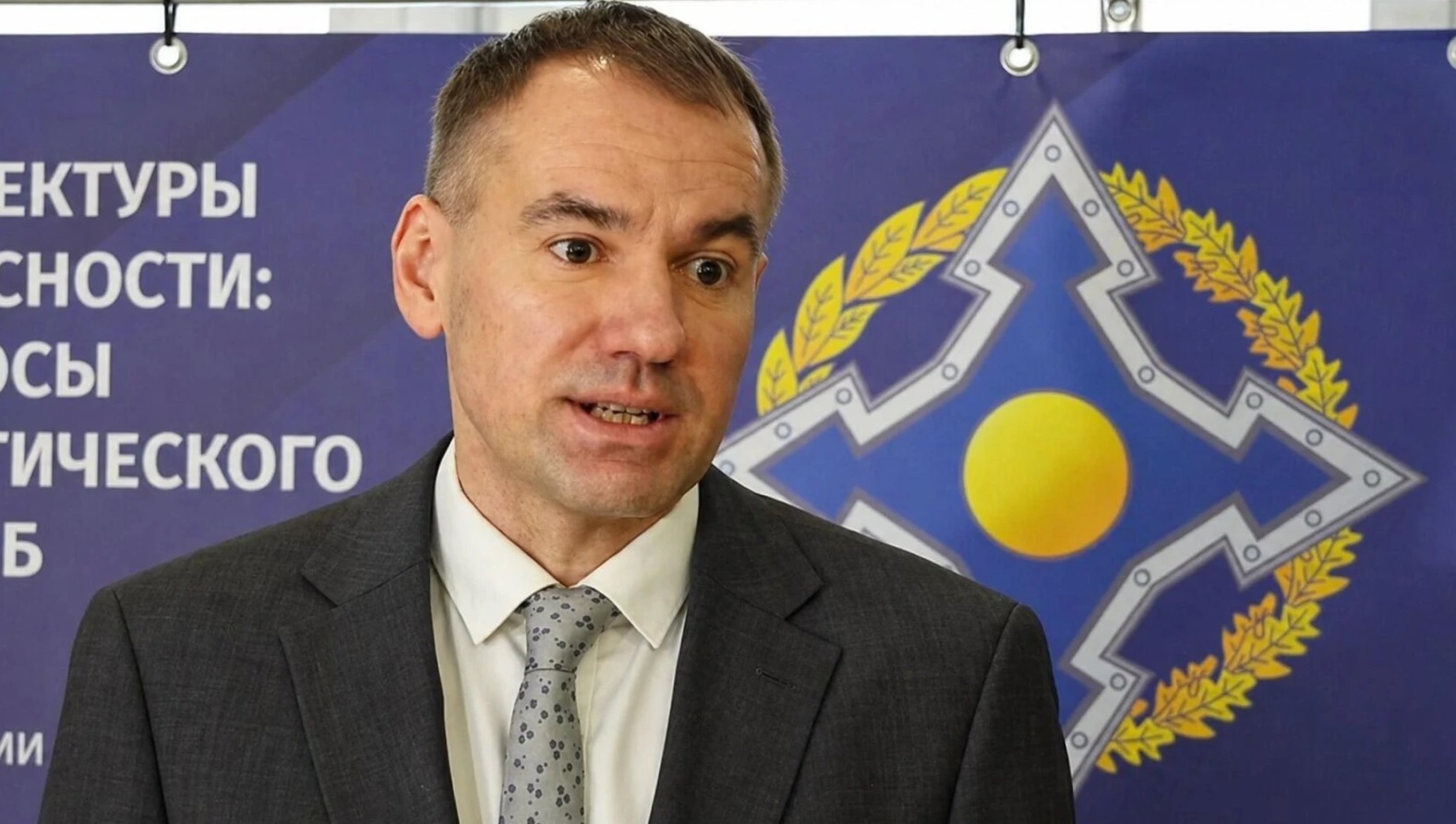
Russia Security Council: TRIPP project implementation may lead to emergence of US private military companies, intelligence infrastructure in Armenia
Abaka / Oct 2
Azerbaijani enters Shaki village of Armenia’s Syunik Province, shoots Armenian girl in the leg
Abaka / Oct 2
Related coverage

Editorial: Six years later, from memory to strategy
Horizon Weekly / Sep 29

It's Greece this year, shall we go?
Torontohye / Sep 15

WITH THE MASTER | The golden theater door opened with a single knock
Torontohye / Sep 14

MY PRISMAKS | A platform that unites nations, or a game that inflames conflicts?
Torontohye / Sep 1