Showing in English.
3 full-article translations/day — headlines & summaries always free. Create free account for 25/day
How I Didn't Miss It!
ս Չէի Նշմարած Երուանդ Ազատեանի Գրական Միւս կողմը
The Literary Other Side of Yervant Azatyan
Piled up books, articles, real, genuine literary gems… and I am buried in them, lost in the rich language, information, and enchanted by the magic of imagination.
Կուտակուած գիրքեր, յօդուածներ, իսկական,
And my eyes […]
ն գրական յակինթներ… եւ ես թաղուած անոնց մէջ, կորսուած՝ հարուստ լեզուի, տեղեկութիւններու մէջ ու կքած երեւակայութիւններու հմայքին տակ: Ու աչքերս կը […]
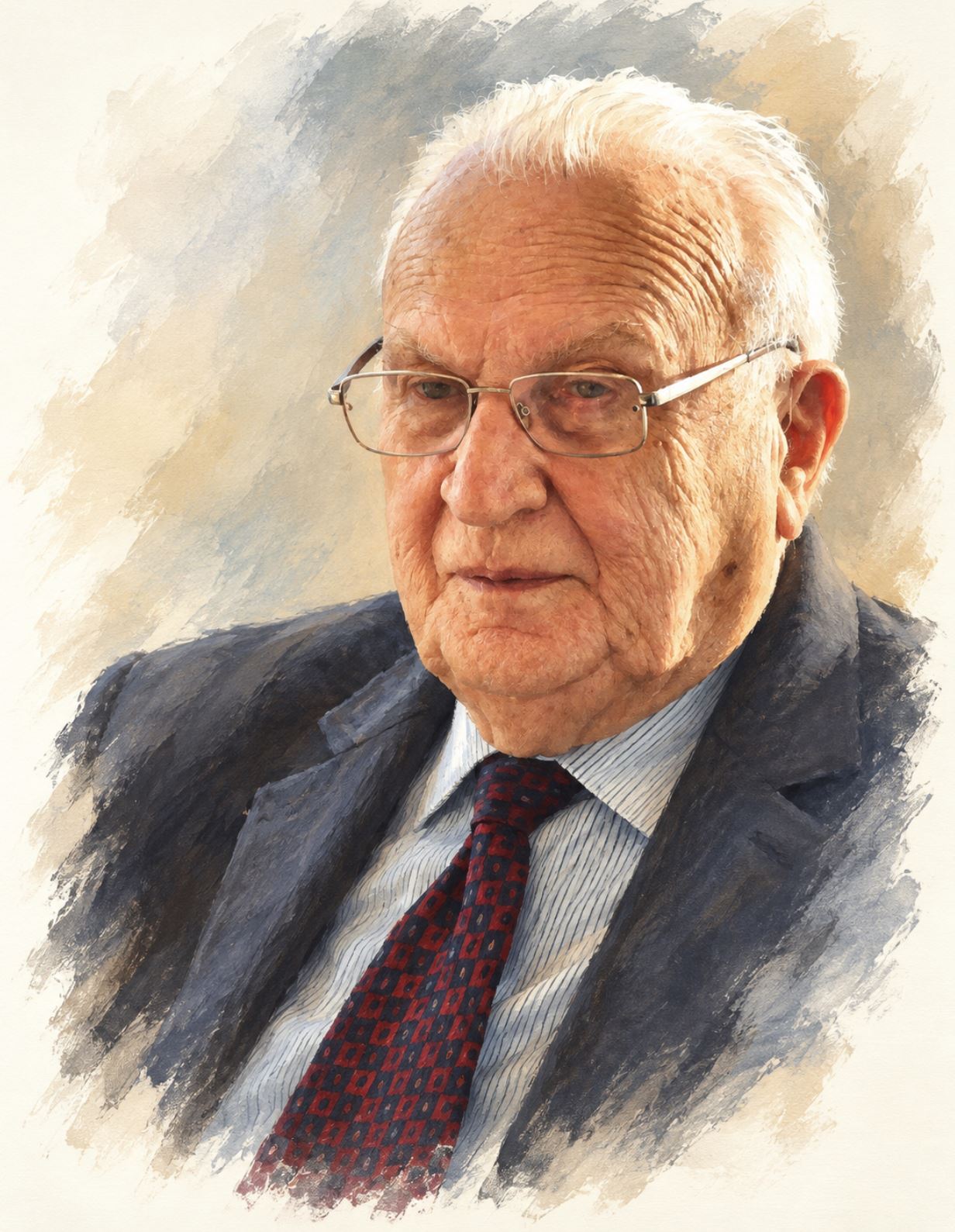
Accumulated books, articles, real, genuine literary gems… and I am buried in them, lost in rich language, information, and the charm of fleeting imaginations.
Կուտակուած գիրքեր, յօդուածներ, իսկական,
And I close my eyes for a moment.
ն գրական յակինթներ… եւ ես թաղուած անոնց մէջ, կորսուած՝ հարուստ լեզուի, տեղեկութիւններու մէջ ու կքած երեւակայութիւններու հմայքին տակ: Ու աչքերս կը գոցեմ պահ մը: Յանկարծ մեսրոպանման տեսիլք մը կ’երեւնայ: Ո’չ պղտոր.
Suddenly a vision like a mesro appears.
տ յստակ: Երուանդ Ազատեան, որ բոլորիս համար, անվիճելի գրագէտ ու պատմաբան, քաղաքական ու գրական վերլուծումներու փարոսն ու նաւահանգիստը՝ միաժամանակ: Եւ ես առաջին անգամ ըլլալով նշմարեցի ուրիշ Ազատեան մը: Ո’չ պղտոր, այլ յստակ՝ տեսայ Ազատեանը, մարդկայի’նը,
Not blurry.
ղծը, երազանքի տարազն ու զգացումներու առանձնայատուկ իր գիծերը՝ ազնուական, նուրբ ու յուզիչ, եթէ ոչ ցնցող: Ազատեանը, տրոփող սիրտը իր իւրայատուկ ոճով ու բառամթերքով: Եւ ես՝ իր քաղաքական կամ ազգային, կամ ժամանակակիցներու գրական վերլուծումներու մէջ ընկղմած … ինչպէս չէի կրցած նշմարել մինչեւ այսօր… միւս կողմը…: Փորձեմ…: Հայ Գեղարուեստասիրաց Միութեան ատենապետ եւ յետոյ պատուակալ նախագահ՝ Վահագն Տեփոյեան (1977-2000) հասարակական գործիչ, գաղափարական, գիտնական եւ գիտարար (ելեքտրական մարզական թուացուցակներու «Սքօր-պօրտ»ի հնարիչ) 2000-ին կը մահանայ: Երուանդ Ազատեան, անոր նուիրուած Յուշամատեանին մէջ ի միջի այլոց կը գրէ հետեւեալ նամակը ուղղուած անձամբ նոյնինքն հանգուցեալին: «Սիրելի Վահագն, Չեմ գիտեր այս նամակը ո՞ւր պիտի գտնէ քեզ, գուցէ եւ երբեք չգտնէ՝ քանի որ դուն մեկնեցար այս աշխարհէն, առանց հասցէ մը թողելու ետիդ, չնայեցար անգամ դէպի ետ, ուր արցունքոտ աչքեր եկած էին քեզ ճանապարհորդելու, յուղարկանելու դէպի վերջին կայանդ, դէպի մնայուն հասցէդ, ուր այսուհետեւ յաւիտեան պիտի բնակիս: Բայց ո՞ւր է այդ հասցէն, ո՞ւր է քու հետքդ, ինչո՞ւ այսպէս շփոթահար մեկնեցար ու բոլորս թողուցիր շուարումի մէջ, դուն որ գիտէիր Տիեզերքի բոլոր ճանապարհները, դուն որ տիրապետած էիր հոգիի եւ ոգիի բոլոր ուժերուն՝ վայե՞լ էր որ մեկնէիր այսպէս անճար եւ անուժ՝ առանց գիտնալու կամ յայտնելու այն վախճանակէտը, ուր որոշած էիր յանգիլ կամ հանգիլ, կամ ուր ճակատագիրը տնօրինած էր, որ վերջնականապէս հանգրուանէիր»: Եւ Ազատեան կը վերջացնէ իր նամակը՝ «Սիրելի Վահագն, եթէ իրաւ է որ դուն այսօր հրեղէն սայլով տիեզերական ճամբորդութեան մէջ պիտի ըլլայիր, եթէ իրաւ է որ ժամանակին մէջ սառելով պիտի անմահանայիր, եթէ իրաւ էին քու վայելչութիւնդ, անկտրում կամքդ, անսահման սէրդ, որոնք քեզի հետ ժամանակին մէջ պիտի սառէին յաւիտեան՝ ապա ինչո՞ւ կը տամկանան աչքերս եւ ինչո՞ւ կը պղտորի միտքս՝ մահուան սեմին լոյս մը չկարենալ տեսնելու չափ: Ծորէիր գէթ ճառագայթ մը այդ լոյսէն՝ մեր վրան՝ քեզի սպասողներուն, քեզ կարօտցողներուն ու վրադ սգացողներուն վրան: Այդ լոյսի ճառագայթին սպասումով՝ Ընկերդ՝ Երուանդ Ազատեան» Այս նամակին ոճով ու զգացական յոյզերու տարբեր մօտեցումներով Ազատեան կը զետեղուի տարբեր պատուանդանի մը վրայ եւս: Երուանդ Ազատեան հեղինակն է վեց հատորներու «Կեանք եւ երազ Հայաստան» 1964, «Գրական գեղարուեստական սեւեռումներ» 1988, «Portraits and profiles» (1955), «History on the Move» (1999), «Դիտումներ եւ Դատումներ» (2006) եւ «ժամանակի եւ ժամանակիցներու հետ» (2018): Այս բոլորին մէջ ան տեղ մը, յօդուածով մը, նոյնիսկ տողով մը, աւելի կը մարդացնէ մա’րդը: … Փորձենք անգամ մը եւս: Հայկազուն Ուզունեանի Յոբելեանական տօնակատարութեան առթիւ:Ազատեան դողդոջուն բառերով կ’ապրի եւ կը նկարագրէ իր իսկ անձնական մտորումները՝ «Յոբելեանները եւ մեծարանքի հանդիսութիւնները անորոշ երկիւղով մը կը պատեն զիս: Արդե՞օք անոնք մօտալուտ վախճանի մը յայտարար նշաններն են, դեռ չուզուած մեկնումներու անխուսափելի վճիռնե՞րը.
Very clear.
չեմ գիտեր: Քանի մը տարի առաջ, գրական համեստ հատորի մը հրատարակութեան առիթով երբ ողջոյնի ձեռնարկները սպառնացին մեծարանքի մը կերպարանքը ստանալ՝ ես բոլոր սրտառուչ խօսքերուն եւ ընծայուող ծաղիկներուն ետին փնտռեցի բեմէն վար իջնելու հրաւէր մը ինծի, որ գուցէ եւ այնտեղ էր, բայց աննկատ թողուցի»: … Ուրիշ փորձ մը: Գրաբարի ուսուցիչ Սիմոն Սամսոնեանի հանդէպ ունեցած իր յիշատակները կը վերանորոգուին: Նուրբ սրտի տրոփ մը կարծես զարկ կու տայ իր գրիչին, թերեւս թեթեւցնելու համար, ծանր երախտագիտութեան պարտք մը, որ ճնշած էր իր հոգւոյն՝ ան կը գրէ «ի նախդիրը»ին խորագրին
Yervand Azadyan, who for all of us, is an indisputable scholar and historian, a beacon and a harbor for political and literary analysis at the same time.
- «Տակաւին պահած եմ «գրաբարի դասերուս տետրակները, ու երբ ժամանակի փոշիներէն հանելով կը կարդամ գրեթէ իւրաքանչիւր էջը անոր կարծէք կը սկսի «Ի նախդիրը երբ որ դրուի…» եւ այլն: Եւ անխուսափելիօրէն կը լսեմ բարձր ձայնը մեր գրաբարի եւ մատենագրութեան ուսուցիչին՝ Սիմոն Սիմոնեանին»: Եւ Ազատեան կը փակէ իր պոռթկումը ըսելով՝ «Սիրելի եւ անգին ուսուցիչս, կ’ուզեմ որ այսօր քու յոբելեանդ վերածուի մեր մատենագրութեան կամ գրաբարի դասերէն մէկուն, ու ես նստիմ դիմացդ, ճիշդ այնպէս ինչպէս կը նկատէի մեր դասարանի գրասեղանին առջեւ, հայոց պատմութեան ձայնը լսելու: Այո, կ’ուզեմ որ այս յոբելեանը գրաբարի դաս մը ըլլայ եւ անպայման սկսի… Ի նախդիրով: Քեզ միշտ սիրող աշակերտդ՝ Երուանդ Ազատեան» «Ժամանակի եւ ժամանակիցներու հետ»էն դիմանկարներու խորագրին տակ կը կատարէ զբօսապտոյտ մը Զարեհ Խրախունիի բանաստեղծութեան անդաստանին մէջ եւ աներեւակայելի խորասոյզ եւ ընտրանի բառամթերքով կը պարզաբանէ՝ «Ինչպէս երաժշտութեան մէջ կ’օգտագործուի լռութիւնը – իբրեւ չափելի միաւոր – եւ ինչպէս գեղարուեստի ու քանդակագործութեան մէջ կ’օգտագործուի միջոցը, պարապութիւնը՝ իբրեւ ձեւաւորելի աննիւթ գոյութիւն, գիծերէ, գոյներէ եւ ծաւալներէ անդին, մասնաւորաբար հին եգիպտական զարդանկարչութեան ու քանդակագործութեան մէջ»: Չորս տողերով միայն՝ ան պայծառօրէն կը բնութագրէ գեղարուեստի, երաժշտութեան եւ քանդակագործութեան առեղծուածը: Կուտակուած գիրքերու ու յօդուածներու մէջ կար նաեւ «Գրական Գեղարուեստական Սեւեռումները»-ը ուր ան վիվիտ երեւակայութեամբ կը նկարագրէ Ուիլեամ Սարոյեանը… «Դուք ճանչցա՞ծ էք Սարոյեանը անձամբ.
And for the first time, I caught sight of another Azadyan.
տեսա՞ծ էք իր դղրդալից մուտքը դուռէ մը ներս՝ օդին մէջ ծաւալող իր հսկայ պեխերով, հազիւ զսպուած իր առիւծի բաշերով եւ իր պեխերուն ու մազերուն հետ մրցումի ելած իր անկաշկանդ ձայնով, իր կուշտ խնդուքով, հիւմըրով եւ թափանցիկ տխրութեամբ…: …Ես լաւ ընկերներ ունեցած եմ, որոնք լացած են մեռնելէ առաջ: Ե՞ս ալ պիտի լամ արդեօք.
Not blurry, but clear, I saw Azadyan, the human, the poet, the costume of dreams and his unique lines of feelings: noble, delicate, and moving, if not shocking.
Թերեւս, բայց ինչպիսի՜
Azadyan, the heart-pounding one with his unique style and vocabulary.
նուաստացում է լացը մեռնելէ առաջ…»: Ան ցաւ չունի, այլ ինքն ալ ունի Սարոյեանի հանդէպ հիւմըրով թափանցիկ տխրութիւն մը: Ազատեան կը հասնի առանձնայատուկ գրական արուեստի մը գագաթին: Եթէ ըստ իրեն Սարոյեան չլացա’ւ չմեռած, այլ խնդա’ց աշխարհի երեսին, խնդա’ց այնպէս ինչպէս խնդացած էր իր ամբողջ կեանքին ու գրականութեան մէջ: Եթէ ան խնդա’ց արցունքը աչքերուն… Երուանդ Ազատեանն իր կարգին՝ ե’ւ մարդկային ջիղերու լարերով՝ յուզելով, ե’ւ յուզուելով, ե’ւ բառերու հակադրական բազմիմաստ խաղերով՝ զբօսնեց մեր զգացումները, մեզի տարաւ-բերաւ արուեստի յայտնութիւններուն, եւ մենք իրեն հետ հասանք գրական տարբեր ճիւղի մը, տարբեր ոճի մը… այսինքն Երուանդ Ազատեանական վայել Յաւերժութեան մը…:
And I, immersed in his political or national or literary analyses of his contemporaries… how could I not have noticed until today… the other side…: Let me try…: Chairman and later honorary president of the Armenian Art Lovers’ Union, Vahagn Depoyan (1977-2000), public figure, ideologist, scientist and researcher (inventor of the “Scoreboard” of electronic sports charts) died in 2000.
Yervand Azadyan, in his dedicated Houshamadyan, among others, writes the following letter addressed personally to the deceased himself: "Dear Vahagn, I didn't know where this letter would find you, maybe it would never find you, since you departed from this world, without leaving a trace behind you, not even looking back, where tearful eyes had come to travel with you, to mourn you, to your final destination, to your permanent destination, where you will reside forever from now on.
But where is that destination, where is your trace, why did you depart in such confusion and leave us all in confusion, you who knew all the paths of the Universe, you who had mastered all the powers of the soul and spirit, was it fitting that you departed thus helpless and powerless, without knowing or revealing the destination where you had decided to rest or rest, or where fate had decreed that you would finally rest?
And Azadian ends his letter: “Dear Vahagn, if it is true that you would be traveling through space today in a fiery chariot, if it is true that you would be frozen in time and immortal, if your beauty, your unwavering will, your boundless love, which would be frozen in time with you forever, were true, then why do my eyes hurt and why does my mind become clouded, unable to see any light on the brink of death?
You shed a ray of that light upon us, upon those who wait for you, upon those who miss you, and upon those who mourn you.
Waiting for that ray of light Your friend, Yervand Azatyan With the style of this letter and the different approaches to emotional memories, Azatyan is placed on a different pedestal as well.
Yervand Azatyan is the author of six volumes: “Life and Dream Armenia” (1964), “Literary and Artistic Reflections” (1988), “Portraits and Profiles” (1955), “History on the Move” (1999), “Views and Judgments” (2006) and “With Time and Timeless” (2018).
In all of this, somewhere, with an article, even a line, he humanizes the man more.
… Let’s try again.
On the occasion of the Jubilee Celebration of Haykazun Uzounian: Azadyan lives with trembling words and describes his own personal reflections: “Jubilee and memorial ceremonies envelop me with a vague fear.
Are they the manifest signs of an approaching end, the inevitable decisions of yet unintended departures?
I don’t know.
A few years ago, on the occasion of the publication of a modest literary volume, when the welcome ceremonies threatened to take the form of a memorial, I searched behind all the heartfelt words and flowers offered for an invitation to come down from the stage, which perhaps was there, but I left unnoticed.”
… Another experience.
His memories of Grabar’s teacher Simon Samsonian are being renewed.
A gentle heartbeat seems to give his pen a beat, perhaps to relieve a heavy debt of gratitude that had oppressed his soul, he writes under the heading "in the preface".
- "I have always kept the notebooks of my Grabar lessons, and when I take them out of the dust of time and read them, almost every page seems to begin "In the preface when it is put..."
and so on.
And I inevitably hear the loud voice of our Grabar and bibliography teacher, Simon Simonian."
And Azadian closes his outburst by saying: “My dear and precious teacher, I want your anniversary today to turn into one of our bibliography or Grabar lessons, and I will sit in front of you, exactly as I used to do in front of our classroom desk, to listen to the voice of Armenian history.
Yes, I want this anniversary to be a Grabar lesson and to definitely begin… With a preface.
Your always loving student, Yervand Azadian Under the title of “With Time and Timeless” from the portraits, he performs a trance in the poetry of Zareh Khrakhuni and explains with unimaginable depth and choice vocabulary: “Just as silence is used in music – as a measurable unit – and as the medium is used in art and sculpture, emptiness is used as a formable immaterial existence, beyond lines, colors and volumes, particularly in ancient Egyptian decorative painting and sculpture.”
In just four lines, he brilliantly describes the mystery of art, music and sculpture.
Among the collected books and articles was also “Literary and Artistic Captivities,” where he vividly describes William Saroyan… “Have you known Saroyan in person?
Have you seen his thunderous entrance through a doorway, with his giant beards rising in the air, his lion’s mane barely restrained, and his uninhibited voice competing with his beards and hair, with his rich grin, humor, and transparent sadness….
…I have had good friends who have cried before they died.
Will I cry too?
Perhaps, but what a humiliation it is to cry before death…” He has no pain, but he himself has a transparent sadness with humor for Saroyan.
Azadian reaches the pinnacle of a special literary art.
If, according to him, Saroyan did not cry before he died, but laughed at the face of the world, laughed as he had laughed throughout his life and literature.
If he laughed with tears in his eyes… Yervand Azadian, in his own way, both with the strings of human nerves, touching, and evoking, and with contrasting and ambiguous word games, entertained our feelings, took us to the manifestations of art, and with him we reached a different branch of literature, a different style… that is, an Eternity worthy of Yervand Azadian…
Comments
No comments yet — be the first to comment.
More from Abaka
PM says scale of investments has changed Armenia’s electricity needs, modular nuclear plant may be insufficient
Abaka / Oct 2

Russia Security Council: TRIPP project implementation may lead to emergence of US private military companies, intelligence infrastructure in Armenia
Abaka / Oct 2
Azerbaijani enters Shaki village of Armenia’s Syunik Province, shoots Armenian girl in the leg
Abaka / Oct 2
Armenia to increase defense spending by about $129M in 2027
Abaka / Oct 2