Showing in English.
5 full-article translations/day — headlines & summaries always free. Create free account for 25/day
VIEWPOINT — The Armenian School: Will We Save the Building or Rebuild the School?
ՏԵՍԱԿԷՏ — Հայ դպրոցը.
կը փրկենք շէ՞նքը, թէ՞ կը վերակերտենք դպրոցը
VERA YAGUPIAN The Armenian school has been one of the most important factors in the survival of the Diaspora.
ՎԵՐԱ ԵԱԳՈՒՊԵԱՆ Հայկական դպրոցը սփիւռքի գոյատեւման կարեւորագոյն գործօններէն մէկը եղած է: Ցեղասպանութենէն ետք ան միայն կրթական հաստատութիւն չէր.
After the Genocide, it was not just an educational institution: it was the main medium for the transmission of language, identity, culture, and national memory.
ան լեզուի, ինքնութեան, մշակոյթի եւ ազգային յիշողութեան փոխանցման հիմնական միջավայրն էր: Սակայն […]
However, […]
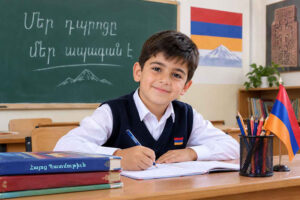
VERA YAGOUPAN
ՎԵՐԱ ԵԱԳՈՒՊԵԱՆ
The Armenian school has been one of the most important factors in the survival of the Diaspora. After the Genocide, it was not just an educational institution; it was the main medium for the transmission of language, identity, culture, and national memory. However, today the question is no longer just how to keep Armenian schools open, but what kind of Armenian school do we want to have in the future. In almost all communities in the Diaspora, the Armenian school is facing: a decline in enrollment, a decline in the language, the departure of families from the Armenian environment, and growing competition with other schools. But the situation in the Middle East is more worrying, because here the Armenian school has historically been one of the pillars of the entire colonial system. So, we must ask: are the main problems of Armenian schools in the Middle East only the economic crisis and emigration? The answer is no. They have deepened the anxiety, but they have not created all its causes.
Հայկական դպրոցը սփիւռքի գոյատեւման կարեւորագոյն գործօններէն մէկը եղած է: Ցեղասպանութենէն ետք ան միայն կրթական հաստատութիւն չէր. ան լեզուի, ինքնութեան, մշակոյթի եւ ազգային յիշողութեան փոխանցման հիմնական միջավայրն էր: Սակայն այսօր հարցը այլեւս միայն այն չէ, թէ ինչպէ՞ս բաց պահենք հայկական դպրոցները, այլ` ի՞նչ հայկական դպրոց կ՚ուզենք ունենալ ապագային: Սփիւռքի գրեթէ բոլոր գաղութներուն մէջ հայկական դպրոցը կը դիմագրաւէ` աշակերտութեան նուազում, լեզուի նահանջ, ընտանիքներու հեռացում հայկական միջավայրէն եւ այլ դպրոցներու հետ աճող մրցակցութիւն: Բայց Միջին Արեւելքի պարագան աւելի մտահոգիչ է, որովհետեւ հոս հայկական դպրոցը պատմականօրէն եղած է ամբողջ գաղութային համակարգի հիմնասիւներէն մէկը: Ուրեմն պէտք է հարց տալ` Միջին Արեւելքի հայկական դպրոցներուն հիմնական խնդիրը միայն տնտեսական ճգնաժամն ու արտագաղթնե՞րն են: Պատասխանը` ո՛չ: Անոնք խորացուցած են տագնապը, բայց չեն ստեղծած անոր բոլոր պատճառները:
Why should Armenian parents choose Armenian schools
Ինչո՞ւ հայ ծնողքը պիտի ընտրէ հայկական դպրոցը
Here is one of the most important questions. In the past, attending an Armenian school was almost a natural continuation of Armenian family life. An Armenian child lived in an Armenian neighborhood, attended an Armenian church or club, had an Armenian social environment, and naturally attended an Armenian school. Today, that world has changed. The parent has a choice. He compares the Armenian school with other schools and asks: where will my child receive a better education, where will he master English or French, where will he receive modern knowledge, technology, and the necessary preparation for a university and professional future. These questions cannot be answered simply by saying: “You are Armenian, so you should send your child to an Armenian school.” A sense of national duty is no longer a sufficient educational strategy. Armenian schools must provide such quality that parents are not forced to choose between national identity and high-quality education.
Ահա՛ կարեւորագոյն հարցերէն մէկը: Անցեալին հայկական դպրոց յաճախելը գրեթէ բնական շարունակութիւնն էր հայկական ընտանիքի կեանքին: Հայ մանուկը կ՛ապրէր հայկական թաղամասի մէջ, կը յաճախէր հայկական եկեղեցի կամ ակումբ, հայկական ընկերային միջավայր ունէր եւ բնականաբար կ՛երթար հայկական դպրոց: Այսօր այդ աշխարհը փոխուած է: Ծնողքը ընտրութիւն ունի: Ան հայկական դպրոցը կը բաղդատէ այլ դպրոցներու հետ եւ կը հարցնէ` ո՞ւր զաւակս աւելի լաւ կրթութիւն պիտի ստանայ, ո՞ւր պիտի տիրապետէ անգլերէնի կամ ֆրանսերէնի, ո՞ւր պիտի ստանայ արդիական գիտելիքներ, արհեստագիտութիւն եւ համալսարանական ու մասնագիտական ապագայի համար անհրաժեշտ պատրաստութիւն: Այս հարցումներուն կարելի չէ պատասխանել միայն ըսելով` «Հայ ես, ուրեմն զաւակդ հայկական դպրոց պէտք է ղրկես»: Ազգային պարտաւորութեան զգացումը այլեւս բաւարար կրթական ռազմավարութիւն չէ: Հայկական դպրոցը պէտք է այնպիսի որակ ապահովէ, որ ծնողքը ստիպուած չըլլայ ընտրութիւն կատարելու ազգային ինքնութեան եւ բարձրորակ կրթութեան միջեւ:
But is the issue only the quality of education? No. There is a deeper question: what kind of Armenian are we trying to prepare in Armenian schools? Too often, our educational thinking continues to be based on the concept of “preserving Armenianness.” We try to keep the child Armenian by teaching Armenian, passing on history, celebrating national holidays, and preserving the memory of the past. But identity is not only a heritage to be preserved. Identity is also a reality to be created. Today’s Armenian youth must understand not only who we were, but also who we are today and what we can be tomorrow. If we present Armenianness to a child only as a duty, a history of loss, and a responsibility towards the past, we can create a generation that respects its Armenian origin, but does not feel a living connection with it. The Armenian school should turn Armenianness not into a burden, but into a value. And what about Armenians? Here too, we must ask an honest question: is it possible to teach Armenian today in the same way as we taught it fifty years ago? Of course not. Today, in the Middle East, many Armenian children come to school from families where Armenian is no longer the only or even the main language. English, French, and Arabic have a huge place in the child’s daily life. Therefore, the teaching of Armenian must change. If a child perceives Armenian as the most difficult, most burdensome, and least interesting subject in an Armenian school, we are taking him away from the language by our own hand. The goal is not just to produce students who know the rules of grammar. The goal is to produce young people who want to speak, think, read, create, and communicate in Armenian.
Բայց արդեօք խնդիրը միայն կրթութեան որա՞կն է Ո՛չ: Կայ աւելի խորքային հարց մը` ի՞նչ հայ կը փորձենք պատրաստել հայկական դպրոցին մէջ: Շատ յաճախ մեր կրթական մտածողութիւնը կը շարունակէ հիմնուիլ «հայապահպանում» հասկացողութեան վրայ: Կը փորձենք մանուկը պահել հայ` հայերէն սորվեցնելով, պատմութիւն փոխանցելով, ազգային տօներ նշելով եւ անցեալի յիշողութիւնը պահպանելով: Բայց ինքնութիւնը միայն պահպանուող ժառանգութիւն չէ: Ինքնութիւնը նաեւ ստեղծուող իրականութիւն է: Այսօրուան հայ երիտասարդը պէտք է հասկնայ ոչ միայն, թէ ո՛վ էինք, այլ նաեւ` ո՛վ ենք այսօր եւ ի՞նչ կրնանք ըլլալ վաղը: Եթէ հայկականութիւնը մանուկին ներկայացնենք միայն իբրեւ պարտականութիւն, կորուստի պատմութիւն եւ անցեալին նկատմամբ պատասխանատուութիւն, կրնանք ստեղծել սերունդ մը, որ կը յարգէ իր հայկական ծագումը, բայց չի զգար անոր հետ կենդանի կապ: Հայկական դպրոցը պէտք է հայկականութիւնը վերածէ ոչ թէ բեռի, այլ` արժէքի: Իսկ հայերէ՞նը: Այստեղ եւս պէտք է անկեղծ հարցում մը ուղղենք. կարելի՞ է հայերէնը սորվեցնել այսօր նոյն ձեւով, ինչպէս կը սորվեցնէինք յիսուն տարի առաջ: Անշուշտ` ո՛չ: Այսօր Միջին Արեւելքի մէջ իսկ բազմաթիւ հայ մանուկներ դպրոց կը հասնին այնպիսի ընտանիքներէ, ուր հայերէնը այլեւս միակ կամ նոյնիսկ հիմնական լեզուն չէ: Անգլերէնը, ֆրանսերէնը եւ արաբերէնը մանուկին առօրեային մէջ հսկայական տեղ ունին: Ուրեմն հայերէնի դասաւանդումը պէտք է փոխուի: Եթէ մանուկը հայկական դպրոցին մէջ հայերէնը ընկալէ իբրեւ ամէնէն դժուար, ամէնէն ծանր եւ ամէնէն նուազ հետաքրքրական դասը, մենք մեր ձեռքով զինք կը հեռացնենք լեզուէն: Նպատակը միայն քերականական կանոններ գիտցող աշակերտ պատրաստելը չէ: Նպատակը հայերէնով խօսիլ, մտածել, կարդալ, ստեղծագործել եւ հաղորդակցիլ ուզող երիտասարդպատրաստելն է:
Should we continue to save each school separately? Perhaps the most difficult question is this. The Armenians of the Middle East have historically created a rich network of schools. That diversity has been one of our strengths. However, as communities shrink, student numbers dwindle, and economic resources become limited, we must dare to ask: is our goal to preserve all existing structures at all costs, or to create a stronger Armenian educational system? The two are not always the same. Perhaps it is time to move from competition to cooperation. Why don’t Armenian schools have unified educational programs, a unified teacher training system, modern Armenian textbooks and digital platforms, unified cultural and scientific programs? Why should each school try to solve problems separately, which in reality are the problems of all Armenians?
Պէ՞տք է շարունակենք ամէն դպրոց առանձին փրկել Թերեւս դժուարագոյն հարցումը այս է: Միջին Արեւելքի հայութիւնը պատմականօրէն ստեղծած է դպրոցներու հարուստ ցանց մը: Այդ բազմազանութիւնը մեր ուժերէն մէկը եղած է: Սակայն երբ համայնքները կը փոքրանան, աշակերտութեան թիւը կը նուազի եւ տնտեսական միջոցները կը սահմանափակուին, պէտք է համարձակիլ հարց տալ` մեր նպատակը ամէն գնով գոյութիւն ունեցող բոլոր կառոյցները պահե՞լն է, թէ՞ ստեղծել աւելի ուժեղ հայկական կրթական համակարգ: Երկուքը միշտ նոյն բանը չեն: Գուցէ ժամանակն է մրցակցութենէն անցնելու համագործակցութեան: Ինչո՞ւ հայկական դպրոցները չունենան` միացեալ կրթական ծրագիրներ, ուսուցիչներու պատրաստութեան միասնական համակարգ, արդիական հայերէնի դասագիրքեր եւ թուային հարթակներ, միացեալ մշակութային եւ գիտական ծրագիրներ: Ինչո՞ւ իւրաքանչիւր դպրոց առանձին փորձէ լուծել խնդիրներ, որոնք իրականութեան մէջ ամբողջ հայութեան խնդիրներն են:
So what needs to change? First, the mindset. The Armenian school should not be viewed as a structure inherited from the past, which we must preserve at all costs. It should be viewed as a national strategic institution for the future. Second, the Armenian school should become educationally competitive. By sending their child to an Armenian school, Armenian parents should not feel that they are sacrificing their child’s future. Third, the method of teaching Armenian should be completely revised and the language should be linked to the child’s real life, the digital world, culture, and creativity. Fourth, we need to invest in the teacher. Without a trained, decent, and innovative teacher, no school reform can succeed. And finally, Armenian schools must begin to see themselves not only as separate institutions, but as parts of a single Armenian educational system.
Ուրեմն ի՞նչ պէտք է փոխուի: Նախ` մտածելակերպը: Հայկական դպրոցը պէտք չէ դիտել իբրեւ անցեալէն մեզի հասած կառոյց մը, զոր պարտաւոր ենք ամէն գնով պահել: Զայն պէտք է դիտել իբրեւ ապագայի ազգային ռազմավարական հաստատութիւն: Երկրորդ` հայկական դպրոցը պէտք է դառնայ կրթականօրէն մրցունակ: Հայ ծնողքը իր զաւակը հայկական դպրոց ուղարկելով` պէտք չէ զգայ, որ զոհողութիւն կ՛ընէ անոր ապագային հաշուոյն: Երրորդ` պէտք է ամբողջովին վերանայիլ հայերէնի դասաւանդման եղանակը եւ լեզուն կապել մանուկին իրական կեանքին, թուային աշխարհին, մշակոյթին եւ ստեղծագործութեան: Չորրորդ` պէտք է ներդրում կատարել ուսուցիչին վրայ: Առանց պատրաստուած, արժանապատիւ պայմաններու մէջ աշխատող եւ նոր մտածողութիւն ունեցող ուսուցիչի` դպրոցական որեւէ բարեփոխում չի կրնար յաջողիլ: Եւ վերջապէս, հայկական դպրոցները պէտք է սկսին իրենք զիրենք տեսնել ոչ միայն իբրեւ առանձին հաստատութիւններ, այլ` իբրեւ մէկ ընդհանուր հայկական կրթական համակարգի մասեր:
Will we save the school or its mission? Here is the main question. We will not secure the future of Armenian schools simply by increasing enrollment, awarding scholarships, or preserving buildings. All of these may be necessary, but they are not sufficient. The real question is, if an Armenian parent were to ask tomorrow, “Why should I send my child to an Armenian school?” do we have a convincing answer? If our only answer is “so that he or she remains Armenian,” then our educational vision needs to be revised. The Armenian school must prepare a young person who can compete in the world without losing his identity, who is fluent in international languages, but does not consider Armenian a language belonging to the past, who knows Armenian history, but also understands modern Armenia and the Diaspora, and who does not carry Armenianness only as a heritage, but because he sees value in it. Therefore, the greatest task facing the Armenian education of our communities today is not simply to save the schools. The Armenian school must be rebuilt without losing its Armenianness. In the past, the Armenian school was created to preserve our existence. Today, it must be transformed to create our future.
Կը փրկենք դպրո՞ցը, թէ՞ անոր առաքելութիւնը Ահա՛ հիմնական հարցումը: Հայկական դպրոցի ապագան չենք ապահովեր միայն աշակերտութեան թիւը բարձրացնելով, կրթաթոշակ բաժնելով կամ շէնքեր պահպանելով: Այդ բոլորը անհրաժեշտ կրնան ըլլալ, բայց բաւարար չեն: Իրական հարցումը հետեւեալն է, եթէ վաղը հայ ծնող մը հարցնէ` «Ինչո՞ւ զաւակս հայկական դպրոց ղրկեմ», մենք համոզիչ պատասխան ունի՞նք: Եթէ մեր միակ պատասխանը «որպէսզի հայ մնայ» է, ապա մեր կրթական տեսլականը պէտք ունի վերանայման: Հայկական դպրոցը պէտք է պատրաստէ երիտասարդ մը, որ կրնայ մրցիլ աշխարհի մէջ` առանց կորսնցնելու իր ինքնութիւնը, որ` լաւ կը տիրապետէ միջազգային լեզուներու, բայց հայերէնը չի նկատեր անցեալին պատկանող լեզու, որ` կը ճանչնայ Հայոց պատմութիւնը, բայց նաեւ կը հասկնայ ժամանակակից Հայաստանը եւ սփիւռքը, եւ որ` հայկականութիւնը չի կրեր միայն իբրեւ ժառանգութիւն, այլ որովհետեւ արժէք կը տեսնէ անոր մէջ: Հետեւաբար, մեր գաղութներու հայկական կրթութեան առջեւ այսօր դրուած մեծագոյն խնդիրը դպրոցները պարզապէս փրկելը չէ: Պէտք է վերակերտել հայկական դպրոցը` առանց կորսնցնելու անոր հայկականութիւնը: Անցեալին հայկական դպրոցը ստեղծուեցաւ մեր գոյութիւնը պահպանելու համար: Այսօր ան պէտք է վերափոխուի` մեր ապագան ստեղծելու համար:
But is it really? And finally, perhaps the most difficult question we must ask ourselves: Can all of this still be done, or is it too late to make the necessary changes and bring our Armenian schools and students to the level we aspire to? I think it is not too late. But time is not infinite either. For years, the decline of schools can be explained by emigration, economic crisis, declining student numbers, or changing family circumstances. All of these are real reasons, but they cannot become permanent excuses, because if we blame only external conditions, we avoid a much more difficult question: what have we not changed, when the world around us has changed. So the question is no longer just whether we can keep our schools. The question is whether we are ready to change them as much as necessary without losing their Armenian face and mission. Because it is still possible to restore trust, raise the level of education, modernize the teaching of Armenian, train a new generation of teachers, and make Armenian schooling a conscious choice for Armenian families again. But if we continue to only preserve what exists without reviewing its content, perhaps one day it will be too late.
Բայց արդեօք ո՞ւշ է Եւ վերջապէս, թերեւս ամենադժուար հարցումը պէտք է ուղղենք մենք մեզի. Կարելի՞ է տակաւին իրականացնել այս բոլորը, թէ՞ արդէն ուշ է անհրաժեշտ փոփոխութիւնները կատարելու եւ մեր հայկական դպրոցներն ու աշակերտները հասցնելու այն մակարդակին, որուն կը ձգտինք: Կարծեմ` ուշ չէ: Բայց ժամանակն ալ անսահման չէ: Տարիներ շարունակ կարելի է դպրոցներու նահանջը բացատրել` արտագաղթով, տնտեսական տագնապով, աշակերտութեան թիւի նուազումով կամ ընտանիքներու փոխուող պայմաններով: Այս բոլորը իրական պատճառներ են, բայց անոնք չեն կրնար մշտական արդարացումներ դառնալ, որովհետեւ եթէ միայն արտաքին պայմանները մեղադրենք, կը խուսափինք շատ աւելի դժուար հարցումէ մը` իսկ մե՞նք ինչ չենք փոխած, երբ մեր շուրջը աշխարհը փոխուած է: Ուստի հարցը այլեւս միայն այն չէ, թէ կրնա՞նք պահել մեր դպրոցները: Հարցը այն է, թէ պատրա՞ստ ենք փոխելու զանոնք այնքան, որքան անհրաժեշտ է` առանց կորսնցնելու անոնց հայկական դիմագիծն ու առաքելութիւնը: Որովհետեւ տակաւին կարելի է վերականգնել վստահութիւնը, բարձրացնել կրթական մակարդակը, արդիականացնել հայերէնի դասաւանդումը, նոր սերունդի ուսուցիչներ պատրաստել եւ հայկական դպրոցը կրկին դարձնել հայ ընտանիքին գիտակից ընտրութիւնը: Բայց եթէ շարունակենք միայն պահպանել գոյութիւն ունեցողը` առանց վերանայելու անոր բովանդակութիւնը, թերեւս օր մը իսկապէս ուշ ըլլայ:
Today, the question is still: how do we change Armenian schooling? Tomorrow, the question may become: are there any Armenian schools left to change?
Այսօր տակաւին հարցը այն է`, թէ ինչպէ՞ս փոխենք հայկական դպրոցը: Վաղը կրնայ հարցը դառնալ` հայկական դպրոց մնա՞ց, որ փոխենք:
Comments
No comments yet — be the first to comment.
More from Azat Or
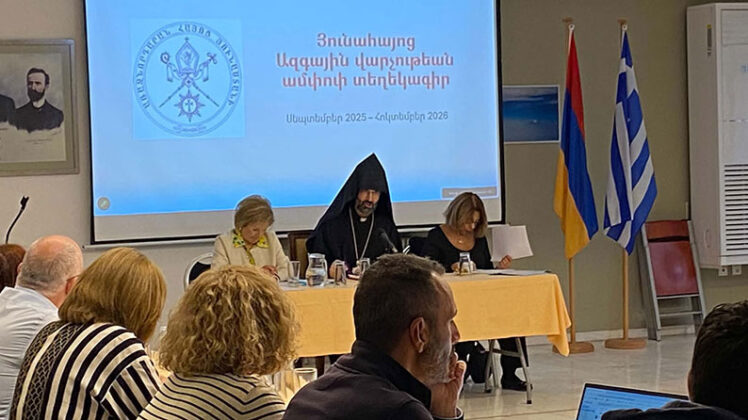
Diocesan Report Meeting and Reception in Honor of His Holiness the Prelate
Azat Or / 13 minutes ago
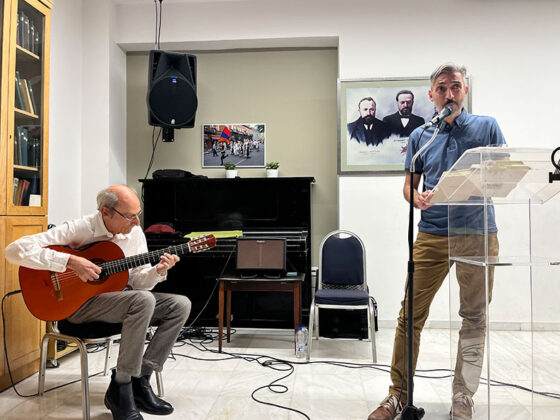
"Armenian Lyre - Sounds and Echoes" — Presentation of a book dedicated to Armenian poetry
Azat Or / 20 minutes ago

Homenetmen 3×3 Basketball Tournament in Memory of Garbis Janikian
Azat Or / 31 minutes ago
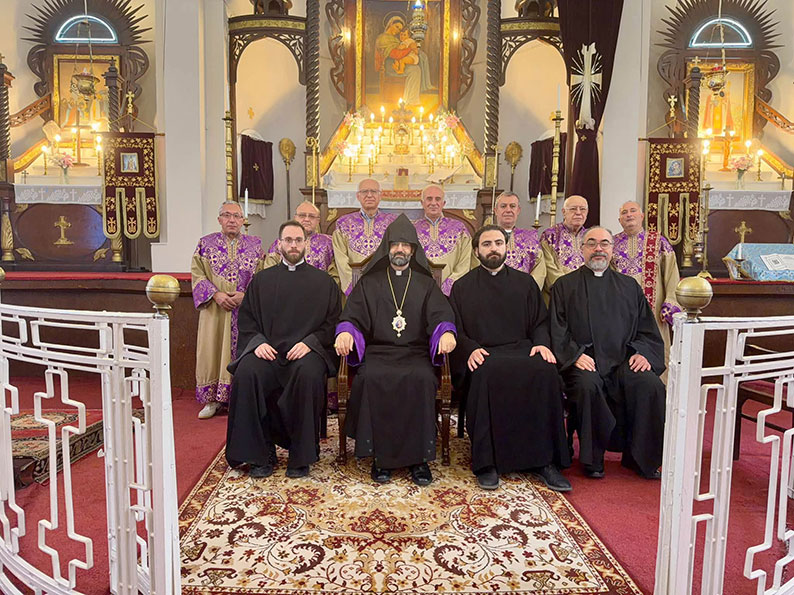
CALL OF DEACONS - The spirit of service, from generation to generation
Azat Or / 42 minutes ago
Related coverage
No related coverage from other sources yet.