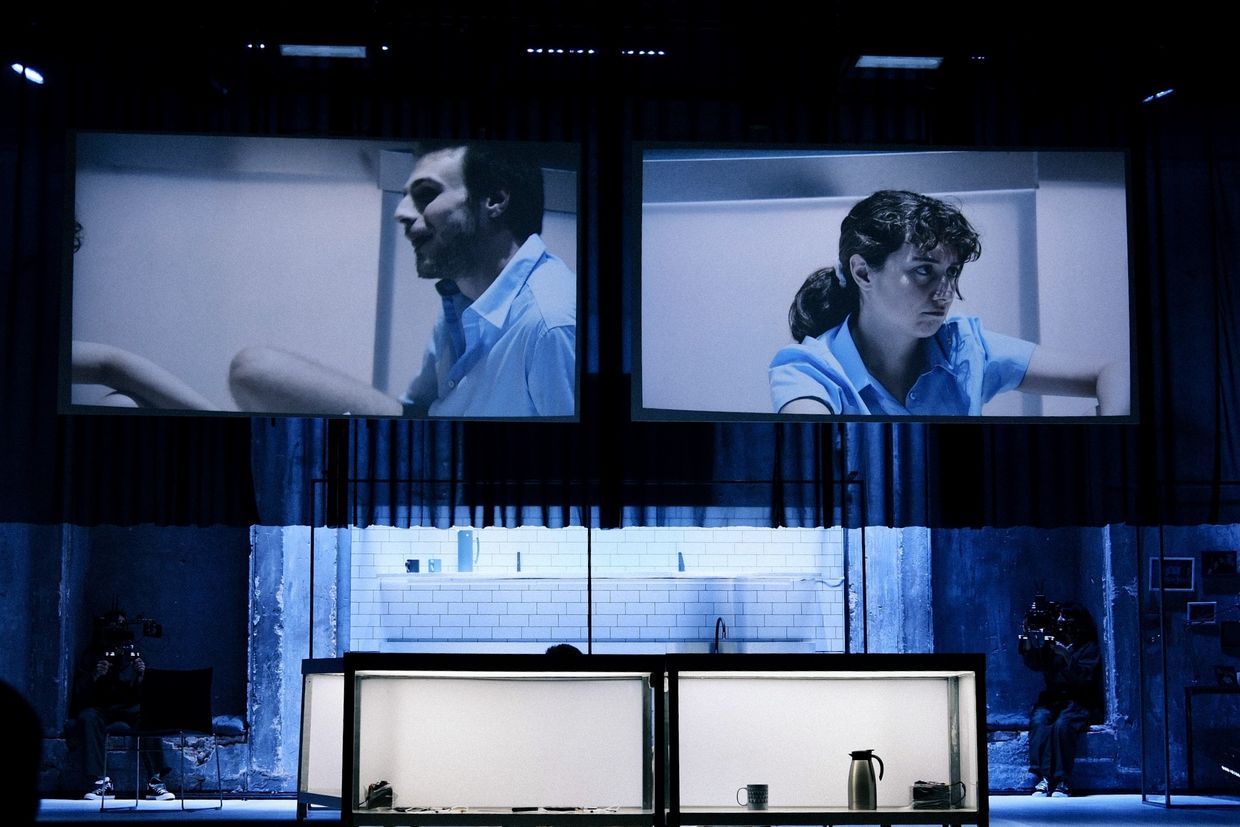
ReviewsReview | The Romantics — a gripping yet bleak indictment of Georgian societyby Xandie (Alexandra) Kuenning• 3 min readShare▲The Romantics. Courtesy photo.★★★★☆This tense production explores how schools and families pass misogyny, violence, class privilege, and silence onto future generations. As the audience of Tbilisi’s Royal District Theatre trickled forwards to take their seats for the theatre’s latest production, The Romantics, on Thursday evening, two large screens on-stage streamed live footage of the process, turning the viewer into the subject. It was a directorial choice by Paata Tsikolia that immediately set the tone of the night. The play focuses on the aftermath of a young teenager’s death by suicide within the local school community, and the effects on one family in particular. Teenager Magda (Keti Djavakhishvili), the girl’s best friend, spends the majority of the play trying to understand how such a tragedy occurred. Constantly riling her up is Nikusha (Lasha Mebuke), the classic archetype of the arrogant, rich boy whose mother owns the school. The relationship between the two is conflicted; at times, Nikusha is the enemy, playing up his negative aspects. At other times, he attempts to play the hero, seemingly offering protection to Magda, though his motives are consistently questionable. On the other side of the generational divide are Magda’s parents: Tina (Nata Murvanidze), the school’s literature teacher, and Kote (Davit Beshitaishvili), the school’s coach around whom surrounds rumours of sexual assault. Their marriage is fraught, an underlying tension always pervasive in their scenes together. Neither side understands the other. For Magda, the iconic romantic Georgian poets her mother focuses her teaching on — in particular, Nikoloz Baratashvili, Grigol Orbeliani, and Aleksandre Chavchavadze — are ‘conformist paedophiles’, hypocrites, and collaborationists. For Tina, this new generation of students have been swept away by the ‘global culture’, choosing to ‘tolerate nothing but their own intolerance’. Having grown up during the violent 1990s, a decade marred by civil war, political instability, and a faltering economy, Tina is unapologetic in her critiques of Gen-Z. As a storm literally looms in the background, the relationships between all four characters become more and more fraught. Nikusha ramps up his inappropriate behaviour, asking Tina to turn her video camera on during a call and strip for him, bashing Kote in the leg with a dumbbell, and bragging about his gun he was given as a gift the previous year. Tina and Kote argue about their relationship, the audience eventually learning that he had ‘kidnapped’ her when they were both 16, more concerned with impressing his friends than understanding of the future he stole from her. Kote, left on his own, debates his attraction to the dead girl, highlighting the police officers’ winks while he was questioned. And Magda becomes more and more disruptive, eventually running away to Nikusha’s private home in the middle of nowhere. Worried for her safety, Tina and Kote follow her there, bringing all four into the same room at once for a final showdown with tragic consequences. Throughout the entire performance, the same two camera operators from the start work on-stage, each focusing on a different character throughout each scene. It is a creative directorial choice, allowing the actors more space on-stage while still being fully visible to the audience. Yet, at the same time, it distracts a bit from the content and emotions being brought up throughout. There is no story-based explanation for these figures, no purpose other than turning the play into a multi-media production. The script also suffers a bit from its own attempts to emphasise the forced silence and forgetfulness society is pushing on today’s youth, its own omissions creating a more confusing narrative than perhaps is necessary. It is also worth noting that much of the literary analysis will go over the heads of non-Georgian audiences, who have not been raised on the poets and authors in question. Despite these drawbacks, however, the play is an impressive tour de force by playwright Marita Liparteliani and director Paata Tsikolia — it is no surprise Liparteliani was listed as one of the finalists of the 2026 SABA Literary Prize for this production. The Romantics premiered with English subtitles at Tbilisi’s Royal District Theatre on 16 September 2026. The production is currently scheduled to perform there until 18 October 2026. Culture and Features Editor. After years in academia, Xandie returned to Georgia to join OC Media. Her previous work with non-profits focused on Eurasian affairs, particularly queer and gender rights and green politics. She’s also a fan of foreign cinema, tea, and books (but not spilling tea on books).
Already in English.
3 full-article translations/day — headlines & summaries always free. Create free account for 25/day
Review | The Romantics — a gripping yet bleak indictment of Georgian society
This tense production explores how schools and families pass misogyny, violence, class privilege, and silence onto future generations.
Comments
No comments yet — be the first to comment.
More from OC Media
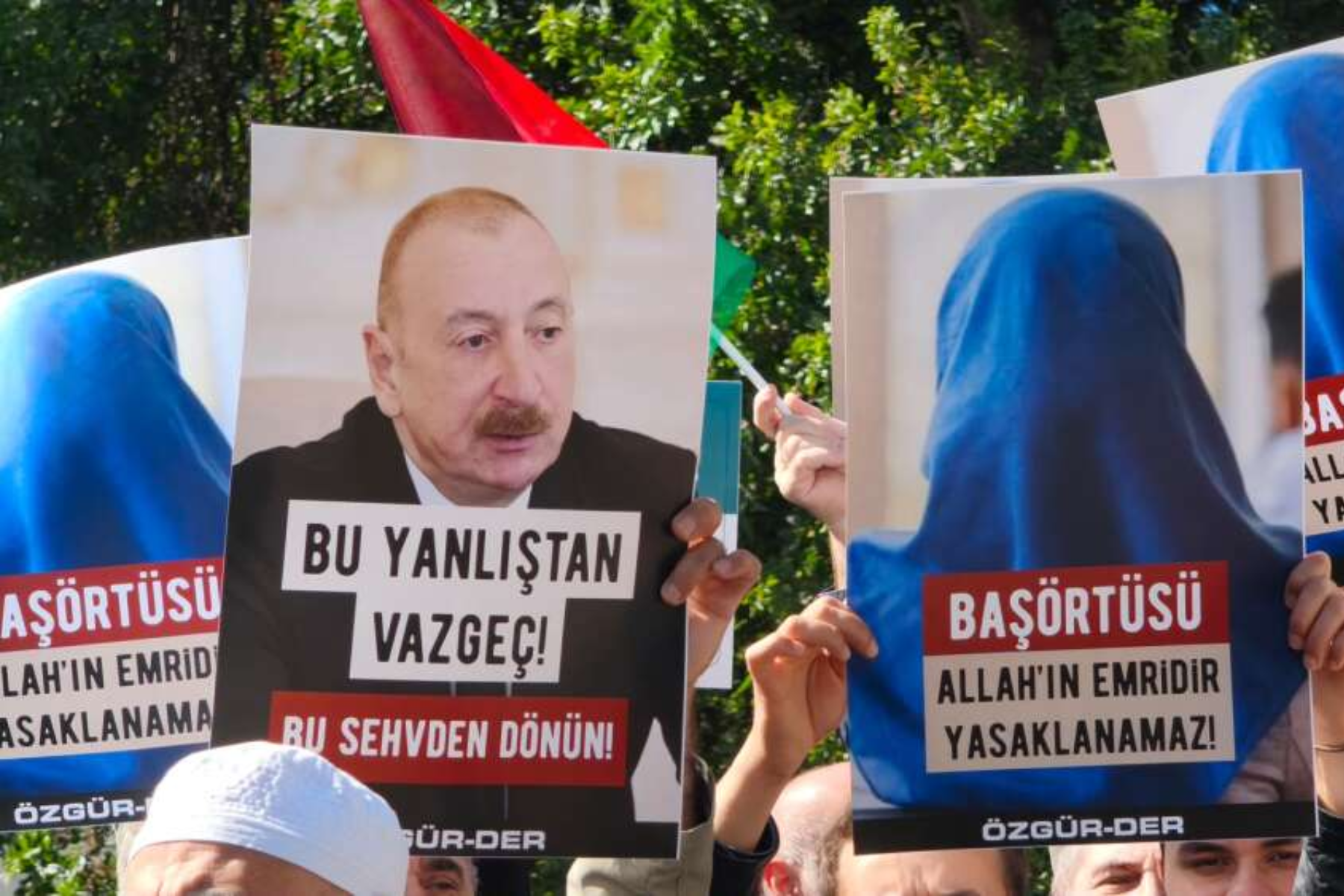
Explainer | What’s behind the Turkey–Azerbaijan spat?
OC Media / 4 hours ago
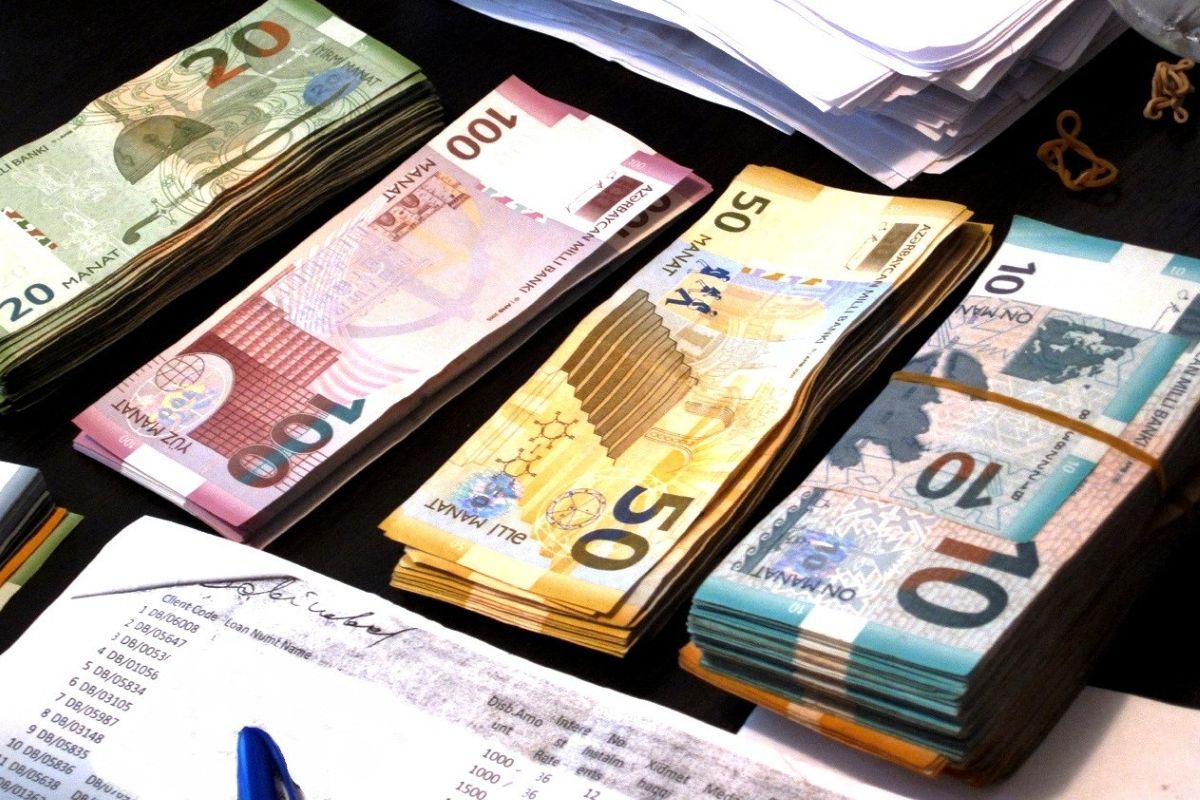
Azerbaijan proposes paying corruption whistleblowers 5% of assets recovered
OC Media / 5 hours ago

Study finds long-term health consequences among protesters exposed to chemical irritants in Georgia
OC Media / 5 hours ago
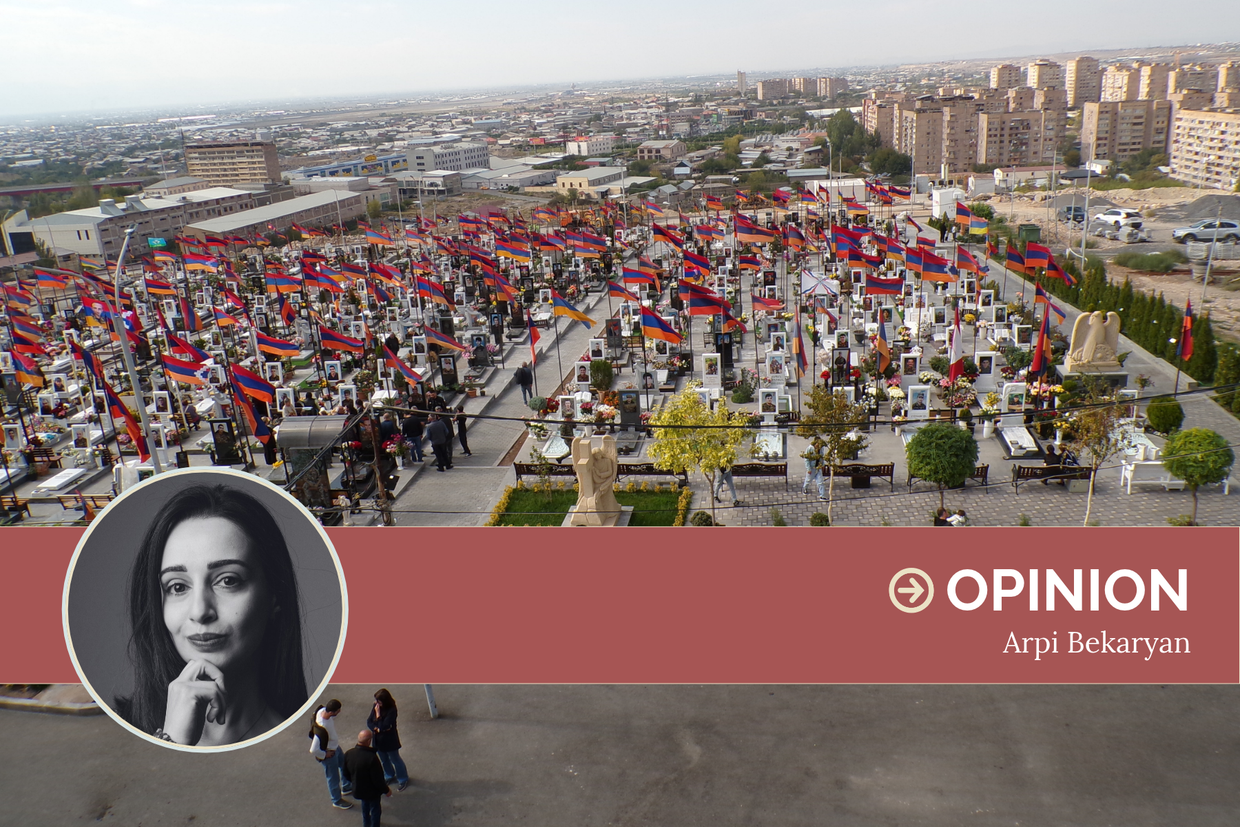
Opinion | When remembering becomes politically inconvenient
OC Media / 6 hours ago
Related coverage

А что творится там, где камер нет? Армянский эксперт — о насилии в школах
Sputnik Armenia / 25 minutes ago

Ազգային գաղափարից` պետական տեսլական. մեկնարկել է «Վահան Հովհաննիսյան» դպրոցի 9-րդ փուլը
Yerkir / 1 hour ago

Լեհաստանում 19-ամյա երիտասարդը հարձակվել է ուսումնարանի ուսանողների ու դասախոսների վրա․ 8 վիրավոր կա
Azatutyun / 2 hours ago

Իսկ ինչե՞ր են կատարվում այնտեղ, որտեղ տեսախցիկ չկա. մասնագետը` դպրոցում բռնության մասին
Sputnik Armenia / 3 hours ago