Showing in English.
5 full-article translations/day — headlines & summaries always free. Create free account for 25/day
No longer anyone's "backyard"
Այլևս ոչ մեկի «հետնաբակը»
The American The Hill has published an extensive coverage of the new geopolitical realities emerging in the South Caucasus, focusing on Armenia's growing involvement in the US.
Ամերիկյան The Hill-ը ծավալուն անդրադարձ է հրապարակել Հարավային Կովկասում ձևավորվող նոր աշխարհաքաղաքական իրողությունների մասին՝ կենտրոնանալով Հայաստանի, ԱՄՆ-ի աճող ներգրավվածության …
You are using an outdated browser. Please upgrade your browser.
You are using an outdated browser. Please upgrade your browser.
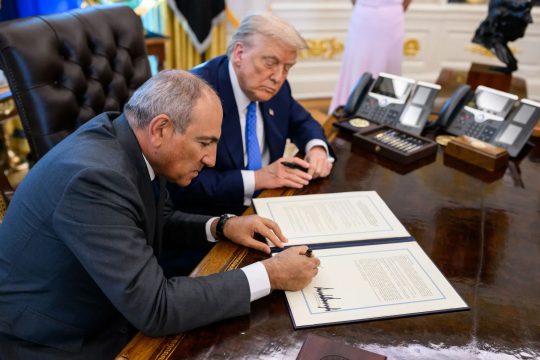
The American The Hill has published an extensive review of the new geopolitical realities emerging in the South Caucasus, focusing on Armenia, the growing involvement of the United States, and the TRIPP project. The article focuses on a simple but significant observation: This small region between Russia and Iran is turning into a new area of American strategic interest.
Ամերիկյան The Hill-ը ծավալուն անդրադարձ է հրապարակել Հարավային Կովկասում ձևավորվող նոր աշխարհաքաղաքական իրողությունների մասին՝ կենտրոնանալով Հայաստանի, ԱՄՆ-ի աճող ներգրավվածության և TRIPP նախագծի վրա։ Հոդվածի առանցքում պարզ, բայց էական դիտարկում է․ Ռուսաստանի և Իրանի միջև գտնվող այս փոքր տարածաշրջանը վերածվում է ամերիկյան ռազմավարական հետաքրքրության նոր տարածքի։
Armenia is a small country in terms of territory, but its geography is today acquiring a strategic importance disproportionate to its size.
Հայաստանը տարածքով փոքր պետություն է, բայց նրա աշխարհագրությունն այսօր ձեռք է բերում իր չափերին անհամեմատ մեծ ռազմավարական նշանակություն։
Russia is in the north, Iran is in the south, Turkey is in the west, and Azerbaijan is in the east. This geography has been a limiting factor for Armenia's opportunities for centuries. The South Caucasus has often been a territory of competition for influence for great powers, and the states of the region have been adapting to the conditions of that competition. What is changing now is not the geography of Armenia, but the political value of that geography.
Հյուսիսում Ռուսաստանն է, հարավում՝ Իրանը, արևմուտքում՝ Թուրքիան, արևելքում՝ Ադրբեջանը։ Այս աշխարհագրությունը դարեր շարունակ Հայաստանի հնարավորությունները սահմանափակող գործոն է եղել․ Հարավային Կովկասը մեծ տերությունների համար հաճախ եղել է ազդեցության համար մրցակցության տարածք, իսկ տարածաշրջանի պետությունները՝ այդ մրցակցության պայմաններին հարմարվողներ։Այժմ փոխվում է ոչ թե Հայաստանի աշխարհագրությունը, այլ այդ աշխարհագրության քաղաքական արժեքը։
Now the political significance of that geography is changing.
Այժմ փոխվում է այդ աշխարհագրության քաղաքական նշանակությունը։
The Hill analyst Robert Sherman describes the South Caucasus as Russia’s “backyard” and Iran’s “threshold,” but his article’s main point is more significant: The United States is no longer simply a diplomatic player here, but a force shaping long-term interests. TRIPP, the 74 percent American participation in the development company, infrastructure investments, and deepening technological and strategic cooperation mean that Washington’s presence in the South Caucasus is gradually becoming economic and institutional, not political.
The Hill-ի վերլուծաբան Ռոբերտ Շերմանը Հարավային Կովկասը բնորոշում է որպես Ռուսաստանի «հետնաբակ» և Իրանի «շեմ», սակայն նրա հոդվածի գլխավոր արձանագրումն ավելի էական է․ Միացյալ Նահանգներն այստեղ այլևս պարզապես դիվանագիտական դերակատար չէ, այլ երկարաժամկետ շահեր ձևավորող ուժ։ TRIPP-ը, զարգացման ընկերությունում ամերիկյան 74 տոկոս մասնակցությունը, ենթակառուցվածքային ներդրումները և տեխնոլոգիական ու ռազմավարական համագործակցության խորացումը նշանակում են, որ Վաշինգտոնի ներկայությունը Հարավային Կովկասում քաղաքականից աստիճանաբար դառնում է նաև տնտեսական և ինստիտուցիոնալ։
The presence of great powers becomes long-term when political interest is transformed into economic and strategic interest. Road, rail, energy, and digital infrastructure make that interest tangible, creating a much stronger connection in the region than any political statement can provide.
Մեծ տերությունների ներկայությունը երկարաժամկետ է դառնում այն ժամանակ, երբ քաղաքական հետաքրքրությունը վերածվում է տնտեսական և ռազմավարական շահի։ Ճանապարհը, երկաթուղին, էներգետիկ ու թվային ենթակառուցվածքները այդ շահը դարձնում են շոշափելի՝ տարածաշրջանում ստեղծելով շատ ավելի ամուր կապ, քան կարող է ապահովել որևէ քաղաքական հայտարարություն։
Throughout history, infrastructure has also been a geography of influence. In the 19th century, it laid the railways, in the 20th, it laid the oil and gas pipelines, and in the 21st, it laid the digital networks, data centers, and supply chains. Building them is not just an economic activity; whoever forms the connections also participates in shaping the political and economic environment within which those connections operate.
Պատմության մեջ ենթակառուցվածքը միշտ եղել է նաև ազդեցության աշխարհագրություն։ XIX դարում այն գծում էին երկաթուղիները, XX-ում՝ նավթամուղներն ու գազատարները, XXI-ում՝ նաև թվային ցանցերը, տվյալների կենտրոններն ու մատակարարման շղթաները։ Դրանց կառուցումը պարզապես տնտեսական գործունեություն չէ․ ով ձևավորում է կապերը, մասնակցում է նաև այն քաղաքական ու տնտեսական միջավայրի ձևավորմանը, որի ներսում այդ կապերը գործում են։
In this sense, TRIPP is not just a road through Syunik, but a project to change the economic and strategic balance of the South Caucasus. For decades, Russia has maintained its influence here through a system of interconnected dependencies, from railways and energy to markets and security, where economic presence was simultaneously a lever of political influence. Now, for the first time, a long-term American economic and strategic presence is being formed in this system.
Այս իմաստով TRIPP-ը պարզապես Սյունիքով անցնող ճանապարհ չէ, այլ Հարավային Կովկասի տնտեսական և ռազմավարական հավասարակշռությունը փոխելու նախագիծ։ Տասնամյակներ շարունակ Ռուսաստանն այստեղ իր ազդեցությունը պահպանել է նաև փոխկապակցված կախվածությունների համակարգով՝ երկաթուղուց ու էներգետիկայից մինչև շուկա և անվտանգություն, որտեղ տնտեսական ներկայությունը միաժամանակ քաղաքական ազդեցության լծակ էր։ Այժմ այդ համակարգում առաջին անգամ ձևավորվում է երկարաժամկետ ամերիկյան տնտեսական և ռազմավարական ներկայություն։
But this is where the most important boundary begins: where the participation of a partner ends and the exclusive jurisdiction of Armenia begins.
Բայց հենց այստեղ է սկսվում ամենակարևոր սահմանագիծը՝ որտեղ ավարտվում է գործընկերոջ մասնակցությունը և սկսվում Հայաստանի բացառիկ իրավազորությունը։
The Hill uses the phrase “corridor belonging to the Americans,” but in the case of Armenia, it does not reflect the legal structure of the project. TRIPP operates on the sovereign territory of Armenia and under Armenian jurisdiction. Customs, border, tax, police and security authorities remain with the state bodies of Armenia. American participation concerns the share of the development company and the management of the infrastructure, not control over the territory, borders or state jurisdiction. It is the unshakable preservation of this boundary that will determine the political value of TRIPP for Armenia.
The Hill-ը կիրառում է «ամերիկացիներին պատկանող միջանցք» ձևակերպումը, սակայն Հայաստանի դեպքում այն չի արտացոլում նախագծի իրավական կառուցվածքը։ TRIPP-ը գործում է Հայաստանի ինքնիշխան տարածքում և հայկական իրավազորության ներքո․ մաքսային, սահմանային, հարկային, ոստիկանական և անվտանգության լիազորությունները մնում են Հայաստանի պետական մարմիններին։ Ամերիկյան մասնակցությունը վերաբերում է զարգացման ընկերության բաժնեմասին և ենթակառուցվածքի կառավարմանը, ոչ թե տարածքի, սահմանների կամ պետական իրավազորության նկատմամբ վերահսկողությանը։ Հենց այս սահմանագծի անխախտ պահպանումն է որոշելու TRIPP-ի քաղաքական արժեքը Հայաստանի համար։
Armenia’s problem is not to replace one dependency with another, but to break away from the logic of dependency. The point of diversification is not to break ties with Moscow, but to build a system of relations in which neither Russia, nor the United States, nor Iran, nor any other power will be indispensable for Armenia. The possibility of choice is the real basis of an independent foreign policy.
Հայաստանի խնդիրը մի կախվածությունը մյուսով փոխարինելը չէ, այլ կախվածության տրամաբանությունից դուրս գալը։ Դիվերսիֆիկացման իմաստը Մոսկվայի հետ կապերը խզելը չէ, այլ այնպիսի հարաբերությունների համակարգ կառուցելը, որտեղ ոչ Ռուսաստանը, ոչ Միացյալ Նահանգները, ոչ Իրանը և ոչ որևէ այլ ուժ Հայաստանի համար անփոխարինելի չեն լինի։ Ընտրության հնարավորությունն է ինքնուրույն արտաքին քաղաքականության իրական հիմքը։
And the most difficult test of this logic is relations with Iran.
Եվ հենց այս տրամաբանության ամենաբարդ փորձությունը Իրանի հետ հարաբերություններն են։
Washington is increasing economic pressure on Tehran, while Iran is not just a neighbor for Armenia, but an important border, trade, energy and communication route. This circumstance makes the geography of TRIPP all the more sensitive: the project will be developed in the immediate vicinity of the Armenian-Iranian border, and President Trump has already characterized this presence as a “great advantage” given to the United States in future relations with Iran.
Վաշինգտոնը մեծացնում է տնտեսական ճնշումը Թեհրանի նկատմամբ, մինչդեռ Իրանը Հայաստանի համար պարզապես հարևան չէ, այլ սահմանային, առևտրային, էներգետիկ և հաղորդակցային կարևոր ուղղություն։ Այս հանգամանքն առավել զգայուն է դարձնում TRIPP-ի աշխարհագրությունը․ նախագիծը զարգանալու է հայ-իրանական սահմանի անմիջական հարևանությամբ, իսկ նախագահ Թրամփն այդ ներկայությունն արդեն բնորոշել է որպես Իրանի հետ հետագա հարաբերություններում Միացյալ Նահանգներին տրվող «մեծ առավելություն»։
For Yerevan, this means that the economic significance of TRIPP will inevitably be accompanied by geopolitical consequences, and this is where the need for a mature foreign policy lies. Armenia must be able to convince the United States that the American presence on the territory of Armenia is strong when the Armenian state is strong, and to Iran that the infrastructure being built on the territory of Armenia is not a military stronghold against it.
Երևանի համար սա նշանակում է, որ TRIPP-ի տնտեսական նշանակությունն անխուսափելիորեն ուղեկցվելու է նաև աշխարհաքաղաքական հետևանքներով և հենց այստեղ է հասուն արտաքին քաղաքականության անհրաժեշտությունը։ Հայաստանը պետք է կարողանա Միացյալ Նահանգներին համոզել, որ ամերիկյան ներկայությունը Հայաստանի տարածքում ուժեղ է այն ժամանակ, երբ ուժեղ է հայկական պետությունը, և Իրանին՝ որ Հայաստանի տարածքով կառուցվող ենթակառուցվածքը նրա դեմ ռազմական հենակետ չէ։
This is no longer a policy of balancing between great powers, but of combining their different interests around their own interests. The old instinct of a small state was not to provoke anyone, the task of a sovereign state is to create a system of relations in which the competition of external powers does not limit, but rather expands its options for choice.
Սա արդեն ոչ թե մեծ տերությունների միջև հավասարակշռելու, այլ սեփական շահի շուրջ նրանց տարբեր շահերը համադրելու քաղաքականություն է։ Փոքր պետության հին բնազդը որևէ մեկին չգրգռելն էր, ինքնիշխան պետության խնդիրը՝ ստեղծել այնպիսի հարաբերությունների համակարգ, որտեղ արտաքին ուժերի մրցակցությունը ոչ թե սահմանափակում, այլ ընդլայնում է իր ընտրության հնարավորությունները։
In Armenia’s case, the interests are clear: secure and open borders, multi-channel communications, diverse markets, access to Western technologies, strengthening its own defense capabilities, and a stable, predictable neighborhood with Iran.
Հայաստանի դեպքում այդ շահը հստակ է՝ անվտանգ և բաց սահմաններ, բազմուղի հաղորդակցություններ, բազմազան շուկաներ, արևմտյան տեխնոլոգիաների հասանելիություն, սեփական պաշտպանունակության ամրապնդում և Իրանի հետ կայուն, կանխատեսելի հարևանություն։
After the war in Ukraine, Russia’s regional weakening, and the current crisis over Iran, a strategic vacuum has emerged in the South Caucasus that has rarely been seen in history. These voids do not remain empty for long.
Ուկրաինայի պատերազմից, Ռուսաստանի ռեգիոնալ թուլացումից և Իրանի շուրջ ներկայիս ճգնաժամից հետո Հարավային Կովկասում առաջացել է այնպիսի ռազմավարական բաց, ինչպիսին հազվադեպ է լինում պատմության մեջ։ Այդ բացերը երկար չեն մնում դատարկ։
The question is no longer whether the United States will enter the South Caucasus; it is already in the region, with a political, economic, and strategic presence. The crucial question for Armenia now is whether this engagement will translate into an increase in its own state capabilities, independence, and resilience, or whether the country will simply move into the strategic calculations of another great power.
Հարցն այլևս այն չէ՝ Միացյալ Նահանգները կմտնի՞ Հարավային Կովկաս․ այն արդեն տարածաշրջանում է՝ քաղաքական, տնտեսական և ռազմավարական ներկայությամբ։ Հայաստանի համար վճռորոշն այժմ այն է, թե այս ներգրավվածությունը կվերածվի՞ սեփական պետական կարողությունների, ինքնուրույնության և դիմակայունության աճի, թե՞ երկիրը պարզապես կտեղափոխվի մեկ այլ մեծ տերության ռազմավարական հաշվարկների դաշտ։
For decades, Armenia has been perceived as part of Russia’s sphere of influence. Today, the historic opportunity is to reject that logic—not to replace Russian dependence with American dependence, but to finally move beyond the notion that Armenia must necessarily be a sphere of influence for any great power.
Տասնամյակներ շարունակ Հայաստանը ընկալվել է որպես Ռուսաստանի ազդեցության գոտու մաս։ Այսօր պատմական հնարավորությունը այդ տրամաբանությունը մերժելն է՝ ոչ ռուսական կախվածությունը փոխարինել ամերիկյանով, այլ վերջապես դուրս գալ այն պատկերացումից, թե Հայաստանը պարտադիր պետք է որևէ մեծ տերության ազդեցության տարածք լինի։
A sovereign state is no one's "backyard." It determines the meaning of its geography, shapes its choices, and uses them to serve its own state interests.
Ինքնիշխան պետությունը ոչ մեկի «հետնաբակը» չէ։ Նա ինքն է որոշում իր աշխարհագրության նշանակությունը, ձևավորում իր ընտրությունները և դրանք ծառայեցնում սեփական պետական շահին։
Comments
No comments yet — be the first to comment.
More from 1in.am
In 2018, 40% of cancer cases detected were in stage 4, today 13%: Avanesyan
1in.am / 10 hours ago

"Milk from a Stone": Where Life Begins
1in.am / 11 hours ago
I am officially saying that the extradition agenda related to the Shaki case is unsatisfactory: Pashinyan
1in.am / 11 hours ago

National Assembly - Government Q&A
1in.am / 12 hours ago
Related coverage
Avetik Ordyan, who was dismissed from the Criminal Investigation Department, was sentenced to imprisonment in 2010. "Zhoghovurd"
ArmLur / Zhoghovurd / 1 hour ago

What country is Yeghishe Melikyan a citizen of and why is his son not serving in the army? "Zhoghovurd"
ArmLur / Zhoghovurd / 1 hour ago
The NSS isolation ward is a political star colony. "Zhoghovurd"
ArmLur / Zhoghovurd / 1 hour ago
Kazakh and Uzbek companies participated in the design competition to restore railways in Armenia, but did not win. factor.am
168 Jham / 7 hours ago