Statecraft & Governance Azerbaijan’s Identity Crisis and the Political Need for Culture Wars Nerses Kopalyan Azerbaijan’s recent campaign to erase and reappropriate Armenian heritage is more than an exercise in historical revisionism. Nerses Kopalyan examines the strategic logic behind this initiative, demonstrating how Baku’s dire political need for a culture war with Armenia is designed to address its own strategic depth, while countering Armenia’s growing political capital in Washington, D.C. State of Play Politics One Year After the Washington Accords Sossi Tatikyan One year after the Washington Accords, Armenia and Azerbaijan have largely moved beyond military confrontation, but the foundations of peace remain fragile. Sossi Tatikyan examines the unresolved agreement, territorial and humanitarian issues, TRIPP, emerging economic asymmetries and the challenges of making peace durable. Trade Before Politics: Armenia and Turkey’s Quiet Path to Normalization Beatriz Arslanian For more than three decades, the Armenia-Turkey border has been closed but trading continued through indirect routes. Beatriz Arslanian examines Turkey’s decision to authorize direct trade, its economic implications for Armenia, and whether incremental economic ties can help advance long-delayed political normalization. Armenia and Azerbaijan at UNGA81: Two Visions of Peace and Regional Order Sossi Tatikyan At the UN General Assembly, Armenia and Azerbaijan presented two visions of a changing regional order. Sossi Tatikyan examines their approaches to multilateralism, foreign policy, peace, connectivity and the conflict’s legacy, highlighting growing convergence alongside persistent differences in how the two countries frame the future. Opinion Regional Peace Cannot Be Built by Ignoring Azerbaijan’s Rhetoric Tatevik Hayrapetyan Baku’s “Western Azerbaijan” narrative continues to be prominent in state media, education and official discourse. Tatev Hayrapetyan examines how the concept has evolved, how it is being institutionalized, and what its continued promotion means for Armenia and the prospects for lasting regional peace. When “Diplomacy” Becomes a Vehicle for Information Manipulation Maria Titizian The European Union has invested heavily in Armenia’s resilience against foreign information manipulation. But when its own Special Representative reduces Azerbaijan’s state-sponsored historical revisionism to competing “narratives,” diplomacy risks becoming a vehicle for the very manipulation the EU seeks to counter. Notes About War and Peace From Sarajevo Mikayel Zolyan Traveling through Sarajevo, Mikayel Zolyan reflects on the city’s long history of war, nationalism and coexistence. From the assassination that helped ignite World War I to the devastation of the 1990s, he considers how a society emerges from conflict and learns to live with its past. From Survival to Statehood: Reflections on a Sovereign Armenia K.M. Greg Sarkissian Drawing on Armenia’s history and recent security challenges, K.M. Greg Sarkissian reflects on what sovereignty means for a small state navigating competing powers and argues that resilience depends not on choosing between geopolitical camps, but on strengthening institutions, diversifying partnerships, and building a country where Armenians can confidently build their future. Anchored in the Past: History as Ontological Resource in Armenian Collective Memory Andronik Papyan Why do nations cling to familiar stories, even when reality changes? Drawing on theories of ontological security, collective memory and political psychology, Andronik Papyan examines how the loss of Artsakh unsettled Armenia’s national narrative and the search for a new sense of collective identity. Tlön, Uqbar, Gandzasar: Notes on the Imaginary Land Called “Caucasian Albania” Sebouh Aslanian Using Jorge Luis Borges’ imagined world of Tlön as a lens, Sebouh David Aslanian examines Azerbaijan’s decades-long reinvention of Caucasian Albania, arguing that a fabricated historical narrative has been deployed to appropriate Armenian heritage, erase the region’s Armenian past, and reshape the South Caucasus in the present. It Had to Be Said Columns One Republic Davit Khachatryan In his new juris/prudence column, Davit Khachatryan examines Armenia’s statehood through the lens of international law, arguing that governments may change but the Republic’s legal identity and obligations endure. It explores sovereignty, state responsibility, international claims, and the lasting legal consequences of decisions made in Armenia’s name. Please Don’t Make Me Defend an Oligarch Sheila Paylan In this special edition of “Unleashed”, Sheila Paylan examines the arrests and prosecutions of Armenia’s political opponents, asking whether the fight against oligarchy is being pursued with consistent standards and respect for judicial independence. She argues that defending democracy requires holding power accountable, even when those targeted are difficult to defend. Reimagining Our Response to the Ultimate Terror in “The Book of Genocides” Christopher Atamian Dana Mashoian Walrath’s “The Book of Genocides” uses art, history and family memory to examine ten genocides and the patterns of dehumanization that precede mass violence. Christopher Atamian reviews an unconventional work that asks whether remembering genocide differently can help us recognize its warning signs. Raw & Unfiltered The Future We Keep Postponing Siranush Sargsyan Three years after the displacement of Artsakh’s Armenians, the routines of exile have become ordinary. Siranush Sargsyan explores how a displaced community navigates grief, memory, identity and belonging while rebuilding lives in Armenia and abroad, and struggling to imagine a future beyond loss. And the Wind Smelled of Papa’s Tobacco Yana Lalayan In this deeply personal reflection on the third anniversary of the loss of Nagorno-Karabakh, Yana Lalaian returns to the landscapes of Artsakh through memories of family, food, rivers and village life. As the possibility of losing that landscape becomes real, memory itself becomes a way of holding on to home. Environment What the Firebird AI Data Center Means for Armenia’s Environment Luan Rogers Firebird’s $500 million AI data center has been heralded as a major economic breakthrough for Armenia, but what are the environmental implications of a project of such scale? Luan Rogers reports. Creative Tech Armenia’s Tech Summer: From Ambition to Infrastructure Ani Toroyan From AI infrastructure and quantum computing to major venture investments, summer 2026 brought a series of significant developments for Armenia’s tech ecosystem. Ani Toroyan looks at the projects, companies and capital reshaping the country’s ambitions in AI and deep tech. From Soviet Silicon Valley to Armenia’s Third Reinvention Ashot Arzumanyan As AI reshapes the global technology industry, Armenia’s traditional advantage in software development is under threat. Ashot Arzumanyan argues that the country must reinvent its tech ecosystem around physical AI, specialized research, embedded systems and institutional capital to remain competitive. Law & Society The PISA Results Armenia Feared Arevik Anapiosyan Armenia’s first PISA results are sobering, revealing serious gaps in student proficiency and raising questions that go well beyond curriculum reform. Arevik Anapiosyan examines what the results reveal about learning, critical thinking, attendance and classroom practice, and what an evidence-based response should look like. Anatomy of a Process: The Kaps Reservoir, Four Decades On Hranoush Dermoyan The Kaps Reservoir has been in the making for four decades, surviving a Soviet collapse, earthquakes, governments and repeated delays. As Armenia prepares to restart the project, its unfinished history raises broader questions about the country’s ability to plan, finance and deliver major infrastructure projects. Reclaiming Yerevan’s Green Spaces Hovhannes Nazaretyan Yerevan was once a much greener city, but decades of neglect, privatization and construction have taken a toll on its parks. Hovhannes Nazaretyan examines the city’s efforts to reclaim and restore public green spaces, from the Opera and Ring Park to smaller neighborhood parks, and the legal battles along the way. LIFESTYLE LACE UP SALT’s September issue is all about movement: running, cycling, walking, wandering and remembering. From Armenia’s growing running culture and the Tour of Armenia to the human body serving as spectacle, we explore how the city is experienced in motion. We also look back at Yerevan’s memories and uncover a coffee shop hidden behind a secret door. The Run Is On The Secret Is Out Can Cycling Culture Cross the Finish Line? The Body in Service of Spectacle Older Than Rome: The First Erebuni-Yerevan Celebration The post September on View 2026 appeared first on EVN Report .
Free: opens Google Translate with the text filled in. Long articles are split into numbered sections.
Premium: read the translation right here, without leaving HyeNews. Try free for 7 days.
Already in English.
September on View 2026
Comments
No comments yet — be the first to comment.
More from EVN Report

More Than a Hijab Ban: Aliyev's Geopolitical Calculations | Audio Article
EVN Report / 10 hours ago
More Than a Hijab Ban: Aliyev’s Geopolitical Calculations
EVN Report / 12 hours ago

The Duty of Transmission: Hrayr Eulmessekian on Oshagan and Nichanian | Audio Article
EVN Report / Nov 9
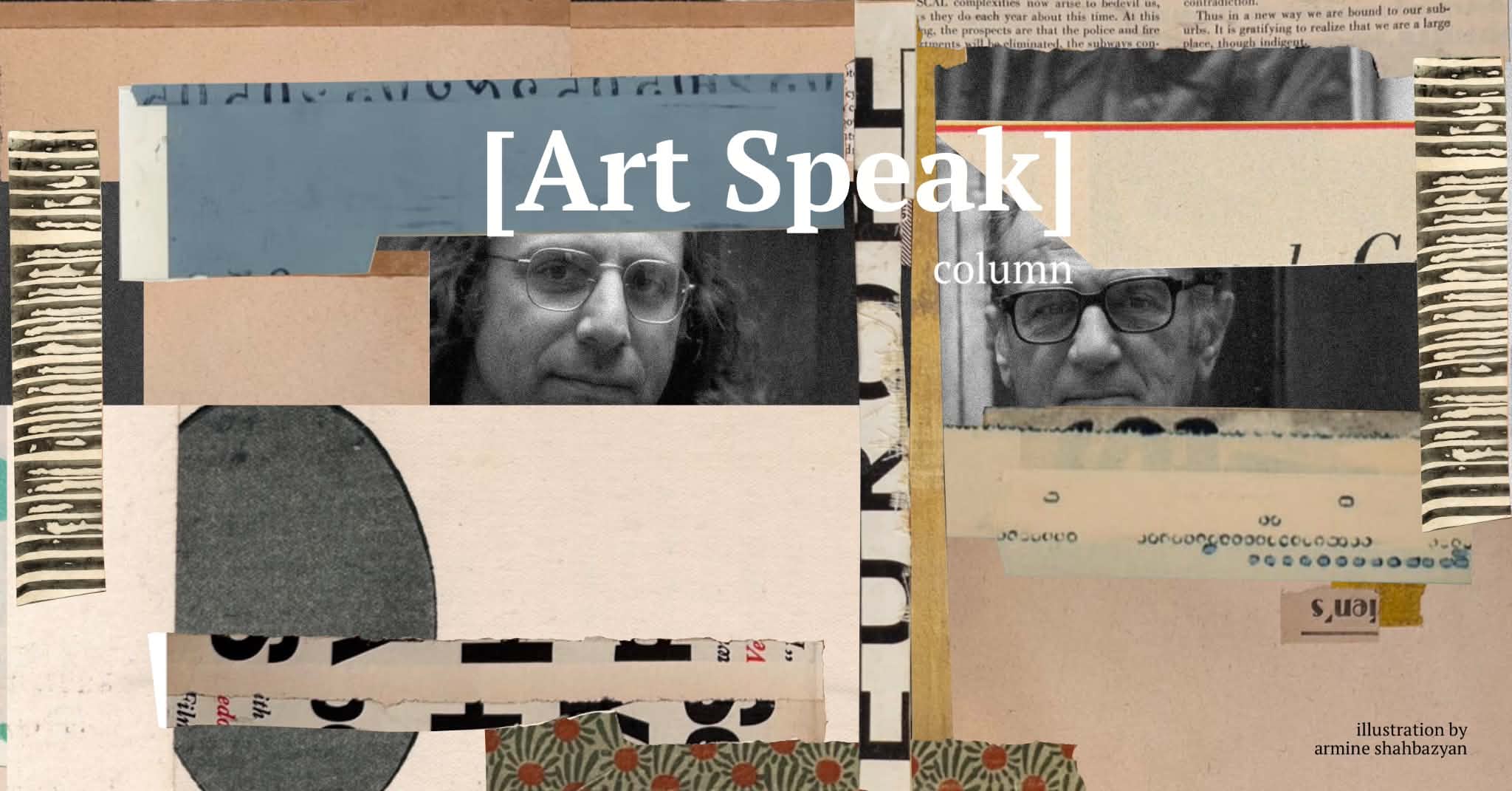
The Duty of Transmission: Hrayr Eulmessekian on Oshagan and Nichanian
EVN Report / Nov 9
Related coverage

Смерть за решеткой доведенного до инфаркта оппозиционера в Армении | «Итоги дня» | 10.11.2026
News.am / 4 hours ago

Հայտնաբերվել է 351 ոչ սթափ վարորդ
1in.am / 4 hours ago

Третий за день танкер подорвался в Ормузском проливе – КСИР
Sputnik Armenia / 4 hours ago

Թուրքիայում 22 ճանապարհ է փակվել
24TV / 24News / 4 hours ago