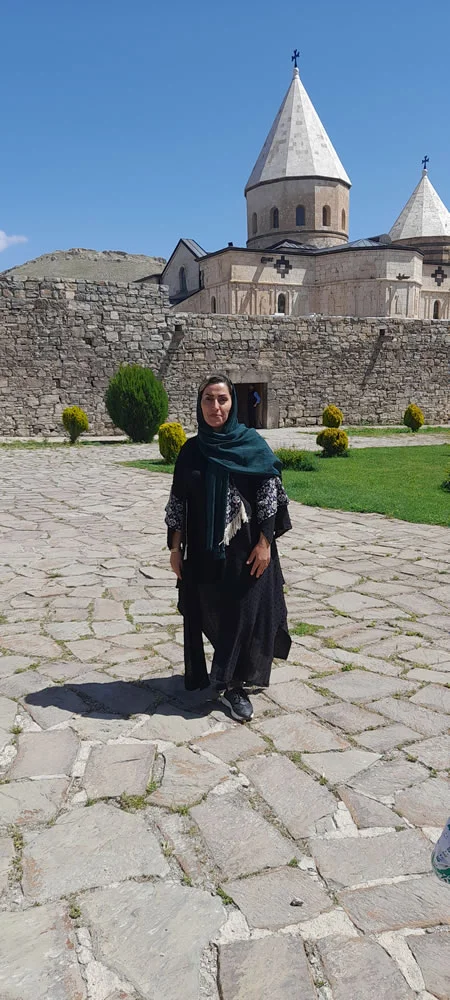
November 5, 2026 By Arthur Hagopian Sydney, Australia An 8-year old boy stands watching his mother knead dough for the family’s daily bread, fascinated by the ease with which her knuckles pound the mixture and shape it to her will. Working up his courage, he asks if he can have a go at it himself. “Baking bread is not a child’s game,” is her non sequitur. Crestfallen, he heads outside, only to be confronted with the stampede of a terrified, frenzied mob, screaming at the top of their voices, “They have come!! They have come! Run!!” The date is April 15, 1915, a black page in the annals of the Armenian nation, and the day Parisa Sheikh Kanlou Milan is to lose all trace of the people from whom she is descended. Her Armenian ancestors. All she has is a name, Garabet Khacho, the boy who is to become her great-grandfather. He survived, that she knows. But what became of the rest of his family, remains a mystery. Perhaps, like him, they also managed to escape. Like Garabet Khacho, some of them might have found sanctuary in the neighboring kingdom of Persia, before it became Iran 20 years later. Parisa is determined to find out what happened not only to him, but also to the other members of her extended family, whose patronymic surname she does not even know. As she trawls with growing anguish and trepidation through the mountain of documents she has amassed so painstakingly over the years, she keeps hoping she will come across some tidbits of historical or genealogical detail that will throw light on her ancestors who once lived in Shahbaghi. Among them are official and unofficial documents, anecdotes and recollections, some of which lack verification or authentication. She is particularly anxious to establish the veracity of anecdotal information that has reached her. What she has learned about her great-grandfather is that after settling in Persia, he changed his name to Ahmad, married a Kurdish woman and reared a family. He named his eldest son Mohammad, Parisa’s grandfather. What about the others? “I know it’s not going to be easy to locate any of them,” she tells me. “After all, it’s been more than a century now,” she says. “They could be anywhere.” Parisa, who herself grew up in a Kurdish family in Iran within the ambience of the Islamic faith, had never before suspected that the blood of an Armenian ran through her veins. Until the day her mother told her that she remembered the family elders talking about something called a “Khatch” (cross). Mention of the word triggered the spark of keen curiosity in her that eventually led to the revelation that her ancestors were Armenians. And prompted her to begin the search to discover what happened in 1915 to the picturesque, ancestral village of Shahbaghi, near the legendary city of Van, with its spreading vineyards, and to the people who lived there. It was inevitable she would come across pictures of the Armenian victims of the slaughter. “I showed the pictures to my mother, and with tears in her eyes, she revealed that not all members of the family survived,” she told Parisa. “I remember your grandfather used to say that his aunts were among those killed, and that they had to walk over the bodies,” she said. The revelation was the first stitch in the canvas of the tapestry Parisa has begun to weave. She realizes it is very hard work, ferreting snippets here and there, scattered among the strings of fading memories, but she says she must continue. “I will not abandon my quest,” she says. Despite the prevalent uncertainty about names and dates, she is encouraged by the fact that she has at least the one name upon whom to anchor the grid of her tapestry: Garabet Khacho, her great-grandfather. “I remember when I was young how the members of our family would gather for the cozy, traditional nighttime shabneshini , to drink tea and recount incidents from their lives,” Parisa says. Although they tried to skirt around the subject of their suffering and destitution, they could not avoid mourning the ones, among them children, that were lost. In one of the anecdotes, they recall how Garabet Khacho and his sisters find shelter inside a building but are trapped there and cannot get out until they stumble upon a culver that led out. In the confusion, Garabet Khacho loses sight of the rest of the family, as he scampers through deserts and climbs mountains in his fight for his life, enduring debilitating thirst and hunger. It is at the end of his tether, barely able to put one foot in front of the other, that he finally catches sight of the promising land of the Persians where, along with the other children who have survived, he is adopted and raised as a Moslem. In the placid ambiance of their new home in the hospitable village of Samas, the surviving family members find peace and a semblance of happiness. For Parisa, the serendipity is marred by the dearth of corroborating official documents that would help her trace back her roots and find her true place in the chronicles of a family whose surname she does not even know, but is determined to find out. “My journey does not stop here,” she vows as she contemplates the shredded memories that have percolated down to her. “Though my Armenian ancestors are lost to me, they will never be forgotten.” A book recounting her quest and bearing the title, “Lost But Not Forgotten,” is planned to appear by the end of the current year or early next 2027. Photo caption: Parisa with the church of St. Stephens in the background.
Free: opens Google Translate with the text filled in. Long articles are split into numbered sections.
Premium: read the translation right here, without leaving HyeNews. Try free for 7 days.
Already in English.
LOST BUT NOT FORGOTTEN
By Arthur Hagopian Sydney, Australia An 8-year old boy stands watching his mother knead dough for the family’s daily bread, fascinated by the ease with which her knuckles pound the mixture...
Comments
No comments yet — be the first to comment.
More from The California Courier
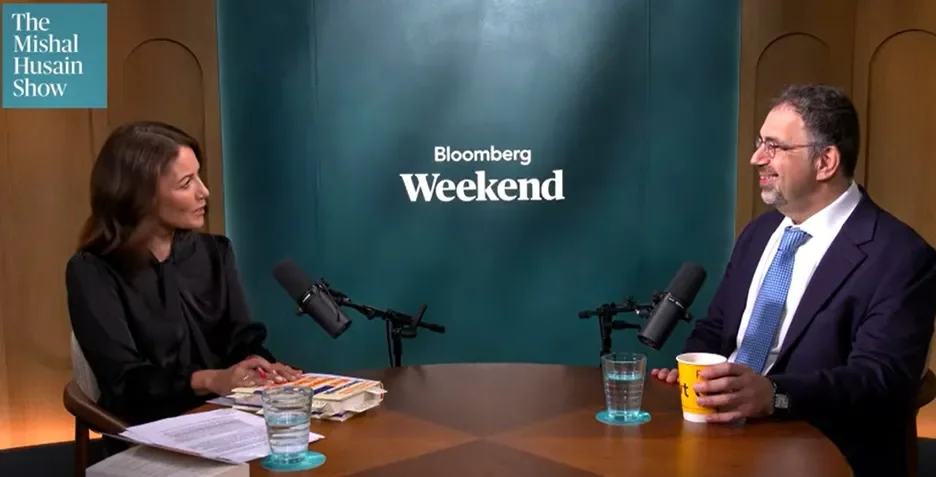
Daron Acemoglu on the Armenian Genocide, Democracy, and AI
The California Courier / 8 hours ago
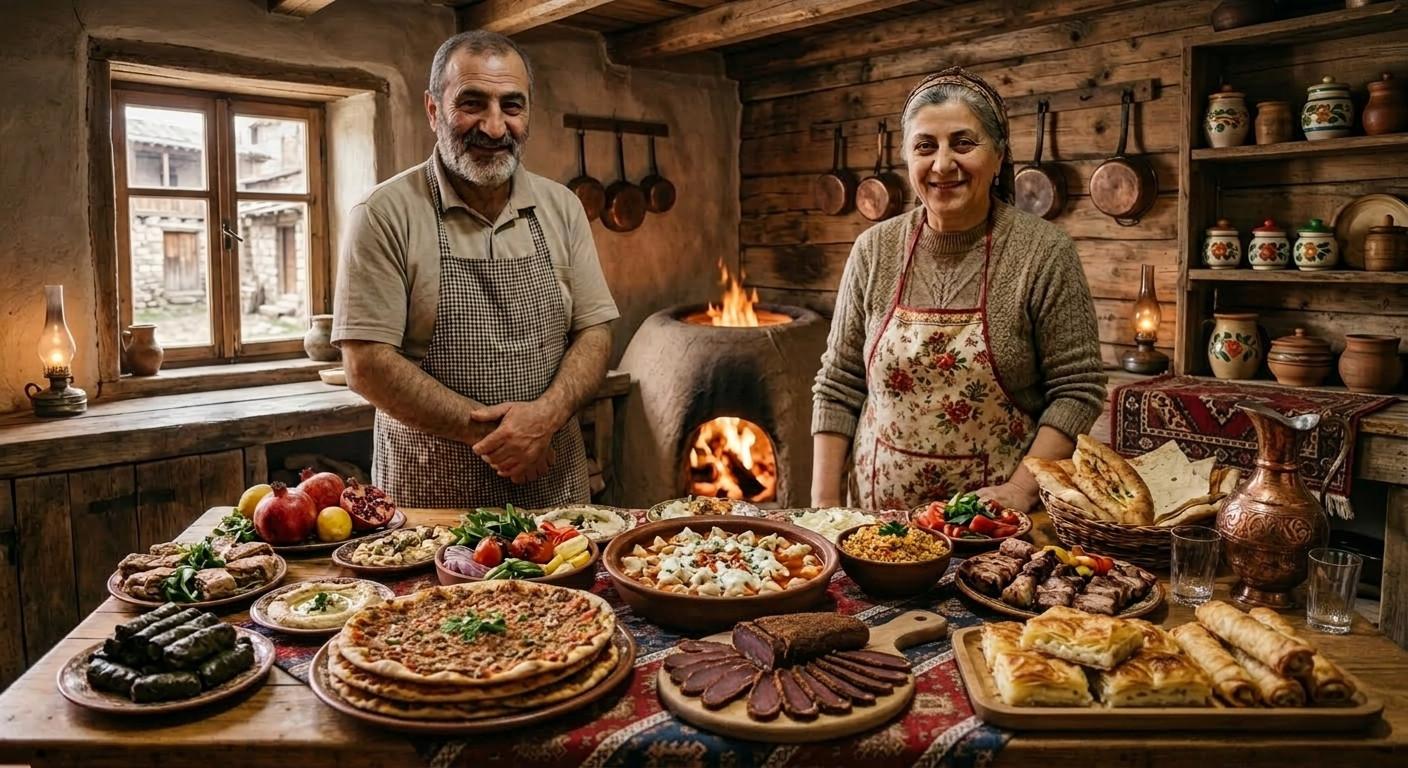
A Tale of Two Hearths: How History Severed and Shaped the Armenian Palate
The California Courier / 8 hours ago
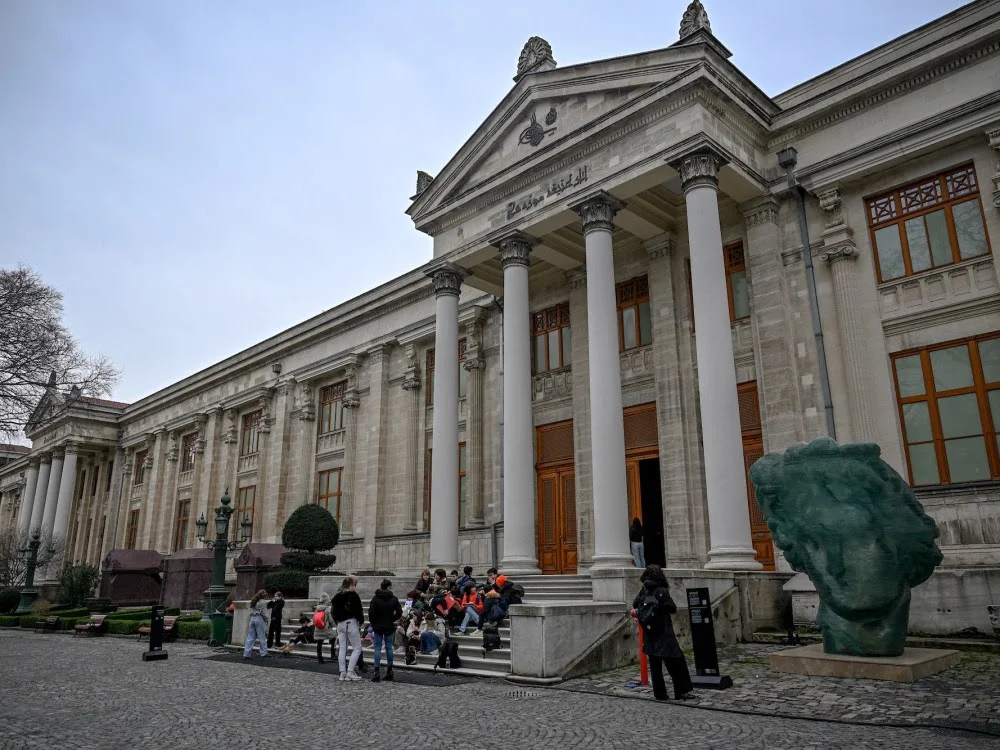
Turkey Uses AI and Other Tech to Claw Back 100 Looted Antiquities from the US
The California Courier / 8 hours ago
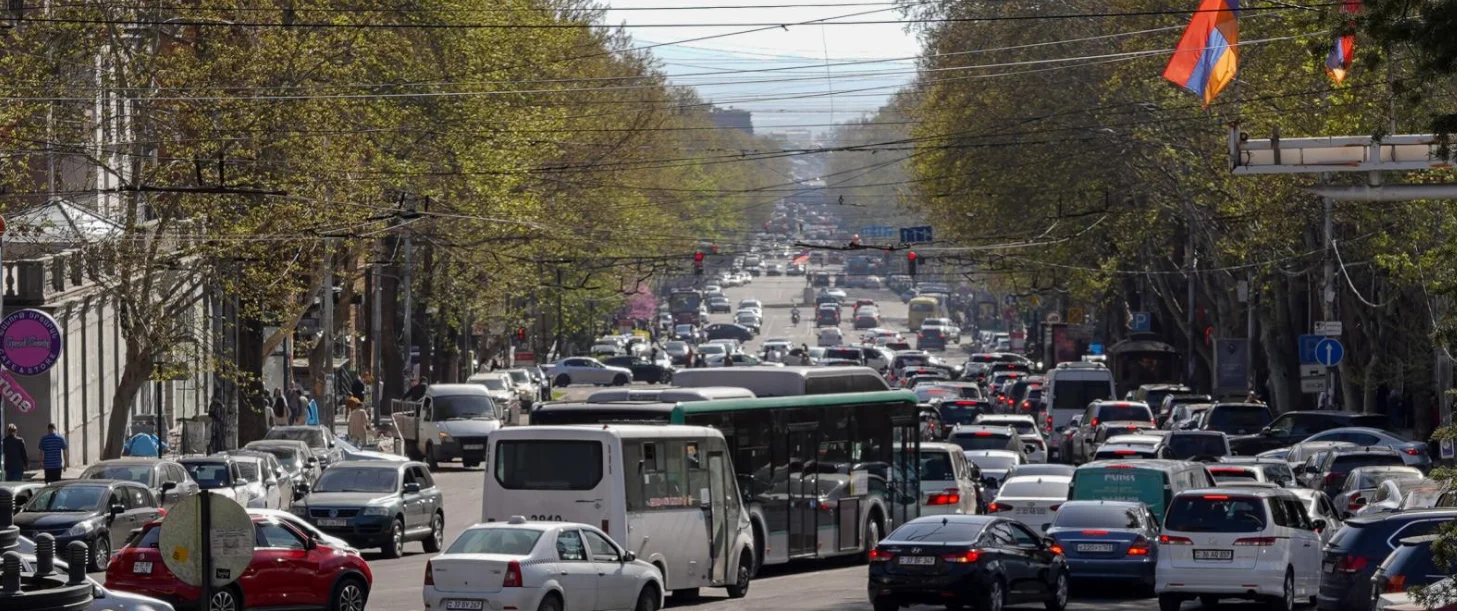
Traffic Nightmare in Yerevan
The California Courier / 8 hours ago
Related coverage

$300,000 Donation Announced to Homenetmen In Memory of Hrair Soghomonian
Asbarez / 6 hours ago

Pashinyan Says Armenia Could Apply for EU Membership in 2027 or 2028
MassisPost / Nov 4
Russia Prepares Proposal on Armenia’s CSTO Status as Organization Rules Out Expulsion
MassisPost / Nov 4

Khachkar Studios Publishes Week #8 of Weekly T•A•P Reporting Across 26 Pilots
Asbarez / Nov 4