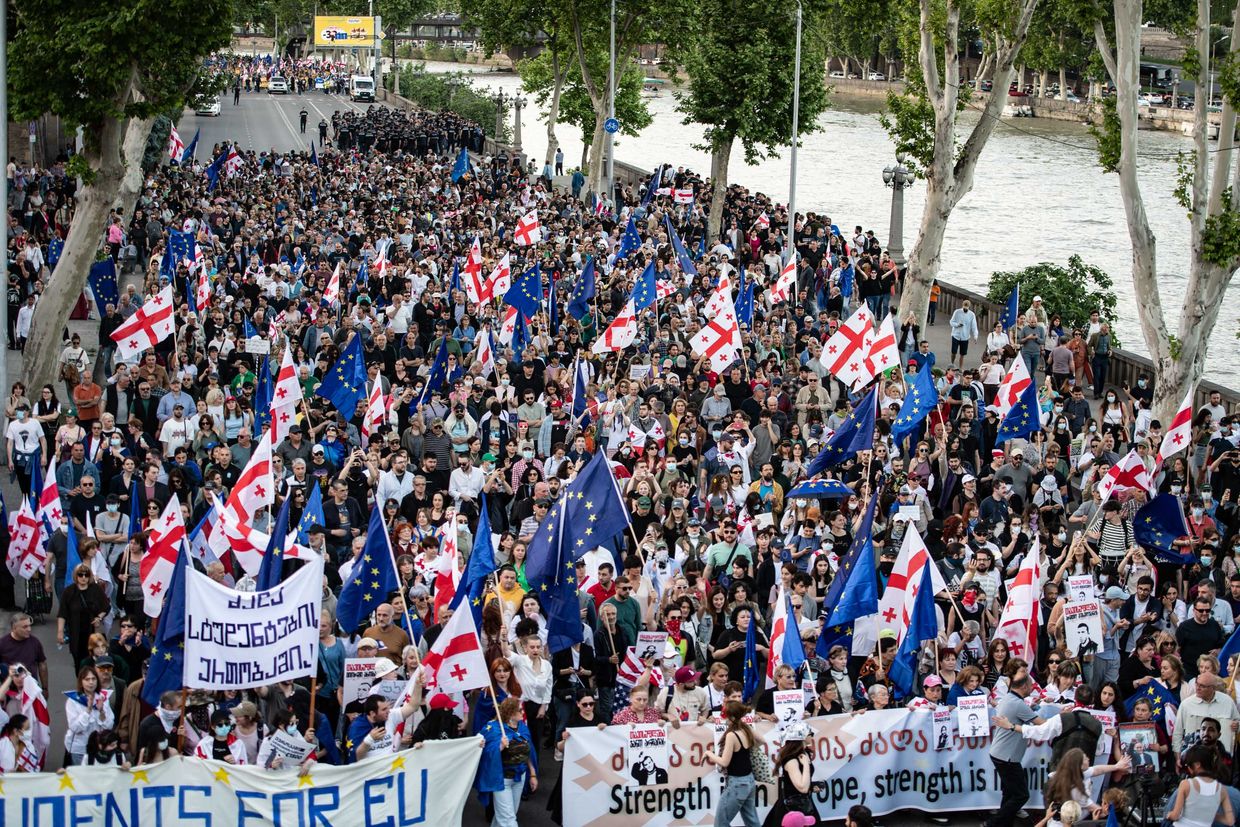
The EU Commission has said Georgia’s EU accession process remains de facto halted, adding that the country is a candidate for EU membership ‘in name only’. In its 2026 enlargement report, published on Wednesday, the Commission said the situation in Georgia had continued to deteriorate, with the ruling Georgian Dream party undermining democratic principles, the rule of law, fundamental rights, and civil society. Georgia received EU candidate status in December 2023, conditional on implementing reforms in areas including democracy, the rule of law, and fundamental rights. However, in June 2024, the EU Council concluded that the Georgian government’s actions had effectively halted the country’s EU accession process. Relations deteriorated further in November 2024, when the Georgian authorities announced that they would not pursue EU accession negotiations until 2028. The EU has also criticised democratic backsliding, restrictions on fundamental rights, and anti-EU rhetoric by Georgian officials. The report covers the period from September 2025 to September 2026. As Georgia’s accession process remains halted, the EU Commission focused its assessment on democracy, the rule of law, and fundamental rights, rather than evaluating the country’s progress across all areas required for EU membership. It added that Georgia continued to fall short of the nine steps set out in its recommendation for granting the country candidate status, while the ruling party had continued to undermine democratic principles and enable further state capture. ‘The state of democracy continued to deteriorate during the reporting period due to a growing erosion of democratic institutions, increased concentration of power, an escalating crackdown on civil and political liberties, further shrinking of the civic space, as well as hostile anti-EU rhetoric and disinformation’, the commission said in its enlargement package. It also raised concerns over attempts to ban major opposition parties through a case at the Constitutional Court, saying this threatened the foundations of the country’s democracy. The commission said most opposition leaders were now either facing criminal charges, in exile, or imprisoned. It also noted that parliamentary oversight remained limited, while the executive branch had further increased its power. On the judiciary, the report said its independence, impartiality, and integrity remained seriously undermined. It also criticised the lack of progress in fighting corruption, noting that the Anti-Corruption Bureau had been abolished and its preventive functions transferred to the State Audit Office. The commission also raised concerns over restrictions on freedom of expression, assembly, and association. It said the safety of journalists and the working environment for independent media had continued to deteriorate, with journalists and media outlets facing harassment, intimidation, and attacks. The report called on the authorities to release all arbitrarily detained people, including politicians, journalists, and activists, repeal legislation restricting fundamental rights, and investigate allegations of excessive use of force by law enforcement officers. Despite its criticism, the commission noted some progress in Georgia’s economy. It assessed the country as moderately prepared in establishing a functioning market economy and said it had made some progress in this area. However, it added that job creation remained limited despite strong economic growth and that significant structural weaknesses persisted. The commission warned that Georgia would continue to miss out on the benefits of EU candidate status and the pre-accession process unless the authorities changed course and recommitted to the principles underpinning EU membership. It also reiterated the EU’s support for Georgia’s independence, sovereignty, and territorial integrity, as well as for the European aspirations of the Georgian people. The 2026 Enlargement Package also includes the reports assessing progress made by Montenegro, Albania, Ukraine, Moldova, Serbia, North Macedonia, Bosnia and Herzegovina, Kosovo, and Turkiye on their respective paths towards EU membership. Georgian Foreign Ministry rejects report’s findings Georgia’s Foreign Ministry has rejected the commission’s assessment, accusing it of containing factual inaccuracies and misleading conclusions. In a statement issued on Wednesday, the ministry argued that the EU had failed to hold any meetings with Georgia under the EU–Georgia Association Agreement during the reporting period, which it said had limited the commission’s ability to objectively assess the country’s progress. The ministry said the EU had suspended dialogue with Georgia following the EU Council’s conclusions of 27 June 2024, adding that this had prevented meetings under the Association Agreement at all levels. The ministry also accused the report of reinforcing what it described as ‘anti-Georgian narratives’. ‘It is concerning that the European Commission’s report, based on factual inaccuracies and false assessments, contributes to reinforcing anti-Georgian narratives’, the ministry said. The ministry rejected the report’s characterisation of the government’s actions as state capture, arguing that governing the country was the responsibility of a government elected by the people. It further accused the commission of politicising legal matters through what it described as selective analysis and of attempting to interfere in Georgia’s internal affairs. The statement also criticised the report for describing Georgian politicians’ responses to actions directed against the country by various actors as hostile rhetoric, saying this amounted to an attack on freedom of expression. Despite its criticism, the ministry said it would examine the report in detail and submit substantiated comments to the EU Commission. It also reiterated the Georgian government’s readiness to engage in open and constructive dialogue with the EU on the basis of mutual respect. EU ambassador says Georgia’s EU path remains open EU Ambassador to Georgia Pawel Herczynski at a press conference following the publication of the report said that over the last year the situation in Georgia has deteriorated further, with serious democratic backsliding, a rapid erosion of the rule of law and restrictions on fundamental rights. However, Herczynski stressed that Georgia’s European path remained open if the authorities changed course and recommitted to democracy, the rule of law, and fundamental rights. ‘Our support for the European aspirations of the Georgian people remains unchanged’, he said. Answering a question from the opposition leaning TV Pirveli , Herczynski also addressed the Georgian government’s calls for dialogue with the EU. ‘What do you expect the EU to discuss? Do you expect senior representatives of European institutions to discuss the so-called “deep state”, the “Global War Party” or do you expect us to discuss the differences between the European Union and the Soviet Union?’ Herczynski asked. ‘This smear campaign must stop for dialogue to resume’, he said.
Free: opens Google Translate with the text filled in. Long articles are split into numbered sections.
Premium: read the translation right here, without leaving HyeNews. Try free for 7 days.
Already in English.
EU says Georgia remains candidate ‘in name only,’ claims democracy deteriorating
The Georgian foreign ministry has rejected the assessment.
Comments
No comments yet — be the first to comment.
More from OC Media
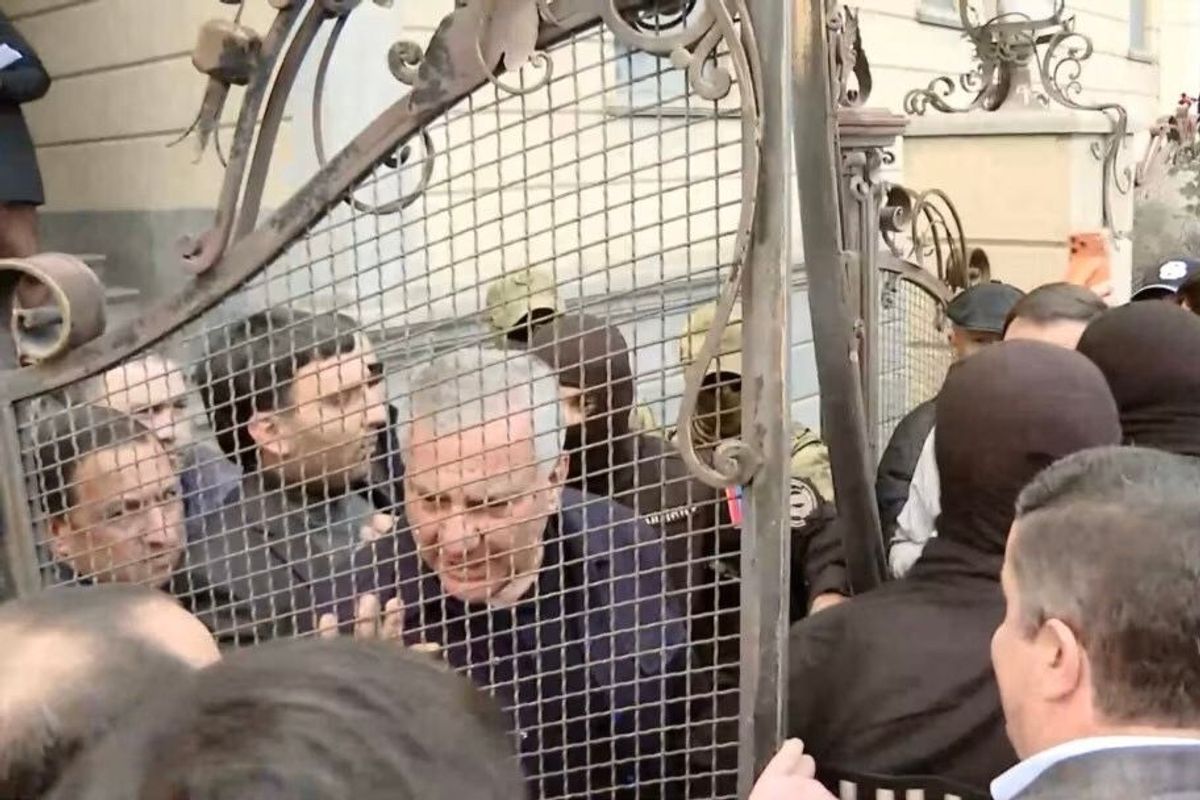
Armenian opposition forms alliance against plan to amend constitution following Karapetyan arrest
OC Media / 18 minutes ago
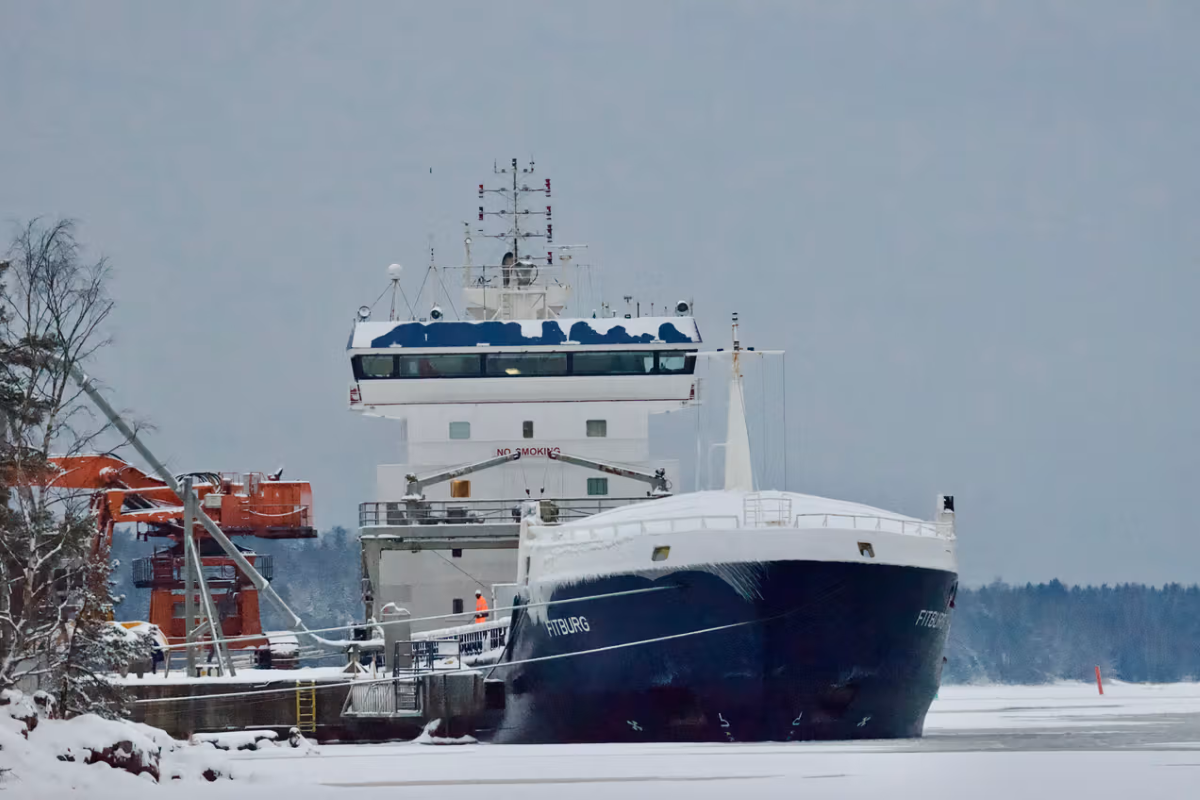
Finnish court sentences Azerbaijani sailor to three years over undersea cable damage
OC Media / 58 minutes ago
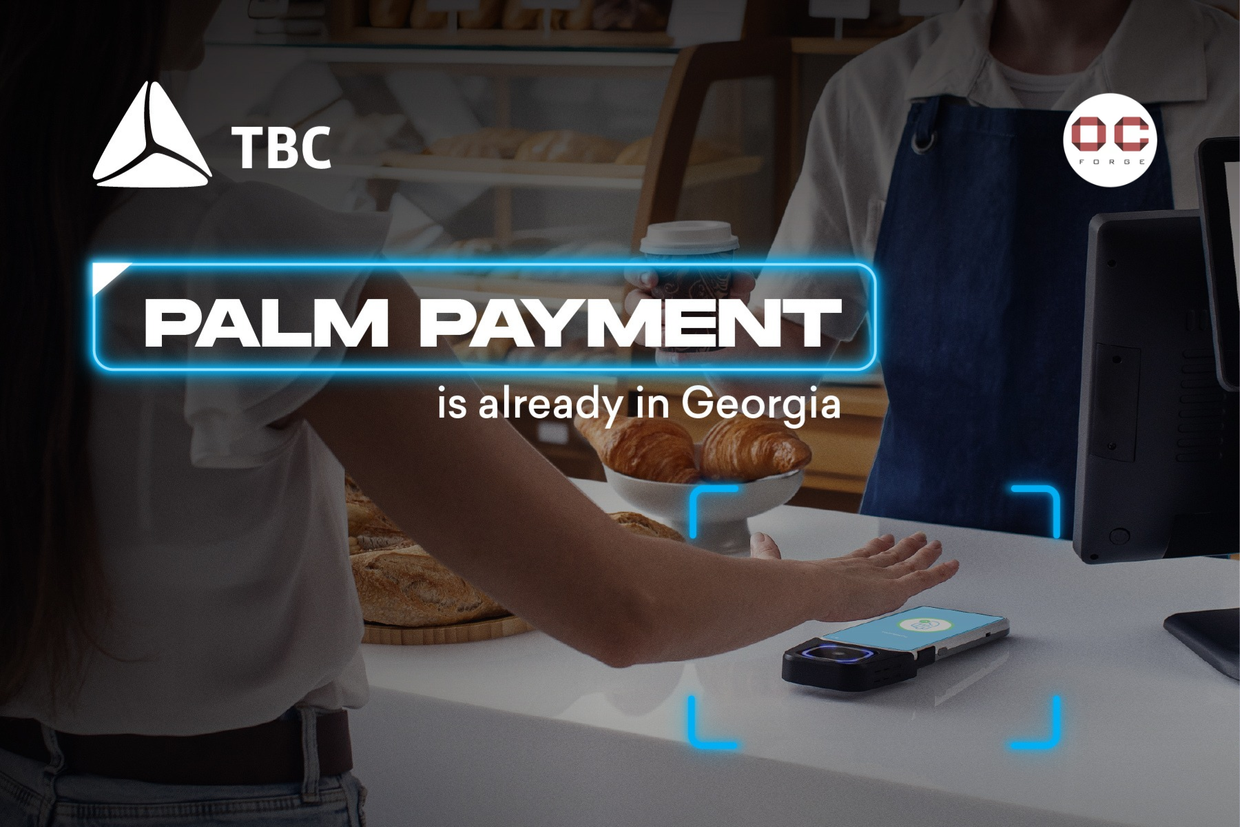
TBC becomes Georgia’s first bank to introduce palm payment
OC Media / 1 hour ago
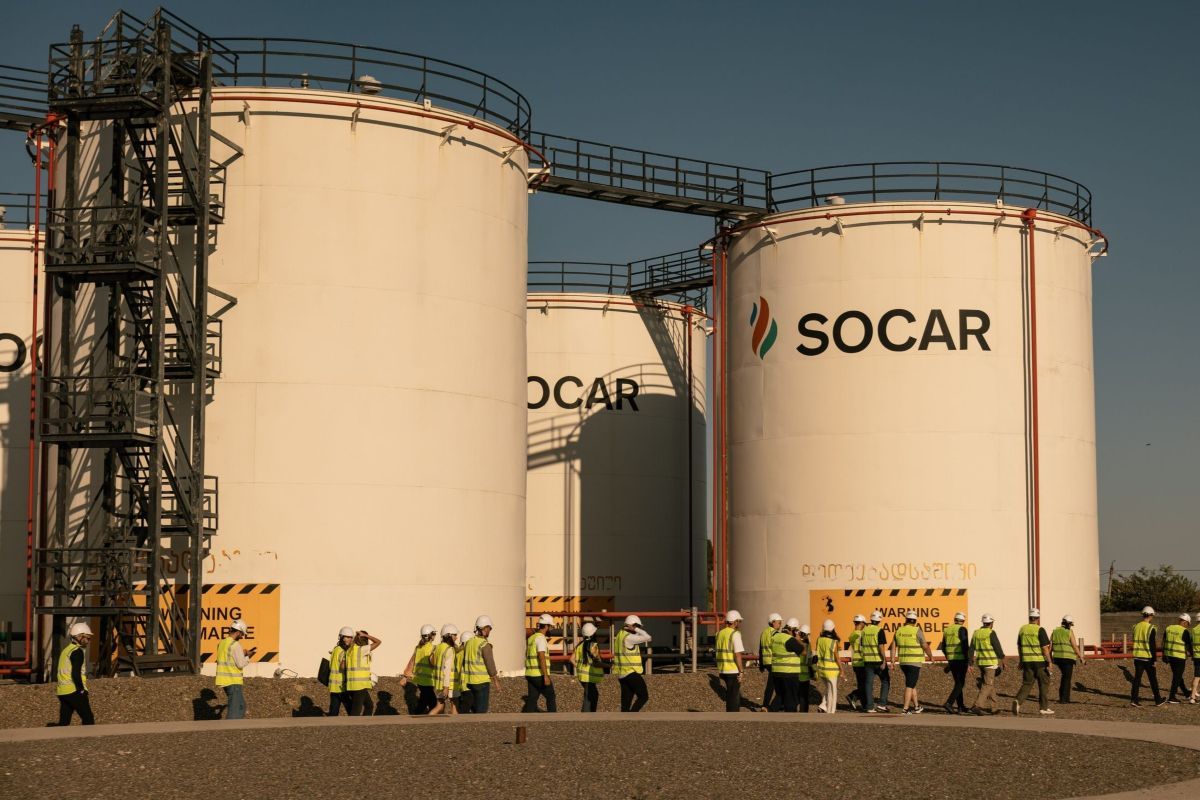
Azerbaijan’s SOCAR to acquire $1.7 billion worth of energy assets in US
OC Media / 2 hours ago
Related coverage
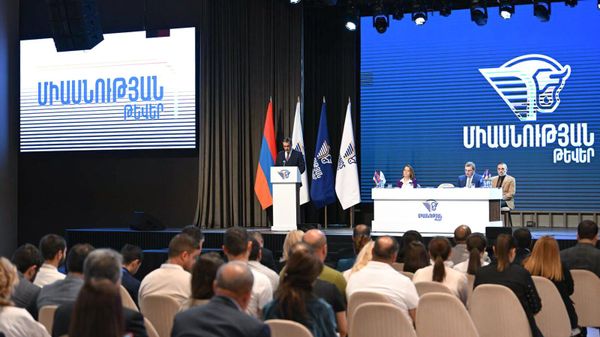
«Միասնության թևերը» պատրաստ է միանալ ընդդիմադիր ուժերին
Sputnik Armenia / 11 minutes ago
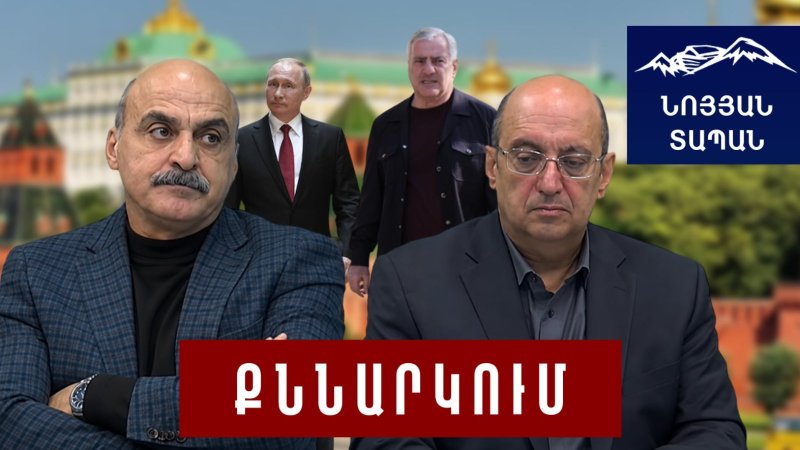
There is panic in the Kremlin. The surname doesn't matter—whether it's Pashinyan or Karapetyan, the essence is the province.
Noyan Tapan TV / 12 minutes ago

Կրեմլում խուճապ է. Ազգանունը կարևոր չի՝ Փաշինյան, թե Կարապետյան, էությունը գուբերնիան է
Noyan Tapan TV / 17 minutes ago

Մեր ժողովուրդը սպասում է միաբանված ընդդիմադիր ուժի, արտաքին ուժի ճնշման տակ ոչինչ չպետք է անենք
Pastinfo / 34 minutes ago