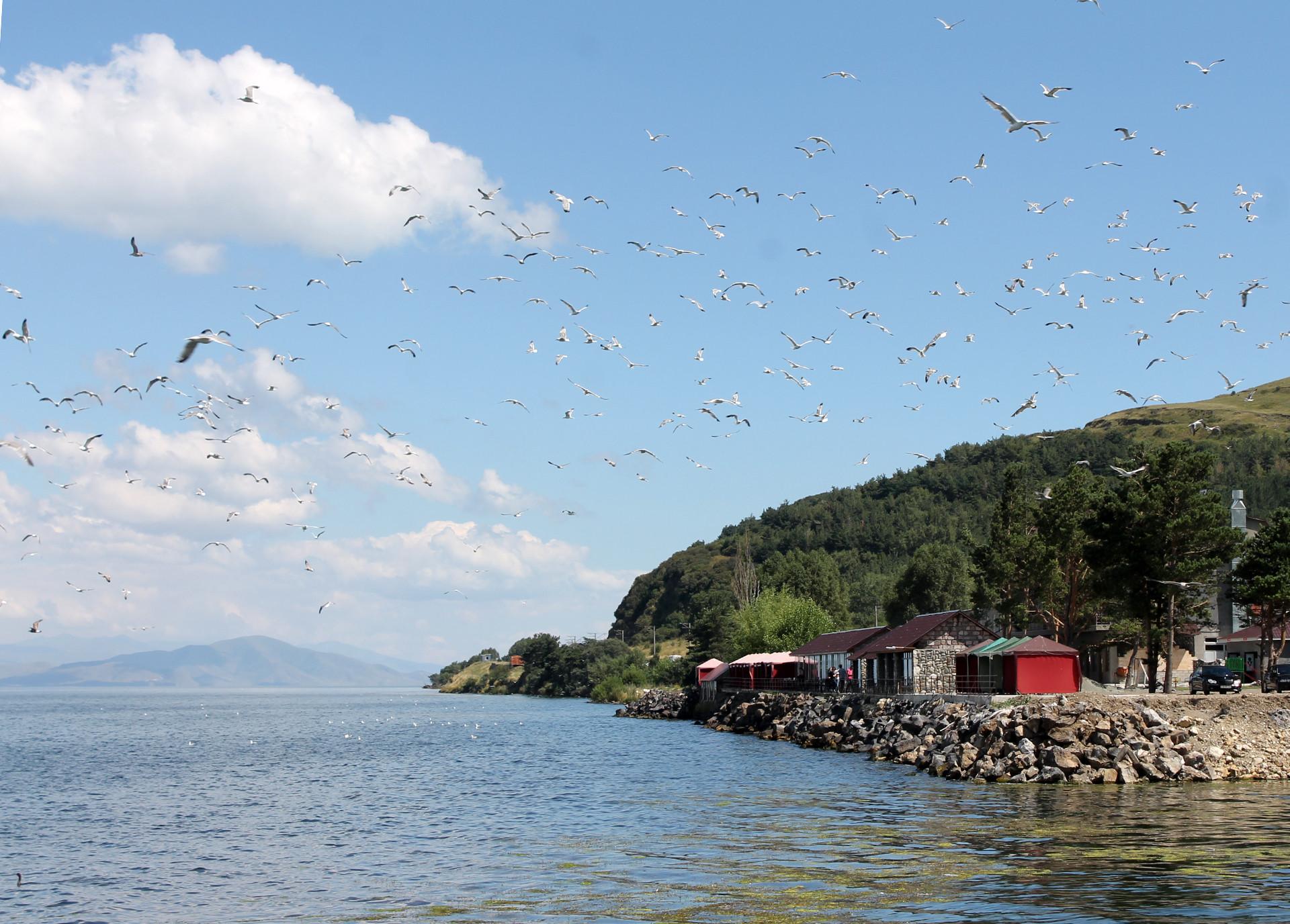
Freshwater ecosystems are facing a catastrophic decline, experiencing an 85% drop in observed wildlife populations according to the World Wildlife Funds (WWF) latest "Living Planet Report." This loss significantly outpaces the already severe global wildlife decline of 73%. In an interview with Hetq while attending the COP17 UN Convention on Biological Diversity conference in Yerevan, WWF Freshwater Policy Lead Christine Colvin highlighted that the planet is confronting monumental hurdles in securing and maintaining freshwater health. This ecological crisis is being driven heavily by global population growth, rising water demand, and infrastructure like large dams and hydroelectric plants. Born out of the 2023 UN Water Conference, the Freshwater Challenge was originally launched by a coalition of six nations: Mexico, Colombia, Ecuador, the Democratic Republic of the Congo, Gabon, and Zambia. The initiative serves as a direct mechanism to fulfill the Kunming-Montreal Global Biodiversity Framework targets, which mandate the restoration and effective conservation of at least 30% of the world's degraded terrestrial, inland water, coastal, and marine ecosystems by 2030. Globally, the challenge aims to revive 300,000 kilometers of rivers and 350 million hectares of wetlands by the end of the decade. Christine Colvin Armenia officially pledged its commitment to the initiative during the COP17 UN Convention on Biological Diversity, which the country hosted in Yerevan from October 19 to 30. By signing on during this summit, Armenia joined the European Union and 55 other nations in a united front to protect inland waters. During the COP17 summit, an Armenian government representative spotlighted the critical condition of Lake Sevan. Speaking with Hetq, Colvin noted that while the lake is a vital natural lifeline for Armenia, it is heavily impacted by pollution. She stressed that saving Lake Sevan requires looking beyond the water itself; fishing regulations must be paired with sweeping agricultural reforms and wastewater treatment along the upper river reaches. True ecological resilience means designing catchment-wide strategies that allow the entire ecosystem to recover, ensuring a reliable water supply as the climate changes. Colvin added that Armenia has placed Lake Sevan and the vital connection between mountain and freshwater systems at the heart of its presidency. Drawing on her extensive experience protecting South Africa's critical mountain water source zones, she emphasized that conserving these headwaters secures biodiversity and guarantees water safety for everyone downstream. Armenia hopes to actively exchange these strategies with other mountainous member nations. Colvin observes that Armenia's landscape offers a unique advantage. Unlike arid nations that depend strictly on hidden groundwater, Armenia holds a vast, highly visible, and accessible surface reserve because Lake Sevan is so large relative to the country's total area. Most countries around the world do not share Armenias unique geography and must rely almost entirely on groundwater resources. Colvin contrasts Armenia's surface riches with the south of England, where a massive subterranean chalk aquifer provides a natural underground reservoir. Urban sprawl, heavy road construction, paving, and soil compaction from agriculture prevent rain from penetrating the soil to replenish these deep-water reserves. Because utility providers depend completely on these aquifers, Colvin stresses that nations must implement aggressive land management adjustments to restore soil permeability and boost groundwater absorption. Colvin emphasized that agriculture heavily drains these resources, swallowing over 70% of global fresh water and driving rapid land transformation that destroys wetlands faster than forests. In her conversation with Hetq, she stressed the need for smarter agricultural water management, such as eliminating pipeline leakages and avoiding massive surface reservoirs where vast amounts of water simply evaporate. Because irrigated fields serve as vital catchment zones for rivers and groundwater, Colvin advised adopting farming methods that improve water infiltration naturally, which reduces the need for expensive artificial infrastructure. This requires rigorous monitoring of fluctuating water tables during droughts and wet seasons, selecting climate-appropriate crops instead of thirstier plants in low-rainfall zones, and swapping harmful pesticides for natural farming methods to curb environmental pollution. With the climate crisis escalating, WWF warns governments against building new dams or digging deep wells without first securing the surrounding ecosystem. Colvin pointed out that constructing a dam without protecting its watershed is a multi-million-dollar waste, as the structure will completely choke with sediment and become entirely useless within five years. Levon Aghasyan, Director of WWFs Armenian branch, explained to Hetq that joining the Freshwater Challenge opens doors for Armenia to access crucial international programmatic support and funding for aquatic conservation. Aghasyan warned that while mountainous Armenia does not currently lack water reserves, reckless consumption could trigger severe shortages soon, making careful management an immediate necessity. Levon Aghasyan Despite global biodiversity targets including inland waters, a recent global report unveiled at COP17 showed that freshwater environments remain the most neglected ecosystems in conservation reporting. Colvin explained that this lack of attention drove the creation of the Freshwater Challenge. WWF acts as a primary supporter of the initiative, meeting regularly with member nations to understand their specific restoration obstacles. Colvin described the Freshwater Challenge as a supportive global family of nations pushing each other toward progress, but warned that the window for action is shutting fast. If countries fail to revive their lakes, rivers, and wetlands right now, escalating temperatures and severe climate disruptions will soon make effective restoration impossible. Top photo: Lake Sevan (by Vahe Sarukhanyan)
Free: opens Google Translate with the text filled in. Long articles are split into numbered sections.
Premium: read the translation right here, without leaving HyeNews. Try free for 7 days.
Already in English.
The Freshwater Countdown: Armenia Joins a Global Race to Save Its Overlooked Ecosystems
WWF Freshwater Policy Lead Christine Colvin highlighted that the planet is confronting monumental hurdles in securing and maintaining freshwater health.
Comments
No comments yet — be the first to comment.
More from Hetq
ԱԽ քարտուղար Ալեն Սիմոնյանը մասնակցել է «Հայկական խորհրդի» նախաձեռնությամբ անցկացված համաժողովին
Hetq / 8 hours ago

Պարեկներն ինքնագլորը հանդիպակաց վարող երիտասարդի զննությամբ հայտնաբերել են ապօրինի խլացուցիչով ինքնաձիգ
Hetq / 9 hours ago

Բաց էներգիա․ կուտակիչների բացակայությունը, խախտումները, լիցենզիաները #shorts #էներգիա #տնտեսություն
Hetq / 9 hours ago

Միկրոձեռնարկատիրության տարեկան շրջանառության շեմը 24 մլն-ից կդառնա 50 մլն դրամ
Hetq / 12 hours ago
Related coverage

2027 թ. պետական բյուջեի նախնական քննարկում. ԱԺ մշտական հանձնաժողովների համատեղ նիստ. ՈՒՂԻՂ
Aravot / 1 hour ago

Փաշինյանի ճնշումները և հնարավոր բախումները. Ի՞նչ «Գաղտնի պլան»-ի մասին է խոսել երկրի վարչապետը
Alpha News / 1 hour ago

ՀՀ ՊԵԿ նախագահ Էդուարդ Հակոբյանի ճեպազրույցը
Aravot / 1 hour ago

ՊԵԿ նախագահ Էդուարդ Հակոբյանի ճեպազրույցը
Armenpress / 3 hours ago