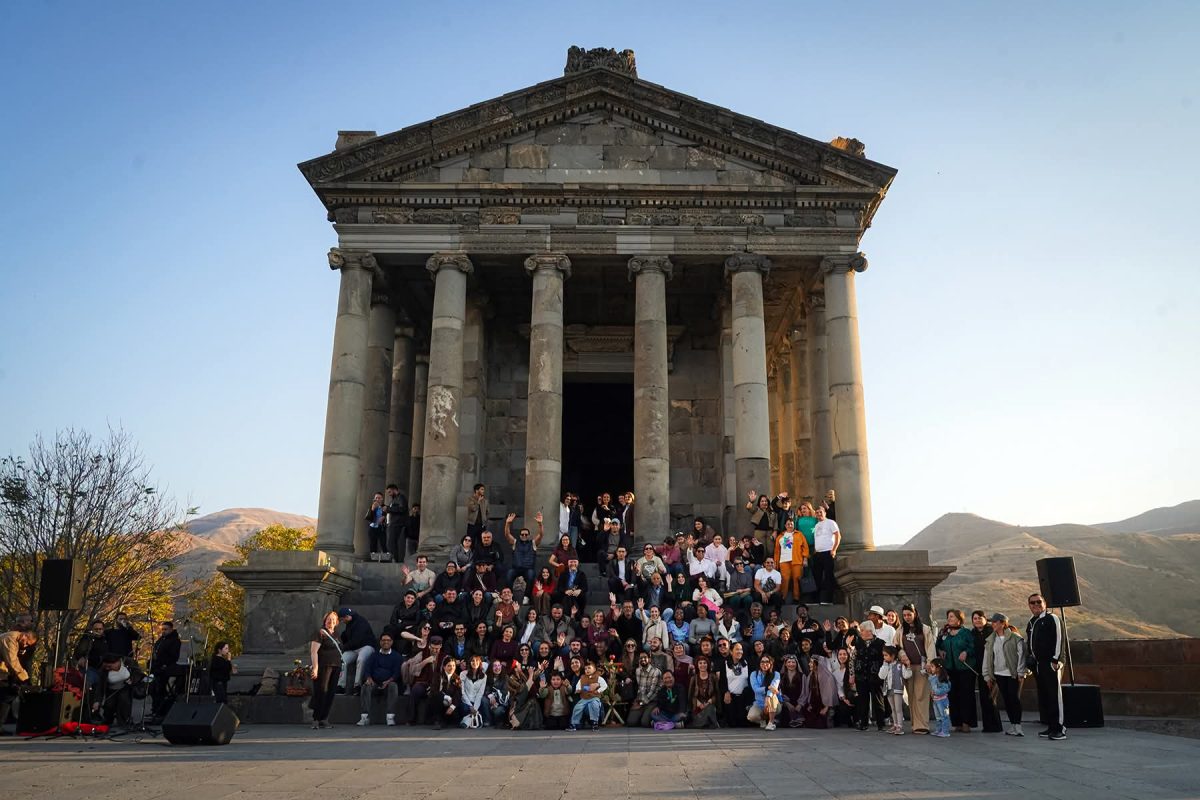
Participants in the “Culture and Nature” conference held within the framework of the 17th Conference of the Parties to the UN Convention on Biological Diversity (COP17) visited historical and cultural sites in Armenia’s Kotayk and Gegharkunik provinces to explore the links between cultural heritage, biodiversity and environmental protection. The program included visits to the Geghard Monastery, the Garni Temple and the Symphony of Stones natural monument. Near Garni Temple, the traditional Armenian song and dance ensemble Masunk performed songs and dances reflecting the Armenian people’s cultural connection with nature. The program featured traditional works including “Khнki Tsar,” “Tsoren Em Tsane” and the “Tsar Punjelu” dance-song, as well as dances inspired by animals and their movements, including “Krnкaven,” “Ghaz-Ghazi” and “Zakeni.” An exhibition and fair also showcased the work of the Hovhannes Sharambeyan Museum of Folk Arts, the Teryan Cultural Center, local producers and artisans. The participants subsequently visited the Norashen reserve within Sevan National Park, where they learned about the ecological importance of Lake Sevan and the biodiversity of the surrounding area. At the Sevan Botanical Garden, they were introduced to plant species growing in the region and adapted to local conditions, including species listed in Armenia’s Red Book. In the town of Sevan, local artists and producers presented their work and products. The NGO for the Development and Preservation of Armenian Culinary Traditions introduced participants to the country’s culinary heritage through a demonstration of traditional food preparation. The program continued at the Sevan Cultural Center with a screening of the documentary People of the Lake: Sevan’s Fishermen . Produced by the Sevan Youth Club NGO with the support of Armenia’s Ministry of Education, Science, Culture and Sport, the film explores the fishing traditions of Lake Sevan, the memories of local fishermen and their enduring connection with the lake. The screening was followed by a discussion with the fishermen featured in the documentary and a concert by the GAMMA Band. The day’s cultural program concluded at the Bohem art studio and teahouse, where participants sampled “Sevan tea,” made from local plant species, and took part in a creative workshop. The field visits highlighted how Armenia’s cultural traditions, local knowledge and natural heritage are interconnected, underscoring the role of cultural engagement in promoting biodiversity conservation and environmental awareness.
Free: opens Google Translate with the text filled in. Long articles are split into numbered sections.
Premium: read the translation right here, without leaving HyeNews. Try free for 7 days.
Already in English.
COP17 participants explore Armenia’s cultural heritage and biodiversity in Garni and Sevan
Comments
No comments yet — be the first to comment.
More from Public Radio of Armenia
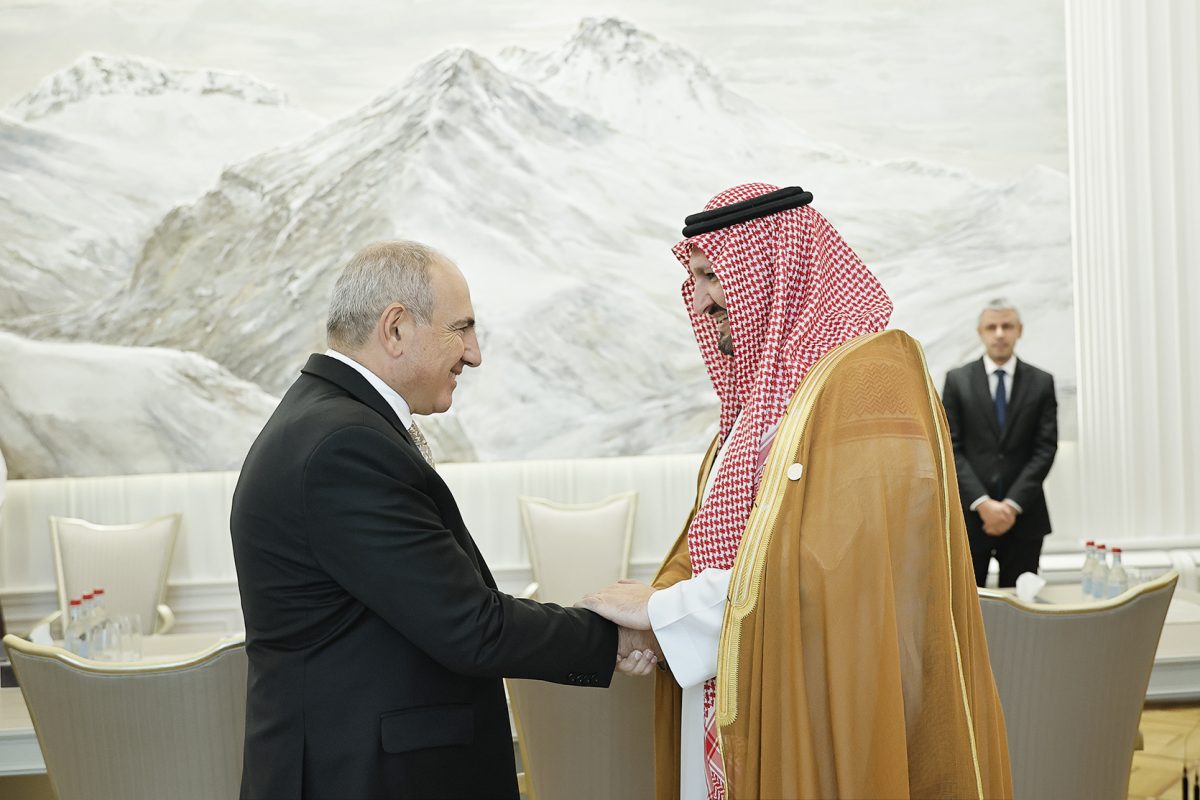
Armenia, Saudi Arabia discuss expanding relations and investment opportunities
Public Radio of Armenia / 30 minutes ago
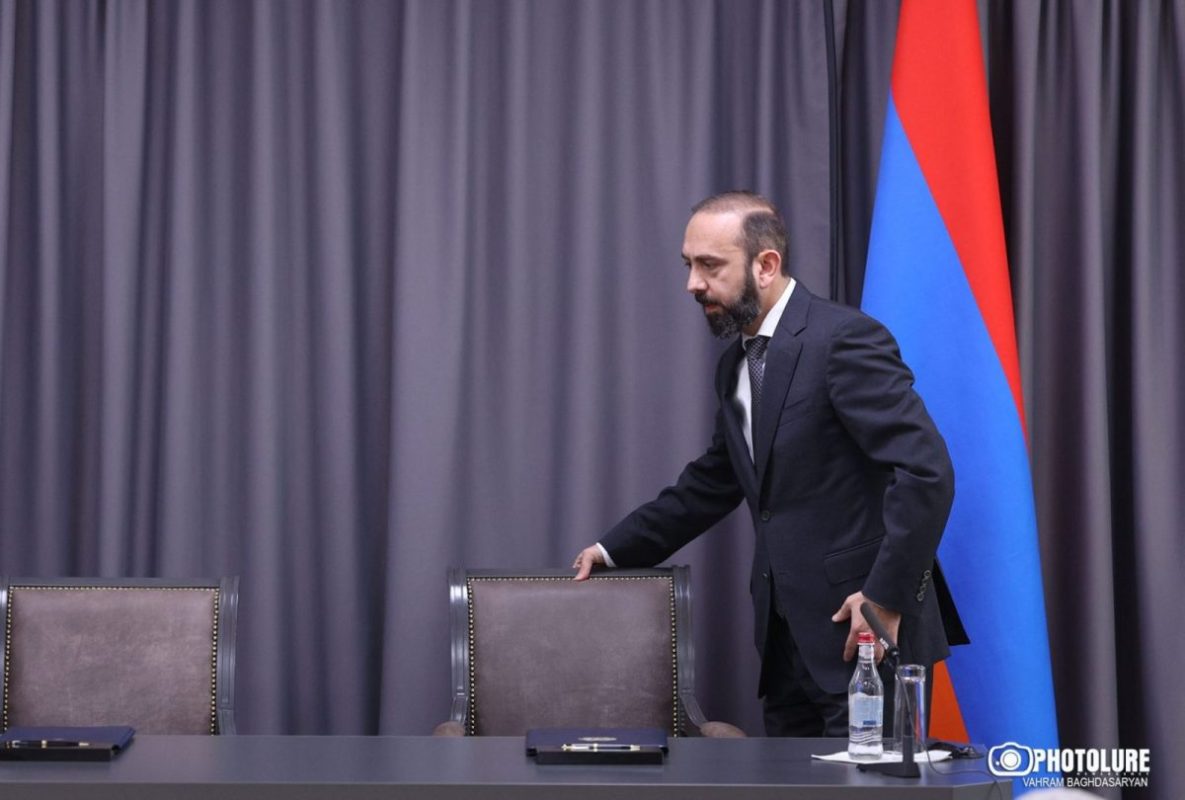
Armenia rules out return to CSTO, says Foreign Minister
Public Radio of Armenia / 32 minutes ago
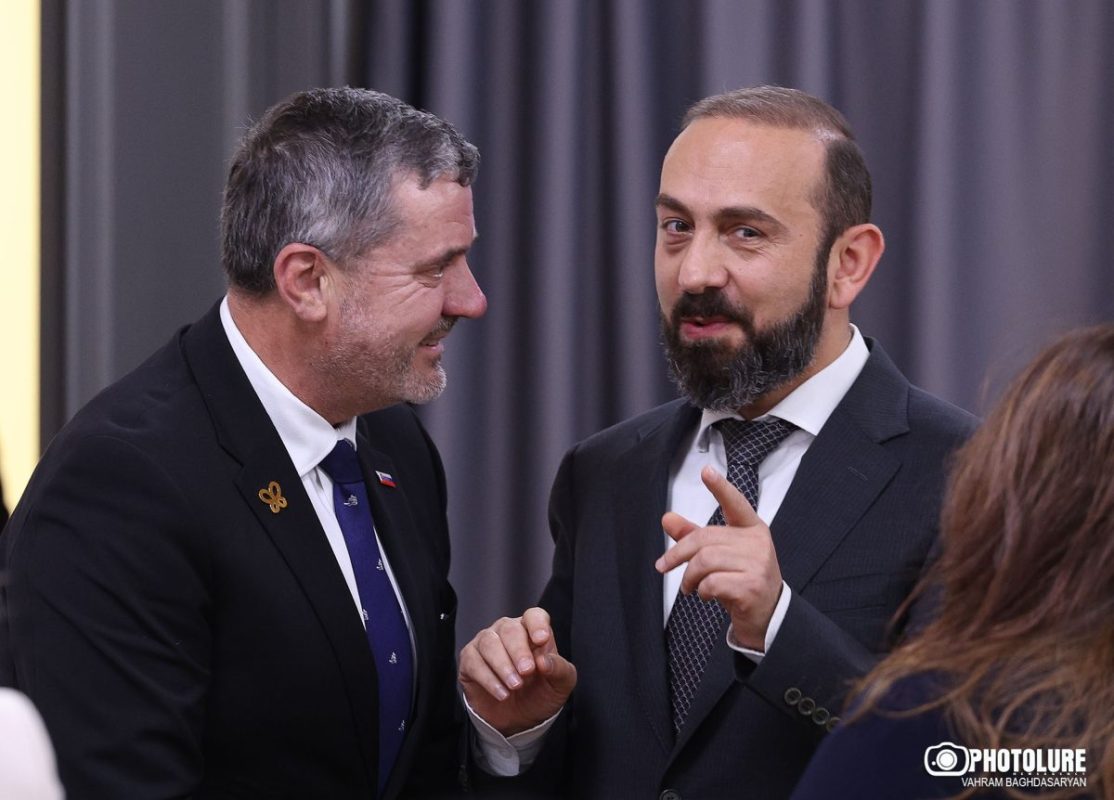
Slovenia reaffirms support for Armenia’s EU Integration, welcomes visa liberalization progress
Public Radio of Armenia / 1 hour ago

«Ես առողջ եմ»․ Լյարդի փոխպատվաստում 28.10.2026
Public Radio of Armenia / 3 hours ago
Related coverage

#ՀԻՄԱ․ ՎԱԼՈԴՅԱ ԳՐԻԳՈՐՅԱՆԻ ԱՂՄԿԱՀԱՐՈՒՅՑ ԳՈՐԾՈՎ ԴԱՏԱԿԱՆ ՆԻՍՏԸ․ #ՈՒՂԻՂ
168 Jham / 11 minutes ago

Թրամփի Խաղաղության խորհրդի կանոնադրությանը կողմ քվեարկեց նաև ընդդիմությունը
168 Jham / 14 minutes ago

«Խորհրդարանական կառավարմամբ Իսրայելում ավարտվեց Կնեսետի համար քվեարկությունը, սակայն նոր կառավարության ձևավորման համար դեռ շատ գործընթացներ կան». Զաքարյան
168 Jham / 15 minutes ago

Ռոբերտ Քոչարյանը թող ինձ դատի տա, եթե այդ տեսանյութը կեղծ է. Վահագն Ալեքսանյան
Factor.am / 16 minutes ago