Russia’s agricultural watchdog, Rosselkhoznadzor, will visit Georgia from 2 November to inspect the country’s phytosanitary certification system for fruit exported to Russia, the agency announced on Monday. The visit comes after Russia temporarily suspended imports and sales of certain alcoholic and non-alcoholic beverages from Georgian producers earlier this month, citing quality control reasons. Moscow has denied that the restrictions were politically motivated. Russia has imposed wide-reaching import restrictions on Armenian goods in recent years. Moscow has cited quality and safety concerns in those cases as well, while critics have suggested the measures were politically motivated amid deteriorating relations between Russia and Armenia. The announcement follows a three-day regional workshop organised by the World Organisation for Animal Health (WOAH) in Tbilisi from 20–22 October, which brought together regional and international experts to discuss strengthening veterinary product regulatory systems. Representatives of Russia’s Federal Service for Veterinary and Phytosanitary Surveillance (Rosselkhoznadzor) also participated in the workshop. Georgia and Russia have had no diplomatic relations since the 2008 August war but maintain trade and economic relations. The Russian delegation will examine Georgia’s phytosanitary certification system for pome and stone fruits exported to Russia. It will also audit a laboratory that tests plant-based products for pesticide and agrochemical residues before they enter the Russian market. The last time Russia did this kind of inspection was in 2014. Rosselkhoznadzor said the visit, arranged at the invitation of Georgia’s National Food Agency, aims to establish common approaches to controlling goods subject to quarantine requirements. The two sides are also expected to hold video talks on the programme for the visit. ‘The visit aims to establish common approaches to controlling goods subject to quarantine requirements’, Rosselkhoznadzor added. The agency reported that Russia had imported 70,500 tonnes of fruit and vegetable products from Georgia as of 24 October 2026. Its data showed increases in imports of nectarines, apples, blueberries, plums, mandarins, fresh figs, and watermelons compared with the same period a year earlier. On 22 October, Rosselkhoznadzor stated two Georgian dairy-processing plants would gain access to the Russian market from November. The agency said it had initiated a request to the relevant Eurasian Economic Union (EAEU) authorities to approve the plants’ inclusion in the register of enterprises from third countries. Russia also expressed readiness to inspect six Georgian fish and seafood producers interested in exporting to Russia. Their products would be eligible to enter the Russian market if the inspections found no violations, the agency said. On 10 October, it emerged that Russia had temporarily suspended the import and sale of some alcoholic and non-alcoholic drinks from several Georgian producers. The affected products included wine from Teliani Valley, Tbilvino, and Wine Man; wine and brandy from Askaneli Brothers; beer from the Georgian Beer Company; Coca-Cola produced in Georgia; and Nabeglavi mineral water, produced by Healthy Water. Russian Foreign Ministry spokesperson Maria Zakharova described the restrictions as routine quality-control measures and denied that they were politically motivated. Georgia’s National Food Agency had not provided a response to OC Media ’s questions about the planned Rosselkhoznadzor visit at the time of writing.
Free: opens Google Translate with the text filled in. Long articles are split into numbered sections.
Premium: read the translation right here, without leaving HyeNews. Try free for 7 days.
Already in English.
Russian officials to inspect Georgia’s fruit safety amid suspension of imports of some Georgian drinks
Many view the beverage ban — ostensibly introduced for safety reasons — as political.

Comments
No comments yet — be the first to comment.
More from OC Media

Installation of six wind turbines completed at Vento Energy’s 43.2 MW Breti Wind Power Project
OC Media / 52 minutes ago

South Africa opens criminal case over baobab trees reportedly destined for Georgia
OC Media / 1 hour ago

Chechen police offer residents $100,000 for information on militants
OC Media / 1 hour ago
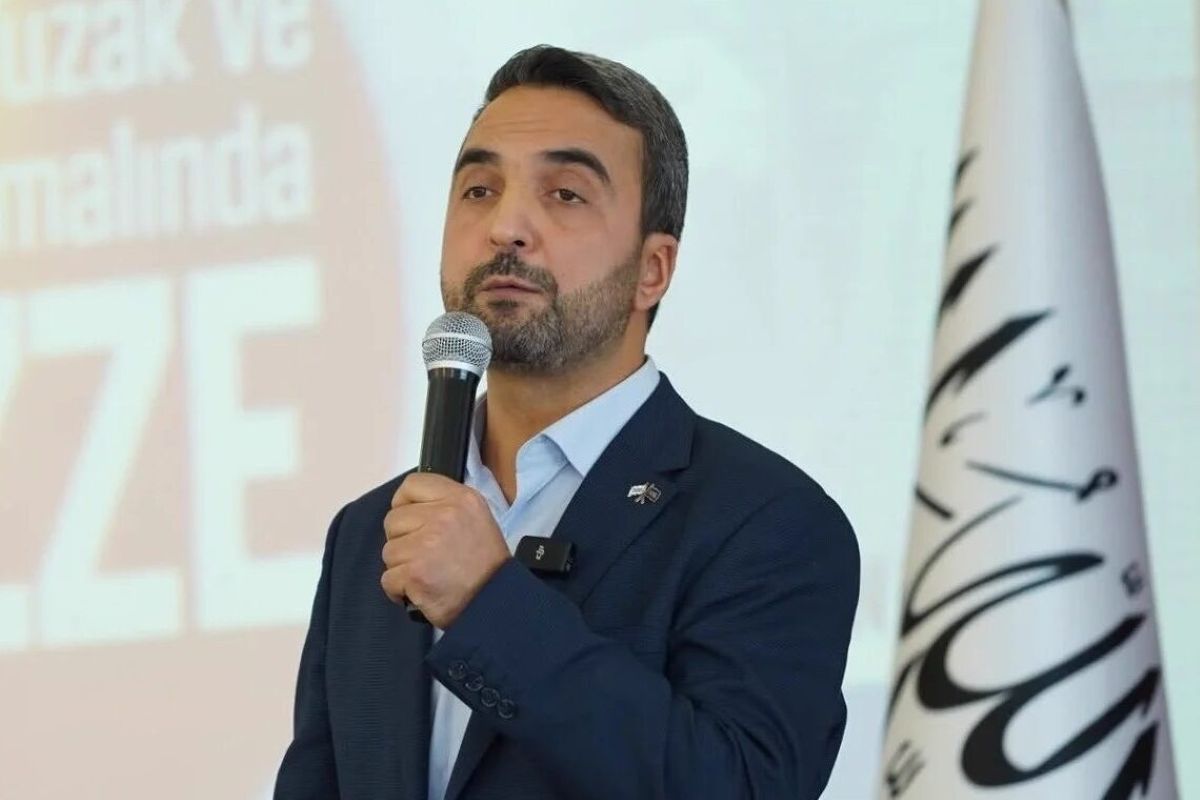
Turkish man who Azerbaijan declared ‘undesirable’ briefly detained in Istanbul
OC Media / 2 hours ago
Related coverage

Սկզբից երաշխավորված խաղաղություն, հետո՝ TRIPP. սա է մեր դիրքորոշումը. ընդդիմադիր պատգամավոր
Hraparak / 6 minutes ago
Փաշինյանն իր ու իր թիմի վրա դուրս կգա, եթե լրտես է ման գալիս, թող արագ շարժվի այդ ուղղությամբ
24TV / 24News / 6 minutes ago
ՔՊ-ն հա՛մ կաշառք տվողն է, հա՛մ վերցնողն է, COP17-ը դա ապացուցեց, իրենք մեծ առաջընթաց ունեն այդ մասով
24TV / 24News / 9 minutes ago

ԱԺ նախագահը հունից դուրս եկավ․ բղավոցներ, անջատված խոսափող՝ ԱԺ-ում
Factor.am / 10 minutes ago