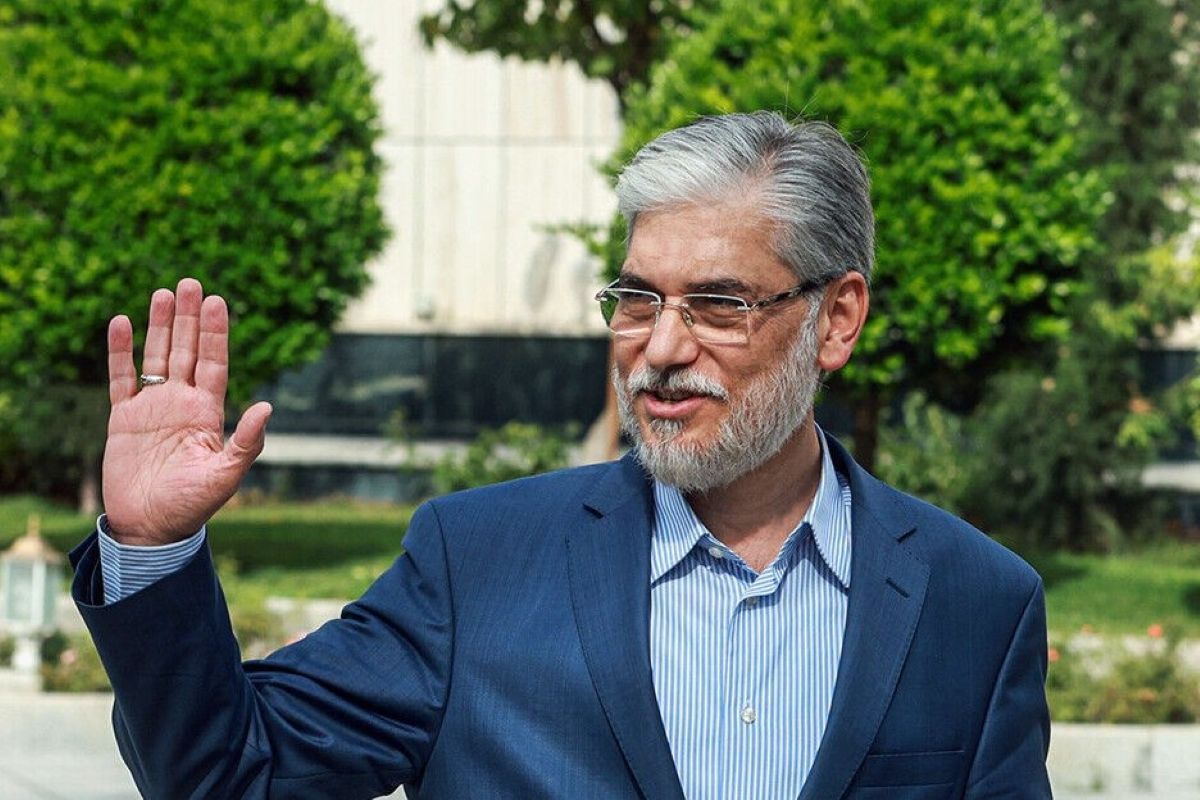
Azerbaijan has accused Iran of interfering in its internal affairs after Iranian Science Minister Hossein Simaei-Sarraf invited Azerbaijani girls facing hijab restrictions to study at Iranian universities. The exchange comes amid growing tensions over restrictions on hijabs in Azerbaijani schools, which have drawn criticism from Turkish political figures and Iranian officials. Baku has rejected the comments as interference in its education policy, while Iranian officials have defended their right to comment on the issue. Iranian Science Minister Simaei-Sarraf invited Azerbaijani girls wearing hijab to study in Iran through a video on 22 October. In the video, he says that Iran could welcome Muslim girls who were being forced to abandon their religious hijab to exercise their right to education. ‘I declare, as the Minister of Science of the Islamic Republic of Iran, that the doors of Iranian universities are open to girls from the Republic of Azerbaijan to pursue their education. We can be good hosts to the believing daughters of the Prophet Muhammad. They are being forced to abandon their Sharia-compliant hijab in order to exercise their right to education,’ he said. The minister’s remarks prompted criticism on social media, with some users describing the invitation as interference in Azerbaijan’s domestic affairs and calling on the authorities to issue a warning to Iran. Elnara Akimova, a member of the Azerbaijani Parliament’s Science and Education Committee, said that statements by Iranian officials concerning the hijab ban should be assessed in light of the fundamental principles governing relations between states, including respect for sovereignty, non-interference in internal affairs, and mutual responsibility. On Monday, Azerbaijan’s Ministry of Science and Education issued a statement responding to the Iranian minister’s remarks, describing them as surprising and regrettable. The ministry called the statement ‘entirely inappropriate’ and said it amounted to an attempt to interfere in Azerbaijan’s internal affairs. ‘No one is permitted to interfere in the internal affairs of our country, including its education policy, and such attempts at interference are firmly rejected’, the statement said. The ministry urged Iranian officials to focus on their own country’s problems rather than interfering in the domestic affairs of others. It also criticised Iran’s education policies, claiming that the country had no schools providing instruction in Azerbaijani and that Azerbaijani was not used as a language of instruction at higher education institutions. The statement said that approximately 40 million ethnic Azerbaijanis live in Iran and have been deprived of the right to education in their mother tongue for decades. It called on Simaei-Sarraf and other Iranian officials commenting on the issue to address the lack of Azerbaijani language education for ethnic Azerbaijanis in Iran — what it described as a longstanding injustice — rather than interfere in Azerbaijan’s domestic affairs. Earlier, a spokesperson for Iran’s Foreign Ministry, Esmaeil Baqaei, called for the hijab issue in Azerbaijan to be resolved through mutual understanding and respect for religious rights. Baqaei said Azerbaijanis were capable of making their voices heard by their government to protect their religious beliefs, while expressing hope that the issue would be resolved peacefully. Azerbaijani NGOs urge Pezeshkian to support mother-tongue education in Iran On Monday, a group of 55 Azerbaijani NGOs sent an open letter to Iranian President Masoud Pezeshkian, urging him to take steps to ensure ethnic Azerbaijanis in Iran can receive education in their mother tongue. In the letter, the NGOs called on Pezeshkian to personally initiate measures to guarantee Azerbaijani-language education, which they said is enshrined in Iran’s constitution. They called for the systematic teaching of Azerbaijani in schools, the establishment of secondary schools and higher education institutions offering instruction in Azerbaijani, the training of teachers, and the development of textbooks and curricula. The signatories also called for the creation of the necessary legal and institutional mechanisms to support mother-tongue education. They said the initiative would fulfil a longstanding aspiration of millions of people and demonstrate Iran’s commitment to cultural diversity, justice, and equality.
Free: opens Google Translate with the text filled in. Long articles are split into numbered sections.
Premium: read the translation right here, without leaving HyeNews. Try free for 7 days.
Already in English.
Outcry after Tehran invites Azerbaijani girls facing hijab ban to study in Iran
Tensions between Azerbaijan and its neighbouring Muslim-majority countries over school restrictions have continued.
Comments
No comments yet — be the first to comment.
More from OC Media
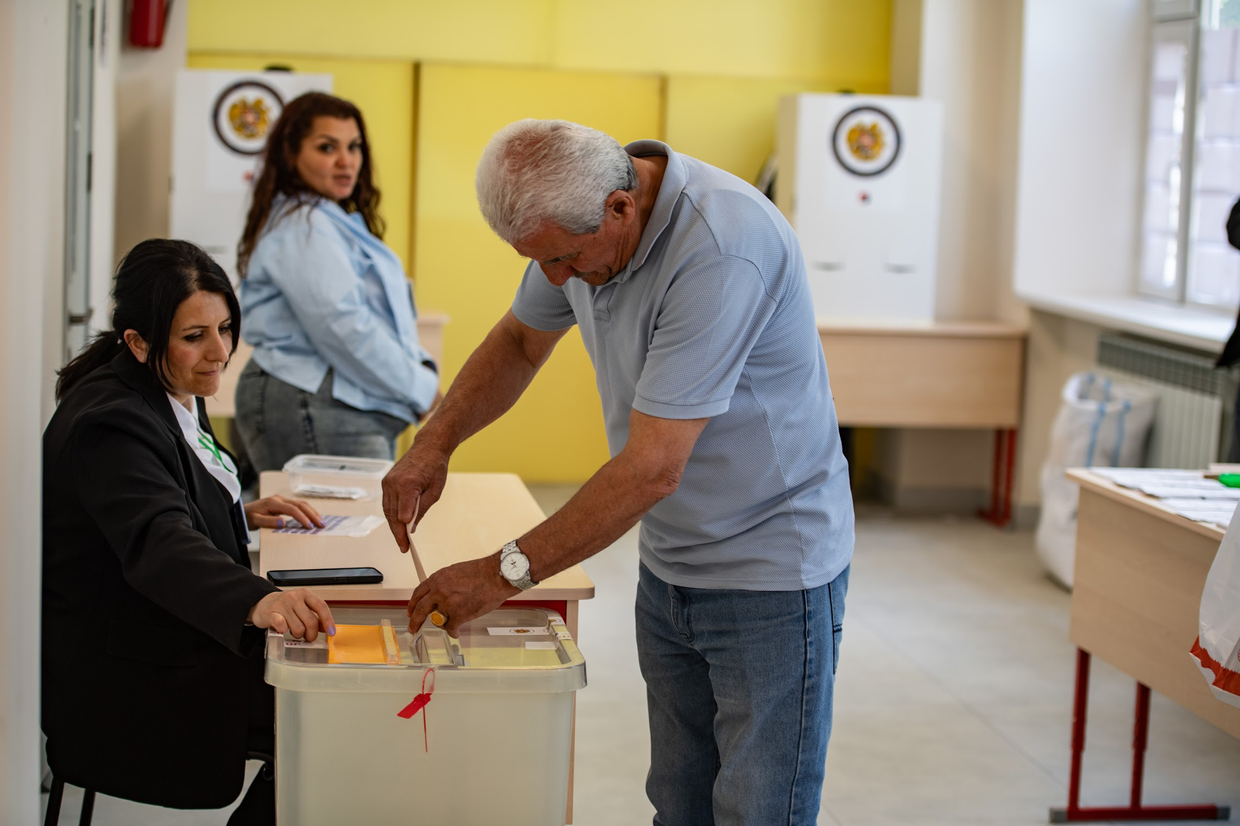
Pashinyan’s party wins all local elections bar one amid arrests of some opposition members
OC Media / 1 hour ago
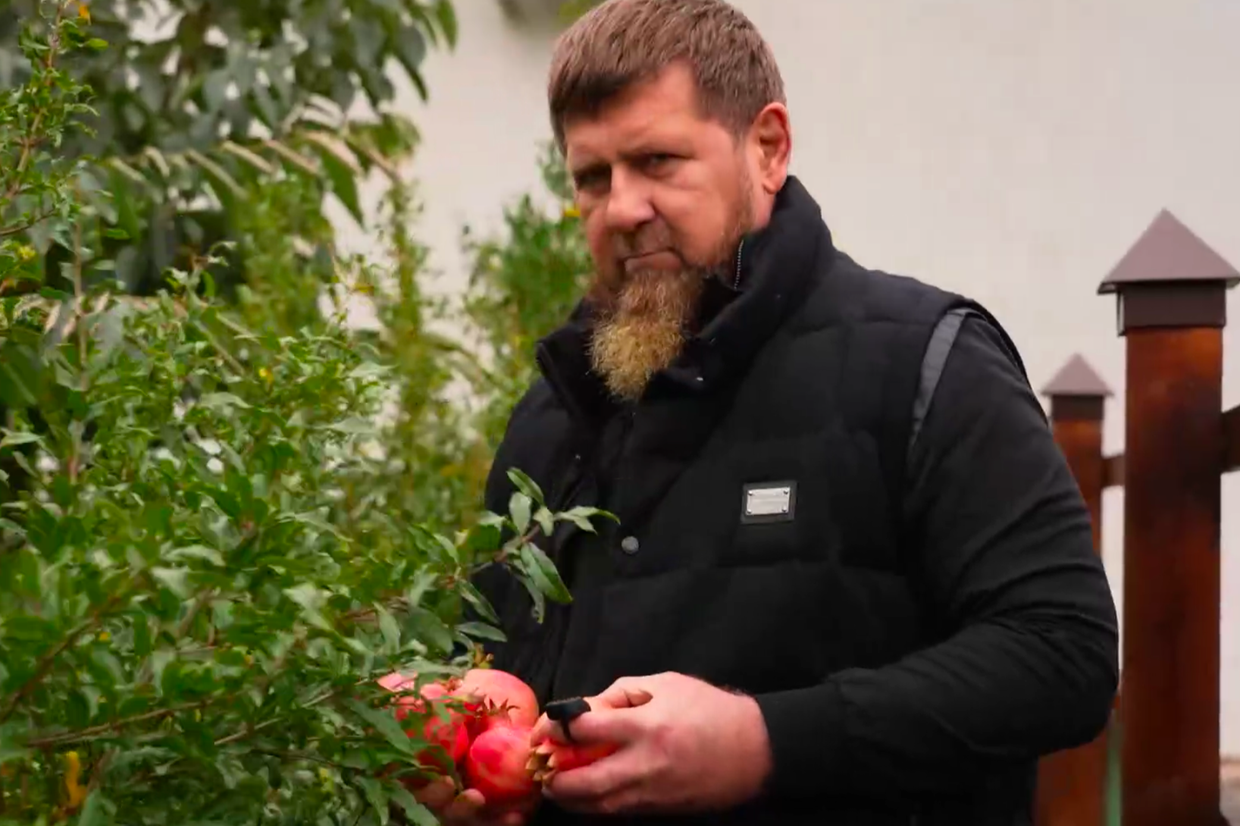
Kadyrov calls Chechens who left for Europe ‘despicable traitors’
OC Media / 1 hour ago
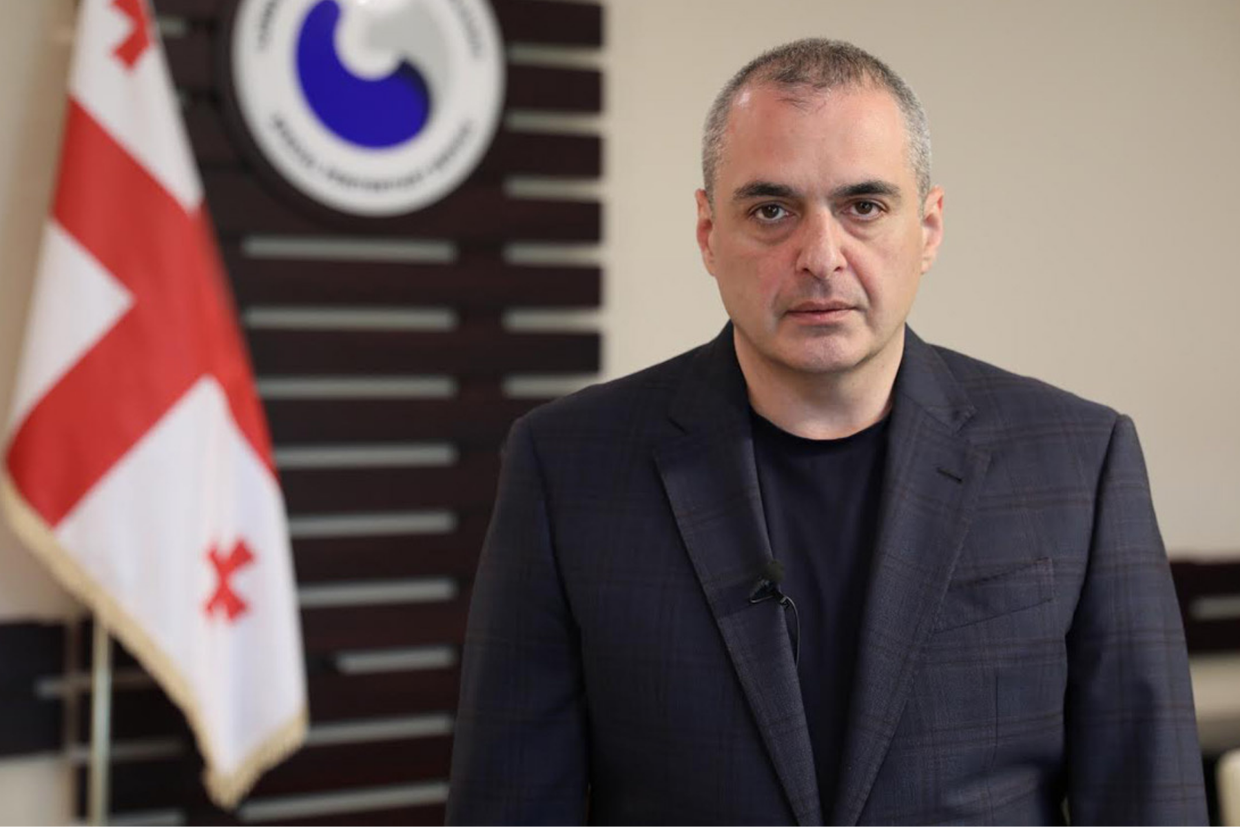
Prosecutors recommend Justice Ministry suspend Georgia prison director amid beating investigation
OC Media / 2 hours ago
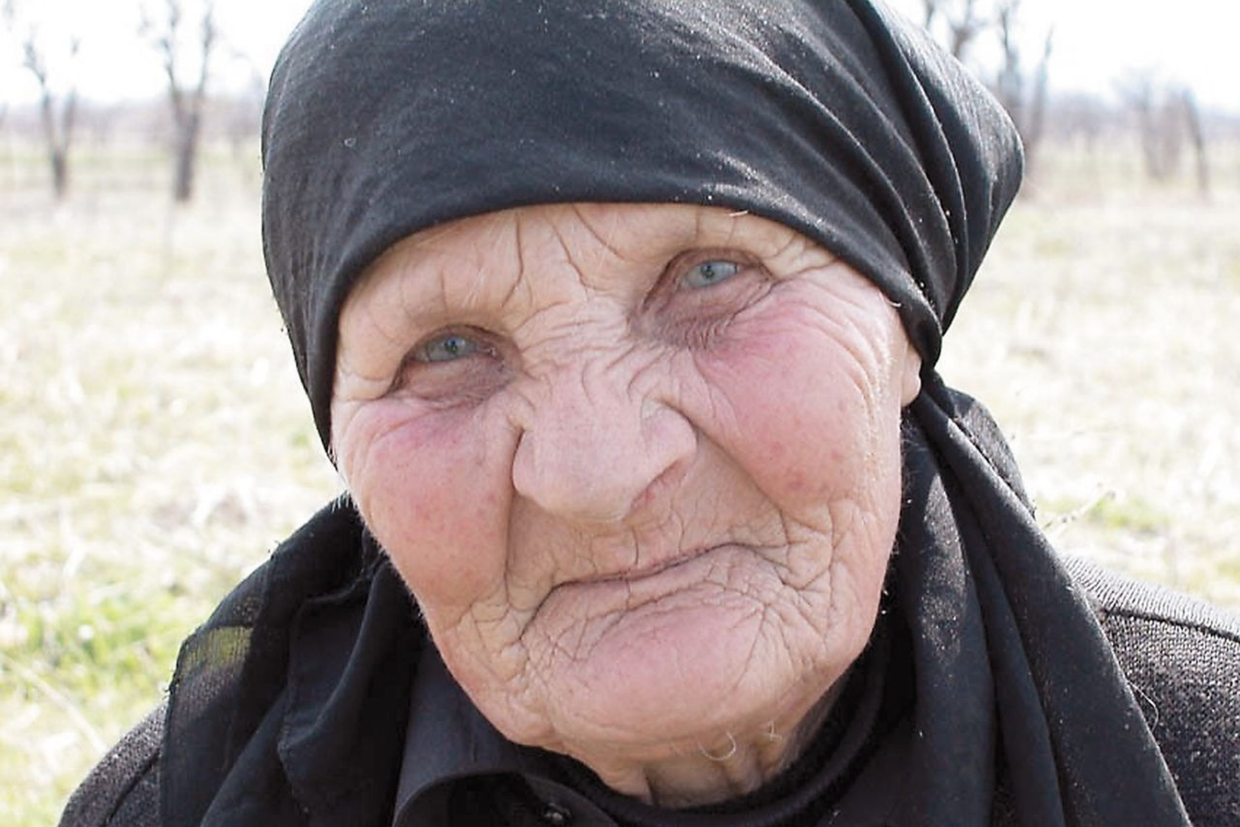
Review | Putin’s Mama — documenting Georgian dreams and disappointments
OC Media / 2 hours ago
Related coverage
«Սուրճ ու սեր առավոտից». Հոկտեմբերի 26-ը՝ դպրոցական գրադարանների միջազգային օր 26.10.2026
Public Radio of Armenia / 1 hour ago
ԿԳՄՍՆ-ում քննարկվել են բարձրագույն կրթության ոլորտին առնչվող մի շարք հարցեր
168 Jham / 3 hours ago

Լարվածություն՝ Արտենիում. հեռացնու՞մ, թե՞ տեղափոխում են Ազգային հերոս Անդրանիկի խճանկարը
5TV Armenia / 3 hours ago
Դպրոցում բռնությունը չի՞ դատապարտվում. այդ դեպքում ուսուցիչը աշակերտից 20 մ հեռավորություն պահո՞ւմ է
Pastinfo / 4 hours ago