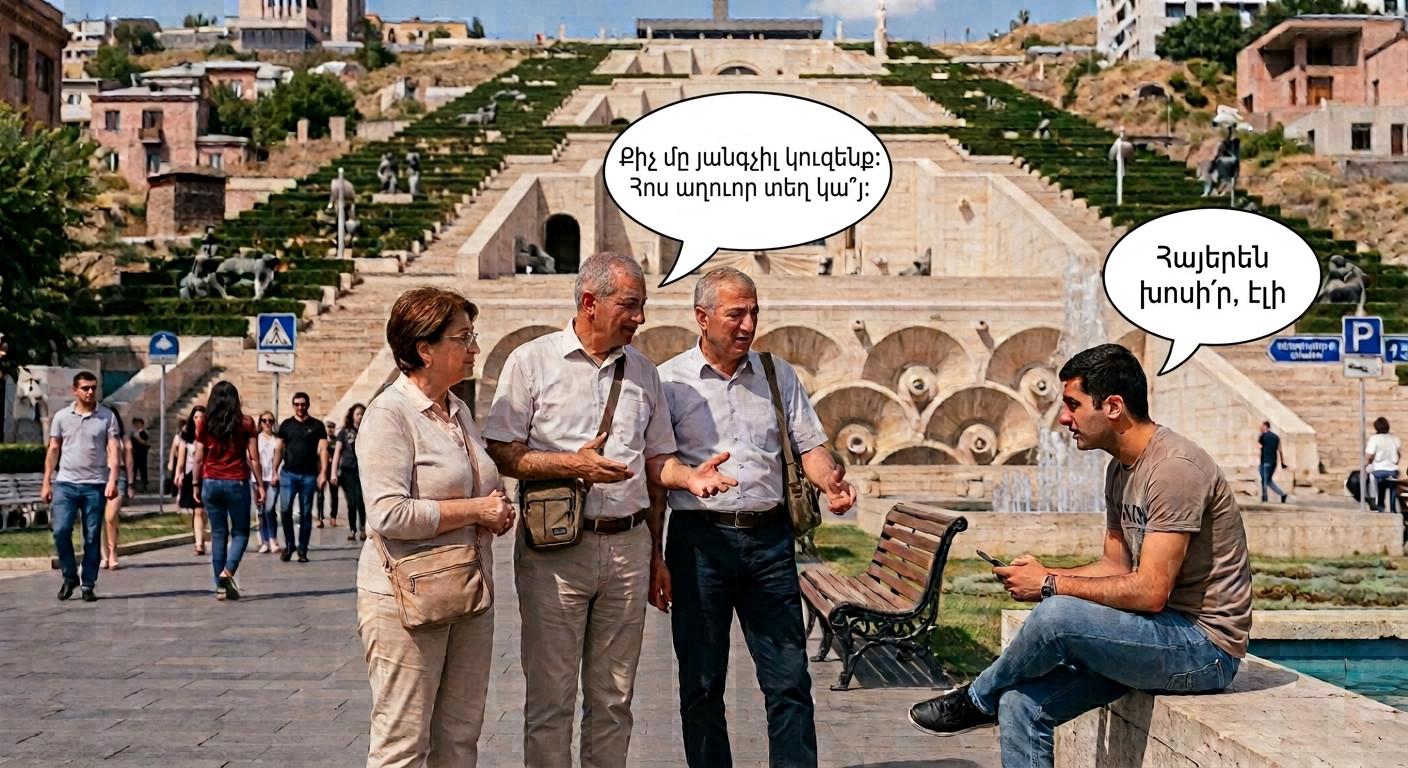
By Ohan Chekmekchian The Armenian language has long survived as a majestic, two-headed cathedral. Following the cataclysm of the 1915 Genocide, its structural geography split along deep linguistic fault lines. While Eastern Armenian became anchored in the institutional soil of the Soviet and subsequently the independent Republic of Armenia, modern Western Armenian became the wandering tongue of exile, preserved across communities in Beirut, Aleppo, Paris, and Los Angeles. For decades, the Iron Curtain kept these sister standards physically apart. However, the dawn of Armenian independence in 1991 ruptured these boundaries, initiating an unprecedented linguistic encounter. Over the past three decades, the Republic of Armenia has ceased to be merely a distant, symbolic monument for the Western Armenian diaspora; it has transformed into a dynamic, complex crucible where the survival, integration, and institutionalization of Western Armenian are being actively negotiated. The Returnee Paradox: Between Romanticism and Social Marginalization The return of thousands of diasporan repatriates to an independent homeland brought the living cadence of Western Armenian directly into the streets, cafes, and workplaces of Yerevan. This migratory influxreignited during independence and accelerated by the tragic geopolitical upheavals in Syria and Lebanonsomewhat disrupted the monolithic Eastern Armenian linguistic landscape. Yet, the homecoming of the language has been defined by a poignant paradox. Repatriates arriving in Armenia are often met with an internal tension between linguistic admiration and social marginalization. On one hand, local society frequently romanticizes Western Armenian, praising its archaic elegance, its distinct phonology, and its rich, classical terminology. On the other hand, the pragmatism of daily survival forces a compromise. Because Eastern Armenian remains the undisputed standard of administration, commerce, and media, many Western Armenian speakers experience subtle exclusion, confusion, or even light ridicule due to differences in orthography, pronunciation, and vocabulary. Consequently, many returnees undergo a linguistic shift, adopting Eastern Armenian in public spheres to ensure seamless social and professional integration. These realities relegate Western Armenian to the private confines of family circles and returnee networks, raising critical questions about whether the homeland is truly acting as a sanctuary or merely a museum for its sister language branch. The Legislative Push for Pluricentric Recognition To counter this passive assimilation, an intellectual and political drive has emerged within the republic to grant Western Armenian formal legal status. Under Article 20 of the Constitution of Armenia, the law states simply that "the state language of the Republic of Armenia is Armenian." While the text does not explicitly specify a linguistic standard, decades of administrative inertia have treated Eastern Armenian as the default official standard. For years, diasporan advocates and local linguists have argued that leaving Western Armenian without explicit legal safeguards accelerates its status as an "endangered language," a designation formally recognized by UNESCO. This advocacy reached a milestone when governmental policy frameworks began considering a formal legislative pathway to grant Western Armenian a special, protected status within the country. Here, were referring to Armenias 2021-2026 Government Action Plan. This proposed special status aims to explicitly strengthen the language's position within higher education, general schooling, and public administration. By shifting the national narrative from a monocentric focus to an intentionally pluricentric one, the state acknowledges a profound historical truth: the Republic of Armenia belongs to the entire Armenian nation, and its linguistic policy must reflect the dual heritage of its people. Domestication of a Living Literature This institutional push is mirrored by a quiet but resilient cultural renaissance in the domestic publishing sector. Historically, Western Armenian literature was printed almost exclusively in the diasporaby historic publishing houses in Istanbul, Beirut, or Boston. Today, the terrain of "living" Western Armenian literature is taking root within the republic itself. Prominent local publishers, such as Antares, have actively expanded their catalogs to include books printed directly in Western Armenian, ranging from traditional folklore and children's literature to contemporary poetry collections like Karo Arslanean's If... Furthermore, academic institutions within Armenia have engaged in the production of specialized textbooks and contrastive grammar guides designed to bridge the gap between the two standards for English and Eastern Armenian speakers alike. This domestic commercialization of Western Armenian literature is vital. It shifts the language away from being an endangered relic of a lost geography and establishes it as a viable, living medium of contemporary literary production within the sovereign boundaries of the Armenian state. Infrastructure, Funding, and the Urban Ecology The theoretical arguments for this renaissance find validation in the insights of contemporary authors and institutional frameworks actively working on the ground. Intellectuals and writers moving between Beirut, Istanbul, and Yerevan emphasize that literature cannot survive on nostalgia alone; it requires an active urban ecology. Prominent voices within the contemporary diaspora argue that publishing in Yerevan grants Western Armenian a psychological legitimacy that fragmented communities abroad can no longer provide. For a writer, seeing a Western Armenian volume displayed in a bookstore on Abovyan Street in Yerevan transforms the language from a "family relic" into a competitive, public artistic medium. This grassroots literary momentum is reinforced by major transnational bodies like the Calouste Gulbenkian Foundation, whose Armenian Communities Department has injected significant funding into the republic. Through targeted grants, translation projects, and pedagogical digital tools, these initiatives treat Yerevan as a logical capital for Western Armenian preservation. By bringing diaspora-funded cultural infrastructure directly into Armenia's academic and tech sectors, these projects create a tangible workspace where local and returnee editors, translators, and digital creators collaborate, proving that the language's survival hinges on a shared, institutionalized homeland economy. Erasing the Psychological Barrier: A Homeland Obligation However, the long-term viability of Western Armenian as a daily spoken language within the Republic faces steep structural hurdles. Realistically, it is unlikely to become the primary daily street language for the broader population of Armenia. The institutional inertia of Eastern Armenian in courts, schools, and the military is deeply entrenched, and history demonstrates that within one to two generations, the children of returnees naturally assimilate into the domestic standard. Crucially, this assimilation is often accelerated by a psychological barrier: the misplaced sense of self-consciousness or social pressure that leads repatriates to hide their native tongue. There is absolutely no reason for any speaker to feel embarrassed speaking Western Armenian in the capital. The two branches of the Armenian language are not mutually incomprehensible; they share the same deep structural roots, and the core vocabulary remains, for the most part, entirely identical. Because the systemic differences are minor phonetic and grammatical variations rather than fundamental linguistic divides, the Republic of Armenia should naturally be considered a haven for Western Armenian. The homeland has a moral and historical obligation to be a place where the western branch can breathe freely without its speakers feeling alienated. A Blueprint for Parallel Diaspora Investment Achieving this "dual-fluency" alternative does not mean the diaspora must abandon its vital local infrastructure; rather, it requires a parallel commitment to funding targeted Western Armenian initiatives inside the republic alongside its existing schools and institutions abroad. The diaspora can function as a catalyst by funding local digital content creators, podcasters, and animators within Armenia to normalize the language across global digital spaces. Furthermore, the diaspora can leverage its philanthropic and venture capital networks to establish specialized "Western Armenian Immersion Zones" in the republic. This means funding dedicated academic and cultural programming in tech hubs like TUMO, local museums, and universities to ensure the language has a robust institutional presence. By partnering with Armenias technology sector to develop localized software, predictive text engines, and AI translation models, the diaspora can help embed Western Armenian into the republic's digital economy, bridging the gap between historical heritage and future innovation. Conclusion: Activating the Dual Engines of Yerevan Ultimately, the role of Western Armenian in the republic since 1991 serves as a barometer for the broader relationship between the homeland and the diaspora. True integration cannot mean the erasure of Western Armenian identity in favor of a homogenized domestic norm. If Western Armenian is allowed to fade into an auxiliary tongue of a bygone diaspora, a massive repository of Armenian literary, philosophical, and historical memory will fade with it. The republic must aggressively pursue policies that normalize the presence of Western Armenian in public lifeencouraging specialized school tracks, elevating public confidence in the language, and expanding state-sponsored publishing grants. Yerevan must evolve into a dual-engine capital that actively sustains both literary branches. Only by fully embracing its pluricentric reality can the Republic of Armenia serve as a genuine, permanent sanctuary for the totality of the Armenian soul. (Ohan Chekmekchian is a linguist and essayist who completed his studies at Yerevan State University and Beiruts Haigazian College.)
Free: opens Google Translate with the text filled in. Long articles are split into numbered sections.
Premium: read the translation right here, without leaving HyeNews. Try free for 7 days.
Already in English.
Anchoring the Wandering Tongue: Can Armenia Become a Living Haven for Western Armenian?
Only by fully embracing its pluricentric reality can the Republic of Armenia serve as a genuine, permanent sanctuary for the totality of the Armenian soul.
Comments
No comments yet — be the first to comment.
More from Hetq
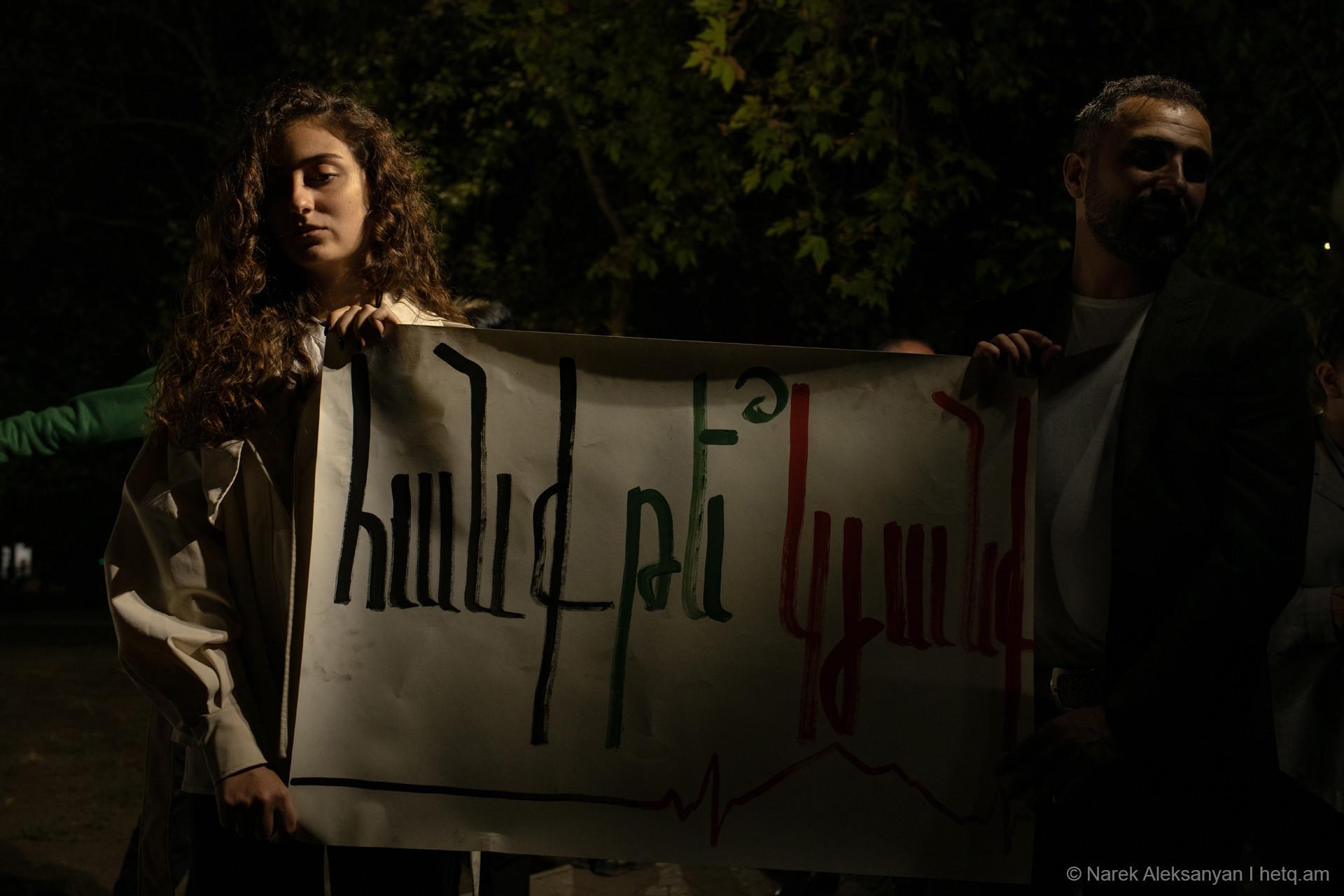
Месторождение “Амулсар”: публичное обсуждение (фото)
Hetq / 2 hours ago
Սպասվում է առանց տեղումների եղանակ
Hetq / 3 hours ago
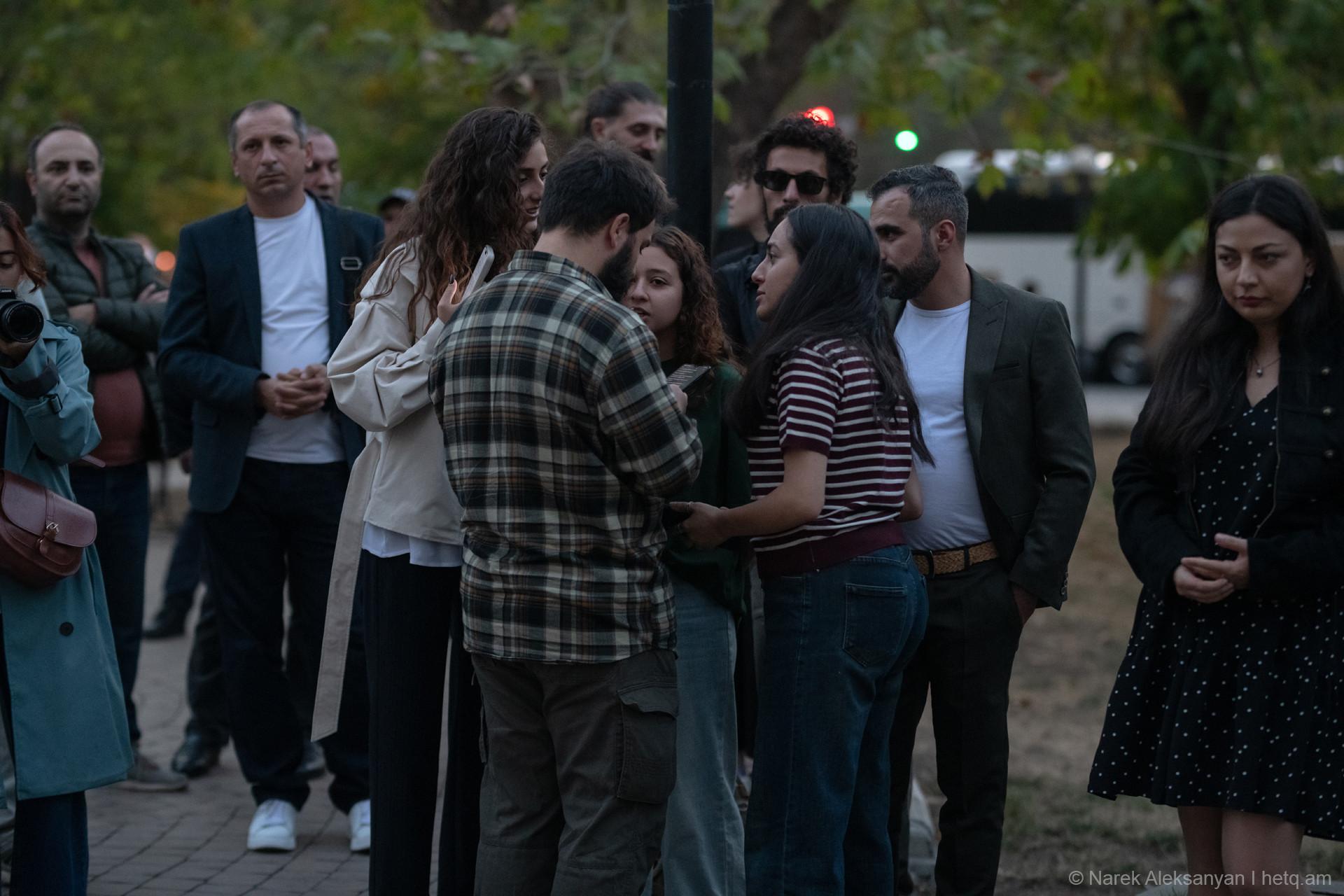
«Ամուլսարը պետք է մնա սար»․ հանքի շահագործման դեմ պայքարը շարունակելու կոչեր՝ Երևանում
Hetq / 4 hours ago
Խարսխել Թափառական Լեզուն. Հայաստանի Հանրապետութիւնը՝ Իբրեւ Արեւմտահայերէնի Ապրող Ապաստան
Hetq / 5 hours ago
Related coverage
Մասուդ Փեզեշքիան․ Իրանի մարտունակությունը զարմացրել է տարածաշրջանի երկրներին և ամբողջ աշխարհին
168 Jham / 6 minutes ago
Թուրքիան հիջաբի շուրջ ստեղծված իրավիճակի ֆոնին «սրտանց» շնորհավորել է Ադրբեջանին
ArmLur / Zhoghovurd / 7 minutes ago

Вэнс допустил участие в президентских выборах в США в 2028 году
Aravot / 10 minutes ago
Ֆրանսիայի «Կանաչների» առաջնորդը բողոքներից հետո պահանջել է ՆԳ նախարարի հրաժարականը
168 Jham / 17 minutes ago