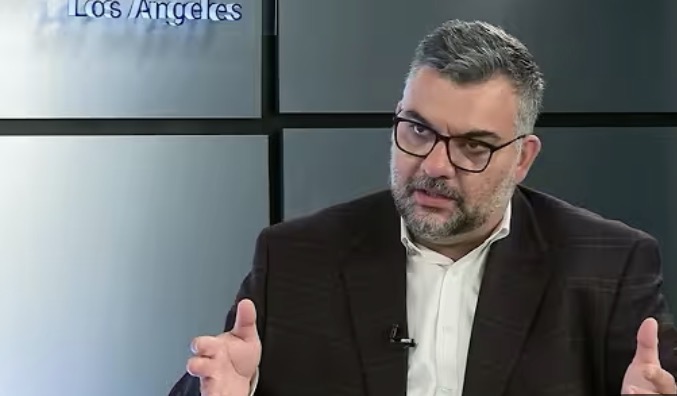
ARF Western USA Central Committee Representative discusses Armenia-Turkey relations, the Diaspora’s national responsibilities, Artsakh, and American foreign policy in an interview with Alpha Armenian News. In an interview with Alpha Armenian News, Levon Baronian, Representative of the Armenian Revolutionary Federation Western USA Central Committee, offered a pointed assessment of the Armenian government’s policies, the responsibilities of the Armenian Diaspora, and the geopolitical challenges facing Armenia and Artsakh. Speaking with host Arthur, Baronian emphasized that the Armenian national agenda transcends the policies of any government in Yerevan and cannot be abandoned simply because Armenia’s current leadership has chosen to relinquish longstanding national demands. Turkey’s Demands and Armenia’s Concessions Addressing the prospect of reopening the Armenia-Turkey border, Baronian expressed skepticism that Turkey intends to normalize relations on terms that preserve Armenia’s national interests. He argued that successive Turkish preconditions have effectively been satisfied by the Pashinyan administration, including the abandonment of the Artsakh cause, the removal of Armenian Genocide recognition and reparations from the state’s political agenda, and the increasing marginalization of the Diaspora. Yet, he observed, the border remains closed. Baronian also drew attention to the Armenian government’s confrontation with the Armenian Apostolic Church, describing the Church as one of the last independent national institutions resisting the erosion of Armenian identity and national priorities. He warned that continued concessions would not necessarily bring peace or normalization, but could instead lead to the progressive weakening of Armenian sovereignty and statehood. The National Agenda Belongs to the Armenian People One of Baronian’s central arguments was that Armenia’s national interests cannot be defined exclusively by the government currently holding power. “The interests of the Armenian nation and people are not confined to the agenda of the present authorities,” Baronian stated, emphasizing that governments should operate within the framework of the nation’s enduring interests, rather than expect the nation to accommodate their changing political priorities. He stressed that the Armenian Cause encompasses unresolved historical injustices, including recognition and reparations for the Armenian Genocide, the rights of Armenians dispossessed of their ancestral homes and properties in Western Armenia and Cilicia, and the continuing struggle for the rights of the people of Artsakh. With these priorities no longer defended by the authorities in Yerevan, Baronian argued that the responsibility increasingly falls upon the Diaspora and Armenian national organizations. “When our pan-Armenian priorities are no longer defended from Yerevan, we must naturally assume that responsibility,” he explained. The Diaspora Is Not a Branch Office of Armenia Responding to statements by Armenian government officials questioning the Diaspora’s right to participate in Armenian political affairs, Baronian rejected the premise that Armenians living outside the Republic of Armenia should remain silent about their homeland. “The Diaspora is not simply some overseas branch office of the Republic of Armenia,” he said. He noted that the Armenian Diaspora has its own centuries-long history, predating the establishment of the First Republic in 1918, and that its national rights and responsibilities exist independently of the political authorities in Yerevan. “Armenia is the homeland of all of us, regardless of whether we currently reside there,” Baronian emphasized. He further argued that descendants of Armenians dispossessed during the Genocide retain legitimate claims concerning their ancestral properties and historical rights. No Armenian government, he maintained, possesses the authority to unilaterally extinguish those claims. The same principle applies to Artsakh, where the displacement of its indigenous Armenian population, the imprisonment of its political and military leadership in Baku, and the destruction of Armenian cultural heritage remain urgent national concerns. American Politics and Regional Realities Turning to the upcoming United States congressional elections, Baronian suggested that domestic economic conditions could produce significant Democratic gains, potentially changing the balance of power in Congress. However, he cautioned against expecting fundamental changes in American foreign policy simply because congressional control changes hands. He expressed particular concern about regional developments involving Iran and the proposed Trump Route for International Peace and Prosperity (TRIPP), questioning both its prospects for implementation and its implications for Armenian sovereignty and regional stability. Baronian noted that Iran has repeatedly opposed arrangements that would diminish its strategic position along Armenia’s southern border. He also warned that regional transportation projects must be evaluated in the broader context of Turkish and Azerbaijani ambitions. On the question of potential cooperation with pro-Israel lobbying organizations in Washington, Baronian urged political realism. While acknowledging that disagreements between Turkey and Israel might create tactical opportunities, he warned against mistaking temporary geopolitical tensions for a durable alignment of interests. He emphasized Israel’s close strategic relationship with Azerbaijan and argued that Armenian advocacy must prioritize Artsakh rather than pursue partnerships that could ultimately conflict with the Armenian people’s most immediate national objectives. Artsakh Must Remain the Priority Throughout the interview, Baronian repeatedly returned to Artsakh as the most urgent issue confronting the Armenian nation. He emphasized that approximately 150,000 Artsakh Armenians have been deprived of their homeland, while their collective rights, including the right of return, remain unresolved. For Baronian, the defense of Artsakh is not simply a matter of preserving historical memory. It is an immediate political and humanitarian responsibility that the Diaspora must continue to pursue regardless of the position taken by Armenia’s current government. Concluding the interview, Baronian announced the United for Artsakh rally, organized by the Armenian Youth Federation, scheduled for Sunday, November 8, at 5 p.m. on Artsakh Street in Glendale. Participants will march to St. Mary’s Armenian Apostolic Church for a candlelight vigil. He urged the Armenian community of Los Angeles to participate and demonstrate that Artsakh remains a national priority. The central message of Baronian’s interview was clear: Armenian governments may change their policies, abandon longstanding demands, or redefine their political priorities, but the national rights of the Armenian people do not disappear with those decisions. For the ARF and the organized Armenian Diaspora, the struggle for those rights must continue. Watch the full interview: https://www.youtube.com/watch?v=DDu00QPAnfQ United for Artsakh: https://UnitedForArtsakh.org
Free: opens Google Translate with the text filled in. Long articles are split into numbered sections.
Premium: read the translation right here, without leaving HyeNews. Try free for 7 days.
Already in English.
Our Pan-Armenian National Agenda Should Not be Undermined by Any Government of the Day – Levon Baronian
Comments
No comments yet — be the first to comment.
More from Oragark
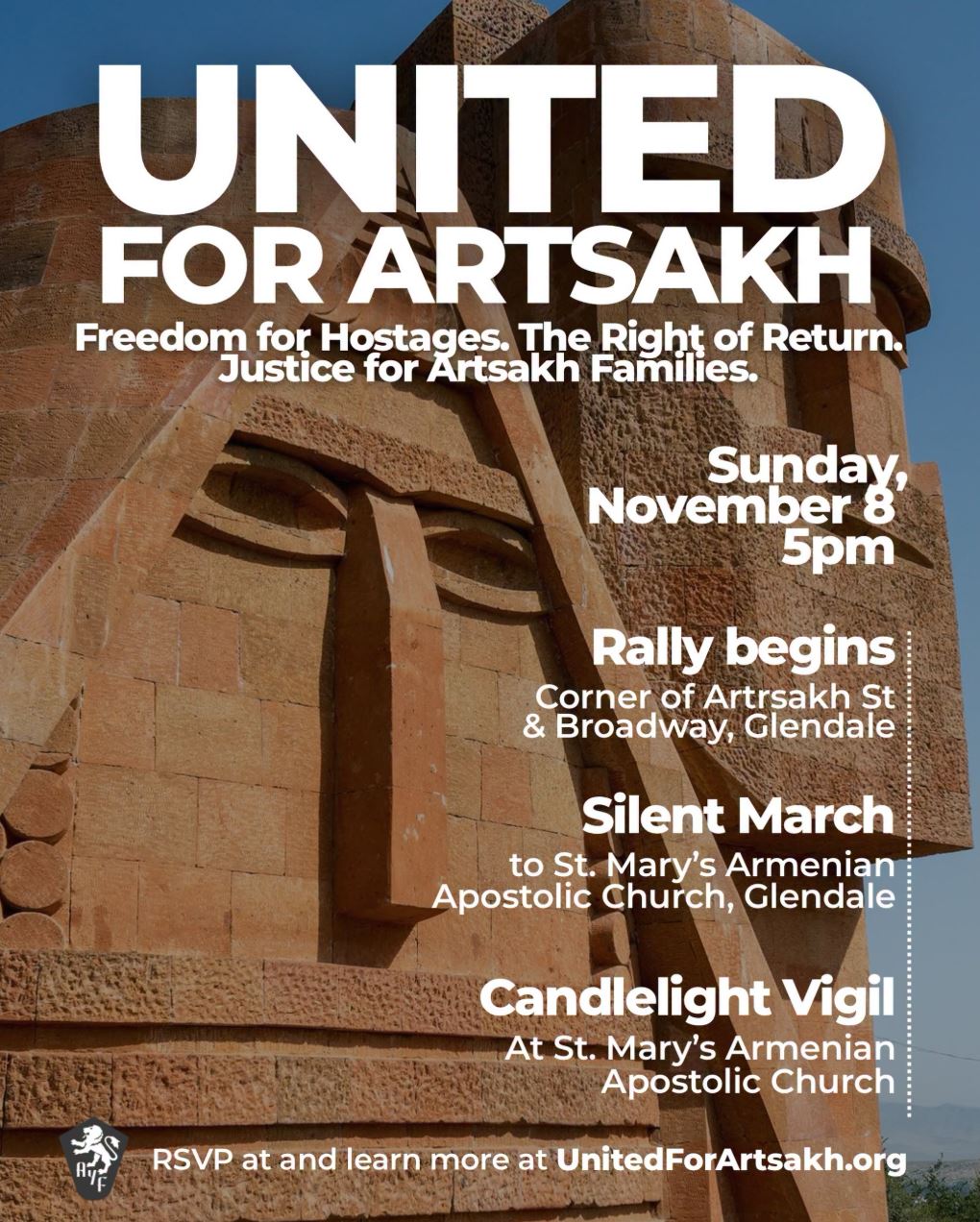
“United for Artsakh” Community-Wide Rally and March Set for November 8 in Glendale
Oragark / Oct 15
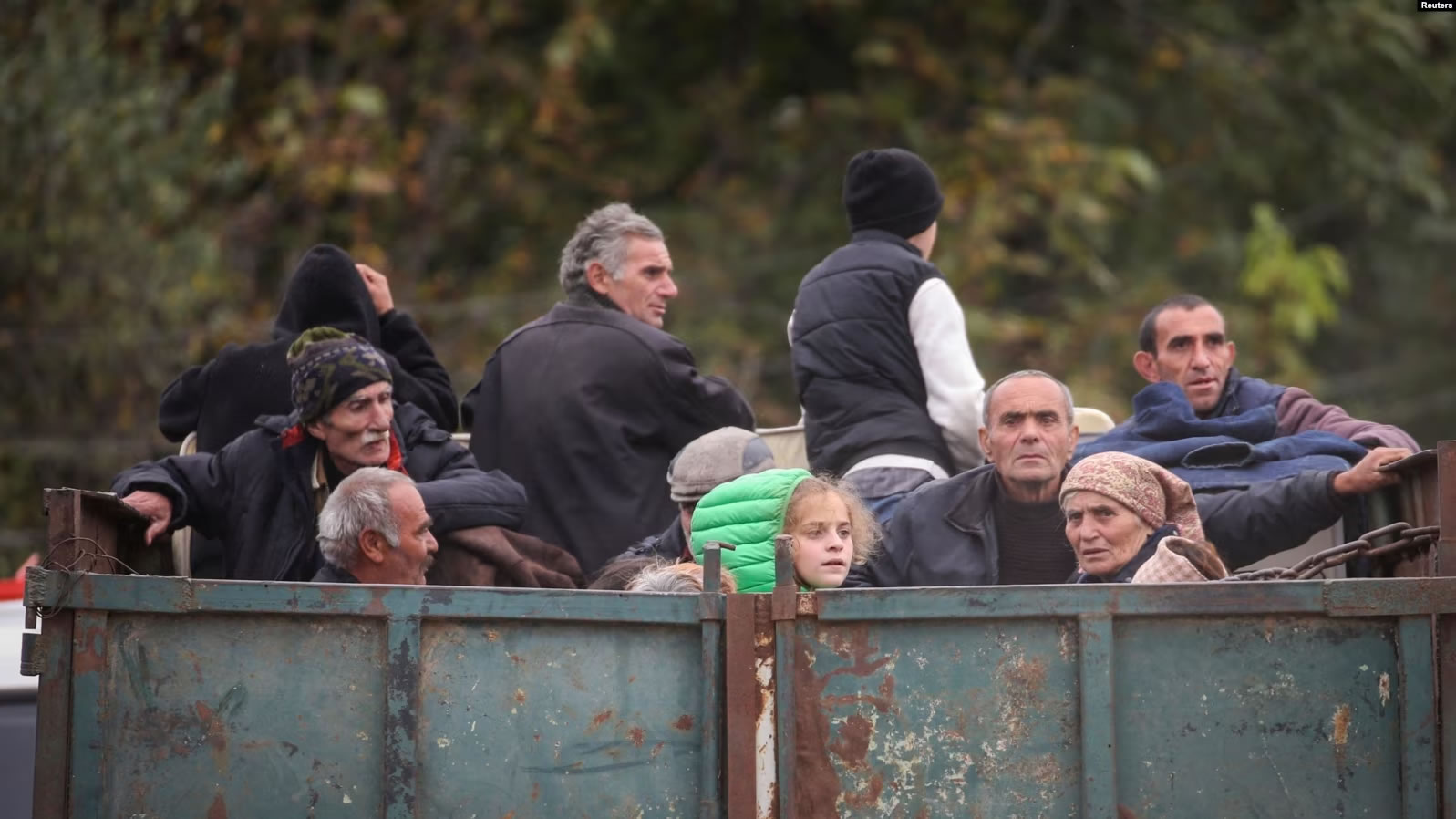
Pay Raises for Officials, No Additional Housing Aid for Artsakh Refugees: Government Priorities Draw Criticism
Oragark / Oct 15
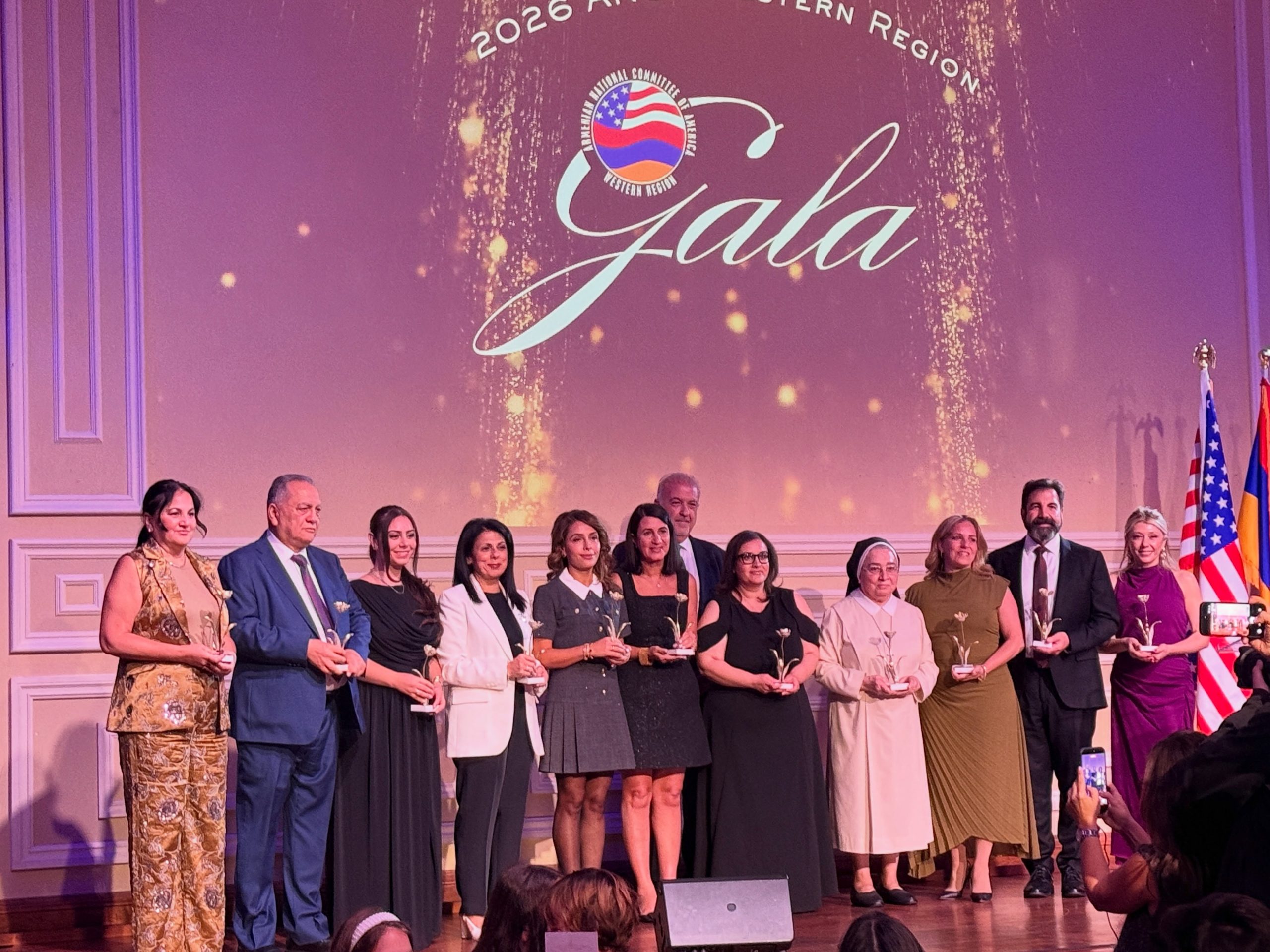
ANCA Western Region Gala Honors Community Leaders, Educators and Advocates for the Armenian Cause
Oragark / Oct 15

Khachkar Studios Publishes Week #5 of Weekly T•A•P Reporting Across 26 Pilots
Oragark / Oct 14
Related coverage

final small
Armenian News Network / Groong / 20 hours ago
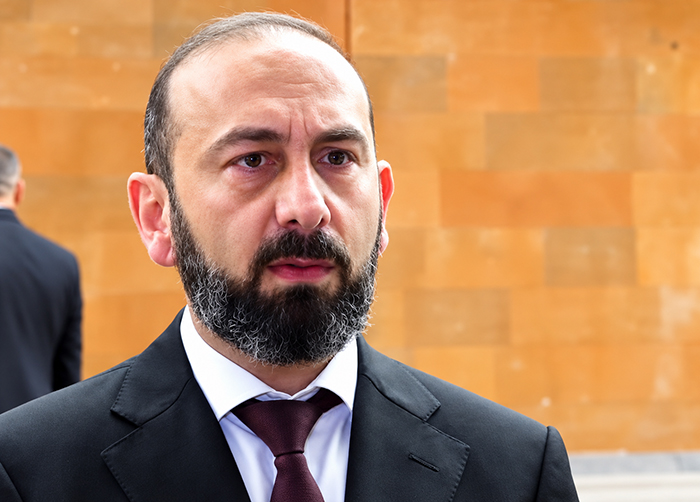
Iran Appears Satisfied With Armenia’s Explanations on TRIPP Project, Mirzoyan Says
MassisPost / Oct 17
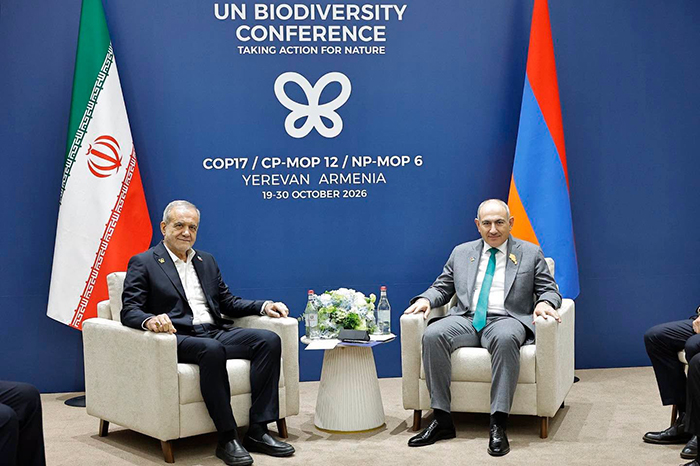
Armenian Prime Minister and Iranian President Discuss Implementation of Bilateral Agreements
MassisPost / Oct 17
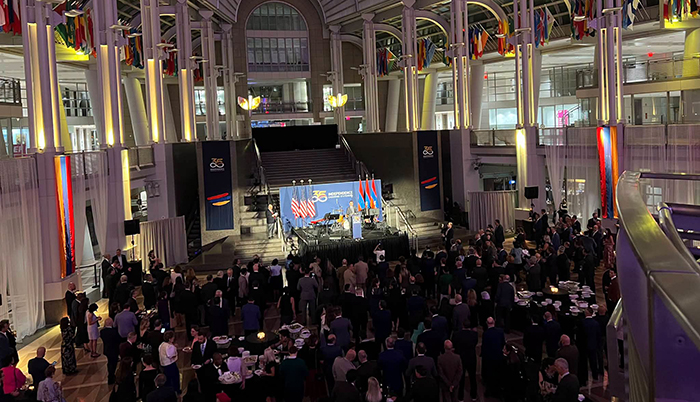
ACA Representatives Join U.S. Officials and Armenian Community Leaders in Recognizing Armenia’s Independence and Strengthening U.S.-Armenia Relations
MassisPost / Oct 16