Tbilisi and Baku have both pushed back on EU resolutions criticising the respective governments’ treatment of critics. On 8 October the European Parliament called on Azerbaijani authorities to release those detained for what they deem politically motivated prosecution while also condemning the ruling Georgian Dream party’s effort to ban the bulk of Georgia’s opposition parties. The resolution was the latest EU effort, albeit without a specific action plan, to hold the Georgian and Azerbaijani governments accountable for democratic backsliding and persecution of critics. EU calls on Azerbaijan to release opposition leader In a resolution adopted on Thursday, supported by 492 MEPs, the EU Parliament urged Baku to end the persecution of government critics, uphold its international human rights obligations, and consider releasing all political prisoners. The resolution also called for targeted sanctions against those responsible for human rights violations and said any future EU-Azerbaijan partnership agreement should be conditional on tangible progress in human rights and the rule of law in the country. Azerbaijan’s parliament rejected the resolution, describing it as a ‘biased political campaign’. It described the designation of ‘persons accused or convicted of committing crimes’ as political prisoners as unfounded and also claimed the EU Parliament’s position undermined the Azerbaijan-Armenia peace process. The resolution was supported by 492 MEPs, while 23 voted against it. 60 abstained. One of those detained is Ali Karimli, chair of the opposition Popular Front Party of Azerbaijan (APFP). He was detained in November 2025 on charges of attempting to seize power by force and if found guilty faces life imprisonment. He denies the charges. Arrest of Azerbaijani Popular Front Party chair Ali Karimli triggers international criticism Frank Schwabe, a German member of PACE, stated that Azerbaijan is moving ‘further away’ from European values. OC Media Aytan Farhadova Citing the NGOs Human Rights Watch and Amnesty International, the resolution claimed the conditions of Karimli’s detention have deteriorated significantly. It states that his access to food and drinking water has been restricted and that there is inadequate ventilation in the facility where he is being held. The document also refers to reports that he lost consciousness due to sleep deprivation and dehydration. Baku has not commented on these allegations. Amnesty International has warned that the reported treatment could amount to torture. The resolution also mentions human rights defender Anar Mammadli, who was sentenced to 13 years in prison in September 2026. The European Court of Human Rights (ECHR) previously found his earlier detention to have been politically motivated. Journalist Anar Abdullayev, who was prosecuted alongside Mammadli, was sentenced to 12 years in prison. Azerbaijani human rights activist Anar Mammadli sentenced to 13 years in prison Mammadli was detained in April 2024 as part of the case against Abzas Media. OC Media Rafig Shahbazov The resolution describes these cases as part of a broader pattern of persecution, claiming that there are more than 300 prisoners who have been detained for political reasons in Azerbaijan. The lawmakers also called on Azerbaijani authorities to ensure that detainees have adequate access to water, food, ventilation, and medical care, and that their rights to communicate with lawyers and family members are protected. They urged an independent investigation into allegations of ill-treatment and called for the full implementation of ECHR judgments concerning the so-called Mammadli group : cases, involving several civil activists and journalists who were detained from 2013-2016. Podcast | Where is the Azerbaijani opposition? OC Media untangles the state of Azerbaijan‘s opposition. OC Media OC Media The MEPs also called for an end to the misuse of criminal law to restrict the activities of NGOs and independent media. Amid a crackdown on civil society, Azerbaijan has seen several former NGO employees along with journalists detained in recent months. The resolution did welcome the recent decision to allow economist and academic Gubad Ibadoghlu to travel to Germany for urgent medical treatment, however also called for all charges against him to be dropped. MEPs also expressed concern over the detention of EU citizens in Azerbaijan, including French national Anass Derraz. The document also urged consideration of targeted measures against those responsible under the EU Global Human Rights Sanctions Regime. The EU Parliament called on the EU Delegation in Baku and the embassies of member states to monitor the trials of those detained for political reasons. The resolution also condemned transnational repression targeting Azerbaijani critics living abroad and called on EU member states to carefully scrutinise extradition requests from Azerbaijani authorities concerning government critics. The MEPs expressed regret over the Azerbaijani parliament’s decision to suspend cooperation with the European Parliament and called for the restoration of interparliamentary ties. Georgian Dream’s attempts to ban opposition parties The EU Parliament also condemned Georgia, deriding attempts by the ruling Georgian Dream party to ban opposition parties and calling for the immediate withdrawal of the constitutional claim against them. This resolution was also adopted on Thursday, with 445 votes in favour, 37 against, and 97 abstentions. MEPs said that judicially eliminating political opposition was incompatible with democracy and warned that banning established political parties would make progress towards EU membership impossible. The resolution mentioned how Georgia’s parliament filed a constitutional claim in November 2025 seeking to ban several opposition parties, including the United National Movement (UNM), Coalition for Change, and Strong Georgia–Lelo. The Federalists were subsequently added to the case, followed by For Georgia in September 2026. Gakharia’s For Georgia is the only opposition party currently represented in parliament. MEPs called for the immediate and unconditional release of all political prisoners, including politician Elene Khoshtaria, journalist and 2025 Sakharov Prize laureate Mzia Amaghlobeli , former President Mikheil Saakashvili , politicians Giorgi Baramidze, and Nika Melia , as well as everyone detained for peaceful protest. They also called for politically motivated ‘sabotage’ charges to be dropped. The MEPs also criticised the EU and most of its member states for a lack of action in response to Georgia’s deteriorating democratic situation. They reiterated their call for targeted sanctions and visa bans against those responsible for democratic backsliding, violent repression, and political persecution, naming Georgian Dream founder Bidzina Ivanishvili, Prime Minister Irakli Kobakhidze, Parliament Speaker Shalva Papuashvili, and Tbilisi Mayor Kakha Kaladze. The EU Parliament reaffirmed its support for the European aspirations of the Georgian people. The resolution was quickly criticised by Georgian Dream officials. Kobakhidze dismissed the resolution, comparing the institution to the Soviet Union’s Supreme Soviet. ‘Of course, through such actions, the European Parliament once again reminds us of the Soviet Union’s Supreme Soviet. I think the Supreme Soviet was in a much better state in the 1980s, when the Soviet Union was counting down its final years’, Kobakhidze said. He added that the EU Parliament and the wider European bureaucracy were in a ‘very difficult state’, describing the debates and documents as evidence of this. He described the resolution was no longer of interest to Georgian society. The Tbilisi Mayor also dismissed the resolution, claiming the EU Parliament’s role had been devalued in recent years. ‘We have heard and seen such resolutions before, which have no value whatsoever. If we look at the statements they have made and the resolutions they have adopted in recent years, the European Parliament’s role has generally been devalued’, Kaladze told journalists. He accused the EU Parliament of making statements and adopting resolutions filled with ‘lies’, unfair attitudes, bias, and political speculation, adding that its statements and resolutions had no value.
Already in English.
5 full-article translations/day — headlines & summaries always free. Create free account for 25/day
EU Parliament condemns Georgia’s attempts to ban opposition, Azerbaijan’s treatment of critics
The resolution called for the release of those detained for political reasons in both countries.

Comments
No comments yet — be the first to comment.
More from OC Media
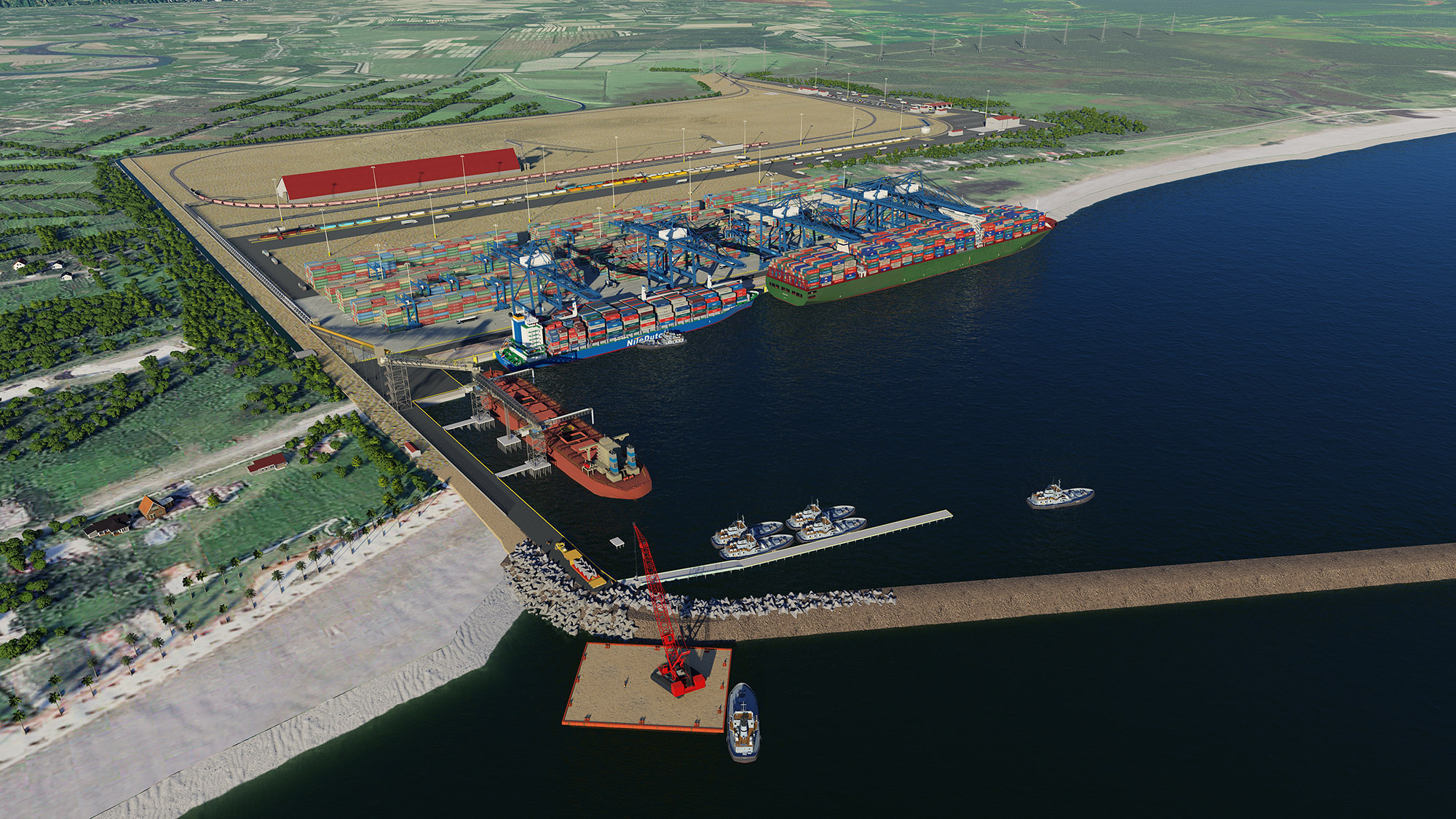
Georgia plans $200 million railway link to Anaklia port, Kobakhidze says
OC Media / 1 hour ago

Azerbaijan students launch school strike over hijab restrictions
OC Media / 1 hour ago

‘Regime,’ ‘oligarch’, ‘Ivanishvilli’s President,’ among 93 phrases reportedly banned on Georgian TV
OC Media / 2 hours ago

Armenia denies claims another three Azerbaijanis crossed in Syunik
OC Media / 2 hours ago
Related coverage

Ուկրաինանական պատվիրակությունը մեկնում է ԱՄՆ. ի՞նչ նոր առաջարկներ են քննարկելու
Azatutyun / 1 hour ago

Пашинян, Путин и Алиев провели закрытую встречу в Туркменистане – СМИ
Sputnik Armenia / 1 hour ago

Արտաքին տեսքը դեռ անվտանգության երաշխիք չէ․ինչպե՞ս է վերահսկվում խաղալիքների շուկան
Public Radio of Armenia / 1 hour ago
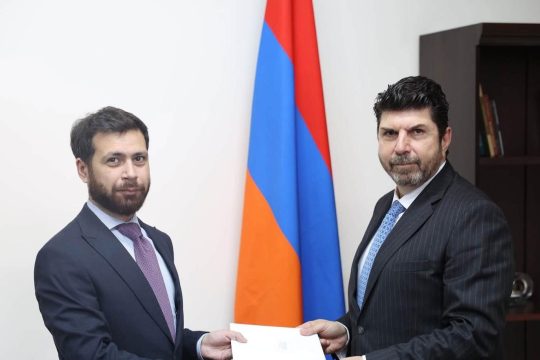
Վահան Կոստանյանն ու Դիմիտրիոս Սկուտասը քննարկել են Հայաստան–Հունաստան առևտրատնտեսական օրակարգը
1in.am / 1 hour ago