Showing in English.
3 full-article translations/day — headlines & summaries always free. Create free account for 25/day
Alik Review: The New Architects of Public Opinion
Ալիք-ի ակնարկ.
Հանրային կարծիքի նոր ճարտարապետները
In the previous article, we touched on the formation of public opinion as one of the most powerful tools of modern politics, and the reality of how, in the name of democracy, it is often used to reproduce power. However, today it is more important to understand how [...]
Նախորդ ակնարկում անդրադարձել էինք հանրային կարծիքի ձեւաւորմանը՝ որպէս ժամանակակից քաղաքականութեան ամենաազդեցիկ գործիքներից մէկին, եւ այն իրողութեանը, թէ ինչպէս ժողովրդավարութեան անունից այն յաճախ ծառայեցւում է իշխանութեան վերարտադրութեանը։ Սակայն այսօր աւելի կարեւոր է հասկանալ, թէ ինչպէս է [...]
Read more >>
Leer más >>

In the previous review, we touched upon the formation of public opinion as one of the most powerful tools of modern politics, and the reality of how, in the name of democracy, it is often used to reproduce power. However, today it is more important to understand how not only politics has changed, but also the environment in which that opinion is formed.
Նախորդ ակնարկում անդրադարձել էինք հանրային կարծիքի ձեւաւորմանը՝ որպէս ժամանակակից քաղաքականութեան ամենաազդեցիկ գործիքներից մէկին, եւ այն իրողութեանը, թէ ինչպէս ժողովրդավարութեան անունից այն յաճախ ծառայեցւում է իշխանութեան վերարտադրութեանը։ Սակայն այսօր աւելի կարեւոր է հասկանալ, թէ ինչպէս է փոխւել ոչ միայն քաղաքականութիւնը, այլեւ այն միջավայրը, որտեղ ձեւաւորւում է այդ կարծիքը։
In the newly independent states, democracy was based on the principles of free elections and freedom of speech. However, political struggle gradually moved away from the editorial offices. The field of public discussion first gave way to electoral technologies, then to social media, where argument gradually gave way to emotion.
Նորանկախ պետութիւններում ժողովրդավարութիւնը հիմնւեց ազատ ընտրութիւնների եւ խօսքի ազատութեան սկզբունքների վրայ։ Սակայն քաղաքական պայքարը հետզհետէ հեռացաւ խմբագրութիւններից։ Հանրային քննարկման դաշտը նախ զիջեց ընտրական տեխնոլոգիաներին, ապա սոցիալական մեդիային, որտեղ փաստարկն աստիճանաբար իր տեղը զիջեց զգացմունքին։
Today, political success often depends not so much on convincing ideas as on the ability to create public sentiment. And when sentiment is presented as public opinion, the role of the literary press becomes not only relevant, but also vital.
Այսօր քաղաքական յաջողութիւնը յաճախ կախւած է ոչ այնքան համոզիչ գաղափարներից, որքան հանրային տրամադրութիւն ստեղծելու կարողութիւնից։ Իսկ երբ տրամադրութիւնը ներկայացւում է որպէս հանրային կարծիք, գրագէտ մամուլի դերը դառնում է ոչ միայն արդիական, այլեւ կենսական։
The Republic of Likes
Լայքերի հանրապետութիւն
Political forces have long understood that it is easier to convince people than to argue with them. It is enough to create the impression that “the people want it that way,” and the temporary public mood begins to present itself as the will of the people. A few thousand views, thousands of comments, or tens of thousands of “likes” on social networks can easily replace a long-term public discussion.
Քաղաքական ուժերը վաղուց հասկացել են, որ մարդկանց համոզելն աւելի հեշտ է, քան նրանց հետ վիճելը։ Բաւական է ստեղծել այն տպաւորութիւնը, թէ «ժողովուրդն այդպէս է ուզում», եւ ժամանակաւոր հանրային տրամադրութիւնը սկսում է ներկայանալ որպէս ժողովրդի կամք։ Սոցիալական ցանցերում մի քանի հազար դիտում, հազարաւոր մեկնաբանութիւններ կամ տասնեակ հազարաւոր «լայքեր» հեշտութեամբ կարող են փոխարինել երկարատեւ հանրային քննարկմանը։
Democracy is based on the will of the people. But the will of the people and the mood produced by an algorithm are not the same thing. The first is formed through discussion, a clash of different opinions, and informed choice. The second is through constantly repeated images, slogans, and emotional responses.
Ժողովրդավարութիւնը հիմնւած է ժողովրդի կամքի վրայ։ Բայց ժողովրդի կամքը եւ ալգորիթմի արտադրած տրամադրութիւնը նոյն բանը չեն։ Առաջինը ձեւաւորւում է քննարկման, տարբեր կարծիքների բախման եւ տեղեկացւած ընտրութեան միջոցով։ Երկրորդը՝ անընդհատ կրկնւող պատկերների, կարգախօսների եւ զգացմունքային արձագանգների։
This phenomenon is not new. From the Cambridge Analytica* affair to the Brexit referendum, from the US presidential elections to the rise of extremist movements in a number of European countries, it has already been proven time and again that public opinion has become the main field of political technology. The greatest challenge to democracy today is not electoral fraud. Much more dangerous is the moment when the voter is sincerely sure that he made the decision, while the logic of that decision has long been formed by the information environment created around him.
Այս երեւոյթը նոր չէ։ Cambridge Analytica*-ի գործից մինչեւ Բրեքսիթի հանրաքւէն, Միացեալ Նահանգների նախագահական ընտրութիւններից մինչեւ Եւրոպայի մի շարք երկրներում ծայրայեղական շարժումների վերելքը, արդէն բազմիցս ապացուցել են, որ հանրային կարծիքը դարձել է քաղաքական տեխնոլոգիաների հիմնական դաշտ։ Ժողովրդավարութեան ամենամեծ մարտահրաւէրն այսօր ընտրակեղծիքը չէ։ Շատ աւելի վտանգաւոր է այն պահը, երբ ընտրողն անկեղծօրէն վստահ է, որ որոշումը կայացրել է ինքը, մինչդեռ այդ որոշման տրամաբանութիւնը երկար ժամանակ ձեւաւորւել է իր շուրջ ստեղծւած տեղեկատւական միջավայրի միջոցով։
In countries like Armenia, this phenomenon is more visible. Here, social networks have become a tool not only for communication, but also for political legitimacy. When state policy is presented as a “direct demand of the people,” and the criteria for that demand become the responses of social platforms, democracy is slowly being replaced by mood management.
Հայաստանի նման երկրներում այս երեւոյթն աւելի տեսանելի է։ Այստեղ սոցիալական ցանցերը դարձել են ոչ միայն հաղորդակցութեան, այլեւ քաղաքական լեգիտիմութեան գործիք։ Երբ պետական քաղաքականութիւնը ներկայացւում է որպէս «ժողովրդի անմիջական պահանջ», իսկ այդ պահանջի չափանիշերը դառնում են սոցիալական հարթակների արձագանգները, ժողովրդավարութիւնը դանդաղօրէն փոխարինւում է տրամադրութիւնների կառավարմամբ։
The parliamentary majority begins to be perceived not as a constitutional responsibility, but as a constantly reproduced demonstration of public support.
Խորհրդարանական մեծամասնութիւնը սկսում է ընկալւել ոչ թէ որպէս սահմանադրական պատասխանատւութիւն, այլ որպէս մշտապէս վերարտադրւող հանրային աջակցութեան ցուցադրութիւն։
This is where the real mission of the literate press begins.
Հէնց այստեղ է սկսւում գրագէտ մամուլի իրական առաքելութիւնը։
The printed press cannot compete with the speed of social networks and should not try to do so. Its strength lies in a completely different place. It creates connections between facts, reminds us of what the political agenda tries to make us forget, and preserves the memory without which society will lose its own judgment.
Տպագիր մամուլը չի կարող մրցել սոցիալական ցանցերի արագութեան հետ եւ չպէտք է փորձի դա անել։ Նրա ուժը բոլորովին այլ տեղում է։ Այն փաստերի միջեւ կապեր է ստեղծում, յիշեցնում է այն, ինչ քաղաքական օրակարգը փորձում է մոռացնել տալ, եւ պահպանում է այն յիշողութիւնը, առանց որի հասարակութիւնը կը կորցնի սեփական դատողութիւնը։
For years, they used to say that “with yesterday’s newspaper, today you can only clean windows.” Time, however, has turned that irony against itself. Today, what becomes obsolete in a day is not the newspaper, but the news feed of social networks, where yesterday’s noise already does not exist, and tomorrow’s truth is determined by another algorithm.
Տարիներ շարունակ ասում էին, թէ «երէկւայ թերթով այսօր միայն ապակիներ կարելի է մաքրել»։ Ժամանակը, սակայն, այդ հեգնանքը շրջեց իր դէմ։ Այսօր մէկ օրում հնացողը ոչ թէ թերթն է, այլ սոցիալական ցանցերի լրահոսը, որտեղ երէկւայ աղմուկն արդէն գոյութիւն չունի, իսկ վաղւայ ճշմարտութիւնը որոշւում է հերթական ալգորիթմով։
That is why today the first duty of the literary press is not to be the first to report the news, but to be the last to forget.
Դրա համար էլ այսօր գրագէտ մամուլի առաջին պարտականութիւնը ոչ թէ առաջինը լուրը հաղորդելն է, այլ վերջինը մոռանալը։
The strength of the free press has never been its speed. Its strength has been its independent thinking, its responsibility to the facts, and its ability to keep up with the times.
Ազատ մամուլի ուժը երբեք նրա արագութիւնը չի եղել։ Նրա ուժը եղել է անկախ մտածողութիւնը, փաստերի նկատմամբ պատասխանատւութիւնը եւ ժամանակի յիշողութիւնը պահպանելու կարողութիւնը։
In the established democracies of Northern Europe, this principle has long become part of the professional culture. There, a journalist’s authority is determined not by the followers of his personal page, but by the trust of his editorial staff and the quality of his publications. Social networks complement journalism, but do not replace it.
Հիւսիսային Եւրոպայի կայացած ժողովրդավարութիւններում այս սկզբունքը վաղուց է դարձել մասնագիտական մշակոյթի մաս։ Այնտեղ լրագրողի հեղինակութիւնը որոշւում է ոչ թէ նրա անձնական էջի հետեւորդներով, այլ իր խմբագրութեան վստահութեամբ եւ հրապարակումների որակով։ Սոցիալական ցանցերը լրացնում են լրագրութիւնը, բայց չեն փոխարինում այն։
In societies where these institutions are still vulnerable, the danger is twofold. When the press retreats, noise takes the place of judgment. And when noise begins to represent public opinion, the authorities no longer have to convince. It is enough to manage that noise.
Այն հասարակութիւններում, որտեղ այդ ինստիտուտները դեռ խոցելի են, վտանգը կրկնակի է։ Երբ մամուլը նահանջում է, դատողութեան տեղը զբաղեցնում է աղմուկը։ Իսկ երբ աղմուկը սկսում է ներկայացնել հանրային կարծիքը, իշխանութիւնն այլեւս ստիպւած չէ համոզել։ Բաւական է կառավարել այդ աղմուկը։
Democracy dies the day society stops distinguishing public opinion from public sentiment.
Ժողովրդավարութիւնը մահանում է այն օրը, երբ հասարակութիւնը դադարում է տարբերել հանրային կարծիքը հանրային տրամադրութիւնից։
And perhaps the most important mission of the literary press today is precisely this: to remind us that a like is not yet a fact, an algorithm is not yet a society, and the loudest noise is not always the voice of the people.
Եւ գուցէ այսօր գրագէտ մամուլի ամենակարեւոր առաքելութիւնը հէնց դա է՝ յիշեցնել, որ լայքը դեռ փաստ չէ, ալգորիթմը դեռ հասարակութիւն չէ, իսկ ամենաբարձր աղմուկը միշտ չէ, որ ժողովրդի ձայնն է։
——————
——————
*) The Cambridge Analytica scandal of 2018 revealed that the personal data of social media users can be used not only for advertising, but also to guide the political behavior of voters.
*) 2018 թւականի Cambridge Analytica-ի սկանդալը բացայայտեց, որ սոցիալական ցանցերի օգտատէրերի անձնական տւեալները կարող են օգտագործւել ոչ միայն գովազդի, այլեւ ընտրողների քաղաքական վարքագիծն ուղղորդելու նպատակով։
HATIS "Alik"
ՀԱՏԻՍ «Ալիք»
Comments
No comments yet — be the first to comment.
More from Diario Armenia

Iran again warns Yerevan about third-country interference
Diario Armenia / 5 hours ago

The incident in Shaki raises security concerns.
Diario Armenia / 5 hours ago

"Flag" Leader: Win or lose in time
Diario Armenia / 5 hours ago
The FRA commemorated the 24 volunteers who died defending Varnkatagh during the 2020 Artsakh war.
Diario Armenia / 8 hours ago
Related coverage

Nikol Pashinyan envisions the construction of gas and oil pipelines within the framework of the Crossroads of Peace
Soy Armenio / 5 hours ago
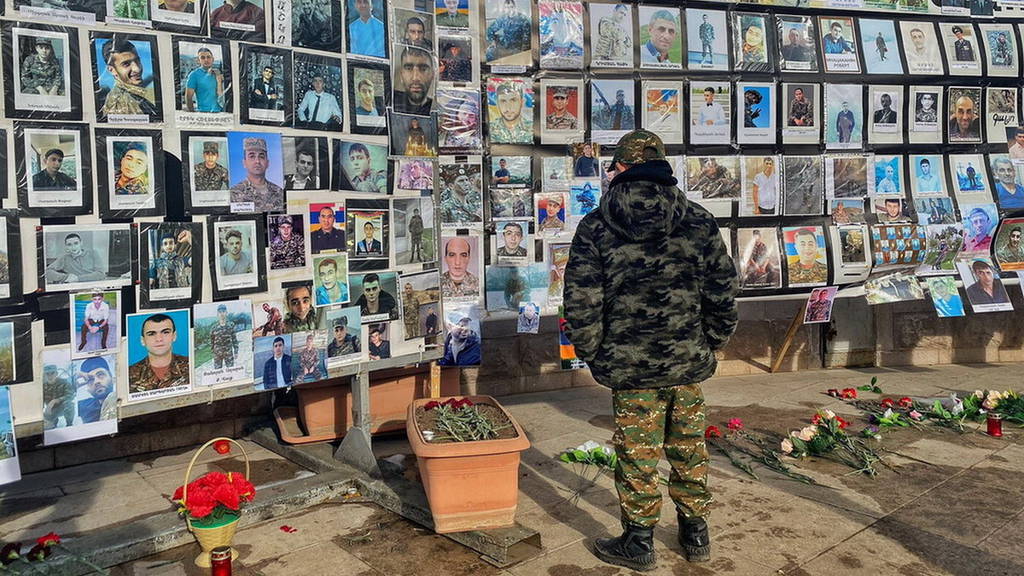
Armenia denies Azerbaijani accusations about missing persons and maps of mass graves at the OSCE Conference
Soy Armenio / 6 hours ago
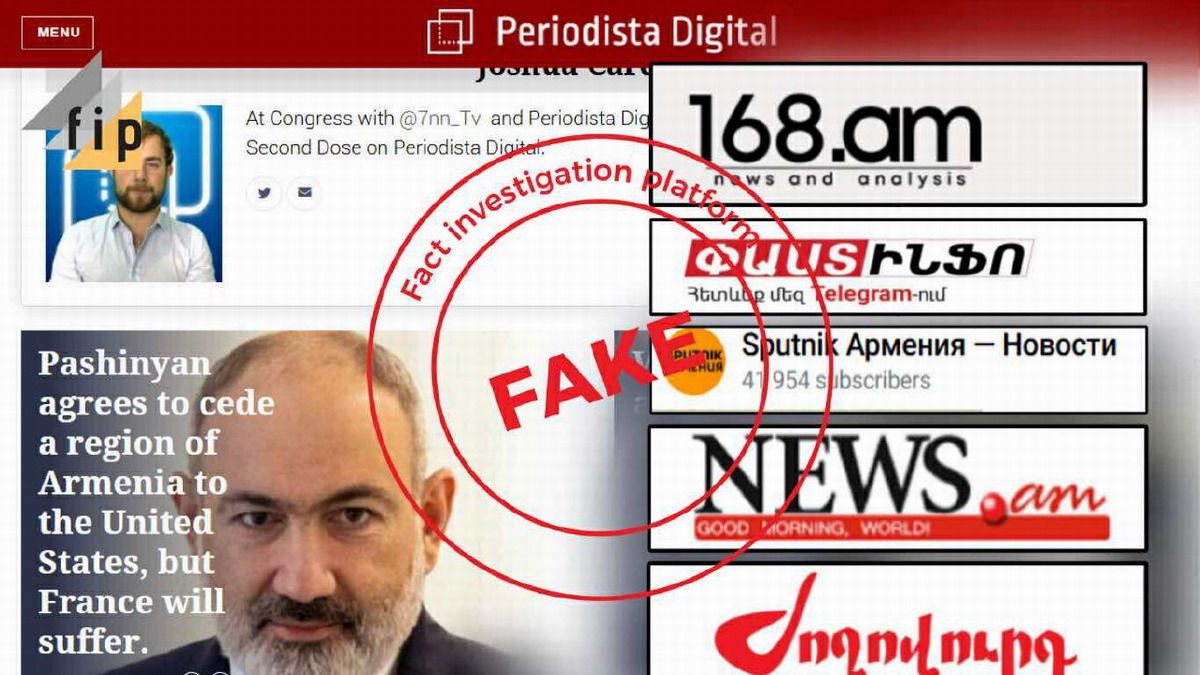
Armenia regulates foreign audiovisual content to prevent internal political interference.
Soy Armenio / 6 hours ago
Armenia tightens residency rules for Russian citizens starting November 1
Soy Armenio / Oct 5