Showing in English.
5 full-article translations/day — headlines & summaries always free. Create free account for 25/day
Alik's Commentary: Revisit the path or edit the memory?
Ալիք-ի Ակնարկ.
Վերանայե՞լ ճանապարհը, թէ՞ խմբագրել յիշողութիւնը
HATIS
ՀԱՏԻՍ
This essay is a continuation of the previous ones, trying to answer the third question: is it possible to respect the path taken and the actors, while simultaneously reviewing the political mistakes of that path?
Այս ակնարկը նախորդների շարունակութիւնն է՝ փորձելով պատասխանել երրորդ հարցին. հնարաւո՞ր է յարգել անցած ճանապարհն ու դերակատարներին՝ միաժամանակ վերանայելով այդ ճանապարհի քաղաքական սխալները։
I leaf through the photo books of the first Artsakhian and come across photos by Ruben Mangasaryan, Gagik Harutyunyan, German Avagyan [...]
Թերթում ես առաջին արցախեանի լուսանկարների գրքերն ու հանդիպում Ռուբէն Մանգասարեանի, Գագիկ Յարութիւնեանի, Գերման Աւագեանի [...]
Read more >>
Leer más >>
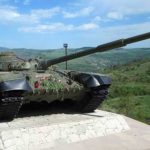
HATIS
ՀԱՏԻՍ
This essay is a continuation of the previous ones, trying to answer the third question: is it possible to respect the path taken and the actors, while simultaneously reviewing the political mistakes of that path.
Այս ակնարկը նախորդների շարունակութիւնն է՝ փորձելով պատասխանել երրորդ հարցին. հնարաւո՞ր է յարգել անցած ճանապարհն ու դերակատարներին՝ միաժամանակ վերանայելով այդ ճանապարհի քաղաքական սխալները։
You leaf through the photo books of the first Artsakh war and come across black-and-white shots by Ruben Mangasaryan, Gagik Harutyunyan, German Avagyan and other war photographers… and history suddenly ceases to be abstract. In people’s eyes, you see fatigue, fear, loss, and sometimes a spark of victory. But alongside them, there is also the spirit of self-defense and uncertainty.
Թերթում ես առաջին արցախեանի լուսանկարների գրքերն ու հանդիպում Ռուբէն Մանգասարեանի, Գագիկ Յարութիւնեանի, Գերման Աւագեանի եւ այլ պատերազմական լուսանկարիչների սեւ-սպիտակ կադրերին… ու պատմութիւնը յանկարծ դադարում է վերացական լինելուց։ Մարդկանց աչքերում յոգնածութիւն, վախ, կորուստ, երբեմն էլ՝ յաղթանակի կայծ ես տեսնում։ Բայց դրանց կողքին՝ նաեւ ինքնապաշտպանութեան ոգին ու անորոշութիւնը։
“The First Artsakh War” had exactly such a beginning: in the name of the nation and the defense of the unarmed people surrendered to the enemy, to save the land and the homeland.
«Արցախեան առաջին»-ը հէնց այդպիսի սկիզբ ունեցաւ՝ յանուն ազգի եւ թշնամուն մատնւած անզէն ժողովրդի պաշտպանութեան, փրկել հողն ու հայրենիքը։
Perhaps, from the distance of years, we can argue about the political decisions, mistakes and further course of that war. But the hard part is arguing with one’s conscience. To the tired eyes of the people in the photographs, it was no longer an abstract story. It was the story of their lives, or the lives of the families they had left behind, and the homeland they held in their arms.
Գուցէ տարիների հեռաւորութիւնից մենք կարող ենք վիճել այդ պատերազմի քաղաքական որոշումների, սխալների եւ հետագայ ընթացքի շուրջ։ Բայց դժւարը խղճի հետ վիճելն է։ Լուսանկարներում երեւացող մարդկանց յոգնած աչքերի համար դա արդէն վերացական պատմութիւն չէր։ Դա իրենց կեանքի, կամ թիկունքում յայտնւած ընտանիքի կեանքի, եւ բռի մէջ պահած հայրենի հողի պատմութիւնն էր։
It may seem sentimental. But it is precisely those black-and-white photographs that today force us to ask: what happened between “those days” and the political thinking that would divide Armenian society into “Blacks” and “Whites” years later.
Գուցէ զգացական թւայ։ Բայց հէնց այդ սեւ-սպիտակ լուսանկարներն են, որ այսօր ստիպում են հարց տալ՝ ի՞նչ տեղի ունեցաւ «այն օրերի» եւ այն քաղաքական մտածողութեան միջեւ, որը տարիներ անց հայ հասարակութեանը պիտի բաժանէր «Սեւերի» ու «Սպիտակների»։
The political path is always subject to revision, and the reasons for defeat even more so. No one is against the fact that mistakes made at the level of state decisions, in particular, should be named. But that does not mean that the collective memory of the people who walked that path should be edited.
Քաղաքական ճանապարհը միշտ ենթակայ է վերանայման, պարտութեան պատճառները՝ առաւել եւս։ Ոչ ոք դէմ չէ նրան, որ պետական որոշումների մակարդակով գործած սխալները, յատկապէս, պէտք է անուններով կոչւեն։ Բայց դա դեռ չի նշանակում, որ այդ ճանապարհն անցած մարդկանց հաւաքական յիշողութիւնը պէտք է խմբագրւի։
Moreover, another fundamental question arises here: Is the state only a system of governance or a historical continuity that gives meaning to that system?
Աւելին՝ այստեղ եւս մէկ հիմնական հարց է առաջանում․ պետութիւնը միայն կառավարման համակարգ է, թէ՞ պատմական շարունակականութիւն, որով իմաստ է հաղորդւում այդ համակարգին։
In the state thinking of the current authorities in Armenia, the “system” sometimes seems to become an end in itself. The Armenian and the national are acceptable there to the extent that they do not interfere with its work. But here a simple question arises: what will remain of the statehood if it cuts that umbilical cord connecting it with its own history. And tomorrow, who will answer the simplest question: for whom and for what did that system serve?
Հայաստանի ներկայ իշխանութիւնների պետական մտածողութեան մէջ «համակարգը» երբեմն կարծես դառնում է ինքնանպատակ։ Հայկականն ու ազգայինը այնտեղ ընդունելի են այնքանով, որքանով չեն խանգարում դրա աշխատանքին։ Բայց այստեղ մի պարզ հարց է առաջանում․ ի՞նչ կը մնայ պետականութիւնից, եթէ այն կտրում է սեփական պատմութեան հետ կապող այդ պորտալարը։ Իսկ վաղը ո՞վ պիտի պատասխանի ամենապարզ հարցին՝ այդ համակարգը ո՞ւմ եւ ինչի՞ն էր ծառայում։
The authorities can change their political assessments and review the path they have taken. But that change cannot require the people to also change their memory. Germany faced the darkest pages of its history without erasing its history. Japan has been reviewing its war legacy for decades without abandoning historical memory.
Իշխանութիւնները կարող են փոխել քաղաքական գնահատականներն ու վերանայել անցած ճանապարհը։ Բայց այդ փոփոխութիւնը չի կարող պահանջել, որ ժողովուրդը փոխի նաեւ իր յիշողութիւնը։ Գերմանիան իր պատմութեան ամենամութ էջերի հետ առերեսւեց՝ առանց իր պատմութիւնը ջնջելու։ Ճապոնիան տասնամեակներ շարունակ վերանայել է պատերազմի իր ժառանգութիւնը՝ առանց հրաժարւելու պատմական յիշողութիւնից։
In the case of Armenia, the reassessment of the past, which was also conditioned by the imperative of confronting external fronts, cannot mean renouncing the rights of that segment of the people that paid the highest price for that imperative.
Հայաստանի դէպքում անցեալի վերագնահատումը, որը նաեւ արտաքին ճակատներին դիմակայելու հրամայականով էր պայմանաւորւած, չի կարող նշանակել հրաժարւել ժողովրդի այն հատւածի իրաւունքներից, որը այդ հրամայականի դիմաց ամենաբարձր գինն է վճարել։
Finally, it is necessary to understand that even the tribes living in our neighborhood and not having deep traces in the volume of regional civilization have understood more clearly that “National memory is the prerequisite for the responsibility of statehood.”
Վերջապէս հասկանալ է պէտք, որ նոյնիսկ մեր հարեւանութեամբ ապրող ու տարածաշրջանի քաղաքակրթութեան հատորում խոր հետքեր չունեցող ցեղախմբերն աւելի պարզ են հասկացել, որ «Ազգային յիշողութիւնը պետականութեան պատասխանատւութեան նախապայմանն է»։
Comments
No comments yet — be the first to comment.
More from Diario Armenia
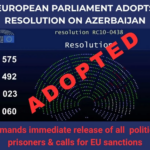
The European Parliament condemned the repression in Azerbaijan, demanded the release of Armenian prisoners, and called for sanctions against the Azerbaijani regime.
Diario Armenia / 12 hours ago

The Armenian House of Hadjin will organize “Two Peoples, One Embrace”, an evening of tango, Armenian music and dances in Buenos Aires
Diario Armenia / 16 hours ago

The Argentine Embassy in Armenia organized a tasting of Argentine wines in Yerevan to strengthen cultural and commercial ties between the two countries.
Diario Armenia / 16 hours ago
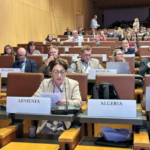
Lilit Galstyan called on the OSCE to send a humanitarian mission to visit Armenian prisoners in Azerbaijan and offered to travel to Baku personally.
Diario Armenia / Oct 8
Related coverage
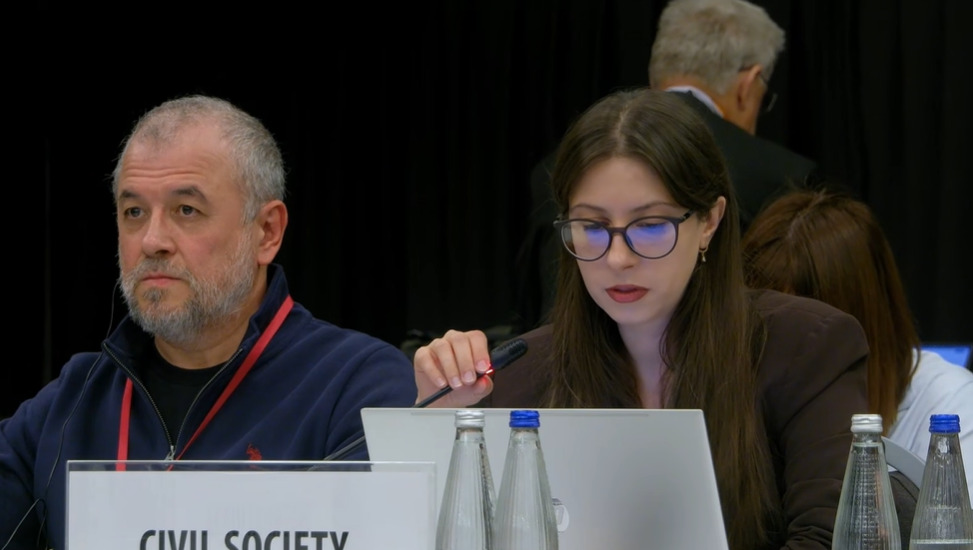
Ruzanna Avagimyan demands before the OSCE to eradicate the hatred promoted by Azerbaijan against Armenians
Soy Armenio / Oct 8
They warn about the irreversible loss of digital archives and the historical memory of Armenia on the internet
Soy Armenio / Oct 8

After 40 years in prison for the murder of a Turkish consul, Hampig Sassouian names his twins Artsakh and Shushi.
Guía Armenia Menc / Oct 7
A prosecutor has charged a lieutenant colonel in connection with the deaths of 18 soldiers in the 44-day war.
Soy Armenio / Oct 6