Showing in English.
5 full-article translations/day — headlines & summaries always free. Create free account for 25/day
The FRA of South America called for “defending” the independence of Armenia “without renouncing our memory”
La FRA de Sudamérica llamó a “defender” la independencia de Armenia “sin renunciar a nuestra memoria”
The Armenian Revolutionary Federation (ARF - Tashnagtsutiun) of South America issued a statement for the 35th anniversary of the re-establishment of the Armenian nation-state, commemorated on September 21, 2026, in which it reaffirmed its independence [...]
La Federación Revolucionaria Armenia (FRA - Tashnagtsutiún) de Sudamérica difundió una declaración por el 35º aniversario del restablecimiento del Estado Nacional armenio, conmemorado el 21 de septiembre de 2026, en la que reivindicó la independencia [...]
Read more >>
Leer más >>
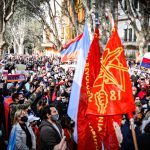
The Armenian Revolutionary Federation (ARF-Tashnagtsutiun) of South America issued a statement commemorating the 35th anniversary of the re-establishment of the Armenian nation-state, celebrated on September 21, 2026. In it, the ARF reaffirmed Armenia's independence, recalled the struggle for the Republic of Artsakh (Nagorno-Karabakh), defended the bond between Armenia and the diaspora, and asserted that strengthening the country must be accompanied by the defense of democracy, institutions, national identity, and the rights of the Armenian people.
La Federación Revolucionaria Armenia (FRA - Tashnagtsutiún) de Sudamérica difundió una declaración por el 35º aniversario del restablecimiento del Estado Nacional armenio, conmemorado el 21 de septiembre de 2026, en la que reivindicó la independencia de Armenia, recordó la lucha por la República de Artsaj (Nagorno Karabaj), defendió el vínculo entre Armenia y la diáspora y sostuvo que el fortalecimiento del país debe estar acompañado por la defensa de la democracia, las instituciones, la identidad nacional y los derechos del pueblo armenio.
“Thirty-five years ago, the Armenian people made a decision that once again changed the course of our history,” the ARF of South America stated, recalling the referendum of September 21, 1991, when a large majority of the population voted for Armenia's independence from the Soviet Union.
“Hace 35 años, el pueblo armenio tomó una decisión que volvió a cambiar el rumbo de nuestra historia”, expresó la FRA de Sudamérica al recordar el referéndum del 21 de septiembre de 1991, cuando una amplia mayoría de la población votó por la independencia de Armenia de la Unión Soviética.
The organization noted that the regaining of independence was “deeply linked to the Artsakh liberation movement” and emphasized that, since then, Armenia has undergone a process of building and strengthening its institutions, facing economic hardships, wars, and various challenges on the international stage.
La organización señaló que la recuperación de la independencia estuvo “profundamente vinculada con el movimiento de liberación de Artsaj” y destacó que, desde entonces, Armenia atravesó el proceso de construcción y fortalecimiento de sus instituciones, dificultades económicas, guerras y diferentes desafíos en el escenario internacional.
“These were also years of growth, achievements, and immense hope. Armenia expanded its relations with more countries. New generations were born and raised in an independent homeland. There were advances in culture, education, science, and technology,” the statement said.
“También fueron años de crecimiento, de logros y de enormes esperanzas. Armenia extendió sus relaciones hacia más países. Nuevas generaciones nacieron y crecieron en una patria independiente. Hubo avances en la cultura, la educación, la ciencia y la tecnología”, sostuvo el comunicado.
Regarding the diaspora, the ARF affirmed that “the existence of an independent Republic of Armenia has once again placed at the center of our collective life a reality that for many generations had been merely a dream.”
En relación con la diáspora, la FRA afirmó que “la existencia de una República de Armenia independiente volvió a poner en el centro de nuestra vida colectiva una realidad que durante muchas generaciones había sido apenas un sueño”.
The statement dedicated a central section to Artsakh and the forced displacement of its Armenian population in September 2023, following the 2020 war and the subsequent Azerbaijani blockade.
La declaración dedicó una parte central a Artsaj y al desplazamiento forzado de su población armenia en septiembre de 2023, luego de la guerra de 2020 y el posterior bloqueo de Azerbaiyán.
“Today, Artsakh is devoid of Armenians. Behind this statement are families who lost their homes, their villages, their churches, their cemeteries, and much of what gave meaning to their daily lives. There is also a threatened historical and cultural heritage and a cause that risks being silenced by political expediency and international pressure,” he stated.
“Hoy Artsaj está vacía de armenios. Detrás de esta frase hay familias que perdieron sus casas, sus pueblos, sus iglesias, sus cementerios y buena parte de aquello que daba sentido a su vida cotidiana. Hay también un patrimonio histórico y cultural amenazado y una causa que corre el riesgo de ser silenciada por conveniencias políticas y presiones internacionales”, señaló.
In this context, the ARF outlined its position regarding the regional peace process. “Therefore, we should not confuse the absence of war with true peace. Because we want peace. Our people know the price of war all too well to desire anything else. But we aspire to a peace that can be sustained over time, that respects our rights, preserves our identity, and guarantees the security of Armenia. A peace that allows us to look to the future without demanding that we forget what happened,” he declared.
En ese contexto, la FRA planteó su posición respecto del proceso de paz regional. “Por eso tampoco deberíamos confundir la ausencia de guerra con una paz verdadera. Porque nosotros queremos la paz. Nuestro pueblo conoce demasiado bien el precio de la guerra como para desear otra cosa. Pero aspiramos a una paz que pueda sostenerse en el tiempo, que respete nuestros derechos, preserve nuestra identidad y garantice la seguridad de Armenia. Una paz que permita mirar hacia adelante sin exigirnos olvidar lo que ocurrió”, manifestó.
The organization also addressed the internal political situation in Armenia and distinguished between the State and the governments in power. “Thirty-five years is enough time to understand that no single government is Armenia. Governments come and go, they succeed, they make mistakes, and ultimately they are replaced. The state remains and belongs to everyone,” he stated.
La organización también se refirió a la situación política interna de Armenia y diferenció al Estado de los gobiernos de turno. “Treinta y cinco años alcanzan para entender que ningún gobierno es Armenia. Los gobiernos pasan, aciertan, se equivocan y finalmente son reemplazados. El Estado permanece y pertenece a todos”, expresó.
“Therefore, caring for Armenia also means caring for its democracy, strengthening its institutions, guaranteeing pluralism, striving for greater social justice, and accepting that differences are part of any society that truly aspires to be free,” he added.
“Por eso cuidar Armenia significa también cuidar su democracia, fortalecer sus instituciones, garantizar el pluralismo, buscar mayor justicia social y aceptar que las diferencias forman parte de cualquier sociedad que quiera ser verdaderamente libre”, agregó.
Another key aspect of the declaration was the relationship between Armenia and the diaspora. The ARF maintained that there is still work to be done to build “a mature and lasting way” of connecting them and emphasized the need to generate “trust, participation, and a shared project that leverages the capabilities of millions of Armenians, regardless of where they were born or where they have chosen to live.”
Otro de los ejes de la declaración fue la relación entre Armenia y la diáspora. La FRA sostuvo que todavía existe una tarea pendiente para construir “una forma madura y duradera” de vincularlas y planteó la necesidad de generar “confianza, participación y un proyecto común que aproveche las capacidades de millones de armenios sin importar dónde hayan nacido o dónde hayan elegido vivir”.
The organization also reaffirmed its historical principles: “A free, independent, and united Armenia; sovereign, democratic, and socially just. A state strong because of its institutions and the participation of its people. A nation capable of uniting the forces of Armenia and the diaspora around common goals.”
La organización reafirmó además sus principios históricos: “Una Armenia libre, independiente y unida; soberana, democrática y socialmente justa. Un Estado fuerte por sus instituciones y por la participación de su pueblo. Una nación capaz de reunir las fuerzas de Armenia y de la diáspora alrededor de objetivos comunes”.
The Armenian Revolutionary Federation (ARF) maintained that political differences are part of a democratic society, but pointed out that there are issues related to identity and national claims that it considers central.
La FRA sostuvo que las diferencias políticas forman parte de una sociedad democrática, pero señaló que existen cuestiones vinculadas con la identidad y las reivindicaciones nacionales que considera centrales.
“The struggle for international recognition of the Armenian Genocide, a cause championed for generations by our people in every corner of the world, cannot be relativized,” it stated.
“No se puede relativizar la lucha por el reconocimiento internacional del Genocidio Armenio, una causa sostenida durante generaciones por nuestro pueblo en todos los rincones del mundo”, expresó.
Regarding Artsakh, it affirmed: “Artsakh cannot be denied. Our leaders, kidnapped hostages, tortured and imprisoned through spectacularly illegal processes, cannot be abandoned. It is unacceptable to act as if the history of Artsakh began with the last war or ended with the forced displacement of its population.”
Sobre Artsaj, afirmó: “No se puede negar Artsaj. No se puede abandonar a nuestros dirigentes, rehenes raptados, torturados y encarcelados mediante procesos espectacularmente ilegales. No se puede actuar como si la historia de Artsaj comenzara con la última guerra o terminara con el desplazamiento forzado de su población”.
“Artsakh is its people, its churches, its villages, its cities, its land, its sky, its culture, and everything our people built there over centuries. It is also the right of those who were expelled to preserve their memory, their identity, and their legitimate rights to be and to remain in that place,” the statement added.
“Artsaj son sus habitantes, sus iglesias, sus pueblos, sus ciudades, su tierra, su cielo, su cultura y todo lo que nuestro pueblo construyó allí durante siglos. Y es también el derecho de quienes fueron expulsados a conservar su memoria, su identidad y sus legítimos derechos a ser y estar en ese lugar”, agregó la declaración.
The Armenian Revolutionary Federation (ARF) also rejected a confrontation between Armenia and diaspora communities, highlighting the role played for decades by their schools, churches, clubs, cultural centers, and institutions, as well as their international activities and the assistance provided to Armenia and Artsakh.
La FRA también rechazó una confrontación entre Armenia y las comunidades de la diáspora y recordó el papel desempeñado durante décadas por sus escuelas, iglesias, clubes, centros culturales e instituciones, así como su actividad internacional y la asistencia destinada a Armenia y Artsaj.
“All of this can be discussed, improved, and updated. What cannot be done is to belittle it, spread misinformation about its work, or portray diaspora institutions as an obstacle for Armenia,” the FRA stated.
“Todo eso puede ser discutido, mejorado y actualizado. Lo que no puede hacerse es despreciarlo, desinformar sobre su tarea o presentar a las instituciones de la diáspora como un obstáculo para Armenia”, señaló.
The statement concluded with a call to strengthen Armenian participation and institutions both within and outside the country. “Our response must go in the opposite direction. More Armenia and more diaspora. More participation. More institutions. More democracy. More commitment to our culture and our identity. More capacity to defend our rights and explain our cause to the world. And, above all, a greater awareness that we are all part of the same nation.”
La declaración concluyó con un llamado a reforzar la participación y las instituciones armenias tanto dentro como fuera del país. “Nuestra respuesta tiene que ir en la dirección contraria. Más Armenia y más diáspora. Más participación. Más instituciones. Más democracia. Más compromiso con nuestra cultura y nuestra identidad. Más capacidad para defender nuestros derechos y explicar nuestra causa al mundo. Y, sobre todo, una mayor conciencia de que formamos parte de una misma nación”.
“Thirty-five years after its independence, our responsibility is to defend it without renouncing our memory, to strengthen it without dividing our people, and to build around it a nation capable of uniting all its forces,” concluded the FRA - South American Tashnagtsutiún.
“A 35 años de su independencia, nuestra responsabilidad es defenderla sin renunciar a nuestra memoria, fortalecerla sin dividir a nuestro pueblo y construir alrededor de ella una nación capaz de reunir todas sus fuerzas”, concluyó la FRA - Tashnagtsutiún de Sudamérica.
Comments
No comments yet — be the first to comment.
More from Diario Armenia
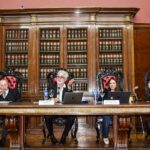
Luis Moreno Ocampo, Valeria Thus, Oscar López Goldaracena and Jairo Straccia analyzed the denial of the Armenian Genocide and the situation of Artsakh during a talk at the Faculty of Law of the UBA
Diario Armenia / 1 hour ago
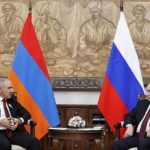
Winning or losing with time: editorial of Troshag, official organ of the FRA-Dashnagtsutiún
Diario Armenia / 12 hours ago
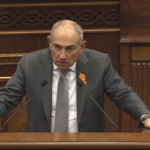
Nikol Pashinyan questioned the mother who lost three fingers defending her children from an Azerbaijani soldier: “It’s a normal criminal situation, they should have waited for the police to arrive.”
Diario Armenia / 19 hours ago
Former German intelligence chief August Hanning was arrested for alleged links to Azerbaijani intelligence.
Diario Armenia / Oct 6
Related coverage
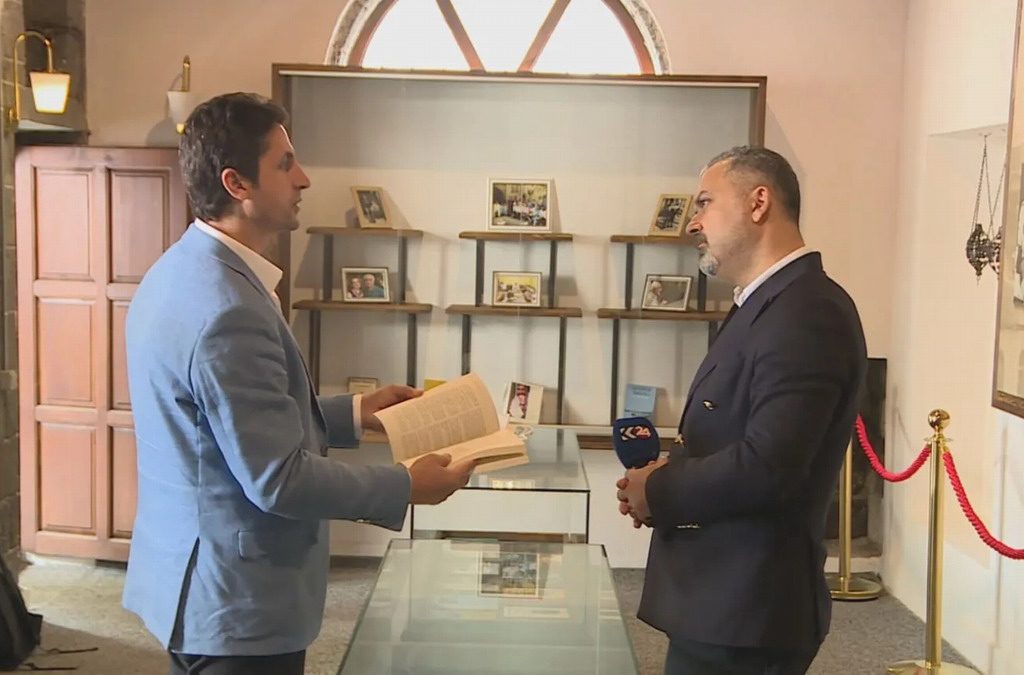
A work from 1866 written in Kurdish by the Armenian priest Mıgırdıç Dikranyan has been discovered in Istanbul.
Soy Armenio / 1 hour ago
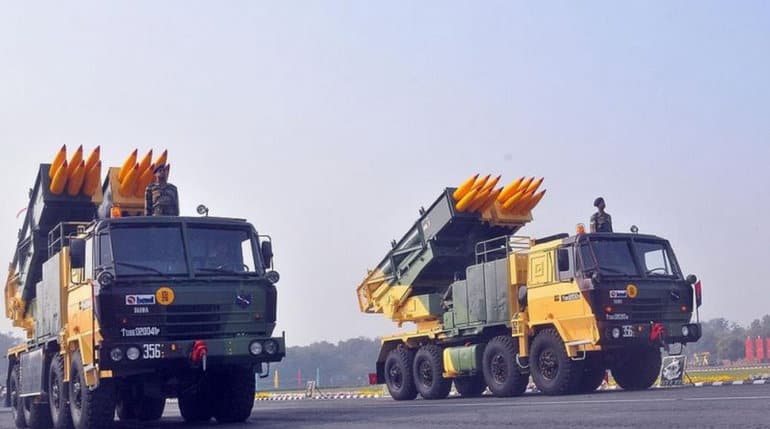
Armenia and India are negotiating the local production of Pinaka Mk-II missiles in Yerevan.
Soy Armenio / 2 hours ago
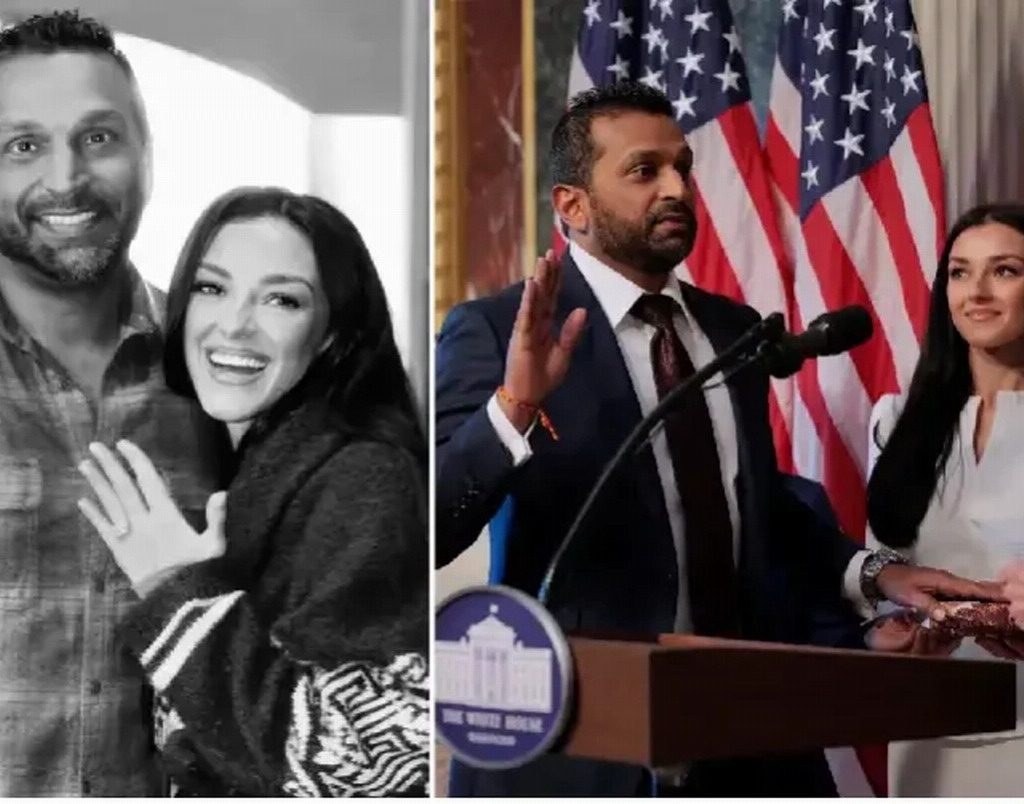
FBI Director Kash Patel gets engaged to singer Alexis Wilkins, who is of Armenian descent.
Soy Armenio / 3 hours ago

40 years of Antranik: a Scout Festival that brought us together as a family
Nor Sevan / 23 hours ago