Showing in English.
3 full-article translations/day — headlines & summaries always free. Create free account for 25/day
The Diocese of the Armenian Church in Uruguay rejected the intervention of Nikol Pashinyan's government in the Armenian Apostolic Church and supported Karekin II.
La Diócesis de la Iglesia Armenia en Uruguay rechazó la intervención del gobierno de Nikol Pashinyan en la Iglesia Apostólica Armenia y respaldó a Karekin II
The Armenian Church Diocese in Uruguay, headed by Archbishop Hakob Kelendjian along with the Central Administrative Council, expressed its “firm rejection” of the government's intervention on October 4 in Montevideo. [...]
La Diócesis de la Iglesia Armenia en Uruguay, encabezada por el arzobispo Hakob Kelendjian junto con el Consejo Central Administrativo, expresó el 4 de octubre en Montevideo su “firme rechazo” a la intervención del gobierno [...]
Read more >>
Leer más >>
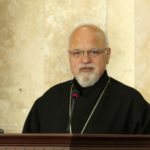
The Diocese of the Armenian Church in Uruguay, headed by Archbishop Hakob Kelendjian along with the Central Administrative Council, expressed its “firm rejection” on October 4 in Montevideo of the intervention of Prime Minister Nikol Pashinyan’s government in the internal affairs of the Armenian Apostolic Church. They also expressed their support for Karekin II, Catholicos of All Armenians, and the Holy See of Echmiadzin, in the face of the roadmap promoted by the Armenian authorities regarding the Church and its leadership.
La Diócesis de la Iglesia Armenia en Uruguay, encabezada por el arzobispo Hakob Kelendjian junto con el Consejo Central Administrativo, expresó el 4 de octubre en Montevideo su “firme rechazo” a la intervención del gobierno del primer ministro Nikol Pashinyan en los asuntos internos de la Iglesia Apostólica Armenia y manifestó su respaldo al Catholicos de Todos los Armenios Karekin II y a la Santa Sede de Echmiadzín, ante la hoja de ruta impulsada por las autoridades armenias respecto de la Iglesia y su conducción.
“The Diocese of the Armenian Church in Uruguay expresses its deep concern regarding the recent events in the Republic of Armenia and, particularly, regarding the roadmap proposed by the government headed by Prime Minister Nikol Pashinyan, concerning the Armenian Apostolic Church and its leadership,” the statement said.
“La Diócesis de la Iglesia Armenia en el Uruguay expresa su profunda preocupación ante los recientes acontecimientos en la República de Armenia y, particularmente, ante la hoja de ruta planteada por el Gobierno encabezado por el Primer Ministro Nikol Pashinyan, respecto de la Iglesia Apostólica Armenia y su conducción”, señaló el comunicado.
The Diocese rejected any intervention by political authorities in the internal organization of the Church and defended its institutional autonomy.
La Diócesis rechazó cualquier intervención de las autoridades políticas en la organización interna de la Iglesia y defendió su autonomía institucional.
“Our Diocese expresses its firm rejection of any form of intervention or interference by political power in the internal affairs, organization, and authorities of the Armenian Apostolic Church, a millennia-old institution that has accompanied the Armenian people through the most significant and difficult moments of their history,” the statement read.
“Nuestra Diócesis manifiesta su firme rechazo a toda forma de intervención o injerencia del poder político en los asuntos internos, la organización y las autoridades de la Iglesia Apostólica Armenia, institución milenaria que ha acompañado al pueblo armenio a lo largo de los momentos más trascendentes y difíciles de su historia”, expresó.
The statement defined the Armenian Apostolic Church as “one of the fundamental pillars of our national, spiritual, and cultural identity” and maintained that its autonomy, traditions, and institutional mechanisms must be respected.
El comunicado definió a la Iglesia Apostólica Armenia como “uno de los pilares fundamentales de nuestra identidad nacional, espiritual y cultural” y sostuvo que deben respetarse su autonomía, sus tradiciones y sus mecanismos institucionales.
“Its autonomy, traditions, and institutional mechanisms must be respected, clearly preserving the independence that must exist between state institutions and ecclesiastical authorities,” it affirmed.
“Su autonomía, sus tradiciones y sus mecanismos institucionales deben ser respetados, preservando claramente la independencia que debe existir entre las instituciones del Estado y las autoridades eclesiásticas”, afirmó.
In this context, the Diocese expressed “its full support and solidarity with His Holiness Karekin II, Supreme Patriarch and Catholicos of All Armenians, and with the Holy See of Echmiadzin.”
En ese contexto, la Diócesis expresó “su pleno respaldo y solidaridad con Su Santidad Karekin II, Patriarca Supremo y Catholicós de Todos los Armenios, y con la Santa Sede de Echmiadzín”.
It also called for the differences between the Armenian government and the Church to be addressed through institutional mechanisms.
También reclamó que las diferencias entre el gobierno armenio y la Iglesia se canalicen mediante mecanismos institucionales.
“Any differences that may exist between the authorities of the Republic of Armenia and the Church must always find paths to dialogue, institutional respect, and harmony, avoiding actions that could deepen divisions within our people or affect the independence of an institution that spiritually belongs to all Armenians,” he stated.
“Las diferencias que puedan existir entre las autoridades de la República de Armenia y la Iglesia deben encontrar siempre caminos de diálogo, respeto institucional y concordia, evitando acciones que puedan profundizar divisiones dentro de nuestro pueblo o afectar la independencia de una institución que pertenece espiritualmente a todos los armenios”, señaló.
The Diocese reaffirmed from Uruguay its commitment to “the unity of the Armenian Apostolic Church, the defense of its autonomy, and respect for its legitimately constituted authorities.”
La Diócesis reafirmó desde Uruguay su compromiso con “la unidad de la Iglesia Apostólica Armenia, la defensa de su autonomía y el respeto de sus autoridades legítimamente constituidas”.
“We call for responsibility, prudence, and unity, convinced that Armenia and its people need strong, independent institutions today, capable of working above and beyond circumstantial political differences,” concluded Archbishop Hakob Kelendjian and the Central Administrative Council of the Diocese of the Armenian Church in Uruguay.
“Hacemos un llamado a la responsabilidad, a la prudencia y a la unidad, convencidos de que Armenia y su pueblo necesitan hoy instituciones fuertes, independientes y capaces de trabajar por encima de diferencias políticas circunstanciales”, concluyeron el arzobispo Hakob Kelendjian y el Consejo Central Administrativo de la Diócesis de la Iglesia Armenia en Uruguay.
Comments
No comments yet — be the first to comment.
More from Diario Armenia
Iran again warns Yerevan about third-country interference
Diario Armenia / 4 hours ago
The incident in Shaki raises security concerns.
Diario Armenia / 5 hours ago
"Flag" Leader: Win or lose in time
Diario Armenia / 5 hours ago
The FRA commemorated the 24 volunteers who died defending Varnkatagh during the 2020 Artsakh war.
Diario Armenia / 8 hours ago
Related coverage


"Pan-Turkism" is advancing in Armenia
Nor Sevan / 12 hours ago


Primate Bishop Dr. Aren Shaheenian met with members of the Board of Directors of the Armenian Cultural Union
Nor Sevan / Oct 5
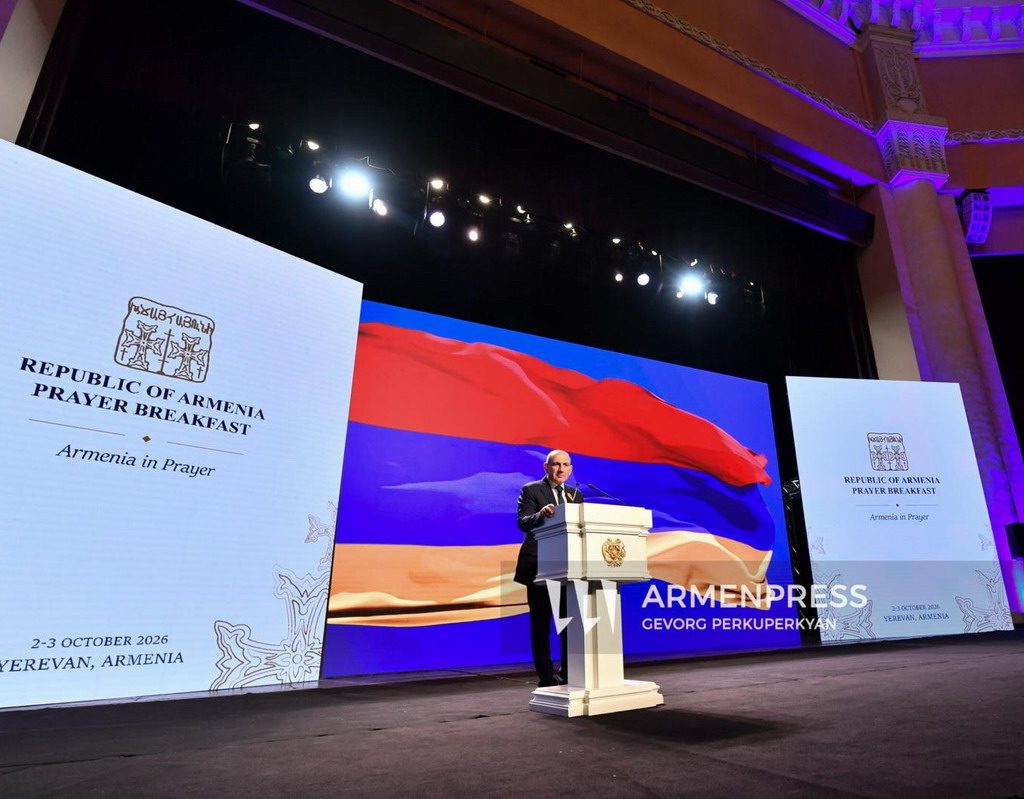
Prayer Breakfast 2026: Nikol Pashinyan affirms that present-day Armenia is the expression of the country's Christian essence
Soy Armenio / Oct 3
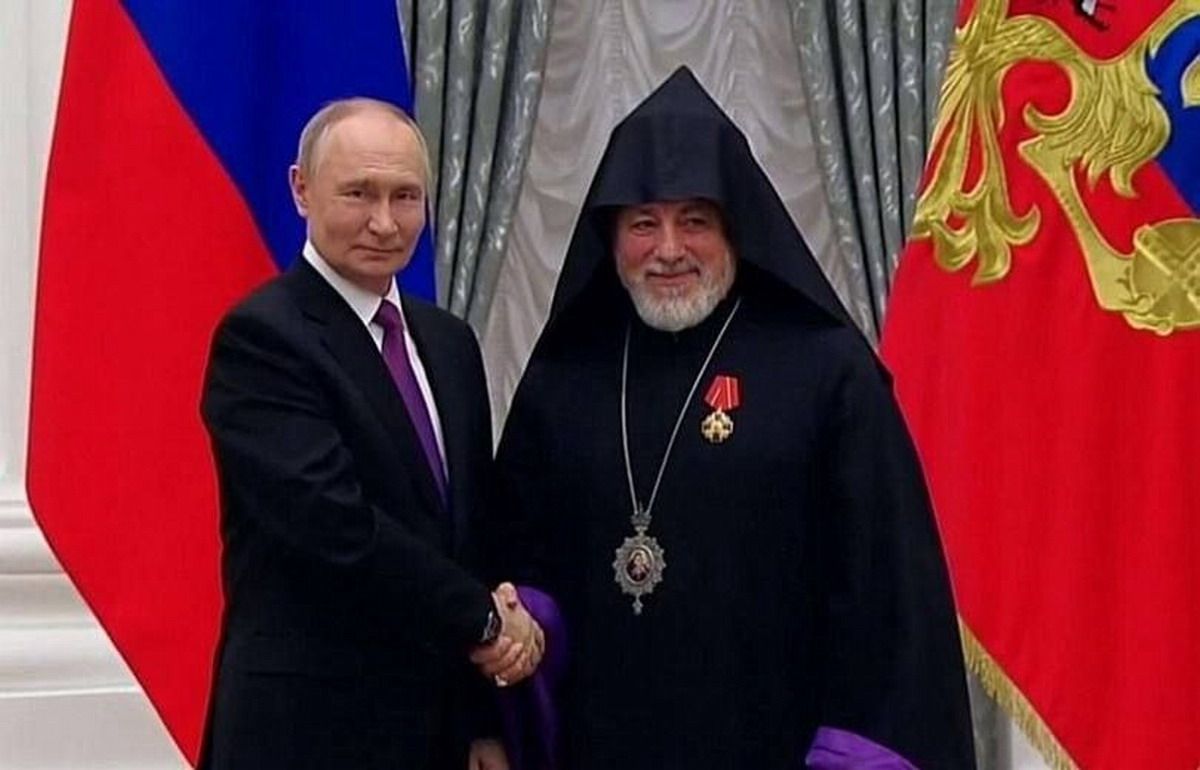
Nikol Pashinyan says Armenian Apostolic Church is "captured" and demands legislative reforms to remove Karekin II
Soy Armenio / Oct 1