GeorgiaGerman political foundations close Tbilisi offices after grant applications rejectedby Lana Kokaia (Updated: 5 days ago )• 5 min readShare▲KAS and FNF. Photo via social media.Two German political foundations have closed their offices in Georgia after their applications to continue funding projects under the country’s new Law on Grants were rejected. The closures come amidst a broader tightening of restrictions on foreign funding in Georgia. The Konrad-Adenauer-Stiftung (KAS) and the Friedrich-Naumann-Stiftung für die Freiheit (FNF) both said they could no longer continue their work under the conditions set by the Georgian government. The two foundations closed their Tbilisi offices on 30 September. KAS described the closure as involuntary, while FNF called the decision unavoidable. Both organisations’ applications to continue financing projects and working with local partners were rejected on 28 July. KAS attributed the closure to the political and legal framework created by the Georgian government, arguing that it had become impossible for the foundation to carry out its core work in the country. The foundation said the Georgian government administration had rejected its applications under the new Law on Grants. Efforts by the German government to find a way for KAS to continue working in Georgia had also failed. KAS added that approval of its projects appeared possible only if they no longer reflected the foundation’s political character and mission. ‘A mere presence in Georgia without the possibility of fulfilling our actual mission is not a viable alternative’, the foundation wrote. In turn, the FNF said Georgian authorities had required it to bring each part of its programmes into line with the priorities of the Georgian government and obtain approval for individual activities. The foundation argued that these conditions left it without the independence it needed to carry out its work. ‘We therefore see no possibilities for work that corresponds to our values and principles’, FNF stated. The foundation also stated that many of its partners had faced increasing personal risks in recent years because of their work for a democratic and liberal political system. ‘We therefore view Georgia’s political development with great concern’, FNF wrote. Germany’s newly appointed Ambassador to Georgia, Barbara Voss, made the remarks on Friday during a Day of German Unity event in Tbilisi, where she spoke about the closure of German political foundations and the broader state of German–Georgian relations.‘All four of our political foundations, which have supported Georgia and its people for decades on its path to European integration, were forced to temporarily suspend their work due to a decision by the Georgian government […] These developments also strain Georgia–EU relations’, Voss said.She added that preserving German–Georgian relations would be among her priorities during her tenure.‘In the coming years, I will personally dedicate my efforts as ambassador to preserving as much as possible of what has been built […] between Georgia and Germany’, she said.Voss also pointed to the situation facing Georgia’s universities, highlighting one institution, Ilia State University, which she described as having become ‘Georgia’s internationally most renowned university’ over the past 20 years.She said the university, which had received ‘immense financial resources, particularly from Germany’, and cooperated closely with Germany on research, was now facing ‘a threat to its very existence’.Voss added that she would raise the issue in her dialogue with the Georgian government. Parliament Speaker Shalva Papuashvili rejected the foundations’ characterisation of the restrictions, highlighting that the Konrad-Adenauer-Stiftung is a political organisation affiliated with Germany’s Christian Democratic Union (CDU). ‘The Christian Democratic Union is a member of the EPP and therefore a partner party of the United National Movement’, Papuashvili told journalists. EPP is a political party in the European Parliament that encompasses centre-right and Christian democratic parties across multiple countries. Georgia’s UNM is also an EPP member party. While affiliated with the CDU, the foundation is legally independent. Papuashvili said the Georgian government had offered the foundation the option of carrying out academic, educational, or other activities instead of projects of a political nature, but claimed that its interest was specifically in political activities. He argued that foreign organisations and donors operating in Georgia should coordinate their activities with the Georgian government. Papuashvili claimed that public trust in foreign funding had declined after such funding was used to support a radical political agenda. KAS has worked in Georgia since 2003, focusing on democracy, the rule of law, parliamentary development, European integration, interfaith dialogue, and German–Georgian relations. It has also supported young Georgians through programmes and scholarships and worked with political, academic, and civil society partners. The foundation’s work was funded by Germany’s Federal Ministry for Economic Cooperation and Development (BMZ), the Federal Foreign Office, and the EU. In turn, FNF has been present in Georgia since 2002. It worked with partner organisations and liberal figures on promoting a free society, Georgia’s European future, and dialogue between societies. Sascha Tamm, Head of Regions at the Friedrich Naumann Foundation told OC Media that after more than two decades of work in Georgia closing the foundation was not easy. Tamm explained that the foundation had applied under the new Law on Grants despite what it described as increasing restrictions on its work. ‘Like the other German foundations, we had to explain how each individual project, event and publication contributed to the priorities of the Georgian government’, Tamm wrote. He noted that the authorities rejected the application on every individual point after delays, claiming they did so without providing substantive explanations. FNF’s Executive Board subsequently decided to discontinue its work on the ground in Georgia, according to Tamm. He claimed that the Georgian government was seeking to restrict independent debate and views that differed from its own. ‘We are not prepared to submit to the Georgian government’s efforts to control and constrain us through any potential new application process’, Tamm said, arguing that open public debate was central to a free society. Both foundations said they would remain connected to their Georgian partners, with KAS noting it would stay registered as a legal entity in Georgia, which it said would allow it to return if political conditions change. The restrictions on foreign-funded organisations have steadily tightened in Georgia in recent years. In 2024, the government passed a ‘foreign agents’ law, requiring civil society and media organisations receiving at least 20% of their income from abroad to register as organisations ‘carrying out the interests of a foreign power’. In March 2025, the government introduced further restrictions on foreign grants, requiring organisations to obtain government approval before receiving funding from abroad. The government has defended the restrictions as necessary to prevent what it calls foreign interference in Georgia’s political affairs. Critics, including civil society organisations, have argued that the measures give the government broad powers to restrict independent organisations’ access to international funding. Lana Kokaia joined OC Media as a Georgia staff writer in August 2026. She has been a journalist since 2015.
Already in English.
5 full-article translations/day — headlines & summaries always free. Create free account for 25/day
German political foundations close Tbilisi offices after grant applications rejected
Both organisations’ applications to continue financing projects and working with local partners were rejected on 28 July 2026.

Comments
No comments yet — be the first to comment.
More from OC Media
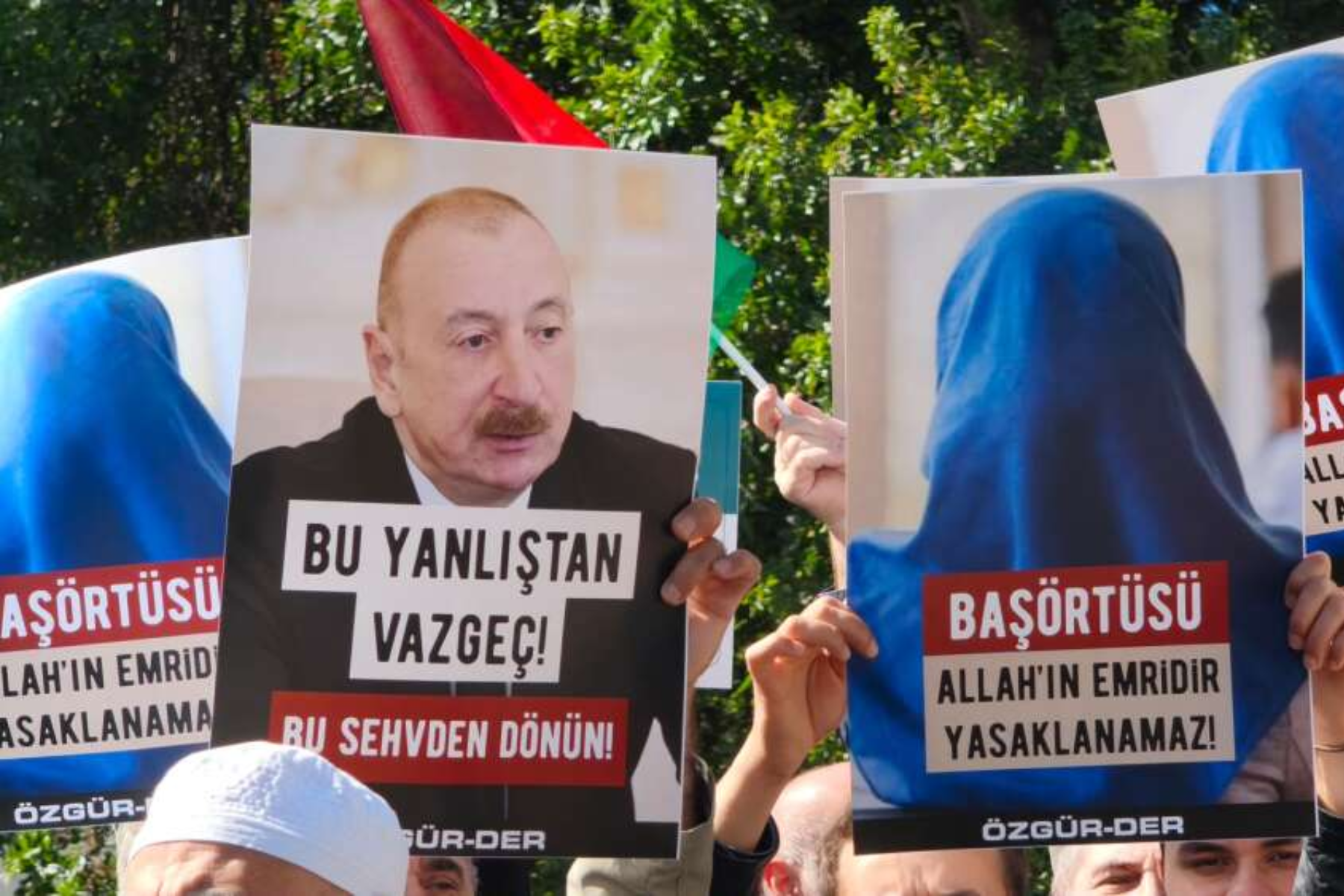
Explainer | What’s behind the Turkey–Azerbaijan spat?
OC Media / 10 hours ago

Azerbaijan proposes paying corruption whistleblowers 5% of assets recovered
OC Media / 11 hours ago

Study finds long-term health consequences among protesters exposed to chemical irritants in Georgia
OC Media / 12 hours ago
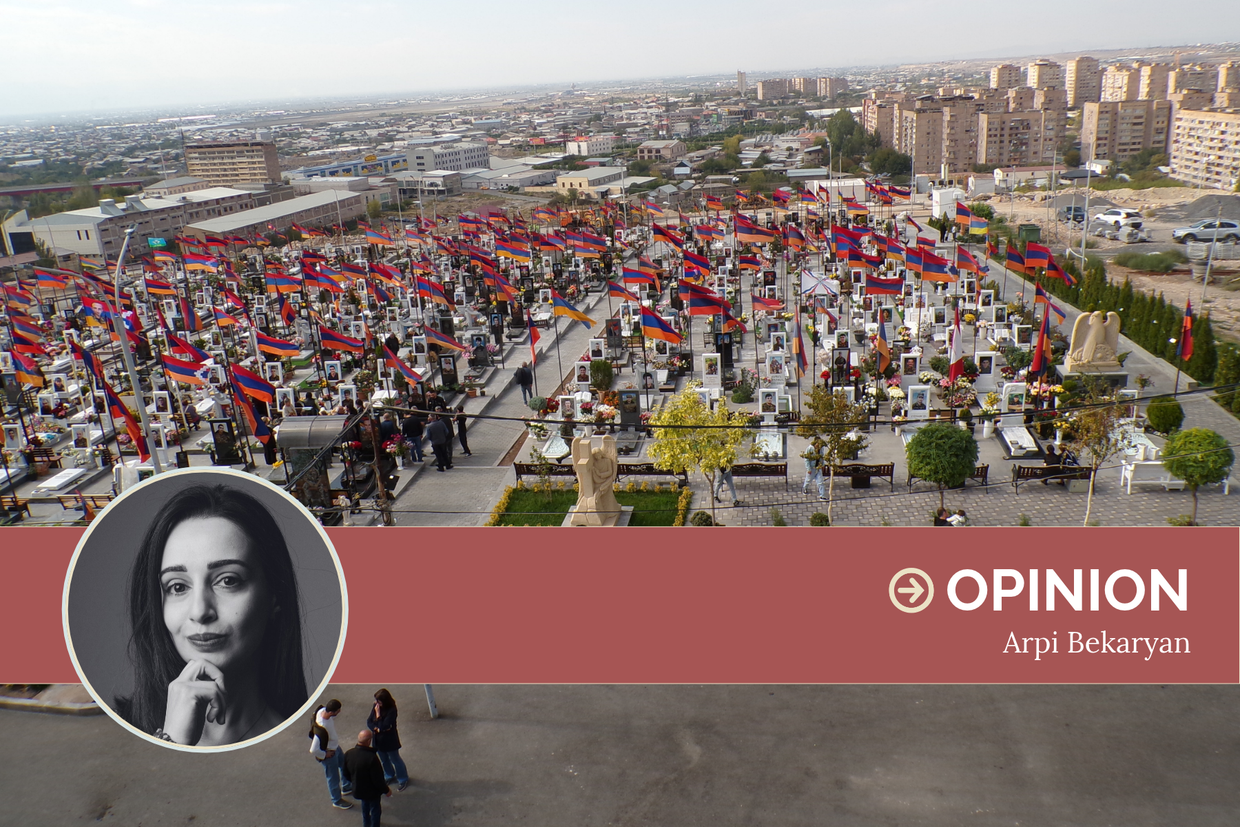
Opinion | When remembering becomes politically inconvenient
OC Media / 12 hours ago
Related coverage
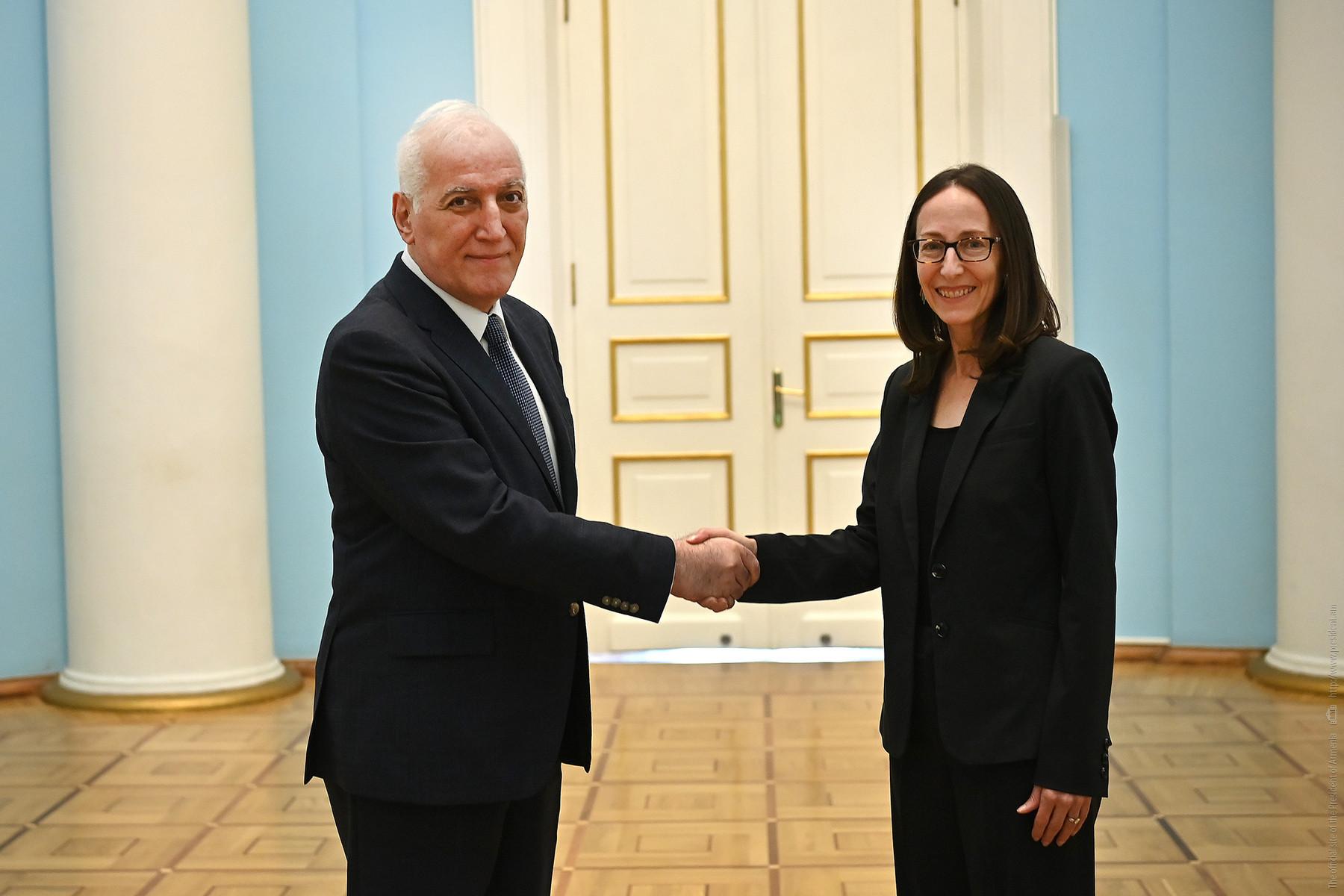
Նախագահ Վահագն Խաչատուրյանին իր հավատարմագրերն է հանձնել Հայաստանում Կանադայի նորանշանակ դեսպանը
Hetq / 5 hours ago
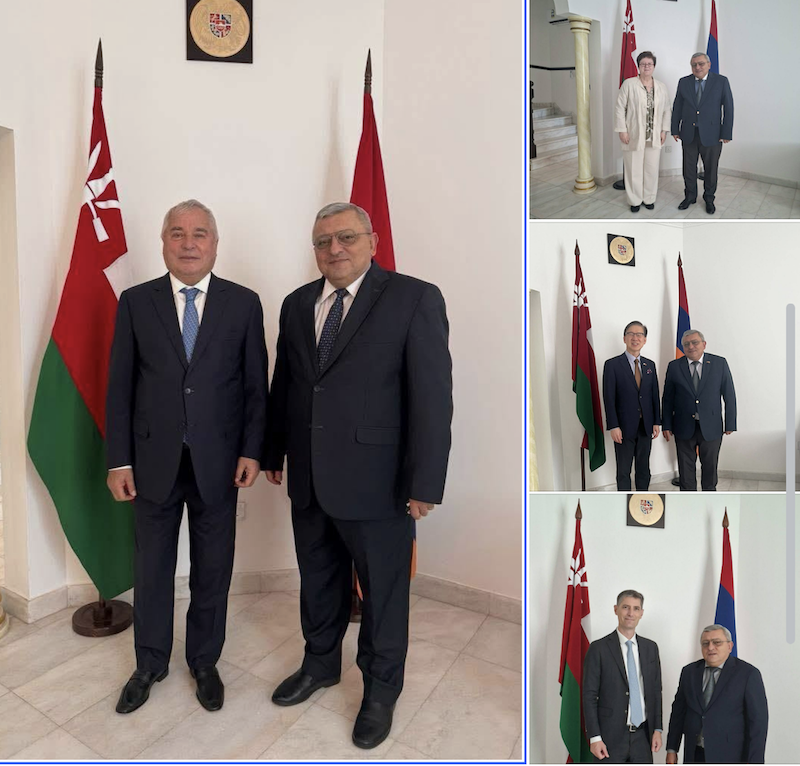
Դեսպան Հրաչյա Փոլադյանը հյուրընկալել է Օմանի Սուլթանությունում մի շարք երկրների նորանշանակ դեսպաններին
Aravot / 5 hours ago
Իրանի դեսպանը բարձր է գնահատել բեռնափոխադրումների դյուրացման հայկական կողմի ջանքերը
A1plus / 6 hours ago
Կանադայի նորանշանակ դեսպանը հավատարմագրերն է հանձնել Վահագն Խաչատուրյանին
ArmLur / Zhoghovurd / 6 hours ago