Translate this article

Showing in English.

5 full-article translations/day — headlines & summaries always free. Create free account for 25/day

Diario Armenia Argentina· Sep 25
Artsakh & Karabakh

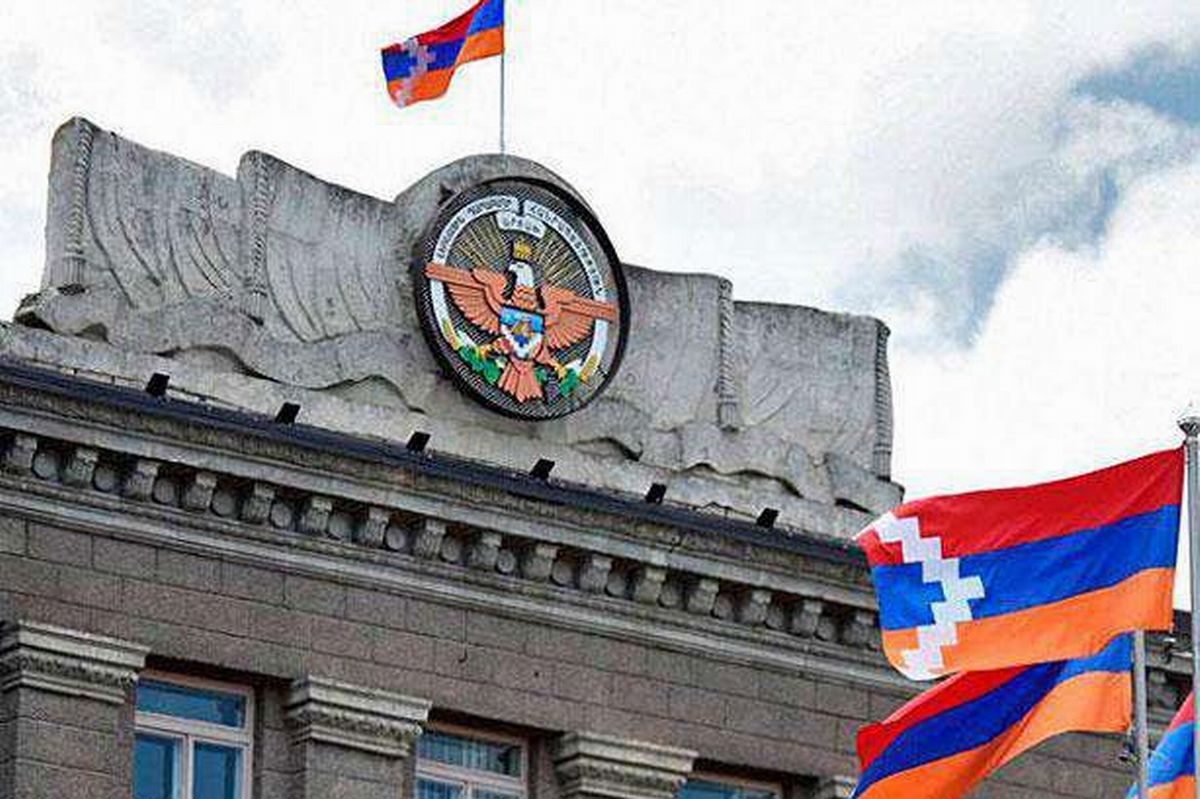
The Armenian Revolutionary Front (ARF) brought together representatives of the Armenian Cause from more than 20 countries in Armenia and placed Artsakh among its top priorities.

La FRA reunió en Armenia a representantes de Causa Armenia de más de 20 países y puso a Artsaj entre sus principales prioridades

The Armenian Revolutionary Federation (ARF - Tashnagtsutiun) inaugurated the Pan-Armenian Conference of Committees and Offices for the Armenian Cause on September 25 in Yerevan. The conference, which will run until September 28, includes representatives from various countries. [...]

La Federación Revolucionaria Armenia (FRA - Tashnagtsutiún) inauguró el 25 de septiembre en Ereván la Conferencia Panarmenia de los Comités y Oficinas de Causa Armenia, que se extenderá hasta el 28 de septiembre con representantes [...]

Read more >>

Leer más >>

The Armenian Revolutionary Front (ARF) brought together representatives of the Armenian Cause from more than 20 countries in Armenia and placed Artsakh among its top priorities.

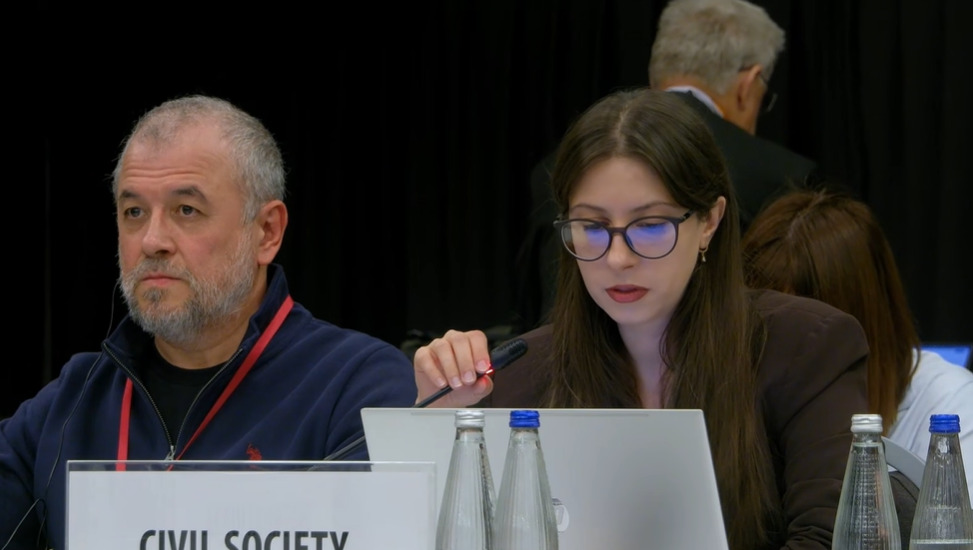
The Armenian Revolutionary Federation (ARF - Tashnagtsutiun) inaugurated the Pan-Armenian Conference of Committees and Offices of the Armenian Cause on September 25 in Yerevan. The conference, which will run until September 28, brings together representatives from approximately 20 countries to coordinate the next steps of its international network in addressing the foreign policy challenges facing Armenia and the Armenian people. Key priorities include the right of return for Armenians displaced from the Republic of Artsakh (Nagorno-Karabakh), the release of prisoners detained in Azerbaijan, and the preservation of cultural heritage. Participants in the meeting included Mario Nalpatian, member of the Armenian National Council of the World and Vice-President of the Socialist International; Aram Mouratian, Director of the Armenian National Council of South America; and Anaclara Davidian, member of the Armenian Cause Council of Uruguay.

La Federación Revolucionaria Armenia (FRA - Tashnagtsutiún) inauguró el 25 de septiembre en Ereván la Conferencia Panarmenia de los Comités y Oficinas de Causa Armenia, que se extenderá hasta el 28 de septiembre con representantes de alrededor de 20 países para coordinar las próximas acciones de su red internacional frente a los desafíos de política exterior de Armenia y del pueblo armenio, con el derecho al retorno de los armenios desplazados de la República de Artsaj (Nagorno Karabaj), la liberación de los prisioneros detenidos en Azerbaiyán y la preservación del patrimonio cultural entre sus principales prioridades. Del encuentro participaron Mario Nalpatian, miembro del Consejo Nacional Armenio Mundial y vicepresidente de la Internacional Socialista, Aram Mouratian, director del Consejo Nacional Armenio de Sudamérica, y Anaclara Davidian, integrante del Consejo Causa Armenia del Uruguay.

The meeting was convened by the Bureau of the Armenian Revolutionary Federation (ARF) and brings together representatives from the committees and offices of the Armenian Cause, also known as Hai Tad, along with leaders from various bodies within the organization.

El encuentro fue convocado por el Buró de la FRA y reúne a representantes de los comités y oficinas de la Causa Armenia, también conocidos como Hai Tad, junto con dirigentes de distintos órganos de la organización.

According to the announcement, the objective is “to evaluate the preliminary work of the structures, discuss and coordinate the main lines of action for upcoming initiatives, as well as conduct certain tactical analyses.” The agenda focuses on “the main foreign policy challenges facing the Republic of Armenia and the Armenian people in general” and on utilizing the Armenian Cause's international network to address them.

Según la convocatoria, el objetivo es “evaluar el trabajo preliminar de las estructuras, debatir y coordinar las principales líneas de actuación de las próximas acciones, así como realizar ciertos análisis tácticos”. La agenda está centrada en “los principales retos de política exterior a los que se enfrentan la República de Armenia y el pueblo armenio en general” y en la utilización de la red internacional de Causa Armenia para abordarlos.

Before the official opening, representatives from the Armenian Cause's international offices held a press conference in which they addressed the situation in Artsakh, the Armenians detained in Azerbaijan, relations between Armenia and the diaspora, and the tensions between the government of Nikol Pashinyan and the Armenian Apostolic Church.

Antes de la apertura oficial, representantes de las oficinas internacionales de Causa Armenia brindaron una conferencia de prensa en la que se refirieron a Artsaj, los armenios detenidos en Azerbaiyán, las relaciones entre Armenia y la diáspora y las tensiones entre el gobierno de Nikol Pashinyan y la Iglesia Apostólica Armenia.

Elizabeth Chuljian, spokesperson for the Armenian National Committee of America (ANCA), maintained that any agreement between Armenia and Azerbaijan must address the rights of the displaced Armenian population of Artsakh.

Elizabeth Chuljian, portavoz del Consejo Nacional Armenio de Estados Unidos (Armenian National Committee of America - ANCA), sostuvo que cualquier acuerdo entre Armenia y Azerbaiyán debe contemplar los derechos de la población armenia desplazada de Artsaj.

“Our message is clear: if we want peace in the South Caucasus, that peace must be based on justice. And justice demands the immediate release of Armenian hostages, so that the Armenians of Artsakh, victims of the genocide, can safely return to their lands. This also means that the Azerbaijani troops still on Armenian territory must be expelled immediately. If this does not happen, we cannot envision lasting peace in this region,” she stated.

“Nuestro mensaje es claro: si queremos que haya paz en el Cáucaso Meridional, esa paz debe basarse en la justicia. Y la justicia exige la liberación inmediata de los rehenes armenios, para que los armenios de Artsaj, víctimas del genocidio, puedan regresar a salvo a sus tierras. Esto también significa que las tropas azerbaiyanas que aún permanecen en territorio armenio deben ser expulsadas de inmediato. Si esto no sucede, no podremos vislumbrar una paz duradera en esta región”, afirmó.

Chuljian also addressed the role that, according to the organization, the international network should play in relation to the foreign policy of the current Armenian government.

Chuljian también se refirió al papel que, según la organización, deberá asumir la red internacional ante la política exterior del actual gobierno armenio.

“If for the past 135 years the Armenian National Councils have continuously served as the second army of the Armenian nation, now, in effect, they will be forced to become the Ministry of Foreign Affairs of the Armenian people,” he declared. “When these issues are not on Armenia’s official foreign policy agenda, the Armenian National Council, with its global network, is now becoming the Ministry of Foreign Affairs of the Armenian people.”

“Si durante los últimos 135 años los Consejos Nacionales Armenios han sido continuamente el segundo ejército de la nación armenia, ahora, en realidad, se verán obligados a ser el Ministerio de Asuntos Exteriores del pueblo armenio”, declaró. “Cuando estos temas no figuran en la agenda oficial de política exterior de Armenia, el Consejo Nacional Armenio, con su red global, se convierte hoy en el Ministerio de Asuntos Exteriores del pueblo armenio”.

Hagop Der Khatchadourian, Chairman of the Armenian Cause Central Council of the ARF, noted that the organization’s work over the past two years has included opposing demands made by Turkey and Azerbaijan, including those related to amending the Armenian Constitution and the narrative of so-called “Western Azerbaijan.”

Hagop Der Khatchadourian, presidente del Consejo Central de Causa Armenia de la FRA, señaló que el trabajo de la organización durante los últimos dos años incluyó la oposición a las demandas formuladas por Turquía y Azerbaiyán, entre ellas las relacionadas con una modificación de la Constitución armenia y la narrativa del denominado “Azerbaiyán Occidental”.

“Also on the agenda is the issue we have raised: that a genocide was orchestrated in Artsakh, a policy of ethnic cleansing was implemented, and Azerbaijan committed war crimes. This issue is a core part of our work,” he stated.

“También está en la agenda la cuestión que hemos planteado: que se organizó un genocidio en Artsaj, se implementó una política de limpieza étnica y Azerbaiyán cometió crímenes de guerra. Este tema forma parte de nuestro trabajo principal”, afirmó.

Der Khatchadourian listed three issues related to Artsakh that the organization will keep on its agenda. “The first point is the right of return, which is not a utopia. There are internationally recognized rights that guarantee the return of persecuted peoples and victims of ethnic cleansing. It is logical that no one can exercise this right if there are no international guarantees that ensure their safety,” he stated.

Der Khatchadourian enumeró tres cuestiones vinculadas con Artsaj que la organización mantendrá en su agenda. “El primer punto es el derecho al retorno, que no es una utopía. Existen derechos reconocidos internacionalmente que garantizan el retorno de los pueblos perseguidos y víctimas de limpieza étnica. Es lógico que nadie pueda ejercer este derecho si no existen garantías internacionales que aseguren la seguridad”, expresó.

“The second point is the protection of cultural heritage,” he continued, mentioning Azerbaijan’s actions against Armenian Christian heritage. The leader also identified the defense of the collective rights of the displaced population of Artsakh as a third key issue.

“El segundo punto es la protección del patrimonio cultural”, continuó, y mencionó las acciones de Azerbaiyán sobre el patrimonio cristiano armenio. El dirigente también señaló como tercer eje la defensa de los derechos colectivos de la población desplazada de Artsaj.

During the official opening, Armen Rustamyan, representative of the ARF Office, maintained that the wars instigated by Azerbaijan have altered the landscape in which Armenian Cause organizations operate.

Durante la apertura oficial, Armen Rustamyan, representante de la Oficina de la FRA, sostuvo que las guerras impulsadas por Azerbaiyán modificaron el escenario en el que actúan las organizaciones de Causa Armenia.

“As a consequence of the recent military actions undertaken by Azerbaijan against Armenia and Artsakh, the political and military balance in the South Caucasus has changed significantly,” he stated.

“Como consecuencia de las recientes acciones militares emprendidas por Azerbaiyán contra Armenia y Artsaj, el equilibrio político-militar en el Cáucaso Meridional ha cambiado significativamente”, afirmó.

Rustamyan maintained that current priorities must be “preserving Armenian identity, Armenia’s statehood and sovereignty, defending the inalienable rights of the Armenian people and their generations, and preventing the Turkification of Armenia.” He defined the latter as a situation of political, economic, and security dependence on Turkey and Azerbaijan.

Rustamyan sostuvo que las prioridades actuales deben ser “preservar la identidad armenia, la condición de Estado y la soberanía de Armenia, defender los derechos inalienables del pueblo armenio y de sus generaciones, y evitar la turquización de Armenia”. Definió esta última expresión como una situación de dependencia política, económica y de seguridad respecto de Turquía y Azerbaiyán.

The leader also questioned the policies of the Pashinyan government and asserted that the differences between the ARF and the Armenian authorities are primarily “ideological and based on values.”

El dirigente también cuestionó la política del gobierno de Pashinyan y afirmó que las diferencias entre la FRA y las autoridades armenias son principalmente “ideológicas y de valores”.

Ishkhan Saghatelyan, representative of the Supreme Body of the Armenian ARF, rejected the accusations against the activities of the Armenian Cause offices and defended their international actions. “The activities of the Armenian Cause and the interests of the Republic of Armenia simply cannot be contradictory; the Armenian Cause fights for the interests of Armenia and the Armenian people,” he asserted.

Ishkhan Saghatelyan, representante del Órgano Supremo de la FRA Armenia, rechazó por su parte las acusaciones contra las actividades de las oficinas de la Causa Armenia y defendió su actuación internacional. “Las actividades de Causa Armenia y los intereses de la República de Armenia simplemente no pueden contradecirse; la Causa Armenia lucha por los intereses de Armenia y del pueblo armenio”, sostuvo.

“The Armenian Cause does not obstruct peace. The Armenian Cause obstructs the humiliating conditions imposed by the enemy. No one yearns for true peace more than the Armenian people, but a begged-for peace brings with it new wars and new losses,” he added.

“La Causa Armenia no obstaculiza la paz. La Causa Armenia obstaculiza las humillantes condiciones impuestas por el enemigo. Nadie anhela la paz verdadera más que el pueblo armenio, pero una paz mendigada trae consigo nuevas guerras y nuevas pérdidas”, agregó.

Saghatelyan highlighted Hai Tad’s international structure and specifically mentioned its activities “from Washington to Paris, from Brussels to Buenos Aires and Beirut.” He also defined one of its main international objectives as defending “the right of return of the Armenians of Artsakh displaced by force” and preventing “the international community from closing the book on the just cause of the Armenian people.”

Saghatelyan destacó la estructura internacional de Hai Tad y mencionó expresamente su actividad “desde Washington hasta París, desde Bruselas hasta Buenos Aires y Beirut”. También definió como uno de sus principales objetivos internacionales la defensa “del derecho al retorno de los armenios de Artsaj desplazados por la fuerza” y evitar que “la comunidad internacional cierre la página de la justa causa del pueblo armenio”.

The leader posed three questions that will be discussed during the conference: how to respond to the new demands of Baku and Ankara; what international legal and political mechanisms to use to defend collective rights and secure the return of Armenian prisoners; and how to strengthen the structures of the Diaspora.

El dirigente planteó tres preguntas que serán discutidas durante la conferencia: cómo responder a las nuevas exigencias de Bakú y Ankara; qué mecanismos jurídicos y políticos internacionales utilizar para defender los derechos colectivos y conseguir el regreso de los prisioneros armenios; y cómo fortalecer las estructuras de la Diáspora.

Der Khatchadourian ultimately defined four major areas of work for the international network: Armenia and Artsakh; international recognition of the Armenian Genocide and reparations for its consequences; the defense of the rights of Armenian communities outside Armenia; and greater political participation of the Diaspora and its youth.

Der Khatchadourian definió finalmente cuatro grandes áreas de trabajo de la red internacional: Armenia y Artsaj; el reconocimiento internacional del Genocidio Armenio y la reparación de sus consecuencias; la defensa de los derechos de las comunidades armenias fuera de Armenia; y una mayor participación política de la diáspora y de sus jóvenes.

For Artsakh, he listed the objectives as “guaranteeing the right of return for Armenians with international security guarantees, the release of prisoners of war, international recognition of Azerbaijan’s war crimes and the 2023 genocide, the preservation of cultural heritage, and the provision of political and financial assistance.”

Para Artsaj, enumeró como objetivos “garantizar el derecho al retorno de los armenios con garantías de seguridad internacionales, la liberación de los prisioneros de guerra, el reconocimiento internacional de los crímenes de guerra de Azerbaiyán y del genocidio de 2023, la preservación del patrimonio cultural y la prestación de asistencia política y financiera”.

The Pan-Armenian Conference of Committees and Offices of the Armenian Cause will continue in Armenia until September 28, with discussions aimed at establishing priorities and coordinating the actions of the international network for the coming years.

La Conferencia Panarmenia de los Comités y Oficinas de la Causa Armenia continuará en Armenia hasta el 28 de septiembre, con debates destinados a establecer las prioridades y coordinar las acciones de la red internacional para los próximos años.

Comments

Sign in to join the conversation.

No comments yet — be the first to comment.

We use cookies for analytics and advertising, including Google ad partners who may use cookies to serve personalized ads. See our Privacy Policy for details and your choices.