Showing in English.
5 full-article translations/day — headlines & summaries always free. Create free account for 25/day
Türkiye and Azerbaijan: the tensions behind "one nation, two states"
Turquía y Azerbaiyán: las tensiones detrás de "una nación, dos Estados"
For years, Recep Tayyip Erdoğan and Ilham Aliyev defined the relationship between Turkey and Azerbaijan with a formula: "one nation, two states."
Durante años, Recep Tayyip Erdogan e Ilham Aliyev definieron la relación entre Turquía y Azerbaiyán con una fórmula: "una nación, dos Estados".
That alliance was strengthened during the 44-day war of 2020, [...]
Esa alianza se fortaleció durante la guerra de los 44 días de 2020, [...]
Read more >>
Leer más >>
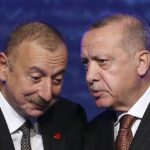
For years, Recep Tayyip Erdoğan and Ilham Aliyev defined the relationship between Turkey and Azerbaijan with the formula: "one nation, two states." This alliance was strengthened during the 44-day war of 2020, when Turkey provided crucial support to Azerbaijan. Aliyev himself acknowledged that he had achieved victory "with the support of sister Turkey."
Durante años, Recep Tayyip Erdogan e Ilham Aliyev definieron la relación entre Turquía y Azerbaiyán con una fórmula: "una nación, dos Estados". Esa alianza se fortaleció durante la guerra de los 44 días de 2020, cuando Turquía brindó un apoyo decisivo a Azerbaiyán. El propio Aliyev reconoció que había conseguido la victoria "con el apoyo de la hermana Turquía".
However, in recent weeks, some differences between the two governments have become apparent, especially due to Aliyev's statements and the reactions they provoked in Turkey.
Sin embargo, en las últimas semanas comenzaron a hacerse visibles algunas diferencias entre ambos gobiernos, especialmente por las declaraciones de Aliyev y las reacciones que provocaron en Turquía.
On October 2, during the congress of the ruling New Azerbaijan Party, Aliyev delivered a particularly harsh speech against those who, he claimed, were trying to interfere in his country's decisions. "Let everyone know their place; let them not interfere in our affairs, let them not poke their noses into our way of life or tell us what to do. Let everyone take care of their own nation and their own state," he warned.
El 2 de octubre, durante el congreso del gobernante Partido Nuevo Azerbaiyán, Aliyev pronunció un discurso particularmente duro contra quienes, según afirmó, intentaban interferir en las decisiones de su país. "Que cada uno conozca su lugar; que no interfieran en nuestros asuntos, que no metan las narices en nuestra forma de vida ni nos digan qué debemos hacer. Que cada uno se ocupe de su propia nación y de su propio Estado", advirtió.
He also maintained that Azerbaijan did not need "help or patronage from anyone" and asserted that all the weaponry acquired by his country had been paid for at international prices, "down to the last bullet." According to Aliyev, Baku had never received discounts and, in some cases, had even had to pay above-market prices.
También sostuvo que Azerbaiyán no necesitaba "ayuda ni patronazgo de nadie" y aseguró que todo el armamento adquirido por su país había sido pagado a precios internacionales, "hasta la última bala". Según Aliyev, Bakú nunca había recibido descuentos y, en algunos casos, incluso había tenido que pagar precios superiores a los del mercado.
The Azerbaijani president did not mention Turkey, but according to officials consulted by Middle East Eye, his words were interpreted in Ankara as a criticism directed at the Turkish government. The reference to weaponry had particular repercussions given Turkey's role during the 2020 war against Artsakh, when it provided political and military support to Azerbaijan.
El presidente azerbaiyano no mencionó a Turquía pero, según funcionarios consultados por Middle East Eye, sus palabras fueron interpretadas en Ankara como una crítica dirigida al gobierno turco. La referencia al armamento tuvo una repercusión particular por el papel que desempeñó Turquía durante la guerra contra Artsaj de 2020, cuando proporcionó respaldo político y militar a Azerbaiyán.
In June 2021, during the signing of the Shushi Declaration, Aliyev had personally thanked Erdoğan and the Turkish people for their support during that war. Now, without denying that support, he chose to emphasize that Azerbaijan had paid for all its weaponry. On that occasion, they recalled words attributed to Mustafa Kemal "Atatürk" at the beginning of the 20th century: "Azerbaijan's joy is our joy, and its pain is also ours."
En junio de 2021, durante la firma de la Declaración de Shushí, Aliyev había agradecido personalmente a Erdogan y al pueblo turco por su apoyo durante aquella guerra. Ahora, sin negar ese respaldo, prefirió destacar que Azerbaiyán había pagado todo su armamento. En aquella oportunidad recordaron palabras atribuidas a Mustafá Kemal "Atatürk" a principios del Siglo XX: "La alegría de Azerbaiyán es nuestra alegría, y su dolor también es el nuestro".
In September, Azerbaijani authorities denounced an alleged smear campaign against the country in media and social networks originating from Turkish territory, although without blaming the Erdoğan government.
En septiembre, autoridades de Azerbaiyán denunciaron una supuesta campaña de desprestigio contra el país en medios y redes sociales desde territorio turco, aunque sin responsabilizar al gobierno de Erdogan.
At the beginning of October, a growing controversy arose over restrictions on wearing the hijab in Azerbaijani schools. Although the regulations approved in September did not expressly prohibit the Islamic veil, images began circulating of teenagers in Sumgait being prevented from entering classes for wearing it.
A comienzos de octubre se agregó una creciente controversia por las restricciones al uso del hiyab en las escuelas azerbaiyanas. Aunque la normativa aprobada en septiembre no prohibía expresamente el velo islámico, comenzaron a circular imágenes de adolescentes de Sumgait a quienes se les impedía ingresar a clases por llevarlo.
The Turkish Islamist organization Özgür-Der held a demonstration outside the Azerbaijani consulate in Istanbul, while some media outlets close to the Erdoğan government compared the restrictions on wearing the Islamic veil to the measures imposed in Turkey during the so-called postmodern coup of 1997.
La organización islamista turca Özgür-Der realizó una manifestación frente al consulado de Azerbaiyán en Estambul, mientras algunos medios próximos al gobierno de Erdogan comparaban las restricciones de usar el velo islámico con las medidas impuestas en Turquía durante el llamado golpe posmoderno de 1997.
Another incident drew criticism from Turkish political circles: during the United Nations General Assembly, the Turkish delegation left the hall along with representatives from numerous other countries when Israeli Prime Minister Benjamin Netanyahu began his speech. The Azerbaijani delegation, however, remained.
Hubo otro episodio que provocó críticas en sectores políticos turcos: durante la Asamblea General de Naciones Unidas, la delegación de Turquía abandonó el recinto junto con representantes de numerosos países cuando el primer ministro israelí Benjamín Netanyahu comenzó su discurso. La delegación de Azerbaiyán, en cambio, permaneció en la sala.
Netanyahu used his speech to directly attack Erdoğan and question, among other things, his stance on the Armenian Genocide. Turkey responded the following day, calling his accusations "unfounded and malicious."
Netanyahu aprovechó su intervención para atacar directamente a Erdogan y cuestionar, entre otras cosas, su posición frente al Genocidio Armenio. Turquía respondió al día siguiente calificando sus acusaciones de "infundadas y maliciosas".
Just a few weeks earlier, Baku had intervened with Israel to defend Turkey's interests. In June, the Israeli government had moved forward with an initiative to recognize the Armenian Genocide, but Azerbaijan lobbied to block its parliamentary debate. Presidential advisor Hikmet Hajiyev later acknowledged this intervention and stated that Turkey's interests constituted a "red line."
Apenas unas semanas antes, Bakú había intervenido ante Israel para defender los intereses de Turquía. En junio, el gobierno israelí había avanzado con una iniciativa de reconocimiento del Genocidio Armenio, pero Azerbaiyán realizó gestiones para frenar su tratamiento parlamentario. El asesor presidencial Hikmet Hajiyev reconoció posteriormente esa intervención y afirmó que los intereses de Turquía constituían una "línea roja".
While the Azerbaijani delegation's presence did not necessarily indicate support for Netanyahu, it clearly marked a clear departure from Turkey's stance toward Israel.
Si bien la permanencia de la delegación azerbaiyana no indicaba necesariamente un respaldo a Netanyahu, es evidente que marcó una diferencia visible con la posición adoptada por Turquía frente a Israel.
Azerbaijan's relationship with Israel has deepened in recent years, both militarily and in the energy sector. In early October, the launch of a rifle production plant was announced, a joint project between the Israeli company ARI Arms and the Azerbaijani state industry, which includes technology transfer and local production. The first rifle manufactured was presented to Aliyev during the ADEX 2026 military exhibition held in Baku.
La relación de Azerbaiyán con Israel se profundizó durante los últimos años, tanto en el terreno militar como en el energético. A comienzos de octubre se conoció la puesta en marcha de una planta de producción de fusiles mediante un proyecto conjunto entre la empresa israelí ARI Arms y la industria estatal azerbaiyana, que contempla transferencia de tecnología y producción local. El primer fusil fabricado fue presentado a Aliyev durante la feria militar ADEX 2026, celebrada en Bakú.
In June 2025, the Azerbaijani state oil company SOCAR acquired a 10% stake in the Tamar gas field, one of Israel's main gas fields, in a deal estimated at $1.25 billion. Azerbaijan, which has supplied oil to the Israeli market for years, also began to participate directly in the exploitation of its gas resources.
En junio de 2025, la petrolera estatal azerbaiyana SOCAR había adquirido el 10% del yacimiento de gas Tamar, uno de los principales de Israel, en una operación estimada en 1.250 millones de dólares. Azerbaiyán, que desde hace años abastece de petróleo al mercado israelí, pasó también a participar directamente en la explotación de sus recursos gasíferos.
While Turkey and Israel, former allies, maintain increasingly opposing positions, especially regarding Gaza and Syria, Baku continues to expand its cooperation with both countries. This situation is beginning to pose difficulties for Azerbaijan, which seeks to preserve its historic alliance with Ankara without jeopardizing a relationship with Israel that it considers highly strategic.
Mientras Turquía e Israel, antiguos aliados, mantienen posiciones cada vez más enfrentadas, especialmente por Gaza y Siria, Bakú sigue ampliando su cooperación con ambos países. Esta situación comienza a plantear dificultades para Azerbaiyán, que procura preservar su alianza histórica con Ankara sin comprometer una relación con Israel que considera muy estratégica.
Turkish support during the 2020 war contributed decisively to Azerbaijan's strengthening. But that victory, followed by the September 2023 offensive that culminated in the ethnic cleansing of the Armenian population of Artsakh, changed Baku's regional position.
El respaldo turco durante la guerra de 2020 contribuyó decisivamente al fortalecimiento de Azerbaiyán. Pero aquella victoria, seguida por la ofensiva de septiembre de 2023 que terminó con la limpieza étnica de la población armenia de Artsaj, cambió la posición regional de Bakú.
With greater military capabilities, energy resources, and its own strategic relationships, Aliyev appears to be seeking a more autonomous position vis-à-vis Turkey, without abandoning the alliance with Erdoğan.
Con mayores capacidades militares, recursos energéticos y relaciones estratégicas propias, Aliyev parece buscar una posición de mayor autonomía frente a Turquía, sin que implique abandonar la alianza con Erdogan.
The policy toward Armenia is a clear example of how Turkey and Azerbaijan act in tandem. For years, Ankara has conditioned the normalization of its relations with Yerevan and the opening of the border on the final signing of the peace agreement between Armenia and Azerbaijan.
La política hacia Armenia es un ejemplo claro de cómo Turquía y Azerbaiyán actúan en tándem. Desde hace años, Ankara condiciona la normalización de sus relaciones con Ereván y la apertura de la frontera a la firma definitiva del acuerdo de paz entre Armenia y Azerbaiyán.
As reported by journalist Ragıp Soylu in Middle East Eye on October 9, Ankara decided not to respond to Aliyev's statements and conveyed to Baku that it did not intend to interfere in its internal affairs. Turkish officials attributed the controversy to a misunderstanding, while the spokesman for the ruling AKP, Ömer Çelik, asserted: "We will not tolerate any attempt to create the impression of a rift between Turkey and Azerbaijan."
Según informó el periodista Ragıp Soylu en Middle East Eye el 9 de octubre, Ankara decidió no responder a las declaraciones de Aliyev y transmitió a Bakú que no pretendía intervenir en sus asuntos internos. Funcionarios turcos atribuyeron la controversia a un malentendido, mientras que el portavoz del oficialista AKP, Ömer Çelik, aseguró: "No toleraremos ningún intento de crear la impresión de una ruptura entre Turquía y Azerbaiyán".
There does not appear to be a crisis that threatens the alliance between the two countries. On September 30, just two days before Aliyev's speech, Turkish and Azerbaijani companies signed military cooperation contracts and agreements worth over $500 million during the ADEX 2026 trade fair in Baku.
No parece haber una crisis que amenace la alianza entre ambos países. El 30 de septiembre, apenas dos días antes del discurso de Aliyev, empresas turcas y Azerbaiyán firmaron contratos y acuerdos de cooperación militar por más de 500 millones de dólares durante la feria ADEX 2026 de Bakú.
The "one nation, two states" formula continues to officially define the relationship between the two countries. Aliyev is unwilling to relinquish the brotherly relationship with Turkey, but neither does he seem willing to remain the younger brother.
La fórmula "una nación, dos Estados" continúa definiendo oficialmente la relación entre los dos países. Aliyev no está dispuesto a renunciar a la hermandad con Turquía, pero tampoco parece querer seguir ocupando el lugar del hermano menor.
Pablo Kendikian, Director of Diario ARMENIA
Pablo KendikianDirector de Diario ARMENIA
Comments
No comments yet — be the first to comment.
More from Diario Armenia

The Armenian community participated in the closing of the 49th Provincial Immigrant Festival of Berisso
Diario Armenia / 2 hours ago

Santiago Sergio Saadjian will present his book about Victoria Ocampo during Armenian Culture Month
Diario Armenia / 7 hours ago

Celebrations at the world's largest Yazidi temple
Diario Armenia / 10 hours ago

The Tzain Dur 2026 festival can now be enjoyed in its entirety on YouTube.
Diario Armenia / 12 hours ago
Related coverage
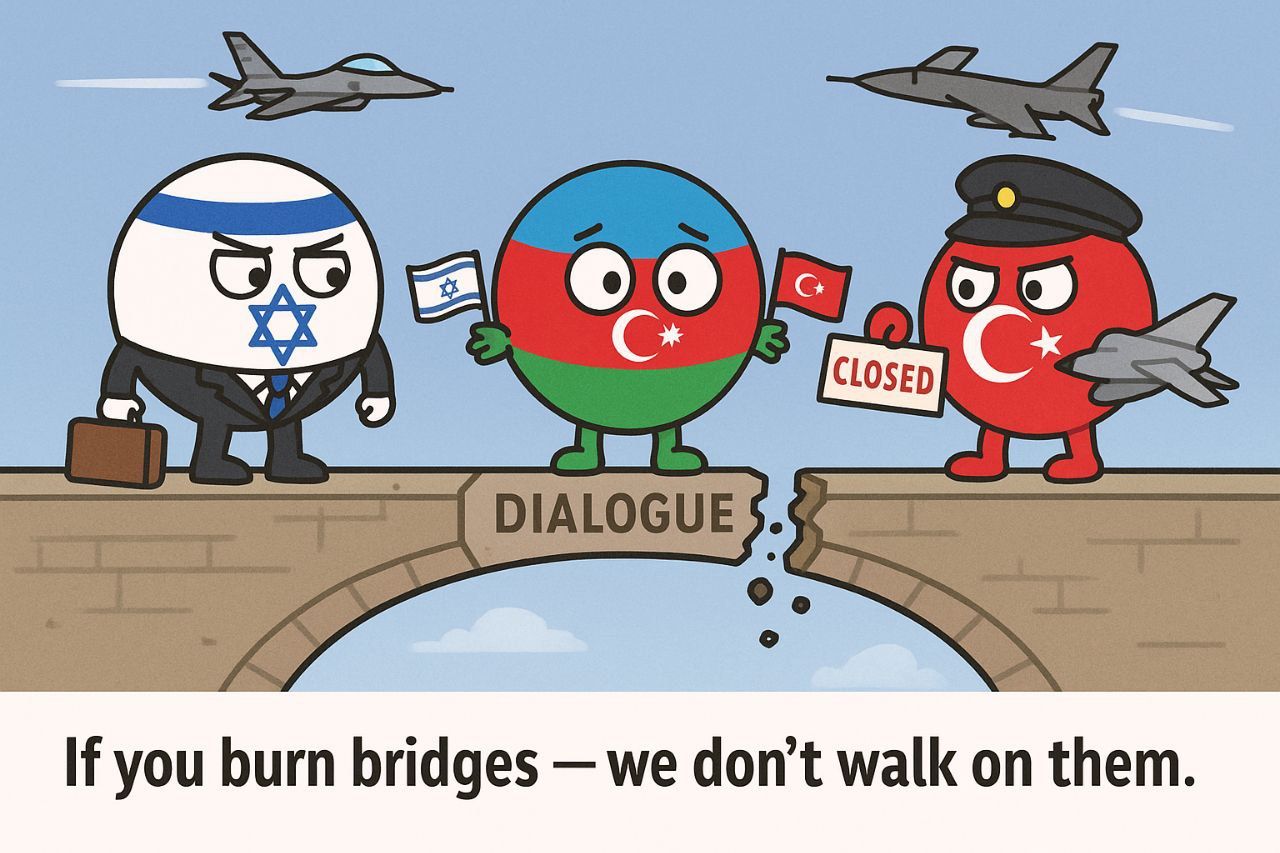
The test of brotherhood: Türkiye and Azerbaijan argue publicly over Israel
Soy Armenio / Oct 10
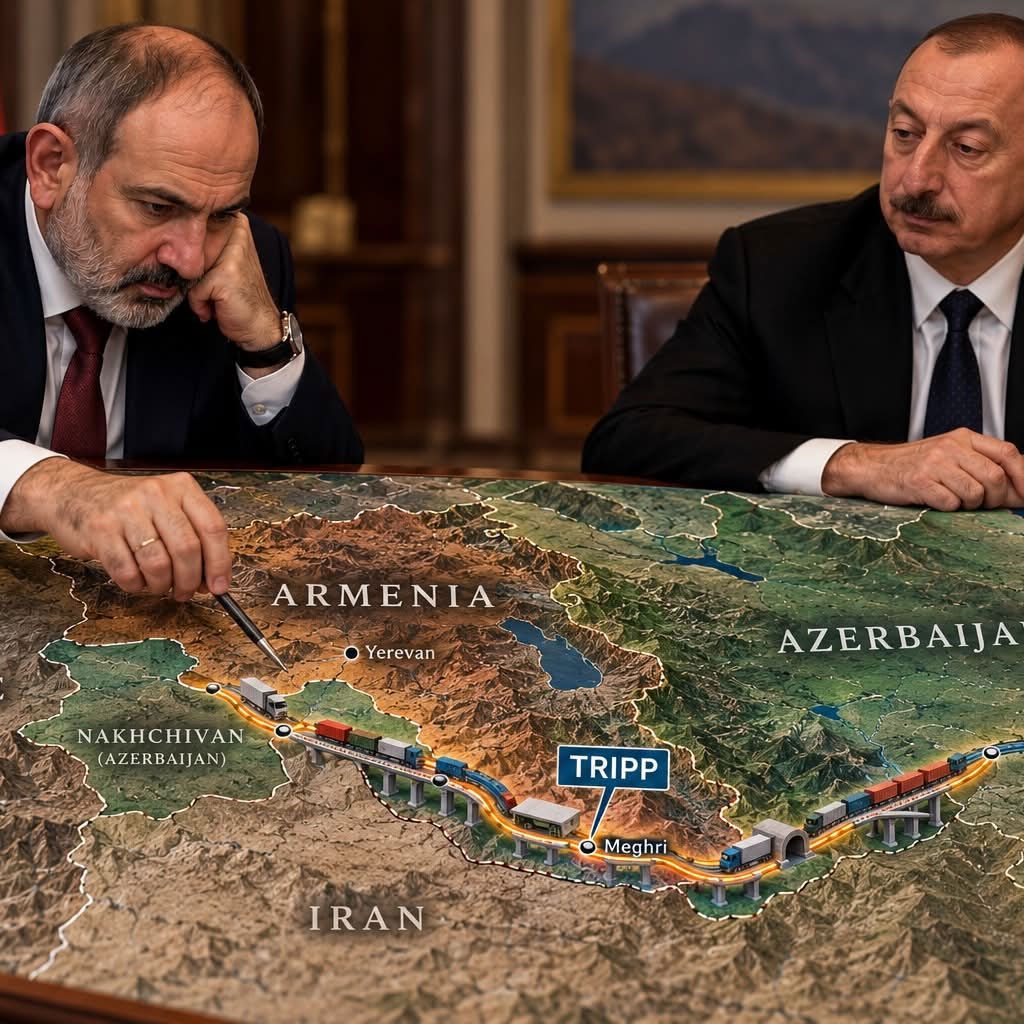
The dangerous circle surrounding peace in Armenia. By Hovhan Mandakuni
Soy Armenio / Oct 5
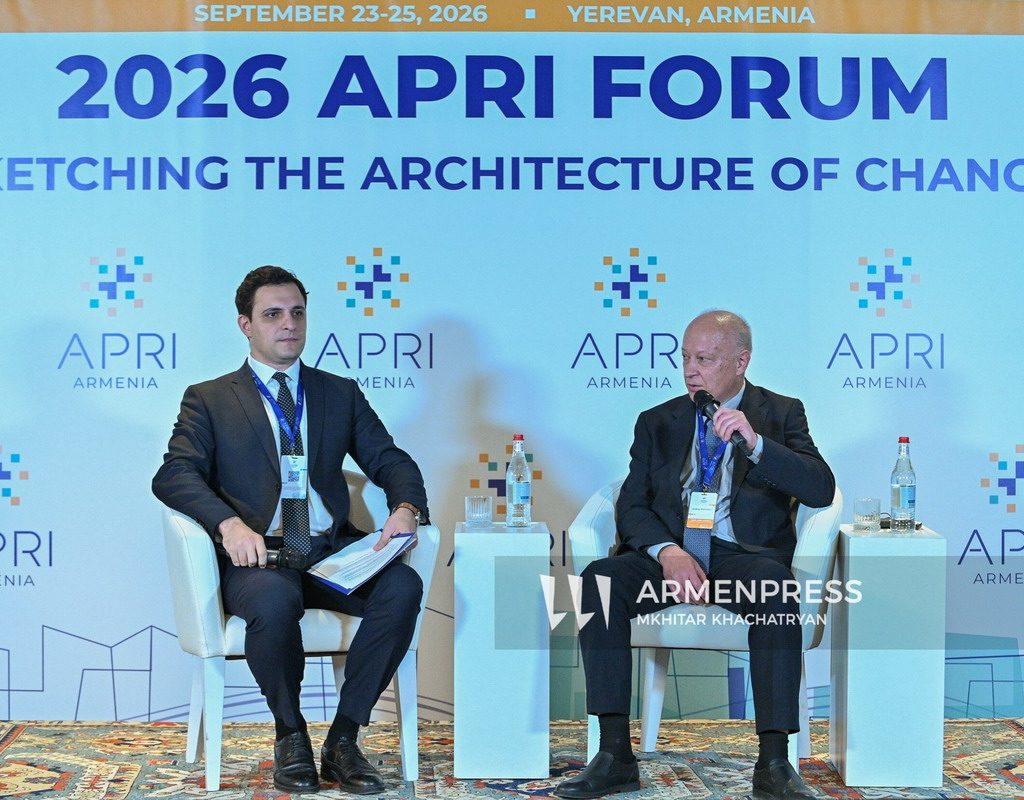
Andrey Kortunov analyzes Russia's offer for the future of relations with Armenia at APRI Forum 2026
Soy Armenio / Sep 23