Showing in English.
5 full-article translations/day — headlines & summaries always free. Create free account for 25/day
Cultural genocide and preparation for a new war: Azerbaijan announced that historic monasteries in Armenia belong to it.
Genocidio cultural y preparación para una nueva guerra: Azerbaiyán anunció que monasterios históricos de Armenia le pertenecen
The so-called “West Azerbaijani Community” announced on September 22 the creation of a working group to study what it defines as “Albanian Christian heritage” within the territory of Armenia and released photographs [...]
La denominada “Comunidad de Azerbaiyán Occidental” anunció el 22 de septiembre la creación de un grupo de trabajo para estudiar lo que define como “patrimonio cristiano albanés” dentro del territorio de Armenia y difundió fotografías [...]
Read more >>
Leer más >>
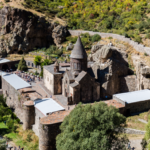
The so-called “Community of Western Azerbaijan” announced on September 22 the creation of a working group to study what it defines as “Albanian Christian heritage” within the territory of Armenia. It also disseminated photographs of the Armenian monastery of Geghard as part of the “historical and cultural heritage of Western Azerbaijan,” expanding the narrative Azerbaijan uses to attribute a “Caucasian Albanian” origin to the Armenian heritage of the Republic of Artsakh (Nagorno-Karabakh) to include Syunik, Vayots Dzor, and the Sevan Lake basin.
La denominada “Comunidad de Azerbaiyán Occidental” anunció el 22 de septiembre la creación de un grupo de trabajo para estudiar lo que define como “patrimonio cristiano albanés” dentro del territorio de Armenia y difundió fotografías del monasterio armenio de Geghard como parte del “patrimonio histórico y cultural de Azerbaiyán Occidental”, en una ampliación hacia Syunik, Vayots Dzor y la cuenca del lago Sevan de la narrativa que Azerbaiyán utiliza para atribuir un origen “albanés caucásico” al patrimonio armenio de la República de Artsaj (Nagorno Karabaj).
This time, the campaign incorporated the Geghard Monastery, one of Armenia’s most important medieval religious complexes. The Azerbaijani organization published images of the monastery and presented it as part of a historical and cultural heritage associated with the concept of “Western Azerbaijan,” a term used by Baku to refer to the current sovereign territory of the Republic of Armenia.
La campaña incorporó esta vez al monasterio de Geghard, uno de los principales complejos religiosos medievales de Armenia. La organización azerbaiyana publicó imágenes del monasterio y lo presentó como parte de un patrimonio histórico y cultural asociado con el concepto de “Azerbaiyán Occidental”, denominación utilizada desde Bakú para referirse al actual territorio soberano de la República de Armenia.
Geghard's Armenian identity is documented in its architecture, Armenian inscriptions, khachkars (religious shrines), and ecclesiastical history. The monastery was also recognized by UNESCO as an example of medieval Armenian monastic architecture.
La identidad armenia de Geghard se encuentra documentada en su arquitectura, sus inscripciones en armenio, sus khachkars y su historia eclesiástica. El monasterio también fue reconocido por la UNESCO como un ejemplo de la arquitectura monástica armenia medieval.
The initiative announced on September 22 is not limited to Geghard. The so-called "Community of Western Azerbaijan," funded and promoted by the Azerbaijani regime, reported that its new working group will study churches, monasteries, chapels, and khachkars located in various regions of Armenia, including Syunik, Vayots Dzor, and the Sevan Lake Basin.
La iniciativa anunciada el 22 de septiembre no se limita a Geghard. La denominada “Comunidad de Azerbaiyán Occidental”, financiada y promovida por el régimen de Azerbaiyán, informó que su nuevo grupo de trabajo estudiará iglesias, monasterios, capillas y khachkars situados en distintas regiones de Armenia, entre ellas Syunik y Vayots Dzor y la cuenca del lago Sevan.
The organization also linked this work on Christian heritage to the historical and cultural foundations of its agenda for "return" to the territory of the current Republic of Armenia.
La organización vinculó además ese trabajo sobre el patrimonio cristiano con los fundamentos históricos y culturales de su agenda de “retorno” al territorio de la actual República de Armenia.
The initiative extended to Armenian territory a narrative that Azerbaijani authorities have applied in recent years to the cultural and religious heritage of Artsakh, especially after the Azerbaijani military offensive of September 2023, the forced displacement of its Armenian population, and the occupation of the region.
La iniciativa extendió al territorio armenio una narrativa que las autoridades de Azerbaiyán aplicaron durante los últimos años al patrimonio cultural y religioso de Artsaj, especialmente después de la ofensiva militar azerbaiyana de septiembre de 2023, el desplazamiento forzado de su población armenia y la ocupación de la región.
In early September, Hikmet Hajiyev, advisor to Azerbaijani President Ilham Aliyev, led a visit by foreign diplomats accredited in Baku to the Armenian monasteries of Gandzasar and Dadivank, presenting both complexes as monuments belonging to “ancient Caucasian Albania.”
A comienzos de septiembre, Hikmet Hajiyev, asesor del presidente azerbaiyano Ilham Aliyev, encabezó una visita de diplomáticos extranjeros acreditados en Bakú a los monasterios armenios de Gandzasar y Dadivank y presentó ambos complejos como monumentos pertenecientes a la “antigua Albania caucásica”.
During the visit to Gandzasar, Hajiyev also showed the diplomats reproductions of ancient Armenian manuscripts housed in the monastery’s exhibition hall and, upon finding blank pages, made mocking comments in front of the foreign representatives.
Durante la visita a Gandzasar, Hajiyev también mostró a los diplomáticos reproducciones de antiguos manuscritos armenios que permanecían en la sala de exposiciones del monasterio y, al encontrar páginas en blanco, realizó comentarios burlones frente a los representantes extranjeros.
The director of the Matenadaran, Ara Khzmalyan, later explained that the original manuscripts were never moved to Gandzasar because the site lacked the necessary conditions for their security and preservation, and that the pieces on display were copies. The originals remain in the Matenadaran.
El director del Matenadaran, Ara Khzmalyan, explicó posteriormente que los originales de esos manuscritos nunca fueron trasladados a Gandzasar debido a que el lugar no contaba con las condiciones necesarias para su seguridad y conservación, y que las piezas exhibidas eran copias. Los originales permanecen conservados en el Matenadaran.
Azerbaijan also made progress regarding Dadivank. On September 22, Sabina Hajiyeva, director of the State Service for the Preservation, Development and Restoration of Cultural Heritage of Azerbaijan, accused the Armenian side of removing crosses, bells, frescoes, khachkars, and other cultural artifacts from the monastery after the 2020 war.
Azerbaiyán también avanzó sobre Dadivank. El 22 de septiembre, Sabina Hajiyeva, directora del Servicio Estatal para la Preservación, el Desarrollo y la Restauración del Patrimonio Cultural de Azerbaiyán, acusó a la parte armenia de retirar cruces, campanas, frescos, khachkars y otros bienes culturales del monasterio después de la guerra de 2020.
Baku further reported that it had submitted information about some of these pieces to Interpol for inclusion in the database of “Stolen Works of Art.” From Armenia, ruling party deputy Eduard Aghajanyan responded that “any property belonging to the Armenian Apostolic Church that could have been moved to Armenia should have been moved to Armenia.”
Bakú informó además que había remitido información sobre algunas de esas piezas a Interpol para incorporarlas a la base de datos de “Obras de Arte Robadas”. Desde Armenia, el diputado oficialista Eduard Aghajanyan respondió que “cualquier propiedad perteneciente a la Iglesia Apostólica Armenia que pudiera haberse trasladado a Armenia debería haberse trasladado a Armenia”.
The expansion of the narrative to include monuments located within Armenia’s borders came just days after Prime Minister Nikol Pashinyan himself publicly referred to the concept of “Western Azerbaijan.”
La ampliación de la narrativa hacia monumentos ubicados dentro de las fronteras de Armenia se produjo pocos días después de que el propio primer ministro Nikol Pashinyan se refiriera públicamente al concepto de “Azerbaiyán Occidental”.
On September 17, Pashinyan described this narrative as a grave threat to Armenia’s security and regional peace. A week later, during his address to the 81st session of the United Nations General Assembly, he called for preventing controversies over history and cultural heritage from overshadowing the ongoing peace process between Yerevan and Baku.
El 17 de septiembre, Pashinyan calificó esa narrativa como una grave amenaza para la seguridad de Armenia y para la paz regional. Una semana después, durante su intervención ante el 81º período de sesiones de la Asamblea General de las Naciones Unidas, pidió evitar que las controversias sobre la historia y el patrimonio histórico y cultural adquirieran mayor importancia que el proceso desarrollado entre Ereván y Bakú.
“Besides the fact that these problems remain unresolved, another factor fueling pessimism is the occasional use of contradictory rhetoric in certain circles in Armenia and Azerbaijan, sometimes even at the official level,” Pashinyan told the UN.
“Además de que estos problemas aún no se han resuelto, otro factor que alimenta el pesimismo es el uso ocasional de retórica contradictoria en ciertos círculos de Armenia y Azerbaiyán, a veces incluso a nivel oficial”, declaró Pashinyan ante la ONU.
“I believe that we—Armenia and Azerbaijan—have achieved more than enough, which should be more valuable to us than the use of contradictory rhetoric, whether on history, historical and cultural monuments, or any other topic,” he added.
“Creo que nosotros, es decir, Armenia y Azerbaiyán, hemos logrado resultados más que suficientes, lo cual debería ser más valioso para nosotros que el uso de retórica contradictoria, ya sea sobre historia, monumentos históricos y culturales o cualquier otro tema”, agregó.
In that same speech, Pashinyan affirmed that “the preservation, strengthening, and institutionalization of peace must be the central focus of cooperation between Armenia and Azerbaijan.”
En ese mismo discurso, Pashinyan afirmó que “el cuidado de la paz, su fortalecimiento y su institucionalización deben ser el eje central de la cooperación entre Armenia y Azerbaiyán”.
The campaign surrounding so-called “Western Azerbaijan,” however, has now incorporated Christian monuments located within Armenia’s sovereign territory into its narrative and explicitly linked the study of this heritage to its “return” agenda, after having applied a similar narrative to Armenian monasteries, churches, and other historical sites in Artsakh.
La campaña sobre el denominado “Azerbaiyán Occidental”, sin embargo, incorporó ahora a su narrativa monumentos cristianos situados dentro del territorio soberano de Armenia y vinculó expresamente el estudio de ese patrimonio con su agenda de “retorno”, después de haber aplicado una narrativa similar sobre los monasterios, iglesias y otros sitios históricos armenios de Artsaj.
The expansion of this narrative from Artsakh to monuments located within Armenia itself is also significant in light of warnings about cultural genocide and the discursive groundwork being laid for a potential new aggression. The erasure or denial of the Armenian identity of churches, monasteries, cemeteries, and khachkars in Artsakh continued after the forced displacement of its Armenian population in 2023; now, the attribution of monasteries and other sites located within Armenia’s sovereign territory to a supposed “Western Azerbaijani” heritage transfers this same mechanism within Armenia’s borders. By linking these monuments to a “return” agenda, these claims are not limited to a historiographical dispute: they construct a territorial claim based on the presentation of regions of Armenia as historically Azerbaijani, a discourse that can function as a political and propagandistic foundation for future territorial demands or military actions.
La ampliación de esta narrativa desde Artsaj hacia monumentos situados dentro de la propia Armenia también adquiere relevancia frente a las advertencias sobre el genocidio cultural y la preparación del terreno discursivo para una eventual nueva agresión. La eliminación o negación de la identidad armenia de iglesias, monasterios, cementerios y khachkars de Artsaj continuó después del desplazamiento forzado de su población armenia en 2023; ahora, la atribución de monasterios y otros sitios ubicados en territorio soberano de Armenia a un supuesto patrimonio de “Azerbaiyán Occidental” traslada ese mismo mecanismo al interior de las fronteras armenias. Al vincular esos monumentos con una agenda de “retorno”, estas afirmaciones no se limitan a una disputa historiográfica: construyen una reivindicación territorial basada en la presentación de regiones de Armenia como históricamente azerbaiyanas, un discurso que puede funcionar como fundamento político y propagandístico para futuras demandas territoriales o acciones militares.
Comments
No comments yet — be the first to comment.
More from Diario Armenia

Luis Moreno Ocampo, Valeria Thus, Oscar López Goldaracena and Jairo Straccia analyzed the denial of the Armenian Genocide and the situation of Artsakh during a talk at the Faculty of Law of the UBA
Diario Armenia / 1 hour ago

Winning or losing with time: editorial of Troshag, official organ of the FRA-Dashnagtsutiún
Diario Armenia / 12 hours ago
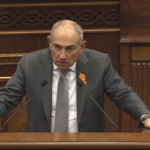
Nikol Pashinyan questioned the mother who lost three fingers defending her children from an Azerbaijani soldier: “It’s a normal criminal situation, they should have waited for the police to arrive.”
Diario Armenia / 19 hours ago
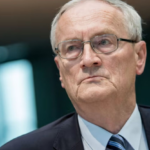
Former German intelligence chief August Hanning was arrested for alleged links to Azerbaijani intelligence.
Diario Armenia / Oct 6
Related coverage
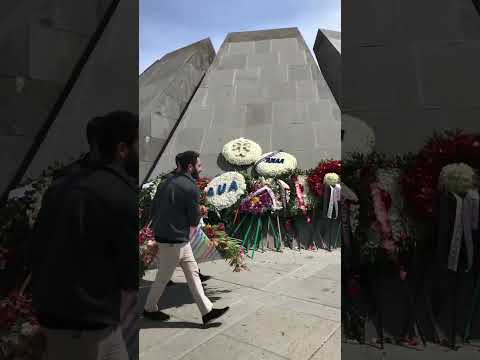
Armenia recycles genocide remains to create paper and organic fertilizer
Soy Armenio / Apr 27

Yesterday, the Ottoman Empire. Today, Türkiye and Azerbaijan - A discussion on the Armenian genocide.
Nor Sevan / May 4, 2021

Message from Alberto Fernández on the 106th anniversary of the Armenian genocide
Nor Sevan / Apr 25, 2021

"Bearing witness in difficult times", Rodolfo Walsh - 03/24/1977
Nor Sevan / Mar 25, 2021