Showing in English.
5 full-article translations/day — headlines & summaries always free. Create free account for 25/day
From the stones of Gandzasar to the name of "Kearki".
Գանձասարի քարերէն մինչեւ «Քեարքի»ի
Painful questions hidden under the peace...
Խաղաղութեան տակ թաքնուած ցաւոտ հարցեր…
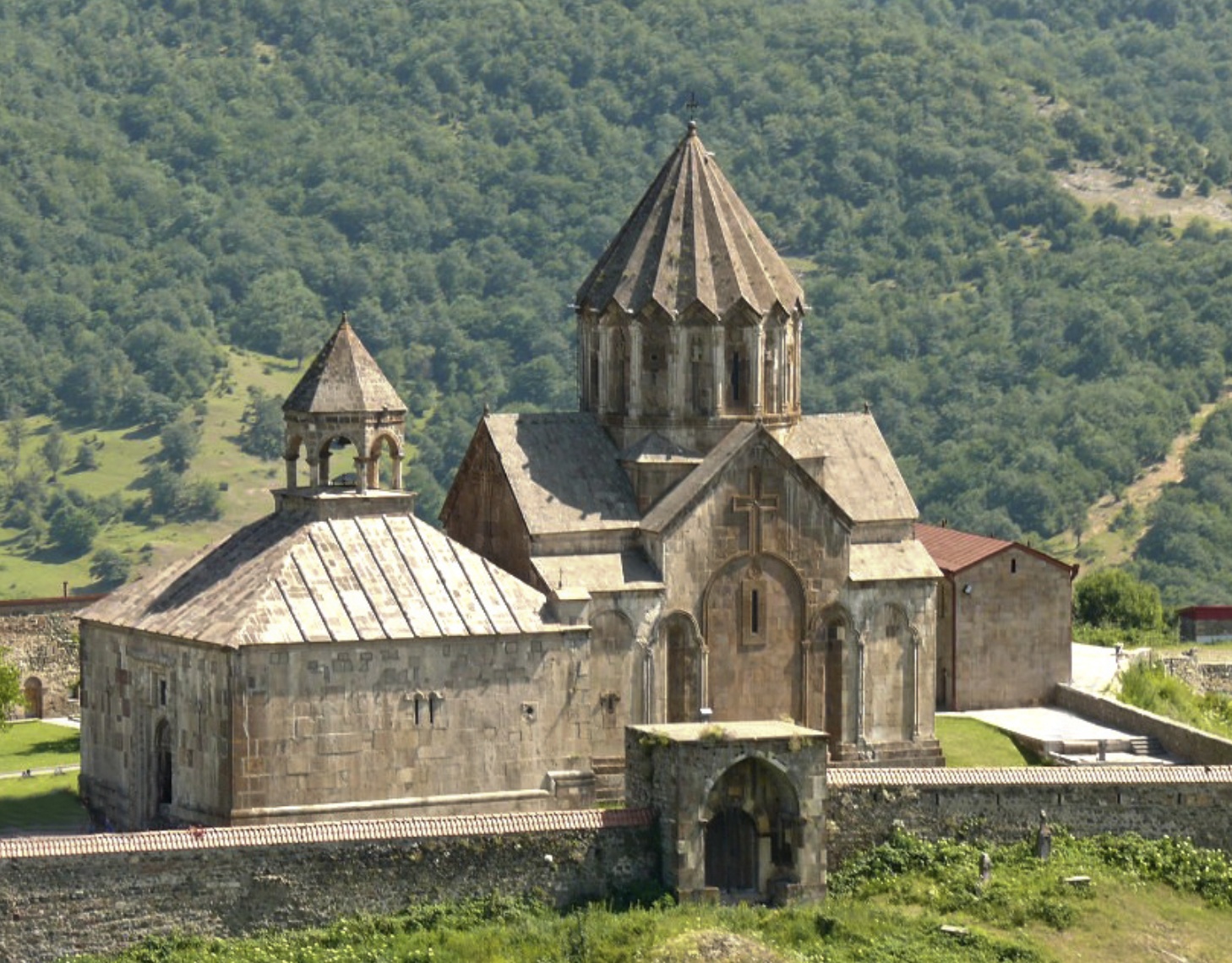
The language adopted by Azerbaijan in recent days in defiance of the Armenian historical heritage of Artsakh and the new debate raging in Armenia around Tigranashen may seem like different topics at first glance. One is about history, churches and cultural heritage, the other is about borders, enclaves and territorial legal issues.
Վերջին օրերուն Ատրպէյճանի կողմէ Արցախի հայկական պատմական ժառանգութեան նկաատմամբ որդեգրուած լեզուն եւ Հայաստանի մէջ Տիգրանաշէնի շուրջ ծաւալող նորբանավէճը առաջին հայեացքէ տարբեր նիւթեր կրնան թուիլ։ Մէկը պատմութեան, եկեղեցիներու եւ մշակութային ժառանգութեան մասին է, միւսը՝ սահմաններու, անկլաւներու եւ տարածքային իրաւական հարցերու։
But in reality, both are different sides of the same big question: what reality will remain in the South Caucasus when, after the war, the parties try to establish a system of new borders and new relations.
Բայց իրականութեան մէջ երկուքն ալ նոյն մեծ հարցի տարբեր երեսներն են՝ ի՞նչ իրականութիւն պիտի մնայ Հարաւային Կովկասի մէջ, երբ պատերազմէն ետք կողմերը կը փորձեն նոր սահմաններու եւ նոր յարաբերութիւններու համակարգ մը հաստատել։
And here, Gandzasar first of all catches the eye.
Եւ այստեղ առաջին հերթին աչքի կը զարնէ Գանձասարը։
On September 18, representatives of the diplomatic corps accredited in Azerbaijan visited the centuries-old monastery complex of Artsakh, Gandzasar. According to the Azerbaijani APA news agency, the diplomats were presented with the “history” of the monastery. In that presentation, the claim was once again put into circulation that the foundations of the “Gandzasar” church were laid by the “Aghvan prince Hasan Jalal” in 1216-1238. But this story is not limited to the APA report. Hikmet Hajiyev, head of the Azerbaijani presidential department for foreign policy, has published a video of the visits of foreign diplomats to Gandzasar and Dadivank. He presented Gandzasar and Dadivank as inseparable parts of the Christian heritage of the “ancient Caucasian Agvank.”
Անցնող 18 Սեպտեմբերին Ատրպէյճանի մէջ հաւատարմագրուած դիւանագիտական կորպուսի ներկայացուցիչները այցելած էին Արցախի դարաւոր վանական համալիր՝ Գանձասար։ Ատրպէյճանական APA լրատուական գործակալութեան փոխանցմամբ՝ դիւանագէտներուն ներկայացուածէր վանքին «պատմութիւնը»։ Այդ ներկայացման մէջ կրկին շրջանառութեան դրուածէ այն պնդումը, թէ «Գյանձասարի» եկեղեցւոյ հիմքերը դրած է «աղուանական իշխան Հասան Ջալալը»՝ 1216-1238 թուականներուն։ Բայց այս պատմութիւնը միայն APA-ի հաղորդագրութեամբ չէ սահմանափակուած։ Օտարերկրեայ դիւանագէտներու Գանձասար եւ Դադիվանք այցելութիւններու տեսանիւթ հրապարակած է Ատրպէյճանի նախագահի արտաքին քաղաքականութեան հարցերու բաժնի ղեկավար Հիքմէթ Հաճիեւը։ Ան Գանձասարը եւ Դադիվանքը ներկայացուցած է որպէս «հին Կովկասեան Աղուանք»ի քրիստոնէական ժառանգութեան անբաժանելի մասեր։
Hajiyev also repeated the claim that the Gandzasar church was founded by the “Aghvan prince Hasan Jalal” and at the same time accused the Armenian side, stating that “during the years of occupation” the two monuments were subjected to external interventions under the name of “restoration” (Renovation - Edited by S. Arian), as a result of which, according to him, their architectural authenticity and original appearance were violated.
Հաճիեւ նաեւ կրկնած է «աղուանական իշխան Հասան Ջալալ»ի կողմէ Գանձասարի եկեղեցւոյ հիմնադրման մասին պնդումը եւ միաժամանակ մեղադրած է հայկական կողմը՝ յայտարարելով, թէ «օկուպացիայի տարիներուն» երկու յուշարձանները «ռեստավրացիայի» ( Վերանորոգում՝ Խմբ. Ս. Արեան) անուան տակ արտաքին միջամտութիւններու ենթարկուած են, որոնց հետեւանքով, ըստ իրեն, խախտուած են անոնց ճարտարապետական իսկութիւնը եւ սկզբնականտեսքը։
After all this, the Azerbaijani official also assured that Azerbaijan, as a state, is dedicated to the preservation, protection and restoration of historical, cultural and religious monuments, regardless of their origin and religious affiliation. In other words, the state that today presents the Armenian history of Gandzasar within its own historical framework, at the same time presents itself to the world as a party preserving that heritage.
Ատրպէյճանցի պաշտօնեան այս բոլորէն ետք նաեւ վստահեցուցած է, թէ Ատրպէյճանը, որպէս պետութիւն նուիրուած է պատմական, մշակութային եւ կրօնական յուշարձաններու պահպանման, պաշտպանութեան եւ վերականգնման՝ անկախ անոնց ծագումէն եւ կրօնական պատկանելիութենէն։ Այսինքն՝ այն պետութիւնը, որ այսօր Գանձասարի հայկական պատմութիւնը կը ներկայացնէ իր սեփական պատմական շրջանակին մէջ, միաժամանակ աշխարհին կը ներկայանայ որպէս այդ ժառանգութիւնը պահպանող կողմ։
Here, the language of politics is already much broader than simple propaganda. Because when the identity of a historical monument is presented with a certain interpretation in the presence of foreign diplomats, an attempt is also made to make that interpretation part of the international perception.
Այստեղ քաղաքականութեան լեզուն արդէն շատ աւելի լայն է, քան պարզ քարոզչութիւնը։ Որովհետեւ երբ օտարերկրեայ դիւանագէտներուն ներկայութեամբ պատմական յուշարձանի մը ինքնութիւնը կը ներկայացուի որոշակի մեկնաբանութեամբ, կը փորձուի նաեւ այդ մեկնաբանութիւնը միջազգային ընկալման մաս դարձնել։
In the case of Gandzasar, the issue is not only about stones, khachkars or inscriptions. The issue is the right to remember.
Գանձասարի պարագային խնդիրը միայն քարերու, խաչքարերու կամ արձանագրութիւններու մասին չէ։ Խնդիրը յիշողութեան իրաւունքն է։
Who will tell the history of the Armenian churches of Artsakh?
Ո՞վ պիտի պատմէ Արցախի հայկական եկեղեցիներու պատմութիւնը։
Who will decide whether they are the Armenian medieval heritage or the heritage of the “Caucasian Agvank”?
Ո՞վ պիտի որոշէ, թէ անոնք հայկական միջնադարեան ժառանգութի՞ւն են, թէ՞ «Կովկասեան Աղուանքի» ժառանգութիւն։
And if history can be rewritten through political force, why won’t the same logic be applied to maps tomorrow? This is where the issue of Gandzasar unexpectedly meets the issue of Tigraneshen.
Եւ եթէ պատմութիւնը կարելի է վերաշարադրել քաղաքական ուժի միջոցով, վաղը ինչո՞ւ նոյն տրամաբանութիւնը պիտի չկիրառուի նաեւ քարտէսներու նկատմամբ։ Հոս է, որ Գանձասարի հարցը անսպասելիօրէն կը հանդիպի Տիգրանաշէնի հարցին։
In recent weeks, the issue of enclaves has once again become a hot topic on Armenia’s domestic political agenda, especially around the village of Tigranashen in Ararat province. Prime Minister Nikol Pashinyan has also mentioned the settlement in recent speeches by the name “Kyark” used by Azerbaijan. This word itself has become a subject of political debate.
Վերջին շաբաթներուն Հայաստանի ներքաղաքական օրակարգին մէջ կրկին աշխուժացած է անկլաւներու նիւթը, յատկապէս Արարատի մարզի Տիգրանաշէն գիւղի շուրջ։ Վարչապետ Նիկոլ Փաշինեան բնակավայրը վերջին ելոյթներուն մէջ յիշատակած է նաեւ Ատրպէյճանի օգտագործած «Քեարքի» անունով։ Այս բառը ինքնին վերածուած է քաղաքական բանավէճի առարկայի։
Pashinyan insists that he did not speak about “return,” but only noted that such a territory exists. He also stated that at this time there are no discussions with Azerbaijan on the issue of enclaves and no agreements have been reached regarding Tigranashen.
Փաշինեան կը պնդէ, որ ինք «վերադարձի» մասին չէ խօսած, այլ միայն արձանագրածէ, որ այդպիսի տարածք մը գոյութիւն ունի։ Ան նաեւ յայտարարած է, որ այս պահուն Ատրպէյճանի հետ անկլաւներու հարցով որեւ է քննարկում չկայ եւ Տիգրանաշէնի վերաբերեալ որեւէ պայմանաւորուածութիւն չէ եղած։
At the same time, the Prime Minister insists that Armenia’s territory should be viewed within the logic of the 1991 borders, and that not recognizing the enclaves issue could give Azerbaijan the opportunity to make territorial claims against the Armenian side using the same logic.
Միաժամանակ վարչապետը կը պնդէ, որ Հայաստանի տարածքը պէտք է դիտարկել 1991-ի սահմաններու տրամաբանութեան մէջ, եւ անկլաւներու հարցը չճանչնալը կրնայ Ատրպէյճանին հնարաւորութիւն տալ նոյն տրամաբանութեամբ հայկական կողմի դէմ տարածքային պահանջներ ներկայացնելու։
Pashinyan even presents the issue as a way to defend the peace process, claiming that by using the name “Kyarky,” he is trying to “remove the nerve” of a possible escalation around that topic. But this is where the public’s questions begin.
Փաշինեան նոյնիսկ հարցը կը ներկայացնէ որպէս խաղաղութեան գործընթացը պաշտպանելու միջոց՝ պնդելով, որ «Քեարքի» անունը գործածելով ինք կը փորձէ այդ թեմային շուրջ հնարաւոր սրացման «նեարդը հանել»։ Բայց այստեղ է, որ հասարակութեան հարցադրումները կը սկսին։
If there are no negotiations, why has this issue been raised so loudly again in recent weeks? If there is no agreement, why was it necessary to bring the name of Tigranashen back onto the political agenda? And if the issue is only a factual record, then what will be the final status of this settlement at the end of the demarcation process?
Եթէ բանակցութիւն չկայ, ինչո՞ւ վերջին շաբաթներուն այս հարցը դարձեալ այդքան բարձրաձայն կը հնչէ։ Եթէ պայմանաւորուածութիւն չկայ, ինչո՞ւ անհրաժեշտ եղաւ Տիգրանաշէնի անունը կրկին բերել քաղաքական օրակարգ։ Եւ եթէ հարցը միայն փաստական արձանագրում մըն է, ապա ի՞նչ պիտի ըլլայ այս բնակավայրին վերջնական կարգավիճակը սահմանազատման գործընթացի աւարտին։
There are different interpretations of these issues. Political scientist Tigran Grigoryan believes that the issue of enclaves is not one of the most urgent issues on the current Armenian-Azerbaijani agenda, and, in his opinion, it can be postponed to the final stage of demarcation.
Այս հարցերուն շուրջ տարբեր մեկնաբանութիւններ կան։ Քաղաքագէտ Տիգրան Գրիգորեան կը կարծէ, որ անկլաւներու հարցը ներկայիս հայ-ատրպէյճանական օրակարգի ամենահրատապ խնդիրներէն չէ, եւ ըստ իրեն, կրնայ սահմանազատման վերջին փուլին ձգուիլ։
At the same time, he criticizes the Armenian authorities’ approach to viewing the issues of enclaves and Armenian territories under Azerbaijani control on the same plane, arguing that this approach partially repeats the logic put forward by Azerbaijan for years.
Միաժամանակ ան կը քննադատէ Հայաստանի իշխանութիւններուն կողմէ անկլաւներու եւ Ատրպէյճանի վերահսկողութեան տակ անցած հայկական տարածքներու հարցերը նոյն հարթութեան վրայ դիտարկելը՝ պնդելով, որ այդ մօտեցումը մասամբ կը կրկնէ Ատրպէյճանի կողմէ տարիներ շարունակ առաջ քաշուած տրամաբանութիւնը։
Here we again come to the same point - the political significance of words and formulations. “Tigranashen” or “Kyarki”. “Gandzasar” or “Ganjasar”. “Armenian heritage” or “Aghvan heritage”.
Այստեղ դարձեալ կը հասնինք նոյն կէտին՝ բառերու եւ ձեւակերպումներու քաղաքական նշանակութեան։ «Տիգրանաշէն» կամ «Քեարքի»։ «Գանձասար» կամ «Գյանջասար»։ «Հայկական ժառանգութիւն» կամ «աղուանական ժառանգութիւն»։
These are seemingly simple words, but behind them lie entire political perceptions. And when these words are repeated by high-ranking officials, they cease to be just words. They become a political message.
Ասոնք, թուացեալ պարզ բառեր են, բայց անոնց ետին ամբողջական քաղաքական ընկալումներ կը կանգնին։ Եւ երբ այդ բառերը կը կրկնուին բարձրաստիճան պաշտօնեաներու կողմէ, անոնք կը դադրին միայն բառ ըլլալէ։ Կը դառնան քաղաքական ուղերձ։
Azerbaijan’s attempt to “Aghvanize” the history of Gandzasar is not new. Neither is Azerbaijan’s assertion of various demands on Armenian territories. What is new is that these two processes are taking place today alongside peace negotiations, talks on demarcation and new regional arrangements. And that is why the issue is more serious. Peace is not just the absence of gunfire on the border. Peace is also the existence of trust, mutual recognition, and clear principles on historical and legal issues.
Ատրպէյճանի կողմէ Գանձասարի պատմութիւնը «աղուանականացնելու» փորձը նոր չէ։ Նոյնպէս նոր չէ Հայաստանի տարածքներու նկատմամբ Ատրպէյճանի տարբեր պահանջներու առաջադրումը։ Նորն այն է, որ այս երկու գործընթացները այսօր կը կատարուին խաղաղութեան բանակցութիւններու, սահմանազատման եւ տարածաշրջանային նոր դասաւորումներու մասին խօսակցութիւններու կողքին։ Եւ այդ պատճառով հարցը աւելի լուրջ է։ Խաղաղութիւնը միայն սահմանին կրակոցներու բացակայութիւնը չէ։ Խաղաղութիւնը նաեւ վստահութեան, փոխադարձ ճանաչման եւ պատմական ու իրաւական հարցերու շուրջ յստակ սկզբունքներու գոյութիւնն է։
If one side insists that the Armenian churches of Artsakh are part of their historical heritage, and the other side rejects that interpretation, then one important front of the war is still open: the front of history.
Եթէ մէկ կողմը կը պնդէ, թէ Արցախի հայկական եկեղեցիները իրենց պատմական ժառանգութեան մաս կը կազմեն, իսկ միւս կողմը կը մերժէ այդ մեկնաբանութիւնը, ուրեմն պատերազմի մէկ կարեւոր ճակատը տակաւին բաց է՝ պատմութեան ճակատը։
If, on the other hand, the people of Armenia hear that Tigranashen is “Tigranashen” one moment, and “Kearki” the next, the question naturally arises as to whether tomorrow the difference in those words will turn into a difference in the map.
Եթէ միւս կողմէ Հայաստանի մէջ ժողովուրդը կը լսէ, որ Տիգրանաշէնը մէկ պահ «Տիգրանաշէն» է, մէկ ուրիշ պահ՝ «Քեարքի», բնականաբար հարց կը ծագի, թէ վաղը այդ բառերու տարբերութիւնը արդեօք քարտէսի տարբերութեան պիտի վերածուի՞։
These concerns are not a matter of convention in themselves. But they are public issues, and the authorities are obliged to respond to them not only with political counterarguments, but also with clear facts. Especially since, according to the Armenian authorities, after the 2021-2022 invasions and previous events, about 220 square kilometers of Armenian territory are still under Azerbaijani control.
Այս մտահոգութիւնները ինքնին պայմանաւորուածութիւն չեն։ Բայց անոնք հասարակական հարցեր են, եւ իշխանութիւնները պարտաւոր են անոնց պատասխանել ոչ թէ միայն քաղաքական հակադարձումներով, այլ՝ յստակ փաստերով։ Մանաւանդ որ Հայաստանի իշխանութիւններուն համաձայն՝ 2021-2022 թուականներու ներխուժումներէն եւ նախորդ իրադարձութիւններէն ետք շուրջ 220 քառակուսի քիլոմեթր հայկական տարածք տակաւին կը գտնուի Ատրպէյճանի վերահսկողութեան տակ։
In light of this reality, putting the issue of enclaves on the same level as the issue of these territories instead of discussing it separately will inevitably create new debates.
Այս իրականութեան կողքին անկլաւներու հարցը առանձին քննարկելու փոխարէն զայն այդ տարածքներու հարցին հետ նոյն հարթութեան վրայ դնելը անխուսափելիօրէն նոր բանավէճեր պիտի ստեղծէ։
And finally, there is the most important question. Are Azerbaijan’s old-new historical denial, the redefinition of the identity of Armenian churches, the gradual change of the regional language, and the circulation of names like “Kyarki” at the state level simply part of the negotiation bargaining? Or are they preparing a longer-term political and social ground? Because wars don’t always start at the border. Sometimes a war starts on a map. Sometimes in a textbook. Sometimes by changing the name of a church. Sometimes by repeating a word so many times that it begins to occupy the center of reality.
Եւ վերջապէս կայ ամենակարեւոր հարցը։ Արդեօք Ատրպէյճանի այս հին-նոր պատմական ժխտողականութիւնը, հայկական եկեղեցիներու ինքնութեան վերաձեւակերպումը, տարածքային լեզուի աստիճանական փոփոխութիւնը եւ «Քեարքի»ի նման անուններու պետական մակարդակով շրջանառութիւնը պարզապէս բանակցային սակարկութեան մէ՞կ մասն են։ Թէ՞ անոնք կը պատրաստեն աւելի երկարաժամկէտ քաղաքական եւ հասարակական հող մը։ Որովհետեւ պատերազմները միշտ չէ, որ կը սկսին սահմանին։ Երբեմն պատերազմը կը սկսի քարտէսին վրայ։ Երբեմն՝ դասագիրքին մէջ։ Երբեմն՝ եկեղեցիի մը անունը փոխելով։ Երբեմն ալ՝ մէկ բառ մը կրկնելով այնքան անգամ, մինչեւ որ այդ բառը սկսի իրականութեան մէջտեղ զբաղեցնել։
The stones of Gandzasar, therefore, do not only speak of the past. The name of Tigranashen is not only about the present. Both questions force us to look ahead and ask: what peace is being built today, and what reality will remain behind that peace?
Գանձասարի քարերը, հետեւաբար, միայն անցեալի մասին չեն խօսիր։ Տիգրանաշէնի անունը միայն ներկայի մասին չէ։ Երկու հարցերն ալ մեզ կը ստիպեն նայիլ առաջ եւ հարց տալ՝ ի՞նչ խաղաղութիւն կը կառուցուի այսօր, եւ ի՞նչ իրականութիւն պիտի մնայ այդ խաղաղութեան ետին։
Here is the real question.
Ահա՛ այս է բուն հարցը։
Not only “Kearg” or “Tigranashen”.
Ոչ թէ միայն՝ «Քեարքի՞», թէ՞ «Տիգրանաշէն»։
Not only “Gandzasar” or “Gandzasar”.
Ոչ միայն՝ «Գյանջասա՞ր», թէ՞ Գանձասար։
But who will write tomorrow’s map, and who will tell tomorrow’s history?
Այլ՝ ո՞վ պիտի գրէ վաղուան քարտէսը, եւ ո՞վ պիտի պատմէ վաղուան պատմութիւնը։
And if today's words risk becoming tomorrow's facts, then the most important task for the Armenian side is perhaps not only to echo those words, but to maintain its facts, its history, and its legal positions so clearly that tomorrow no one will be able to say, "It wasn't like that."
Եւ եթէ այսօրուան բառերը վաղուան փաստերը դառնալու վտանգը ունին, ապա հայկական կողմին համար ամենակարեւոր գործը թերեւս ոչ թէ միայն այդ բառերուն արձագանգելն է, այլ՝ իր փաստերը, իր պատմութիւնը եւ իր իրաւական դիրքերը այնքան յստակ պահելը, որ վաղը ոչ ոք չկարենայ ըսել՝ «այդպէս չէր»։
Sago Arian
Սագօ Արեան
An enclave is a territory that is completely surrounded by the territory of another state, but politically and administratively belongs to another state. Simply put, an enclave is a territory "remaining in foreign territory." For example, if a village belonging to one country is surrounded on all sides by the territory of another country, that village is an exclave for the first country, and an enclave for the surrounding country.
Անկլաւ կը կոչուի այն տարածքը, որ ամբողջութեամբ շրջապատուած է ուրիշ պետութեան տարածքով, բայց քաղաքական եւ վարչական առումով կը պատկանի այլ պետութեան։ Պարզ խօսքով՝ անկլաւ մը «օտար տարածքի մէջ մնացած» տարածք է։ Օրինակ՝ եթէ երկրի մը պատկանող գիւղ մը բոլոր կողմերէն շրջապատուած է ուրիշ երկրի տարածքով, այդ գիւղը առաջին երկրի համար էքսկլաւ է, իսկ շրջապատող երկրին համար՝ անկլաւ։
In other words, the two terms are linked. An exclave is viewed from the perspective of the state to which the territory belongs, and an enclave from the perspective of the state in whose territory it is located.
Այսինքն՝ երկու եզրերը իրարու կապուած են․ էքսկլաւը կը դիտուի այն պետութեան տեսանկիւնէն, որուն կը պատկանի տարածքը, իսկ անկլաւը՝ այն պետութեան տեսանկիւնէն, որուն տարածքին մէջ ան կը գտնուի։
In the case of Artsushen, for example, it was an exclave for Armenia because it was separated from the main territory of Armenia, and from the perspective of Azerbaijan, it was an enclave because it was completely surrounded by Azerbaijani territory.
Արծուաշէնի պարագային, օրինակ, այն Հայաստանի համար էքսկլաւ էր, որովհետեւ Հայաստանի հիմնական տարածքէն անջատուած էր, իսկ Ատրպէյճանի տեսանկիւնէն՝ անկլաւ, քանի որ ամբողջութեամբ շրջապատուած էր Ատրպէյճանի տարածքով։
Comments
No comments yet — be the first to comment.
More from Abaka

Related coverage

ARF Canada Central Committee Mausoleum in memory of Comrade Maral Minassian-Kivallahian
Horizon Weekly / 7 hours ago

Former German intelligence chief arrested in espionage case reportedly linked to Azerbaijan
Horizon Weekly / Oct 7

"Proud Armenian" children ran "Towards Mount Ararat"
Horizon Weekly / Oct 6
Days lived: E.- From roof to roof
Horizon Weekly / Oct 5