Showing in English.
5 full-article translations/day — headlines & summaries always free. Create free account for 25/day
Retrospective verdict
Հետադարձ դատավճիռը
Six years later, the same question about the causes of the 2020 war remains at the center of political debate.
Վեց տարի անց 2020-ի պատերազմի պատճառների շուրջ նույն հարցը շարունակում է մնալ քաղաքական վեճի կենտրոնում։
It is often raised in opposition circles…
Ընդդիմադիր շրջանակներում հաճախ հնչում …
Six years later, the same issue remains at the center of political debate over the causes of the 2020 war. Opposition circles often argue that Pashinyan could have prevented the war by accepting the proposals of the OSCE Minsk Group co-chairs in 2019. But to this day, public evidence does not show that at that time there was a document agreed upon and ready for implementation by Armenia and Azerbaijan, which Baku accepted and Yerevan rejected. It is this gap that makes the issue much more complicated than simple political formulations.
Վեց տարի անց 2020-ի պատերազմի պատճառների շուրջ նույն հարցը շարունակում է մնալ քաղաքական վեճի կենտրոնում։ Ընդդիմադիր շրջանակներում հաճախ հնչում է պնդումը, որ Փաշինյանը կարող էր կանխել պատերազմը՝ ընդունելով 2019-ին ԵԱՀԿ Մինսկի խմբի համանախագահների առաջարկները։ Բայց մինչև այսօր հրապարակային փաստերը ցույց չեն տալիս, որ այդ պահին գոյություն է ունեցել Հայաստանի և Ադրբեջանի կողմից համաձայնեցված և կատարման պատրաստ փաստաթուղթ, որը Բաքուն ընդունել է, իսկ Երևանը՝ մերժել։ Հենց այս բացն է խնդիրը դարձնում շատ ավելի բարդ, քան քաղաքական պարզունակ ձևակերպումները։
In the spring of 2019, the co-chairs spoke of “further concrete steps” to advance the negotiations. Their public formulations again revolved around the already well-known principles: the return of adjacent territories, the interim status of Karabakh, a corridor connecting with Armenia, a future resolution of the final status, the return of refugees, and international security guarantees. In January 2020, the parties were still discussing the implementation of these proposals and further steps. In other words, it does not appear from public sources that in 2019 there was a fully agreed and immediately signed solution on the table, the adoption of which would automatically prevent war.
2019-ի գարնանը համանախագահները խոսում էին բանակցությունները առաջ տանելու «հետագա կոնկրետ քայլերի» մասին։ Նրանց հրապարակային ձևակերպումներում կրկին շրջանառվում էին արդեն հայտնի սկզբունքները՝ հարակից տարածքների վերադարձ, Ղարաբաղի ժամանակավոր կարգավիճակ, Հայաստանի հետ կապող միջանցք, վերջնական կարգավիճակի ապագա որոշում, փախստականների վերադարձ և միջազգային անվտանգության երաշխիքներ։ 2020-ի հունվարին կողմերը դեռ քննարկում էին այդ առաջարկների իրագործումն ու հետագա քայլերը։ Այսինքն՝ հրապարակային աղբյուրներից չի երևում, որ 2019-ին սեղանին եղել է արդեն ամբողջությամբ համաձայնեցված և անմիջապես ստորագրման պատրաստ լուծում, որի ընդունումը ինքնաբերաբար կկանխեր պատերազմը։
After a war, the past often seems much clearer. We already know the outcome, and because of this, it is easy to present previous proposals as a lost opportunity. But for such a conclusion, concrete facts are needed: an agreed document, an agreed position of both sides, a clear implementation mechanism, and Yerevan’s rejection. Public materials do not yet provide such a complete picture.
Պատերազմից հետո անցյալը հաճախ շատ ավելի պարզ է թվում։ Արդյունքը արդեն գիտենք, ու դրա պատճառով նախկին առաջարկները հեշտ է ներկայացնել որպես կորցրած հնարավորություն։ Բայց նման եզրակացության համար պետք են կոնկրետ փաստեր՝ համաձայնեցված փաստաթուղթ, երկու կողմերի համաձայնեցված դիրքորոշում, իրագործման հստակ մեխանիզմ և Երևանի մերժում։ Հրապարակային նյութերը մինչ այսօր նման ամբողջական պատկեր չեն տալիս։
Kazan is a good example of why a negotiating document is not a solution. In June 2011, the parties agreed on the Basic Principles, but a final document was not signed. Official reports spoke of progress, but also noted that there were unresolved differences. According to the Armenian side, in the final stage, Baku put forward new demands that had not been negotiated before. Their full content is still unknown. The Kazan example shows that a negotiating document in itself is not yet an agreement. The decisive moment is when both sides are ready to sign on the same terms and then fulfill the obligations they have undertaken.
Կազանը լավ օրինակ է, թե ինչու բանակցային փաստաթուղթը լուծում չէ։ 2011-ի հունիսին կողմերը համաձայնեցրել էին Հիմնական սկզբունքները, բայց վերջնական փաստաթուղթ չստորագրվեց։ Պաշտոնական հաղորդագրությունները խոսում էին առաջընթացի մասին, սակայն նաև արձանագրում էին, որ կան չլուծված տարաձայնություններ։ Հայկական կողմի ներկայացմամբ՝ վերջին փուլում Բաքուն առաջ էր քաշել նոր պահանջներ, որոնք նախկինում բանակցված չէին։ Դրանց ամբողջական բովանդակությունը մինչ այսօր անհայտ է ։ Կազանի օրինակը ցույց է տալիս, որ բանակցային փաստաթուղթն ինքնին դեռ համաձայնություն չէ։ Վճռորոշը այն պահն է, երբ երկու կողմն էլ պատրաստ են նույն պայմաններով ստորագրել և հետո կատարել ստանձնած պարտավորությունները։
The formulation “you could just sign” oversimplifies the long-term negotiation process. The Karabakh settlement has never been a matter of taking a ready-made document and signing it. The positions of the parties, their security calculations, and the balance of power have changed at every stage. Therefore, the same proposal could not have had the same political value in different years. The opportunity of 2011 was already in different conditions in 2016, in 2019, in another, and in the fall of 2020, the negotiating environment had radically changed.
«Կարելի էր պարզապես ստորագրել» ձևակերպումը չափազանց պարզեցնում է երկար տարիների բանակցային գործընթացը։ Ղարաբաղյան կարգավորումը երբեք չի եղել պատրաստ փաստաթուղթ վերցնելու և ստորագրելու հարց։ Ամեն փուլում փոխվել են կողմերի դիրքորոշումները, անվտանգության հաշվարկները և ուժերի հարաբերակցությունը։ Այդ պատճառով նույն առաջարկը տարբեր տարիներին նույն քաղաքական արժեքը չէր կարող ունենալ։ 2011-ի հնարավորությունը 2016-ին արդեն ուրիշ պայմաններում էր, 2019-ին՝ այլ, իսկ 2020-ի աշնանը բանակցային միջավայրը արմատապես փոխված էր։
When assessing the possibility of preventing war, a single document is not enough. The whole picture must be taken into account: the long-standing deadlocks in the negotiations, the change in the balance of power, the consistent military buildup of Azerbaijan, and the continuous attempts of the mediators to prevent a new conflict. Against this background, it is especially noteworthy that the dispute over responsibility for the 2020 war has become almost entirely a topic of internal political reckoning in Armenia over time. Azerbaijan has been increasing its military spending and capabilities for years, deep disagreements persisted in the negotiations, and the co-chairs continued to call on the parties to maintain the ceasefire and continue negotiations until the war. The decisions, mistakes, and miscalculations of the Armenian authorities must be examined with all severity, but placing the causes of the war in a document not signed by Yerevan oversimplifies a much longer and more complex story.
Պատերազմը կանխելու հնարավորությունը գնահատելիս առանձին փաստաթուղթը բավարար չէ։ Պետք է հաշվի առնել ամբողջ պատկերը՝ բանակցությունների երկարատև փակուղիները, ուժերի հարաբերակցության փոփոխությունը, Ադրբեջանի հետևողական ռազմական հզորացումը և միջնորդների շարունակական փորձերը՝ կանխելու նոր բախումը։ Այս ֆոնին հատկապես ուշագրավ է, որ 2020-ի պատերազմի պատասխանատվության շուրջ վեճը ժամանակի ընթացքում գրեթե ամբողջությամբ դարձել է Հայաստանի ներքին քաղաքական հաշվեհարդարի թեմա։ Ադրբեջանը տարիներ շարունակ մեծացնում էր ռազմական ծախսերն ու կարողությունները, բանակցություններում պահպանվում էին խոր տարաձայնություններ, իսկ համանախագահները մինչև պատերազմը շարունակում էին կողմերին կոչ անել պահպանել հրադադարը և շարունակել բանակցությունները։ Հայաստանի իշխանությունների որոշումները, սխալներն ու հաշվարկները պետք է քննվեն ամբողջ խստությամբ, բայց պատերազմի պատճառները Երևանի կողմից չստորագրված որևէ փաստաթղթի մեջ տեղավորելը չափազանց պարզեցնում է շատ ավելի երկար ու բարդ պատմությունը։
The issue of historical responsibility here requires maximum precision. The Armenian authorities could have misjudged the balance of power, the possibilities of negotiations, the danger of war, or their own diplomatic and military capabilities. All of this must be examined with documents, the sequence of decisions, and the publication of closed archives. And the claim that “the war could have been prevented” is already a ready-made conclusion. At this point, public facts do not yet provide sufficient grounds to present it as an indisputable truth.
Պատմական պատասխանատվության հարցը այստեղ առավելագույն ճշգրտություն է պահանջում։ Հայաստանի իշխանությունները կարող էին սխալ գնահատել ուժերի հարաբերակցությունը, բանակցային հնարավորությունները, պատերազմի վտանգը կամ սեփական դիվանագիտական ու ռազմական կարողությունները։ Այդ ամենը պետք է քննվի փաստաթղթերով, որոշումների հերթականությամբ և փակ արխիվների հրապարակմամբ։ Իսկ «պատերազմը կարելի էր կանխել» պնդումը արդեն պատրաստ եզրակացություն է։ Այս պահին հրապարակային փաստերը դեռ բավարար հիմք չեն տալիս այն անվիճելի ճշմարտություն ներկայացնելու համար։
Six years later, the issue is not just about past responsibility. Armenia is facing a new political opportunity. In August 2025, the Foreign Ministers of Armenia and Azerbaijan initialed the agreed text of the peace agreement in Washington, and the joint declaration clearly defined the next step: to achieve the signing and ratification of the document. At this stage, the main question is no longer the historical assessment, but whether Armenia will be able to turn this opportunity into a stable and legally enshrined peace.
Վեց տարի անց հարցը միայն անցյալի պատասխանատվության մասին չէ։ Հայաստանը նոր քաղաքական հնարավորության առաջ է։ 2025-ի օգոստոսին Վաշինգտոնում Հայաստանի և Ադրբեջանի արտգործնախարարները նախաստորագրեցին խաղաղության համաձայնագրի համաձայնեցված տեքստը, իսկ համատեղ հռչակագիրը հաջորդ քայլը սահմանեց հստակ՝ հասնել փաստաթղթի ստորագրմանն ու վավերացմանը։ Այս փուլում գլխավոր հարցն արդեն պատմական գնահատականը չէ, այլ այն, թե Հայաստանը կկարողանա՞ այս հնարավորությունը վերածել կայուն և իրավականորեն ամրագրված խաղաղության։
There are also already formed agreements with Turkey. Direct air communication has been restored, the ban on air cargo transportation has been lifted, business forums have been held in Kars and Yerevan. Work is also underway to restore and operate the Gyumri-Kars railway; the parties have created a joint working group and have entered the stage of technical discussions. Last week, the Pashinyan-Erdogan meeting in New York already had trade, business ties, the Ani Bridge, TRIPP, and regional communications on the agenda. This whole series shows that practical and infrastructural issues are gradually increasing on the agenda of the Armenian-Turkish settlement.
Թուրքիայի ուղղությամբ եւս կան արդեն ձեւավորված պայմանավորվածություններ։ Վերականգնվել է ուղիղ օդային հաղորդակցությունը, վերացվել է օդային բեռնափոխադրումների արգելքը, գործարար համաժողովներ են տեղի ունեցել Ղարսում եւ Երեւանում։ Աշխատանք է տարվում նաեւ Գյումրի–Կարս երկաթուղու վերականգնման եւ գործարկման շուրջ․ կողմերը ստեղծել են համատեղ աշխատանքային խումբ և անցել տեխնիկական քննարկումների փուլին։ Անցյալ շաբաթ Նյու Յորքում Փաշինյան-Էրդողան հանդիպման օրակարգում արդեն առևտուրն էր, գործարար կապերը, Անիի կամուրջը, TRIPP-ը և տարածաշրջանային հաղորդակցությունները։ Այս ամբողջ շարքը ցույց է տալիս, որ հայ–թուրքական կարգավորման օրակարգում աստիճանաբար ավելանում են գործնական ու ենթակառուցվածքային հարցերը։
Here, the question of responsibility already concerns the present. The task facing Armenia is to turn the achieved political agreements into a stable system: open borders, trade, communications, diplomatic relations, clear security rules and mutual economic interests. Peace is strengthened when it enters the everyday relations of states and becomes a predictable order, not just a signed document.
Այստեղ պատասխանատվության հարցն արդեն վերաբերում է ներկային։ Հայաստանի առաջ կանգնած խնդիրը ձեռք բերված քաղաքական համաձայնությունները կայուն համակարգի վերածելն է՝ բաց սահմաններ, առևտուր, հաղորդակցություններ, դիվանագիտական հարաբերություններ, անվտանգության հստակ կանոններ և փոխադարձ տնտեսական շահեր։ Խաղաղությունը ամրանում է այն ժամանակ, երբ այն մտնում է պետությունների ամենօրյա հարաբերությունների մեջ և դառնում կանխատեսելի կարգ, ոչ միայն ստորագրված փաստաթուղթ։
A complete picture of the 2020 war may be possible only years later, after the publication of archives, negotiation documents and full testimonies of participants. Today's situation is much clearer. Today's picture is much clearer: the main agreements are public, international involvement is visible, and the possibility of advancing the peace process has already been formed. Therefore, it is even easier to assess the responsibility: what opportunities were opened, what steps were taken and what results Armenia achieved.
2020-ի պատերազմի շուրջ ամբողջական պատկերացում գուցե հնարավոր լինի կազմել միայն տարիներ անց՝ արխիվների, բանակցային փաստաթղթերի և մասնակիցների ամբողջական վկայությունների հրապարակումից հետո։ Այսօրվա իրավիճակը շատ ավելի հստակ է։ Այսօրվա պատկերը շատ ավելի հստակ է․ հիմնական պայմանավորվածությունները հրապարակային են, միջազգային ներգրավվածությունը՝ տեսանելի, իսկ խաղաղության գործընթացը առաջ տանելու հնարավորությունը՝ արդեն ձևավորված։ Հետևաբար պատասխանատվությունն էլ ավելի հեշտ է գնահատել՝ ինչ հնարավորություններ բացվեցին, ինչ քայլեր արվեցին և ինչ արդյունք ստացավ Հայաստանը։
Six years later, the main question around 2020 still remains open: could the war have been prevented, under what conditions, and at what political cost? Today’s problem is clearer: Armenia has the opportunity to consolidate peace, and now it is important to turn that opportunity into a functioning system of treaties, unblocked communications, economic ties, and stable interstate relations.
Վեց տարի անց 2020-ի շուրջ գլխավոր հարցը դեռ բաց է մնում՝ պատերազմը հնարավո՞ր էր կանխել, ինչ պայմաններով և ինչ քաղաքական գնով։ Այսօրվա խնդիրը ավելի հստակ է․ Հայաստանը ունի խաղաղությունը ամրապնդելու հնարավորություն, և այժմ կարևոր է այդ հնարավորությունը վերածել գործող համակարգի՝ պայմանագրերի, ապաշրջափակված հաղորդակցությունների, տնտեսական կապերի և կայուն միջպետական հարաբերությունների։
History often makes everything clearer in retrospect. However, the responsibility of the state is measured by the decisions of the present. The important thing is whether you can recognize the opportunity that has opened up in time, use it correctly, and not miss the moment when it is still possible to change the future.
Պատմությունը հետադարձ հայացքով հաճախ ամեն ինչ ավելի պարզ է դարձնում։ Պետության պատասխանատվությունը, սակայն, չափվում է ներկայի որոշումներով։ Կարևորն այն է՝ կարո՞ղ ես ժամանակին ճանաչել բացված հնարավորությունը, ճիշտ օգտագործել այն և չկորցնել այն պահին, երբ դեռ հնարավոր է փոխել ապագան։
Comments
No comments yet — be the first to comment.
More from 1in.am
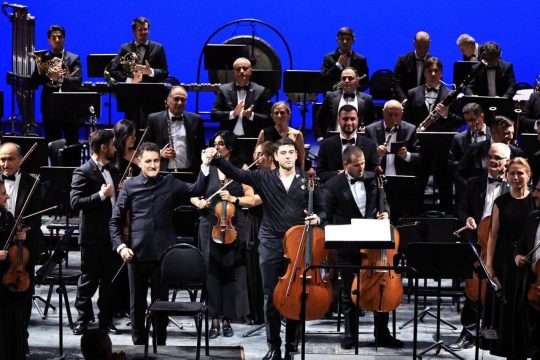
Armenian Culture Days in Georgia: Gala Concert of the Armenian National Philharmonic Orchestra in Tbilisi
1in.am / 3 hours ago

Illegal fish farm discovered in Sipanik
1in.am / 3 hours ago
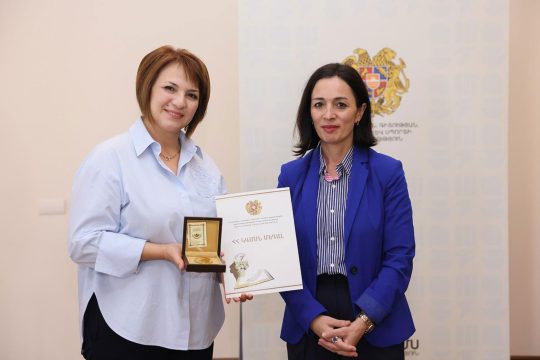
On the occasion of Librarian's Day, the RA Minister of Education, Science and Technology awarded a group of representatives of the field
1in.am / 3 hours ago
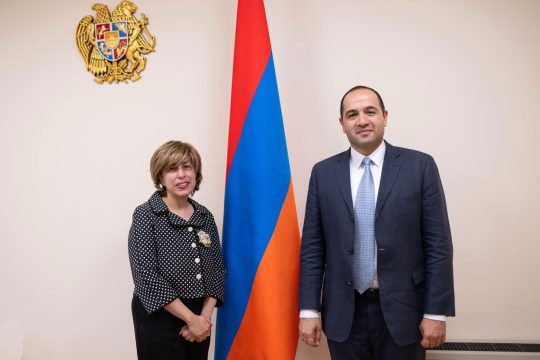
Davit Tadevosyan and the Egyptian Ambassador discussed the prospects for cooperation in the fields of artificial intelligence, information technologies and military industry.
1in.am / 3 hours ago
Related coverage

"Strong Armenia" MPs to meet with parents of missing and deceased servicemen
Aravot / 1 hour ago
Trump says media took his comments about attacks on Los Angeles and San Diego out of context
168 Jham / 2 hours ago

The full implementation of the electronic customs data exchange system was discussed in Armenia and Iran
168 Jham / 2 hours ago
A person doesn't understand the differences between Tata, Gutani, Gagik Ginosyan, and Mro. How can he tell the difference when he is illiterate and "has been in the same class for seven years?"
168 Jham / 2 hours ago