Showing in English.
5 full-article translations/day — headlines & summaries always free. Create free account for 25/day
For the Pashinyan regime, strengthening the diaspora means weakening Armenia.
Para el régimen de Pashinyan, fortalecer a la diáspora significa debilitar a Armenia
From the rostrum of the Armenian Parliament, Arman Yeghoyan, a member of the Civil Contract party (Nikol Pashinyan's political force), asked who Aram Hamparian (director of the Armenian Cause office in Washington) and Kaspar Karampetian (director [...]) were.
Desde la tribuna del Parlamento armenio, Arman Yeghoyan, miembro del partido Contrato Civil (fuerza política de Nikol Pashinyan), preguntó quiénes eran Aram Hamparian (director de la oficina de Causa Armenia en Washington), Kaspar Karampetian (director [...]
Read more >>
Leer más >>

From the rostrum of the Armenian Parliament, Arman Yeghoyan, a member of the Civil Contract Party (Nikol Pashinyan's political force), asked who Aram Hamparian (director of the Armenian Cause office in Washington), Kaspar Karampetian (director of the Armenian Cause office in Brussels), and Mourad Papazian (co-chair of the CCAF and member of the ARF Bureau) were, and on whose behalf they spoke.
Desde la tribuna del Parlamento armenio, Arman Yeghoyan, miembro del partido Contrato Civil (fuerza política de Nikol Pashinyan), preguntó quiénes eran Aram Hamparian (director de la oficina de Causa Armenia en Washington), Kaspar Karampetian (director de la oficina de Causa Armenia en Bruselas) y Mourad Papazian (copresidente del CCAF y miembro del Buró de la FRA), y en nombre de cuántas personas hablaban.
During his speech, the aforementioned deputy specifically attempted to devalue the diaspora, underestimate its usefulness, and ultimately defend the absurd thesis that a stronger diaspora implies a weaker Armenia. Our personal bias is not the main issue here. The real problem lies in his perception of the Armenian nation, its history, and its future. We have never claimed to speak for all Armenians.
Durante su discurso, el mencionado diputado intentó específicamente devaluar la diáspora, subestimar su utilidad y, en última instancia, defender la absurda tesis de que una diáspora más fuerte implica una Armenia más débil. Nuestro factor personal no es el problema principal aquí. El verdadero problema radica en su percepción de la nación armenia, su historia y su futuro. Jamás hemos pretendido hablar en nombre de todos los armenios.
We speak on behalf of our convictions, the responsibility entrusted to us, and decades of public service dedicated to Armenia, Artsakh, and the Armenian Cause. Legitimacy is not limited to an electoral mandate; it also stems from service, perseverance, the capacity for unity, and the results achieved. The government is temporary, the state is permanent. And the Armenian nation is even more inclusive.
Hablamos en nombre de nuestras convicciones, la responsabilidad que se nos ha confiado y décadas de actividad pública dedicadas al servicio de Armenia, Artsaj y la Causa Armenia. La legitimidad no se limita a un mandato electoral; también emana del servicio, la constancia, la capacidad de unidad y los resultados obtenidos. El gobierno es temporal, el Estado es permanente. Y la nación armenia es aún más inclusiva.
A Century of Resistance and Reconstruction
Un siglo de resistencia y reconstrucción
The modern Armenian diaspora did not arise out of convenience. It is, to a large extent, a consequence of the genocide, exile, deportations, and annihilation of Armenian communities in the Ottoman Empire. After 1915, the survivors, stripped of their lands, property, and often their families, rebuilt a collective life in Lebanon, Syria, France, the United States, Canada, Argentina, Uruguay, Greece, Cyprus, Iran, Egypt, Australia, and dozens of other countries. They built churches, schools, cultural and youth centers; they founded newspapers and social and charitable institutions. They transmitted the Armenian language, especially Western Armenian, now endangered, our faith, culture, memory, and the awareness of belonging to a single nation.
La diáspora armenia moderna no surgió por conveniencia. Es, en gran medida, consecuencia del genocidio, el exilio, las deportaciones y la aniquilación de las comunidades armenias en el Imperio Otomano. Tras 1915, los supervivientes, despojados de sus tierras, propiedades y, a menudo, de sus familias, reconstruyeron una vida colectiva en Líbano, Siria, Francia, Estados Unidos, Canadá, Argentina, Uruguay, Grecia, Chipre, Irán, Egipto, Australia y decenas de otros países. Construyeron iglesias, escuelas, centros culturales y juveniles; fundaron periódicos e instituciones sociales y benéficas. Transmitieron la lengua armenia, especialmente el armenio occidental, ahora en peligro de extinción, nuestra fe, cultura, memoria y la conciencia de pertenecer a una misma nación.
The Armenian Apostolic, Armenian Catholic, and Armenian Evangelical Churches, the Holy See of Etchmiadzin and the Catholicosate of the Great House of Cilicia, the Armenian General Benevolent Union, the Armenian Revolutionary Federation, Hamazkain, Homenetmen, HOM, as well as thousands of educational, cultural, sporting, and charitable organizations, prevented the diaspora from dying out. These structures are not perfect. No human institution is. However, to deny their historical role is to erase an entire century of cultural and national resistance. Without them, much of the diaspora would have dissolved into assimilation. Without them, millions of descendants of the survivors would have preserved neither the language, nor the memory, nor a living connection with Armenia.
Las Iglesias Apostólica Armenia, Católica Armenia y Evangélica Armenia, la Santa Sede de Etchmiadzín y el Catholicosado de la Gran Casa de Cilicia, la Unión General Armenia de Beneficencia, la Federación Revolucionaria Armenia, Hamazkaín, Homenetmen, HOM, así como miles de organizaciones educativas, culturales, deportivas y benéficas, impidieron que la diáspora se extinguiera. Estas estructuras no son perfectas. Ninguna institución humana lo es. Sin embargo, negar su papel histórico equivale a borrar un siglo entero de resistencia cultural y nacional. Sin ellas, gran parte de la diáspora se habría disuelto en la asimilación. Sin ellas, millones de descendientes de los supervivientes no habrían conservado ni el idioma, ni la memoria, ni una conexión viva con Armenia.
Armenia’s Unofficial Diplomacy
Diplomacia no oficial de armenia
During the Soviet era, the Armenian Soviet Socialist Republic lacked a sovereign diplomacy capable of freely protecting the national rights of the Armenian people. Under these conditions, the Armenian Revolutionary Federation and the global network of Armenian Cause offices assumed the role of de facto unofficial diplomacy. In Washington, Paris, Brussels, Ottawa, London, Buenos Aires, Beirut, Tehran, and many other capitals, they kept the memory of the Armenian Genocide, the rights of the Armenian people, and Armenia’s very existence alive on the international political and public agenda.
Durante la época soviética, la República Socialista Soviética de Armenia carecía de una diplomacia soberana capaz de proteger libremente los derechos nacionales del pueblo armenio. En estas condiciones, la Federación Revolucionaria Armenia y la red mundial de oficinas de Causa Armenia asumieron el papel de diplomacia real no oficial. En Washington, París, Bruselas, Ottawa, Londres, Buenos Aires, Beirut, Teherán y muchas otras capitales, mantuvieron viva la memoria del Genocidio Armenio, los derechos del pueblo armenio y la propia existencia de Armenia en la agenda política y pública internacional.
After the declaration of independence in 1991, this work did not cease. It served the Republic of Armenia, its security, development, and international reputation. The diaspora mobilized after the 1988 earthquake, during the years of the blockade, and throughout the difficult period of war in defense of Artsakh, in support of refugees, in funding humanitarian programs, in attracting investment, and in opening the doors of foreign political institutions to Armenian representatives. Opposing any government policy in Armenia has never meant opposing the Armenian state. Sometimes, opposing one's own government is the best way to serve the state in the long term.
Tras la declaración de independencia en 1991, esta labor no cesó. Sirvió a la República de Armenia, a su seguridad, desarrollo y reputación internacional. La diáspora se movilizó tras el terremoto de 1988, durante los años del bloqueo y durante el difícil período de guerra en defensa de Artsaj, en apoyo a los refugiados, en financiación de programas humanitarios, en atracción de inversiones y en la apertura de las puertas de las instituciones políticas extranjeras a los representantes de Armenia. Oponerse a cualquier política gubernamental en Armenia nunca ha significado oponerse al Estado armenio. A veces, oponerse al propio gobierno es la mejor manera de servir al Estado a largo plazo.
Undisputed International Results
Resultados internacionales indiscutibles
International recognition of the Armenian Genocide did not arise organically; it is the result of decades of work by survivors, their descendants, historians, churches, and diaspora organizations, among which the Armenian Cause offices played a crucial role. According to international data available up to 2026, in addition to Armenia, the Armenian Genocide has been recognized in various legal forms—through legislation, parliamentary resolutions, or government decisions—by thirty-three states: Argentina, Austria, Belgium, Bolivia, Brazil, Canada, Chile, Cyprus, Czech Republic, Denmark, France, Germany, Greece, Israel, Italy, Latvia, Lebanon, Lithuania, Luxembourg, Mexico, Netherlands, Paraguay, Poland, Portugal, Russia, Slovakia, Sweden, Switzerland, Syria, the Holy See, Venezuela, the United States, and Uruguay.
El reconocimiento internacional del Genocidio Armenio no surgió de forma natural; es el resultado de décadas de trabajo de supervivientes, sus descendientes, historiadores, iglesias y organizaciones de la diáspora, entre las que las oficinas de Causa Armenia desempeñaron un papel crucial. Según datos internacionales disponibles hasta 2026, además de Armenia, el reconocimiento del Genocidio Armenio en diversas formas jurídicas, mediante ley, resolución parlamentaria o decisión gubernamental, ha sido registrado por treinta y tres Estados: Argentina, Austria, Bélgica, Bolivia, Brasil, Canadá, Chile, Chipre, República Checa, Dinamarca, Francia, Alemania, Grecia, Israel, Italia, Letonia, Líbano, Lituania, Luxemburgo, México, Países Bajos, Paraguay, Polonia, Portugal, Rusia, Eslovaquia, Suecia, Suiza, Siria, la Santa Sede, Venezuela, Estados Unidos y Uruguay.
At the international level, official documents, reports, and declarations have been adopted, particularly by the European Parliament, the United Nations Sub-Commission on Prevention of Discrimination and Protection of Minorities, the United Nations War Crimes Commission, the Parliamentary Assembly of the Council of Europe, the International Organization of the Francophonie, the World Council of Churches, the Mercosur Parliament, the Permanent Peoples' Tribunal, and the International Genocide Studies Association. In addition to these efforts, there is the work of the International Center for Transitional Justice, the Elie Wiesel Foundation, the Human Rights League, the Union of American Jewish Communities, the Turkish Human Rights Association, the Kurdish Parliament in Exile, and other internationally recognized scientific and moral institutions. This is what an organized diaspora offers: it transforms a memory in danger of being erased into an internationally recognized truth.
A nivel internacional, se han adoptado documentos, informes y declaraciones oficiales, en particular por parte del Parlamento Europeo, la Subcomisión de las Naciones Unidas para la Prevención de la Discriminación y la Protección de las Minorías, la Comisión de Crímenes de Guerra de las Naciones Unidas, la Asamblea Parlamentaria del Consejo de Europa, la Organización Internacional de la Francofonía, el Consejo Mundial de Iglesias, el Parlamento del Mercosur, el Tribunal Permanente de los Pueblos y la Asociación Internacional de Estudios sobre el Genocidio. A estos se suma la labor del Centro Internacional para la Justicia Transicional, la Fundación Elie Wiesel, la Liga de Derechos Humanos, la Unión de Comunidades Judías Americanas, la Asociación Turca de Derechos Humanos, el Parlamento Kurdo en el Exilio y otras instituciones científicas y morales de reconocido prestigio internacional. Esto es lo que ofrece una diáspora organizada: transforma una memoria en peligro de ser borrada en una verdad reconocida internacionalmente.
Turkey and the European Union
Turquía y la Unión Europea
We have also fought against Turkey's accession to the European Union as long as Ankara continued to deny the Armenian Genocide, blockade Armenia, occupy Cyprus, and violate the fundamental principles of the European project. This struggle was not directed against the Turkish people, but rather to defend the credibility of Europe and the values of truth, justice, democracy, and respect for peoples.
También hemos luchado contra la adhesión de Turquía a la Unión Europea mientras Ankara continuara negando el Genocidio Armenio, bloqueando Armenia, ocupando Chipre y violando los principios fundamentales del proyecto europeo. Esta lucha no iba dirigida contra el pueblo turco, sino para defender la credibilidad de Europa y los valores de la verdad, la justicia, la democracia y el respeto a los pueblos.
In 2005, the European Parliament itself established that recognition of the Armenian Genocide should be a prerequisite for Türkiye's accession. This stance would never have been adopted without years of tireless work by Armenian organizations in Europe.
En 2005, el propio Parlamento Europeo estableció que el reconocimiento del Genocidio Armenio debía ser un requisito previo para la adhesión de Turquía. Esta postura jamás se habría adoptado sin años de trabajo constante por parte de las organizaciones armenias en Europa.
Friendship between France and Armenia
Amistad entre Francia y Armenia
In France, the exceptional ties that bind our two countries are not merely the result of diplomatic declarations. They have been forged over decades by the Armenian community, its organizations and activists, in collaboration with French leaders of all political persuasions.
En Francia, los excepcionales lazos que unen a nuestros dos países no son solo el resultado de declaraciones diplomáticas. Han sido forjados a lo largo de décadas por la comunidad armenia, sus estructuras y activistas, en colaboración con líderes franceses de todas las tendencias políticas.
The French law of January 29, 2001, which publicly recognizes the Armenian Genocide, the parliamentary resolutions adopted in support of Armenia and Artsakh, the sister city agreements, decentralized cooperation, the designation of April 24 as the National Day of Commemoration of the Armenian Genocide in the official calendar of the French Republic, and the ongoing mobilization of French elected officials are all the result of this work.
La ley francesa del 29 de enero de 2001, que reconoce públicamente el Genocidio Armenio, las resoluciones parlamentarias adoptadas a favor de Armenia y Artsaj, los lazos de ciudades hermanas, la cooperación descentralizada, la consagración del 24 de abril como Día Nacional de Conmemoración del Genocidio Armenio en el calendario oficial de la República Francesa y la movilización permanente de los cargos electos franceses son el resultado de ese trabajo.
I have been actively involved in this struggle, often on the front lines. Along with many others, I have contributed to making Franco-Armenian friendship a political and strategic reality. We have opened doors in Paris, in the National Assembly, the Senate, the European Parliament, and within the teams of various Presidents of the French Republic. But we must acknowledge the work of thousands of activists who have worked for decades: this is not a personal achievement.
He participado activamente en esta lucha, a menudo en primera línea. Junto con muchos otros, he contribuido a que la amistad franco-armenia se convierta en una realidad política y estratégica. Hemos abierto puertas en París, en la Asamblea Nacional, en el Senado, en el Parlamento Europeo y en los equipos de diversos presidentes de la República Francesa. Pero debemos reconocer el trabajo de miles de activistas que han trabajado durante décadas: este no es un logro personal.
My Extradition and My Legal Victory
Mi extracción y mi victoria legal
Precisely because I participated in this struggle and refused to remain silent in the face of Nikol Pashinyan's policies, on the night of July 13-14, 2022, the Armenian authorities barred me from entering my own country and expelled me from Zvartnots Airport. My alleged participation in the demonstration against Nikol Pashinyan in Paris on June 1, 2021, was used as a pretext.
Precisamente por haber participado en esta lucha y negarme a guardar silencio ante las políticas de Nikol Pashinyan, la noche del 13 al 14 de julio de 2022, las autoridades armenias me prohibieron la entrada a mi propio país y me expulsaron del aeropuerto de Zvartnots. Mi supuesta participación en la manifestación contra Nikol Pashinyan en París el 1º de junio de 2021 se utilizó como pretexto.
During the legal proceedings, the Armenian National Security Service did not even present this pretext to the court; No legal argument was presented to justify the measure applied to me. After an eighteen-month legal battle, in January 2024, the Yerevan Administrative Court ruled in my favor and ordered my removal from the list of undesirable foreigners. This victory demonstrated that no government can arbitrarily decide that an active Armenian who causes inconvenience to its authorities can be considered undesirable in their homeland.
Durante el proceso judicial, el Servicio de Seguridad Nacional de Armenia ni siquiera presentó ese pretexto ante el tribunal; no se presentó ningún argumento ante la justicia para justificar la medida que se me aplicó. Tras una batalla legal de dieciocho meses, en enero de 2024, el Tribunal Administrativo de Ereván falló a mi favor y ordenó mi eliminación de la lista de extranjeros indeseables. Esta victoria demostró que ningún gobierno puede decidir arbitrariamente que un armenio activo que cause inconvenientes a sus autoridades pueda ser considerado indeseable en su patria.
A free diaspora will never be an administrative appendage of the government.
Una diáspora libre nunca será un apéndice administrativo del gobierno
The government of Nikol Pashinyan is currently attempting to circumvent the historical structures of the Diaspora and replace them with interlocutors and "commissioners" of its choosing. The Armenian state, of course, has the right to organize its relations with the diaspora, but it does not have the right to decide who represents free citizens living in democratic countries.
El gobierno de Nikol Pashinyan intenta hoy eludir las estructuras históricas de la Diáspora y sustituirlas por interlocutores y "comisionados" de su elección. El Estado armenio, por supuesto, tiene derecho a organizar sus relaciones con la diáspora, pero no tiene derecho a decidir quién representa a los ciudadanos libres que viven en países democráticos.
The diaspora is neither Nikol Pashinyan's electorate nor an administrative appendage of the government in Yerevan. They do not engage in dialogue with the diaspora, choosing only those who approve of the government and expelling those who criticize it. That is not dialogue; it is an attempt at subjugation. That attempt will fail. The main institutions of the diaspora existed before the current government and will continue to exist afterward. Their legitimacy comes from their history, their members, and their activities, not from the approval of any cabinet.
La diáspora no es ni el electorado de Nikol Pashinyan ni un apéndice administrativo del gobierno de Ereván. No dialogan con la diáspora, eligiendo únicamente a quienes aprueban al gobierno y expulsando a quienes lo critican. Eso no es diálogo, es un intento de subyugación. Ese intento fracasará. Las principales instituciones de la diáspora existían antes del gobierno actual y seguirán existiendo después. Su legitimidad proviene de su historia, sus miembros y sus actividades, no de la aprobación de ningún gabinete.
Coordination with the objectives of Ankara and Baku
Coordinación con los objetivos de Ankara y Bakú
Ilham Aliyev has publicly described the global Armenian lobby as Azerbaijan's main enemy. For his part, Recep Tayyip Erdoğan has accused the Armenian diaspora in France and the United States of hindering his vision of normalizing relations and urged the Armenian government to neutralize its influence.
Ilham Aliyev ha calificado públicamente al lobby armenio mundial como el principal enemigo de Azerbaiyán. Por su parte, Recep Tayyip Erdogan ha acusado a la diáspora armenia en Francia y Estados Unidos de obstaculizar su visión de normalizar las relaciones, e instó al gobierno armenio a neutralizar su influencia.
When Armenian authorities attack historical diaspora organizations, attempt to delegitimize figures of the Armenian Cause, and replace pluralism with submission, they are objectively implementing what Ankara and Baku have desired for decades. There's no need to imagine a secret chain of command to see this convergence: the political outcome is plain to see. The attempt to weaken the memory of the Genocide, the rights of Artsakh, and the structures that protect Armenia's interests directly serves the strategies of Erdoğan and Aliyev.
Cuando las autoridades armenias atacan a las organizaciones históricas de la diáspora, intentan deslegitimar a las figuras de Causa Armenia y sustituir el pluralismo por la sumisión, están implementando objetivamente lo que Ankara y Bakú han deseado durante décadas. No hace falta imaginar una cadena de mando secreta para constatar esta coincidencia: el resultado político está a la vista. El intento de debilitar la memoria del Genocidio, los derechos de Artsaj y las estructuras que protegen los intereses de Armenia sirve directamente a las estrategias de Erdogan y Aliyev.
The pan-Turkic project doesn't fear a silent, divided, and disorganized diaspora; it fears a conscious, organized, influential diaspora capable of operating in major democratic countries.
El proyecto panturco no teme a una diáspora silenciosa, dividida y desorganizada: teme a una diáspora consciente, organizada, influyente y capaz de operar en los principales países democráticos.
A strong diaspora isn't built by emptying Armenia.
Una diáspora fuerte no se construye vaciando Armenia
The logic of the Pashinyan regime is based on a fundamental error: it confuses demographic power with political power. The diaspora isn't strengthened simply because Armenians leave Armenia; It strengthens itself by organizing existing communities, transmitting its language to new generations, training politicians, academics, journalists, lawyers, and businesspeople, creating networks of experts, and consolidating its economic and diplomatic potential. None of these actions displaces a single resident of Armenia.
La lógica del régimen de Pashinyan se basa en un error fundamental: confunde el poder demográfico con el poder político. La diáspora no se fortalece simplemente porque los armenios abandonen Armenia; se fortalece cuando organiza las comunidades existentes, transmite su idioma a las nuevas generaciones, forma a políticos, académicos, periodistas, abogados y empresarios, crea redes de expertos y consolida su potencial económico y diplomático. Ninguna de estas acciones expulsa a un solo residente de Armenia.
We can simultaneously desire more Armenians living in Armenia, greater repatriation, and a better-organized and more influential diaspora. These goals are not contradictory; they are complementary. Armenia and the diaspora are not two interconnected vessels, one of which must be emptied for the other to be filled; they are two dimensions of the same nation.
Podemos desear simultáneamente que más armenios vivan en Armenia, que haya más repatriación y que la diáspora se organice mejor y tenga mayor influencia. Estos objetivos no son contradictorios: son complementarios. Armenia y la diáspora no son dos recipientes que se comunican entre sí, uno de los cuales debe vaciarse para que el otro se llene: son dos dimensiones de la misma nación.
Armenia is the sovereign state of its citizens, but it is also the homeland of the entire Armenian nation.
Armenia es el estado soberano de sus ciudadanos, pero también es la patria de toda la nación armenia.
We will not forget Artsakh or the hostages of Baku
No olvidaremos ni a Artsaj ni a los rehenes de Bakú
This nation will never forget Artsakh, the 120,000 Armenians forcibly displaced in 2023, their right to live safely in their own land, or the Armenian cultural and religious heritage now in danger. Nor will it forget the former leaders of Artsakh, the military personnel, civilians, and other Armenian prisoners still held in Baku's jails.
Esta nación jamás olvidará Artsaj, a los 120.000 armenios desplazados forzosamente en 2023, su derecho a vivir con seguridad en su propia tierra, así como el patrimonio cultural y religioso armenio que ahora se encuentra en peligro. Tampoco olvidará a los antiguos líderes de Artsaj, a los militares, civiles y demás prisioneros armenios que aún permanecen retenidos en las cárceles de Bakú.
Their immediate and unconditional release must be the central, public, and non-negotiable demand of any dialogue with Azerbaijan. It is unacceptable that Nikol Pashinyan's government does not place this issue at the heart of the negotiations. A peace based on abandoning the captives, the disappearance of Artsakh, and the silencing of the diaspora will be neither just nor sustainable.
Su liberación inmediata e incondicional debe ser la exigencia central, pública e innegociable de cualquier diálogo con Azerbaiyán. Es inaceptable que el gobierno de Nikol Pashinyan no sitúe este tema en el centro de las negociaciones. Una paz basada en el abandono de los cautivos, la desaparición de Artsaj y el silenciamiento de la diáspora no será ni justa ni sostenible.
Governments come and go, the Nation remains.
Los gobiernos van y vienen, la Nación permanece
Mr. Yeghoyan, your mandate and that of your colleagues is temporary; The Armenian nation is permanent. You ask: Who is Mourad Papazian?
Señor Yeghoyan, su mandato y el de sus colegas es temporal; la nación armenia es permanente. Usted pregunta: ¿quién es Mourad Papazian?
I am one of millions of Armenians, heir to a history that no one can erase, and I serve a homeland that no one can take from me.
Soy uno de los millones de armenios, heredero de una historia que nadie puede borrar, y sirvo a una patria que nadie me puede arrebatar.
I do not ask permission from Nikol Pashinyan's government to be Armenian, much less to defend Armenia, Artsakh, the Armenians imprisoned in Baku, or the historical truth of the Armenian Genocide. We will continue fighting for the independence, sovereignty, and security of the Republic of Armenia. We will continue defending the Armenian people, their heritage, and their interests in every country where we are present.
No le pido permiso al gobierno de Nikol Pashinyan para ser armenio, y mucho menos para defender a Armenia, Artsaj, a los armenios encarcelados en Bakú ni la verdad histórica del Genocidio Armenio. Seguiremos luchando por la independencia, la soberanía y la seguridad de la República de Armenia. Seguiremos defendiendo al pueblo armenio, su patrimonio y sus intereses en todos los países donde estemos presentes.
A strong diaspora does not represent a threat to Armenia. It is a strategic force, an irreplaceable diplomatic, cultural, economic, and political asset. Weakening the diaspora means weakening Armenia. Pitting them against each other is tantamount to serving the interests of those who seek to silence the Armenian nation. We will oppose this agenda with our memory, our unity, and our determination.
Una diáspora fuerte no representa una amenaza para Armenia. Es una fuerza estratégica, una baza diplomática, cultural, económica y política insustituible. Debilitar a la diáspora significa debilitar a Armenia. Enfrentarlas entre sí equivale a servir a los intereses de quienes pretenden silenciar a la nación armenia. Nos opondremos a esa agenda con nuestra memoria, nuestra unidad y nuestra determinación.
Governments come and go, but Armenia and the Armenian nation remain.
Los gobiernos van y vienen, pero Armenia y la Nación armenia permanecen.
Mourad Papazian, Member of the Bureau of the ARF-Dashnaktsutyun
Mourad PapazianMiembro del Buró de la FRA-Tashnagtsutiún
Comments
No comments yet — be the first to comment.
More from Diario Armenia

Instead of solving the problems of Artsakh residents who lost their homes, the authorities are advising them to look outside Yerevan.
Diario Armenia / 3 hours ago
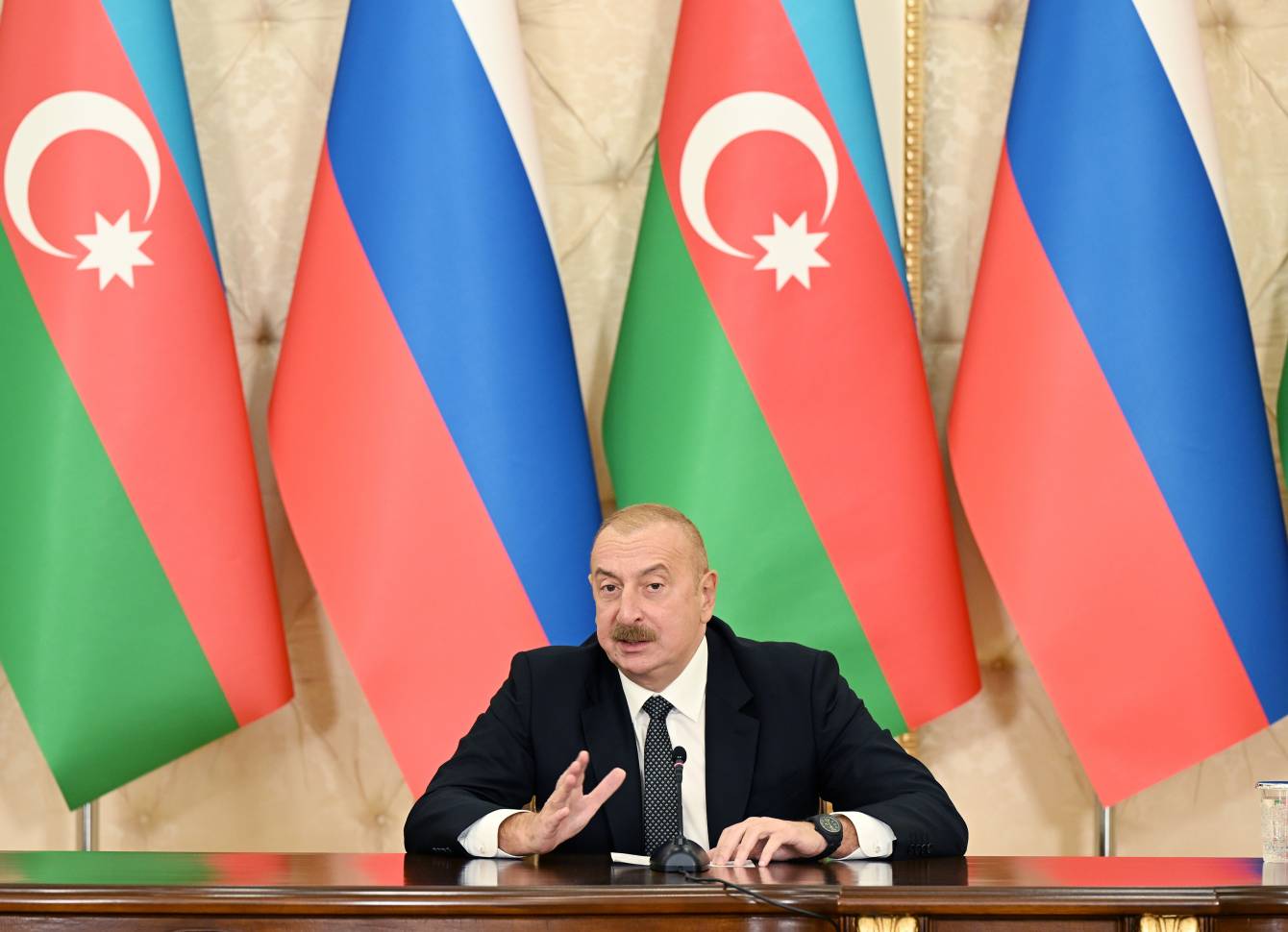
Aliyev: "Azerbaijan and Armenia have jointly nominated Trump for the Nobel Peace Prize on my initiative"
Diario Armenia / 3 hours ago
Azdak Editorial: The Translators and the Unity of State and Church
Diario Armenia / 3 hours ago

Diego Masaragian was appointed National Secretary for Disability of the Argentine government
Diario Armenia / 4 hours ago
Related coverage
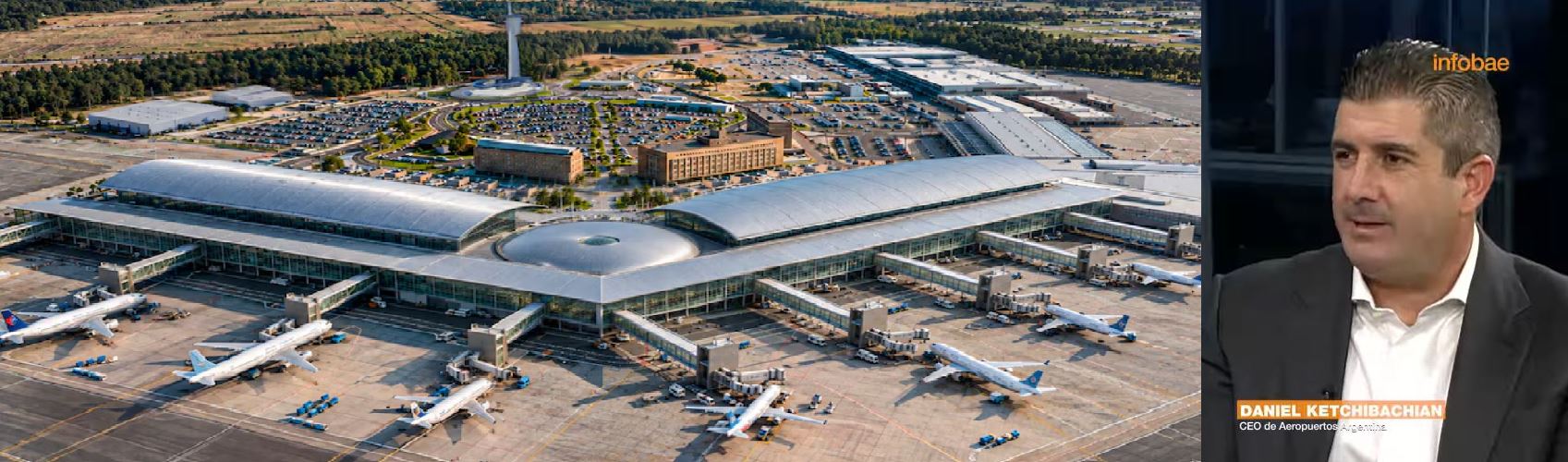
VIDEO: INTERVIEW WITH DANIEL KETCHIBACHIAN, CEO OF AEROPUERTOS ARGENTINA – “IT WILL ALL BE BIOMETRIC” – MAJOR INVESTMENT FOR EXPANSIONS AT EZEIZA AND AEROPARQUE – INFOBAE.
Guía Armenia Menc / Oct 12
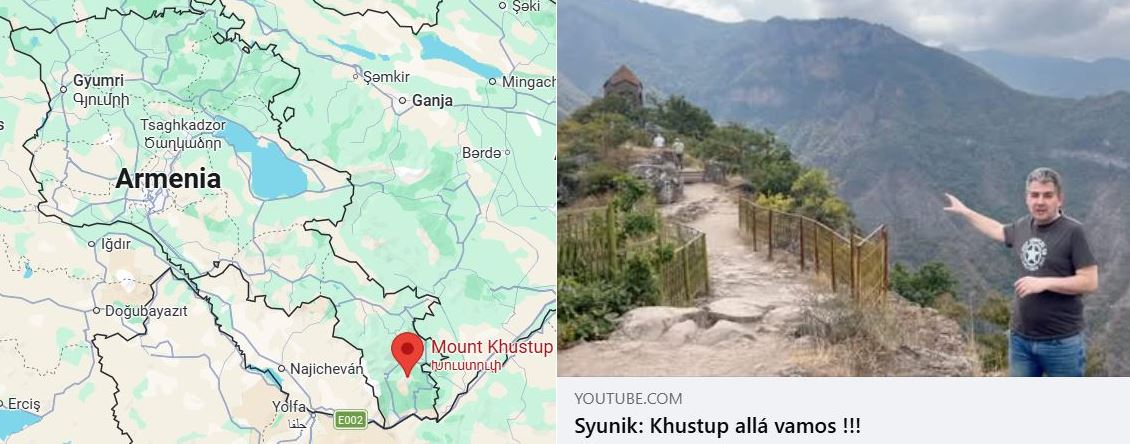
VIDEO: TRIP TO KHUSTUP, SYUNIK – «DISCOVER ARMENIA», BY LEO MOUMDJIAN.
Guía Armenia Menc / Oct 10

OCTOBER 11, 3 PM IN BERISSO: ARMENIA IN CLOSING PARADE OF THE PROVINCIAL IMMIGRANT FESTIVAL.
Guía Armenia Menc / Oct 10

ON THE ROAD TO 20 YEARS: ARMENIAN GUIDE MENC CELEBRATES ITS 19TH ANNIVERSARY TODAY.
Guía Armenia Menc / Oct 8