Showing in English.
5 full-article translations/day — headlines & summaries always free. Create free account for 25/day
The new frontier of sovereignty
Ինքնիշխանության նոր սահմանը
One of the most political parts of Pashinyan’s UN speech concerned the June 7 elections.
Փաշինյանի ՄԱԿ-ի ելույթի ամենաքաղաքական հատվածներից մեկը վերաբերում էր հունիսի 7-ի ընտրություններին։
The Prime Minister presented them as a result of external interference and internal…
Վարչապետը դրանք ներկայացրեց որպես արտաքին միջամտության և ներքին …
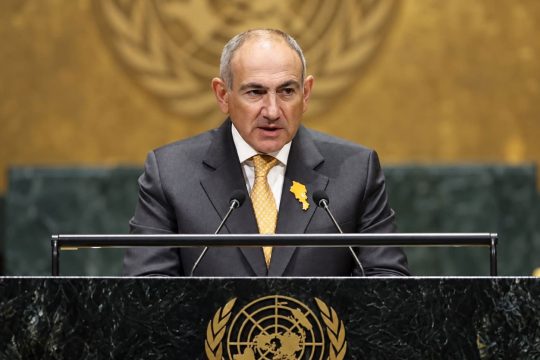
One of the most political parts of Pashinyan’s UN speech concerned the June 7 elections. The Prime Minister presented them as a test of external interference and internal resistance, speaking of information manipulation, hybrid influence, electoral bribery, and a program of “state capture.” His main conclusion already concerned the state system. According to the Prime Minister, Armenia’s institutions were able to stop this pressure and preserve the free expression of the political will of citizens. With this formulation, the elections were presented as a test of the resilience of state sovereignty.
Փաշինյանի ՄԱԿ-ի ելույթի ամենաքաղաքական հատվածներից մեկը վերաբերում էր հունիսի 7-ի ընտրություններին։ Վարչապետը դրանք ներկայացրեց որպես արտաքին միջամտության և ներքին դիմակայության փորձություն՝ խոսելով տեղեկատվական մանիպուլյացիայի, հիբրիդային ազդեցության, ընտրակաշառքի և «պետության զավթման» ծրագրի մասին։ Նրա հիմնական եզրահանգումը վերաբերում էր արդեն պետական համակարգին․ Հայաստանի ինստիտուտները, ըստ վարչապետի, կարողացել են կասեցնել այդ ճնշումը և պահպանել քաղաքացիների քաղաքական կամքի ազատ արտահայտումը։ Այս ձևակերպմամբ ընտրությունները ներկայացվեցին որպես պետական ինքնիշխանության դիմակայունության փորձություն։
From the UN podium, this vocabulary already takes on the weight of a statement about state sovereignty. The formulation of “state capture” moves the electoral competition to the level of national security, viewing the formation of political will as a state territory subject to protection. According to this logic, external interference is already a form of pressure directed against sovereignty, regardless of whether it crosses state borders or penetrates the environment of political decision-making. For this reason, the ballot box becomes one of the practical boundaries of sovereignty here.
ՄԱԿ-ի ամբիոնից այս բառապաշարը ստանում է արդեն պետական ինքնիշխանության մասին հայտարարության կշիռ։ «Պետության զավթում» ձևակերպումը ընտրական մրցակցությունը տեղափոխում է ազգային անվտանգության հարթություն՝ քաղաքական կամքի ձևավորումը դիտարկելով որպես պաշտպանության ենթակա պետական տարածք։ Այս տրամաբանությամբ արտաքին միջամտությունն արդեն ինքնիշխանության դեմ ուղղված ճնշման ձև է՝ անկախ նրանից, անցնում է այն պետական սահմանով, թե ներթափանցում քաղաքական որոշումների ձևավորման միջավայր։ Այդ պատճառով քվեատուփը այստեղ դառնում է ինքնիշխանության գործնական սահմաններից մեկը։
Pashinyan did not mention Russia by name, but the statement was made three months after the elections, in an environment where international actors had already spoken about pressure, trade restrictions, and security threats against Armenia, and in Russian official and state discourse, Armenia’s election was often linked to the prospect of membership in the European Union. In that context, the formulation of “state capture” was difficult to perceive as an abstract warning; it had a clear geopolitical connotation and would inevitably be perceived in Moscow as a political signal.
Փաշինյանը Ռուսաստանին անունով չնշեց, սակայն հայտարարությունը հնչեց ընտրություններից երեք ամիս անց՝ մի միջավայրում, որտեղ միջազգային դերակատարներն արդեն խոսել էին Հայաստանի դեմ ճնշումների, առևտրային սահմանափակումների և անվտանգային սպառնալիքների մասին, իսկ ռուսական պաշտոնական ու մերձպետական խոսույթում Հայաստանի ընտրությունը հաճախ կապվում էր եվրոպական միության անդամակցության հեռանկարի հետ։ Այդ համատեքստում «պետության զավթման» ձևակերպումը դժվար էր ընկալել որպես վերացական զգուշացում՝ այն ուներ հստակ աշխարհաքաղաքական ենթատեքստ և Մոսկվայում անխուսափելիորեն ընկալվելու էր նաև որպես քաղաքական ազդակ։
Here, the Armenian perception of sovereignty itself is being reformulated. In the 1990s, sovereignty was primarily the protection of territory and state borders in conditions of external dependence on war and security. Today, sovereignty is not measured only by borders. The state must also protect the entire environment for the formation of political decisions: elections, the information field, channels of financial influence, and the free expression of citizens’ will. In this sense, sovereignty is no longer just a question of borders. It is also the ability of a state to shape its own political will without external dictates.
Այստեղ վերաձևակերպվում է հենց ինքնիշխանության հայկական ընկալումը։ 1990-ականներին ինքնիշխանությունը նախևառաջ տարածքի և պետական սահմանների պաշտպանություն էր՝ պատերազմի և անվտանգության արտաքին կախվածության պայմաններում։ Այսօր ինքնիշխանությունը միայն սահմանով չի չափվում։ Պետությունը պետք է պաշտպանի նաև քաղաքական որոշումների ձևավորման ամբողջ միջավայրը՝ ընտրությունները, տեղեկատվական դաշտը, ֆինանսական ազդեցության ուղիները և քաղաքացիների ազատ կամարտահայտությունը։ Այս իմաստով ինքնիշխանությունն այլևս միայն սահմանների հարց չէ։ Այն նաև պետության կարողությունն է՝ սեփական քաղաքական կամքը ձևավորել առանց արտաքին թելադրանքի։
Modern intervention often operates without crossing borders. It can be transmitted through information flows, economic pressure, financial dependencies, trade restrictions, or security threats. The vulnerability of small states today lies largely in these invisible dimensions. The border with the enemy is guarded by the soldier, while political sovereignty is guarded by institutions, the rule of law, transparent financing, a free information environment, and a reliable electoral system.
Ժամանակակից միջամտությունը հաճախ գործում է առանց սահման հատելու։ Այն կարող է փոխանցվել տեղեկատվական հոսքերով, տնտեսական ճնշումներ բանեցնելով, ֆինանսական կախվածություններով, առևտրային սահմանափակումներով կամ անվտանգային սպառնալիքներով։ Փոքր պետությունների խոցելիությունն այսօր մեծապես հենց այս անտեսանելի հարթություններում է։ Հակառակորդի հետ սահմանը պահոում է զինվորը, իսկ քաղաքական ինքնիշխանությունը՝ ինստիտուտները, օրենքի գերակայությունը, թափանցիկ ֆինանսավորումը, ազատ տեղեկատվական միջավայրը և վստահելի ընտրական համակարգը։
The June 7 elections therefore became a test not only of internal political struggle, but also of Armenia’s sovereignty and resistance to external influences. According to OSCE observers, the elections were competitive and generally well-organized, but the process was accompanied by manifestations of external pressure and a number of serious concerns. It is important to maintain this dual picture in its entirety. Resisting external interference is only one aspect of state stability. It is equally important that this resistance be accompanied by the same demands on the internal system: on issues of electoral fairness, neutrality of law enforcement, financial transparency, and protection of political competition. State resistance implies that sovereignty is also protected with equally high standards for its own institutions.
Հունիսի 7-ի ընտրություններն այս պատճառով դարձան ոչ միայն ներքաղաքական պայքարի, այլ նաև Հայաստանի ինքնիշխանության և արտաքին ազդեցությունների դիմակայության փորձություն։ ԵԱՀԿ դիտորդների գնահատմամբ՝ ընտրությունները մրցակցային էին և ընդհանուր առմամբ լավ կազմակերպված, սակայն գործընթացը ուղեկցվել է արտաքին ճնշման դրսևորումներով և մի շարք լուրջ մտահոգություններով։ Այս երկակի պատկերը կարևոր է պահել ամբողջությամբ։ Արտաքին միջամտությանը դիմակայելը պետական կայունության միայն մի կողմն է։ Նույնքան կարևոր է, որ այդ դիմակայությունը ուղեկցվի ներքին համակարգի նկատմամբ նույն պահանջկոտությամբ՝ ընտրական արդարության, իրավապահների չեզոքության, ֆինանսական թափանցիկության և քաղաքական մրցակցության պաշտպանության հարցերում։ Պետական դիմակայունությունը ենթադրում է, որ ինքնիշխանությունը պաշտպանվում է նաև սեփական ինստիտուտների նկատմամբ նույնքան բարձր չափանիշներով։
Here, the formulation of “state seizure” also acquires an internal constitutional meaning. Resisting external interference is a defense of sovereignty only when that struggle remains within legal boundaries and applies the same demands to the country’s internal political processes. Otherwise, the language of national security can easily serve to justify internal political restrictions. The resistance of a democratic state is measured by two abilities: to restrain external influence and to maintain the boundaries of its own power.
Այստեղ «պետության զավթում» ձևակերպումը ստանում է նաև ներքին սահմանադրական իմաստ։ Արտաքին միջամտությանը դիմակայելը ինքնիշխանության պաշտպանություն է միայն այն ժամանակ, երբ այդ պայքարը մնում է իրավական սահմանների մեջ և նույն պահանջկոտությամբ է վերաբերում նաև երկրի ներքին քաղաքական գործընթացներին։ Այլապես ազգային անվտանգության լեզուն կարող է հեշտությամբ ծառայել ներքաղաքական սահմանափակումների արդարացմանը։ Ժողովրդավարական պետության դիմակայունությունը չափվում է երկու կարողությամբ՝ արտաքին ազդեցությունը զսպելու և սեփական իշխանության սահմանները պահպանելու։
In his speech to the UN, the electoral issue was combined with peace politics. Pashinyan presented the outcome of June 7 as a public validation of the peace path, thus elevating it from a diplomatic initiative to the level of a state strategy. With this logic, external interference is already directed not only against the electoral process, but also against Armenia’s established foreign policy choice. Peace here takes on a dual meaning: as a foreign policy goal and as a domestic political mandate.
ՄԱԿ-ի ելույթում ընտրական թեման միավորվեց խաղաղության քաղաքականության հետ։ Փաշինյանը հունիսի 7-ի արդյունքը ներկայացրեց որպես խաղաղության ուղեգծի հանրային վավերացում՝ այդպիսով այն բարձրացնելով դիվանագիտական նախաձեռնությունից պետական ռազմավարության մակարդակ։ Այս տրամաբանությամբ արտաքին միջամտությունը արդեն ուղղված է ոչ միայն ընտրական գործընթացի, այլև Հայաստանի հաստատված արտաքին քաղաքական ընտրության դեմ։ Խաղաղությունը այստեղ ստանում է երկակի նշանակություն՝ որպես արտաքին քաղաքական նպատակ և որպես ներքին քաղաքական մանդատ։
The foreign policy weight of this is great. Armenia is simultaneously deepening its Western ties, advancing the settlement with Turkey, building a new peace system with Azerbaijan, and reshaping relations with Russia. The stability of this entire change also depends on electoral sovereignty. If external financial, informational, or economic pressure can influence the country’s strategic choice, then the new foreign policy structure remains vulnerable. Therefore, free choice here becomes one of the main defense mechanisms not only of democracy, but also of foreign policy independence.
Սրա արտաքին քաղաքական կշիռը մեծ է։ Հայաստանը միաժամանակ խորացնում է արևմտյան կապերը, առաջ է մղում Թուրքիայի հետ կարգավորումը, խաղաղության նոր համակարգ է կառուցում Ադրբեջանի հետ և վերաձևավորում հարաբերությունները Ռուսաստանի հետ։ Այս ամբողջ փոփոխության կայունությունը կախված է նաև ընտրական ինքնիշխանությունից։ Եթե արտաքին ֆինանսական, տեղեկատվական կամ տնտեսական ճնշումը կարող է ներգործել երկրի ռազմավարական ընտրության վրա, ապա նոր արտաքին քաղաքական կառուցվածքը մնում է խոցելի։ Այդ պատճառով ազատ ընտրությունը այստեղ դառնում է ոչ միայն ժողովրդավարության, այլև արտաքին քաղաքական անկախության հիմնական պաշտպանական մեխանիզմներից մեկը։
For Moscow, there is also a clear political impulse here. For decades, Russia’s influence in Armenia has been built on an interconnected system of security, energy, economy, information field, and political ties. A deep and multi-layered relationship does not become a problem as long as it does not limit Armenia’s freedom of political choice. The axis of the discussion is the very limit of influence: how far a partner state’s economic, informational, or political presence can reach without influencing Armenia’s strategic decisions. Yerevan’s new approach tries to make that limit clearer: to maintain cooperation, but to keep the final decision-making right in Armenia’s hands.
Մոսկվայի համար այստեղ նույնպես կա հստակ քաղաքական ազդակ։ Տասնամյակներ շարունակ Ռուսաստանի ազդեցությունը Հայաստանում կառուցվել է անվտանգության, էներգետիկայի, տնտեսության, տեղեկատվական դաշտի և քաղաքական կապերի փոխկապակցված համակարգի վրա։ Խորը և բազմաշերտ հարաբերությունը խնդիր չի դառնում այնքան ժամանակ, քանի դեռ այն չի սահմանափակում Հայաստանի քաղաքական ընտրության ազատությունը։ Քննարկման առանցքը հենց ազդեցության սահմանն է՝ որքան հեռու կարող է հասնել գործընկեր պետության տնտեսական, տեղեկատվական կամ քաղաքական ներկայությունը՝ առանց ազդելու Հայաստանի ռազմավարական որոշումների վրա։ Երևանի նոր մոտեցումը փորձում է այդ սահմանը դարձնել ավելի հստակ՝ պահպանել համագործակցությունը, բայց որոշումների վերջնական իրավունքը պահել Հայաստանի ձեռքում։
This approach also places an equally high responsibility on Armenia’s Western partners. The fight against external interference is convincing only when it is accompanied by equally strict internal standards: free political competition, independent institutions, and equal legal rules. The basis of a strong state is not the concentration of power, but the existence of institutions that maintain the rule of law even at a time when it is politically inconvenient for the government.
Այս մոտեցումը նույնքան բարձր պատասխանատվություն է դնում նաև Հայաստանի արևմտյան գործընկերների վրա։ Արտաքին միջամտության դեմ պայքարը համոզիչ է միայն այն դեպքում, երբ այն ուղեկցվում է նույնքան խիստ ներքին չափանիշներով՝ ազատ քաղաքական մրցակցությամբ, անկախ ինստիտուտներով և հավասար իրավական կանոններով։ Ուժեղ պետության հիմքը իշխանության կենտրոնացումը չէ, այլ այնպիսի ինստիտուտների գոյությունը, որոնք օրենքի գերակայությունը պահպանում են նաև իշխանության համար քաղաքականապես անհարմար պահին։
The deeper meaning of Pashinyan’s UN statement is the expansion of the concept of sovereignty. State security is no longer limited to territory, borders, and the army. An important component of this is also the free formation and expression of the political will of citizens, without external pressure and interference.
Փաշինյանի ՄԱԿ-ի հայտարարության խորքային իմաստը ինքնիշխանության հասկացության ընդլայնումն է։ Պետական անվտանգությունը այլևս չի սահմանափակվում տարածքով, սահմանով և բանակով։ Դրա կարևոր բաղադրիչ է նաև քաղաքացիների քաղաքական կամքի ազատ ձևավորումն ու արտահայտումը՝ առանց արտաքին ճնշման և միջամտության։
In the twenty-first century, the independence of a small state can weaken even without territorial loss. It is enough for an external force to be able to influence its sovereign decisions.
Քսանմեկերորդ դարում փոքր պետության անկախությունը կարող է թուլանալ նաև առանց տարածքային կորստի։ Բավական է, որ արտաքին ուժը կարողանա ազդել նրա սուվերեն որոշումների վրա։
In this sense, the ballot box is gradually becoming a strategic border for Armenia, in the same logic of statehood defense as the physical border.
Այս իմաստով քվեատուփը Հայաստանի համար աստիճանաբար դառնում է ռազմավարական սահման՝ նույն պետականության պաշտպանության տրամաբանության մեջ, ինչ ֆիզիկական սահմանագիծը։
Comments
No comments yet — be the first to comment.
More from 1in.am
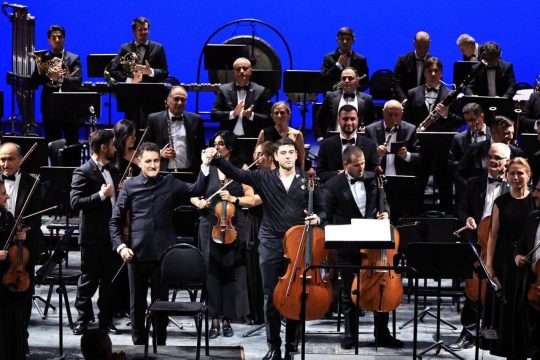
Armenian Culture Days in Georgia: Gala Concert of the Armenian National Philharmonic Orchestra in Tbilisi
1in.am / 5 hours ago

Illegal fish farm discovered in Sipanik
1in.am / 6 hours ago
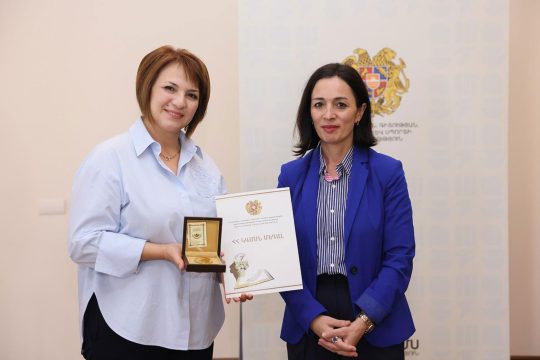
On the occasion of Librarian's Day, the RA Minister of Education, Science and Technology awarded a group of representatives of the field
1in.am / 6 hours ago
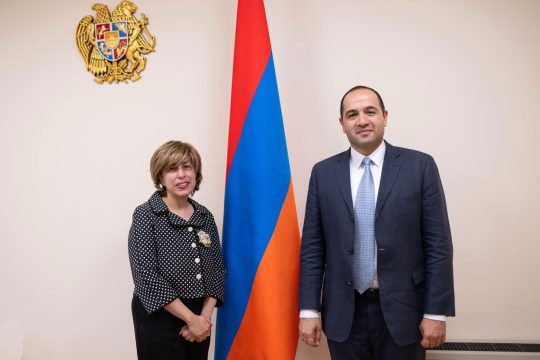
Davit Tadevosyan and the Egyptian Ambassador discussed the prospects for cooperation in the fields of artificial intelligence, information technologies and military industry.
1in.am / 6 hours ago
Related coverage

Pashinyan-Putin-Aliyev meeting in Ashgabat? The Azerbaijani would have been handed over long ago if he hadn't been shot.
Alpha News / 4 hours ago
Azerbaijan does not want balance: it wants Armenia to be constantly under threat
Noyan Tapan TV / 5 hours ago

Aliyev talks about capturing Yerevan: this is already a threat to the existence of statehood
Noyan Tapan TV / 5 hours ago
The heads of the foreign ministries of Armenia and Iran had a telephone conversation
Hetq / 6 hours ago