North Ossetia–Alania‘It is a post-apocalyptic sight’: North Ossetia to scrap cars abandoned by Russians fleeing mobilisationby Elizaveta Chukharova• 2 min readShare▲The abandoned cars. Screengrab from video.North Ossetian Head Sergei Menyailo has announced plans to remove around 500 cars abandoned at the border with Georgia by Russians fleeing mobilisation en masse in 2022. At a government meeting, Menyailo instructed officials to clear the neutral zone between Russia and Georgia and tidy up the area around the border crossing. ‘This work must not be stopped, it must be accelerated. Everything that can be removed must be taken away. This is our territory — from the Upper Lars checkpoint to the border. A commission will go there and document everything. And all this scrap metal and rubbish must be removed. This is the entry point into our country. This is our face’, Menyailo said. The Federal Road Transport Agency (‘Rosavtodor’) is also expected to be involved in the work. Around 500 cars abandoned by Russians fleeing mobilisation have accumulated near the Upper Lars checkpoint on the Georgian border since September 2022. As people had to spend several days in queues without water, food, or toilets, many abandoned their cars and walked to the border as the pedestrian crossing was faster. The cars, which lie along the road for several kilometres, will be sent to scrap or to a landfill. Over the years, they have been stripped of wheels, headlights, mirrors, and even seats. The total value of the cars is estimated at almost ₽100 million ($1.2 million), local police-linked Telegram channel Mash Gor reports. ‘It is a post-apocalyptic sight. Dozens of car shells are the first thing you see when entering Russia from Georgia. It is frightening and every time reminds you of the horror with which Russians fled the war’, a North Ossetian resident told OC Media, asking not to be named. He last crossed the border in May. In September 2022, Russia announced mobilisation, after which thousands of people headed for the Georgian border. The queue at Upper Lars stretched for tens of kilometres. People sold their cars for parts or simply abandoned them by the roadside. Similar deals are still being made at the border when Georgian customs officials refuse to allow Russian citizens’ cars into the country because they lack the necessary documents. According to local residents, speculators who buy cars for parts are always present at the site. After the traffic jam cleared, the authorities began removing the abandoned cars. In October 2022, it was reported that the cars were being registered as lost property and taken to car parks in Vladikavkaz. Owners or their representatives were promised that the vehicles would be returned upon presentation of the necessary documents. Some of the cars left at the border were subsequently collected by their owners. In October 2022, independent media outlet Caucasian Knot reported that of 65 cars abandoned in North Ossetia, 32 had been taken to a car park while the rest had been returned to their owners. Upper Lars is the only operating road border crossing between Russia and Georgia. In the first week after mobilisation was announced, almost 70,000 Russians crossed the border. At the time, the average daily number of crossings was around 4,000. Menyailo's statement comes amidst Russian independent media reports that Moscow is close to organising a fresh round of mobilisation. On 18 September, Bloomberg reported that senior Russian officials have been trying to set up foreign bank accounts and move assets abroad, with draft office employees doing the same. The outlet also claimed that they’d seen evidence of employees of draft offices advising relatives and friends to leave Russia. Moscow has consistently denied these claims. Liza was born and raised in Vladikavkaz and now lives in Prague. She has previously worked for RFE/RL, ASTRA, Belsat, and others. She is currently completing her PhD in German and Slavic Studies at Charles University in Prague, specialising in the study of military and inter-ethnic conflicts in the North Caucasus. In her free time, Liza shoots feature films, writes about cinema, and travels — she has visited exactly 50 countries and is not going to stop there.
Already in English.
5 full-article translations/day — headlines & summaries always free. Create free account for 25/day
‘It is a post-apocalyptic sight’: North Ossetia to scrap cars abandoned by Russians fleeing mobilisation
Around 500 abandoned cars remain in the neutral zone between Russia and Georgia.

Comments
No comments yet — be the first to comment.
More from OC Media
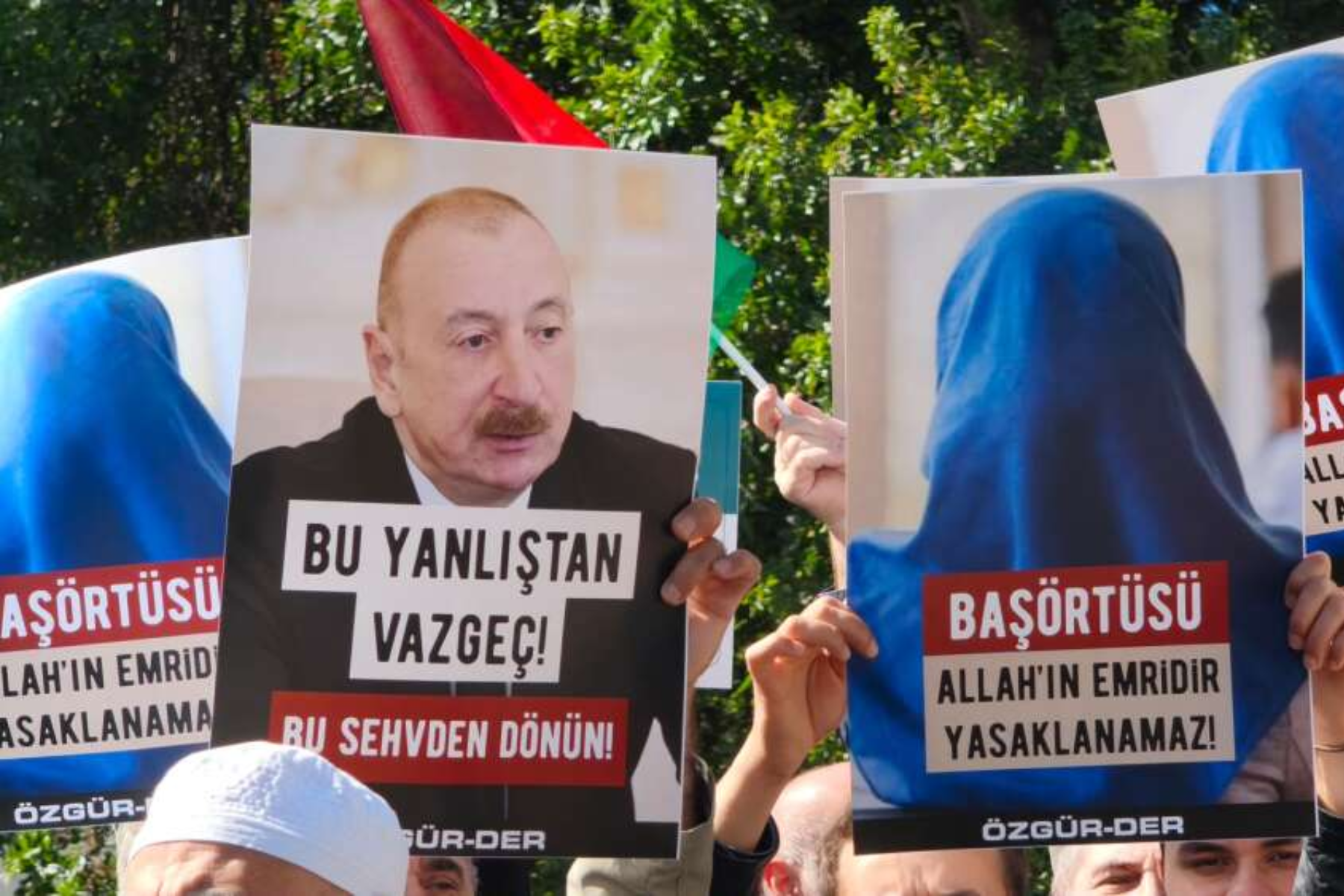
Explainer | What’s behind the Turkey–Azerbaijan spat?
OC Media / 13 hours ago

Azerbaijan proposes paying corruption whistleblowers 5% of assets recovered
OC Media / 14 hours ago

Study finds long-term health consequences among protesters exposed to chemical irritants in Georgia
OC Media / 14 hours ago
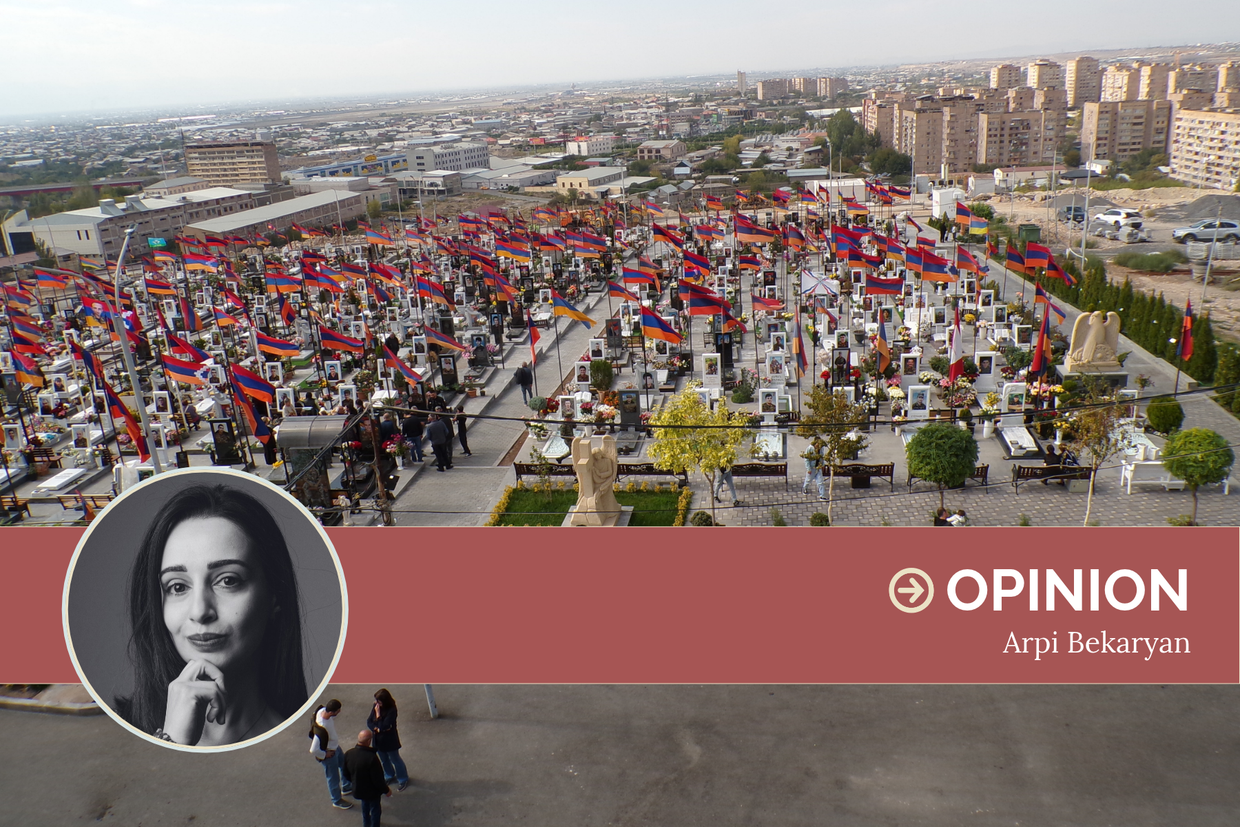
Opinion | When remembering becomes politically inconvenient
OC Media / 15 hours ago
Related coverage
55%-ը աջակցում է դպրոցականների բողոքներին, բայց մեծամասնությունը ցանկանում է դրանց դադարեցումը․ հարցում Ֆրանսիայում
168 Jham / 6 hours ago
Ձեր ամեն ասած նախադասություն քթներիցդ հանելու եմ, այո, հենց սպառնալիք ա. Փաշինյան
Azg / 6 hours ago
Flydubai-ի օդանավի կապիտանի վրա հարձակված երկրորդ օդաչուն դեռ ամռանն էր մտադրվել ինքնաթիռ զավթել
168 Jham / 6 hours ago
Բելգիայի ոստիկանությունը բերման է ենթարկել բողոքի ցույցերին մասնակցած 107 ուսանողի
168 Jham / 6 hours ago