Showing in English.
5 full-article translations/day — headlines & summaries always free. Create free account for 25/day
Armenian students rank last in the region in literacy rates
Հայաստանցի աշակերտները գրագիտութեան ցուցանիշներով վերջինն են տարածաշրջանին մէջ
Armenian 15-year-olds have serious literacy problems in the areas of mathematics, science, and reading, according to a recent study by the Organization for Economic Cooperation and Development (OECD).
Հայաստանցի 15 տարեկանները գրագիտութեան լուրջ խնդիր ունին թուաբանութեան, բնագիտութեան եւ ընթերցանութեան ոլորտներուն մէջ, կը փաստէ Տնտեսական համագործակցութեան եւ զարգացման կազմակերպութեան (OECD) վերջին հետազօտութիւնը։
According to the study, only about 1 […]
Ըստ ուսումնասիրութեան՝ հայաստանցի աշակերտներուն միայն մօտ 1 […]
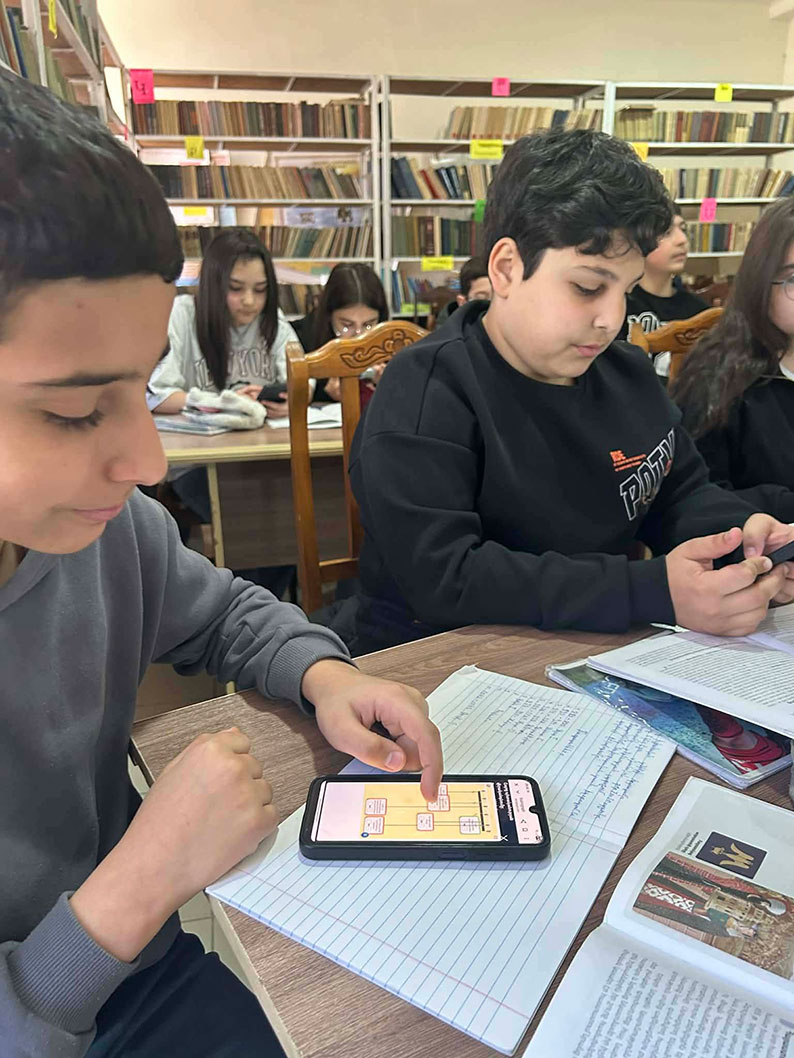
Armenian 15-year-olds have serious literacy problems in the areas of numeracy, science and reading, according to a recent study by the Organization for Economic Cooperation and Development (OECD). According to the study, only about 1 percent of Armenian students achieved the best results in numeracy, almost no students achieved the highest results in the field of science, and almost no students reached the 5th level or higher in reading. According to these indicators, Armenia is in last place in the region, behind Georgia, Azerbaijan and Turkey. 760 thousand 15-year-old students from 91 countries participated in the latest OECD study. Experts have concluded that the educational situation is not particularly satisfactory at the global level either. The OECD test is considered one of the world’s leading measures of educational progress, and its results are closely studied by governments and education experts. Last year, Armenia participated in the Program for International Student Assessment, or PISA, for the first time. According to the study, the world’s leaders in terms of educational progress are East Asian countries: the cities of China, Japan, South Korea, Singapore and Taiwan that participated in the test. The United Kingdom and Estonia are also in the top ten in reading, mathematics and science.
Հայաստանցի 15 տարեկանները գրագիտութեան լուրջ խնդիր ունին թուաբանութեան, բնագիտութեան եւ ընթերցանութեան ոլորտներուն մէջ, կը փաստէ Տնտեսական համագործակցութեան եւ զարգացման կազմակերպութեան (OECD) վերջին հետազօտութիւնը։ Ըստ ուսումնասիրութեան՝ հայաստանցի աշակերտներուն միայն մօտ 1 տոկոսը լաւագոյն արդիւնք արձանագրած է թուաբանութեան մէջ, գրեթէ ոչ մէկ աշակերտ բարձրագոյն արդիւնք ունեցած է բնագիտական ոլորտին մէջ, իսկ ընթերցանութեան պարագային գրեթէ ոչ մէկ աշակերտ հասած է 5-րդ կամ աւելի բարձր մակարդակի։ Այս ցուցանիշներով Հայաստան տարածաշրջանին մէջ վերջին հորիզոնականին վրայ է՝ զիջելով Վրաստանին, Ատրպէյճանին եւ Թուրքիոյ։ OECD-ի վերջին հետազօտութեան մասնակցած է 91 երկրէ 760 հազար 15-ամեայ աշակերտ։ Մասնագէտները եզրակացուցած են, որ ամբողջ աշխարհի մակարդակով եւս կրթական վիճակը առանձնապէս գոհացուցիչ չէ։ OECD-ի քննութիւնը կը համարուի կրթական յառաջադիմութեան աշխարհի առաջատար չափանիշներէն մէկը, եւ անոր արդիւնքները մանրամասնօրէն կ՚ուսումնասիրուին կառավարութիւններու եւ կրթութեան ոլորտի մասնագէտներուն կողմէ։ Հայաստան անցեալ տարի առաջին անգամ մասնակցած է Սորվողներու միջազգային գնահատման ծրագիրին՝ PISA-ին։ Ուսումնասիրութեան համաձայն՝ կրթական յառաջադիմութեան առումով աշխարհի առաջատարները Արեւելեան Ասիոյ երկիրներն են՝ քննութեան մասնակցած Չինաստանի քաղաքները, Ճափոնը, Հարաւային Քորէան, Սինկափուրը եւ Թայուանը։ Լաւագոյն տասնեակին մէջ են նաեւ Մեծ Բրիտանիան եւ Էսթոնիան՝ ընթերցանութեան, թուաբանութեան եւ բնագիտութեան ցուցանիշներով։
Armenian students scored below average Armenian students scored below average in mathematics, reading and science tests in 91 participating countries. Armenia’s performance lags behind all of the regional countries on the list: Azerbaijan, Turkey, and Georgia. Armenia also lags behind Uzbekistan, Moldova, Romania, and Kazakhstan, and among the former Soviet countries, it is ahead only of Kyrgyzstan. In Armenia, only about 1 percent of students achieved the highest scores in mathematics. Almost no students achieved high scores in the natural sciences, and in reading, almost no students demonstrated the ability to understand long texts, deal with abstract or contradictory concepts, and distinguish fact from opinion. Armenian students who scored above the basic level in this test scored more than twice as low as the average for participating countries. In science, only 28 percent of Armenian students achieve above basic level, while the OECD average is 74 percent. In mathematics, the figure is also 28 percent, while the global average is 65 percent. The lowest figure is recorded in reading. Only 19 percent of Armenian students achieve above basic level, while the OECD average is 67 percent. China has the best indicators in this area, with 93-97 percent.
Միջինէն ցած միաւորներ ստացած հայ աշակերտները Հայ աշակերտները թուաբանութեան, ընթերցանութեան եւ բնագիտական քննութիւններուն մէջ ստացած են մասնակցած 91 երկիրներու արձանագրած միջինէն ցած միաւորներ։ Հայաստան իր ցուցանիշներով կը զիջի ցանկին մէջ ընդգրկուած տարածաշրջանային բոլոր երկիրներուն՝ Ատրպէյճանին, Թուրքիոյ եւ Վրաստանին։ Հայաստան կը զիջի նաեւ Ուզպեքիստանին, Մոլտովային, Ռումանիոյ եւ Ղազախստանին, իսկ նախկին խորհրդային երկիրներուն շարքին միայն Ղրղզստանէն առաջ է։ Հայաստանի մէջ աշակերտներուն մօտ 1 տոկոսը միայն լաւագոյն արդիւնք արձանագրած է թուաբանութեան մէջ։ Գրեթէ ոչ մէկ աշակերտ բարձր արդիւնք ունեցած է բնագիտական ոլորտին մէջ, իսկ ընթերցանութեան պարագային գրեթէ ոչ մէկ աշակերտ ցուցաբերած է այնպիսի գիտելիքներ, որոնք կը վկայեն, թէ ան կրնայ հասկնալ երկար գրութիւններ, գործ ունենալ վերացական կամ հակասական հասկացութիւններու հետ եւ տարբերակել փաստը կարծիքէն։ Այս քննութեան մէջ հիմնական մակարդակէն բարձր գնահատական ստացած հայ աշակերտները մասնակից երկիրներու միջինէն աւելի քան երկու անգամ ցած ցուցանիշ արձանագրած են։ Բնագիտական առարկաներուն մէջ հայ աշակերտներուն միայն 28 տոկոսը հասած է հիմնական մակարդակէն բարձր արդիւնքի, մինչ OECD-ի միջին ցուցանիշը 74 տոկոս է։ Թուաբանութեան պարագային եւս ցուցանիշը 28 տոկոս է, մինչ համաշխարհային միջինը կը կազմէ 65 տոկոս։ Ամէնէն ցած ցուցանիշը արձանագրուած է ընթերցանութեան մէջ։ Հիմնական մակարդակէն բարձր արդիւնք ստացած հայ աշակերտները կը կազմեն միայն 19 տոկոսը, մինչ OECD-ի միջին ցուցանիշը 67 տոկոս է։ Այս ոլորտին մէջ լաւագոյն ցուցանիշները ունի Չինաստանը՝ 93-97 տոկոս։
Practical illiteracy is a national security issue
Գործնական անգրագիտութիւնը՝ ազգային անվտանգութեան խնդիր
Since 2020, the Armenian authorities have been talking about the problem of practical illiteracy at the highest level. In 2022, Prime Minister Nikol Pashinyan considered it a national security issue. The Prime Minister also spoke at that time about the need for large-scale and deep reforms in the field of general education, for the sake of education, teachers and students. However, judging by the results of the prestigious PISA exam, the strategy adopted by the Pashinyan government has not yet yielded significant results. According to the responses given to experts, 15 percent of Armenian students in 2025 agreed or strongly agreed with the view that school is a waste of time. At the same time, it turned out that those students who highly value the importance of school and disagree with the view that school is a waste of time score 13 points higher in science than those who consider the time spent at school meaningless. Armenian students also reported using a mobile device or computer for learning purposes at school for an average of 2.2 hours per day, compared to the OECD average of 1.7 hours. In addition, they used a phone, computer or tablet for entertainment purposes at school for an average of 154 hours per day. Meanwhile, by 2025, 34 percent of Armenian students would be studying in schools where the use of mobile phones was prohibited, the report found. 49 percent of Armenian students also reported using artificial intelligence applications at least once a week, compared to the OECD average of 46 percent. Only 10 percent of students said they never or almost never used artificial intelligence applications, compared to the OECD average of 14 percent. The report’s authors note that new technology can be used to improve learning, but with some limitations. According to the study, when students use digital devices for more than five hours a day, their progress begins to decline. The global literacy rates are also worrying. Not only are teenagers reading less, but the high level of achievement in science and mathematics has also decreased. The number of “super-students” has also decreased. In mathematics, for example, only 5 percent of participants achieved excellent results, while in 2015 this figure was 11 percent.
Տակաւին 2020-էն Հայաստանի իշխանութիւնները ամենաբարձր մակարդակով կը խօսէին գործնական անգրագիտութեան խնդրին մասին։ 2022-ին վարչապետ Նիկոլ Փաշինեան զայն ազգային անվտանգութեան խնդիր համարած էր։ Վարչապետը այդ ժամանակ նաեւ խօսած էր հանրակրթութեան ոլորտին մէջ լայնածաւալ եւ խորքային բարեփոխումներու անհրաժեշտութեան մասին՝ յանուն կրթութեան, ուսուցիչին եւ աշակերտին։ Սակայն, դատելով հեղինակաւոր PISA քննութեան արդիւնքներէն, Փաշինեանի կառավարութեան որդեգրած ռազմավարութիւնը տակաւին էական արդիւնքներ չէ արձանագրած։ Մասնագէտներուն տուած պատասխաններուն համաձայն՝ հայաստանցի աշակերտներուն 15 տոկոսը 2025-ին համաձայն կամ լիովին համաձայն եղած է այն տեսակէտին, որ դպրոցը ժամանակի վատնում է։ Միաժամանակ պարզուած է, որ այն աշակերտները, որոնք աւելի բարձր կը գնահատեն դպրոցին կարեւորութիւնը եւ համաձայն չեն այն տեսակէտին, թէ դպրոցը ժամանակի վատնում է, բնագիտութենէն 13 միաւորով աւելի բարձր արդիւնք կ՚արձանագրեն, քան անոնք, որոնք դպրոցին մէջ անցուցած ժամանակը անիմաստ կը համարեն։ Հայաստանցի աշակերտները նաեւ յայտնած են, որ դպրոցին մէջ ուսումնառութեան նպատակով օրական միջին հաշուով 2,2 ժամ կը գործածեն բջիջային սարք կամ համակարգիչ, մինչ OECD-ի միջին ցուցանիշը 1,7 ժամ է։ Բացի այդ, հեռախօս, համակարգիչ կամ պաստառաձեւ համակարգիչ (tablet) դպրոցին մէջ ժամանցի նպատակով կը գործածեն օրական միջին հաշուով 154 ժամ։ Մինչդեռ 2025-ին Հայաստանի աշակերտներուն 34 տոկոսը կը սորվէր այնպիսի դպրոցներու մէջ, ուր բջիջային հեռախօսներու գործածութիւնը արգիլուած էր, կը փաստէ զեկոյցը։ Հայաստանի աշակերտներուն 49 տոկոսը նաեւ յայտնած է, որ առնուազն շաբաթը մէկ անգամ կ՚օգտագործէ արհեստական բանականութեան ծրագիրներ, մինչ OECD-ի միջին ցուցանիշը 46 տոկոս է։ Աշակերտներուն միայն 10 տոկոսը նշած է, որ երբեք կամ գրեթէ երբեք չի գործածեր արհեստական բանականութեան ծրագիրներ, մինչ OECD-ի միջինը 14 տոկոս է։ Զեկոյցի հեղինակները կը նշեն, որ նոր արհեստագիտութիւնը կրնայ օգտագործուիլ ուսուցումը բարելաւելու համար, սակայն՝ որոշ սահմանափակումներով։ Ըստ հետազօտութեան՝ երբ աշակերտները օրական աւելի քան հինգ ժամ կը գործածեն թուային սարքեր, անոնց յառաջադիմութիւնը կը սկսի նուազիլ։ Գրագիտութեան առումով մտահոգիչ են նաեւ աշխարհի ընդհանուր ցուցանիշները։ Դեռահասները ոչ միայն քիչ կը կարդան, այլ նաեւ նուազած է բնագիտական եւ թուաբանական առարկաներուն մէջ արձանագրուած բարձր մակարդակի ցուցանիշը։ Նուազած է նաեւ «գերազացներու» թիւը։ Թուաբանութեան պարագային, օրինակ, գերազանց արդիւնք արձանագրած է մասնակիցներուն միայն 5 տոկոսը, մինչ 2015-ին այդ ցուցանիշը կը կազմէր 11 տոկոս։
Source: “Azatutiun”
Աղբիւր՝ «Ազատութիւն»
Comments
No comments yet — be the first to comment.
More from Azat Or




Related coverage
No related coverage from other sources yet.