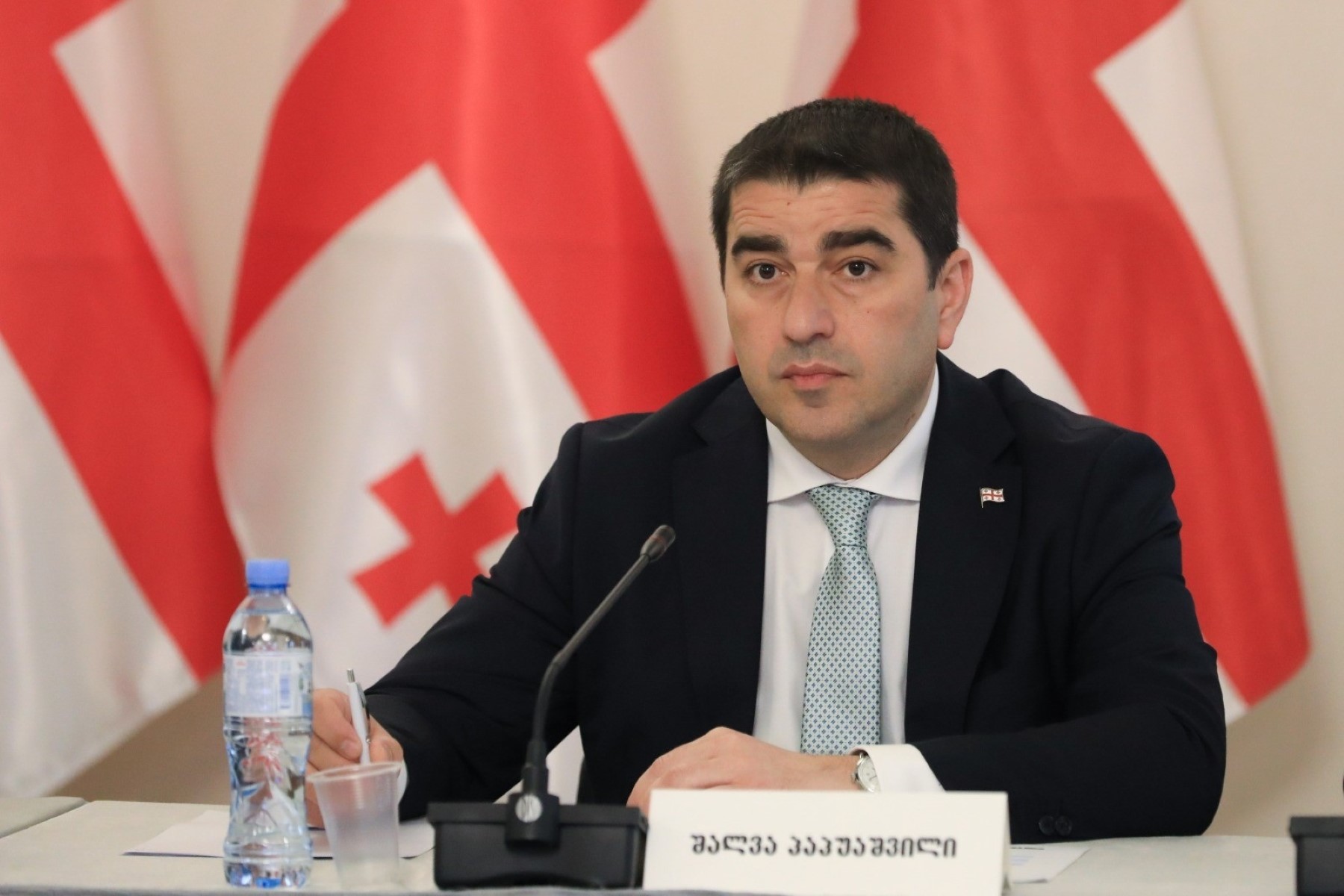
GeorgiaGeorgian authorities target Council of Europe and Tbilisi school over ‘unauthorised grant funding’by Mikheil Gvadzabia• 5 min readShare▲Shalva Papuashvili. Photo via Parliament websiteGeorgia’s pro-government media and ruling party have targeted a Council of Europe-backed seminar held in the western Georgian resort of Bakhmaro, raising questions whether the Council issued an unauthorised grant for the event. The State Audit Office said it had begun ‘monitoring’ the matter. The seminar, titled ‘Choosing Democratic Culture’, was held on 18-19 September. According to the Council of Europe, it was a joint initiative of its ‘Supporting Civil Dialogue in Georgia’ project and the Tbilisi School of Political Studies (TSPS). The TSPS was founded in 1999 by Georgian academic and politician Armaz Akhvlediani, a prominent critic of the ruling Georgian Dream party. Throughout the years, it was supported by a number of Western institutions and international organisations. Pro-government media focused on the event from its first day, with a journalist from state-affiliated TV Imedi approaching participants, including members of the diplomatic corps, to ask who was funding the project. In its coverage, Imedi referred to restrictive amendments to Georgia’s grant legislation adopted by Georgian Dream and its parliamentary allies, and questioned whether the event had violated regulations, which make issuing foreign grants — with few exceptions — subject to government approval. The TV channel contacted the Government Administration about the matter, which responded by saying that the council had not applied to it for permission to issue the grant to the TSPS. The council answered Imedi’s questions on the first day of the seminar, stating that it was directly implementing and supporting the event, while the school was its partner and host, and that the event did not involve providing a grant to any recipient Georgian actor. Meanwhile, high-ranking representatives of the ruling party began commenting on the issue one after another. On 18 September, Prime Minister Irakli Kobakhidze said that ‘if it is established that the transparency legislation has been violated, there will, of course, be an appropriate legal response’. He added that ‘it is clearly apparent that this is what we are dealing with’. On Monday, Parliamentary Speaker Shalva Papuashvili further expressed suspicion that ‘this may be a case of circumventing Georgian legislation’. Responding to the council’s explanation, Papuashvili noted that it might indeed not have been a grant, but rather expenses directly incurred by the organisation to hold the event, including for the hotel, transport, food, and speakers. ‘If that is the case, then it is clear that we are dealing with an attempt to circumvent the law’, he added. The verbal comments were soon followed by legal proceedings, with the State Audit Office saying on Monday that its Department for Financial Transparency had launched ‘monitoring’ into the TSPS’s ‘alleged receipt of a grant without the consent of the Georgian government’. ‘The State Audit Office, as part of the monitoring, will systematically and progressively carry out all necessary actions. This will include interviewing all persons who may have information relevant to the matter and examining all relevant documentation’, the agency told OC Media in a written comment. The following day, Tuesday, the council provided a more detailed explanation, saying in a comment sent to the local press that the project was implemented within the framework of its 2024–2027 Action Plan for Georgia, which was prepared in close consultation with the Georgian authorities. The council reiterated that it directly implemented and supported the seminar and had paid no fee to Akhvlediani or any other representative of the TSPS, which was a partner. The ruling party and its allies began actively introducing laws restricting international funding in spring 2024. Since then, Georgian Dream has adopted controversial foreign-agent legislations, as well as regulations making foreign grants subject to government approval. As recently as spring 2026, receiving unauthorised grants was made a criminal offence, with prison sentences introduced alongside fines and community service. Under the legislation, it is not the donor but the recipient who is penalised for receiving an unauthorised foreign grant. Beyond criticising the council, government representatives also attacked Akhvlediani and his work. Papuashvili described him as a ‘radical politician’. In his view, even if the Council of Europe had not violated the law, its funding of the project would still be unacceptable. ‘They are funding a radical politician’s political project so that they can then brainwash people with their ideological and political views’, he said. Throughout his political career, Akhvlediani has been affiliated with a number of political parties, including Georgian Dream from 2013. He resigned in 2016, saying that the ruling party was hindering the progress of Georgian democracy. From 2020 to 2024, Akhvlediani served as an MP from the opposition European Georgia party, although he was effectively estranged from the party ranks in 2021 due to disagreements with some of its leaders and other members. In response to Georgian Dream’s condemnation, Akhvlediani’s TSPS received support from its graduates and others who had been associated with the school at various points. ‘Authoritarian governments have always targeted such schools’, municipal governance analyst Irakli Melashvili wrote on Facebook. He recalled how, in the 1990s, a school with a similar profile in Moscow helped him study European politics, and how Akhvlediani, who had attended the school, went on to establish a similar project in Georgia. ‘This is a place where young people have the opportunity to learn not through made-up stories, but directly from people involved in the political and legal life of European countries, what Europe is, how a functioning democracy works, and what principles underpin the existence and policies of the EU’, he added. Mikheil joined OC Media after a long career as a journalist at Netgazeti, focusing on politics, human rights and the wider region. He has an academic background in Arabic Studies and maintains a strong interest in Arabic language, Egyptian cinema, and the 2011 Arab Spring uprisings.
Already in English.
5 full-article translations/day — headlines & summaries always free. Create free account for 25/day
Georgian authorities target Council of Europe and Tbilisi school over ‘unauthorised grant funding’
Ruling party representatives have stoked Imedi’s claims that the Council issued an unauthorised grant.
Comments
No comments yet — be the first to comment.
More from OC Media

Moscow suspends imports of some Georgian beverages, Russian media reports
OC Media / Oct 10
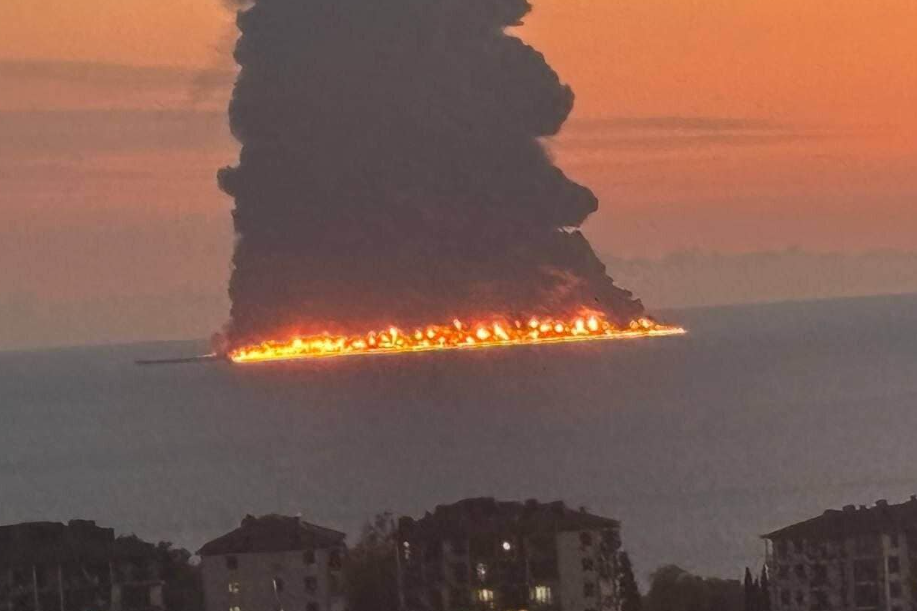
Abkhazian media claims no danger from Sochi oil tanker fire
OC Media / Oct 10

Georgia plans $200 million railway link to Anaklia port, Kobakhidze says
OC Media / Oct 9

Azerbaijan students launch school strike over hijab restrictions
OC Media / Oct 9
Related coverage
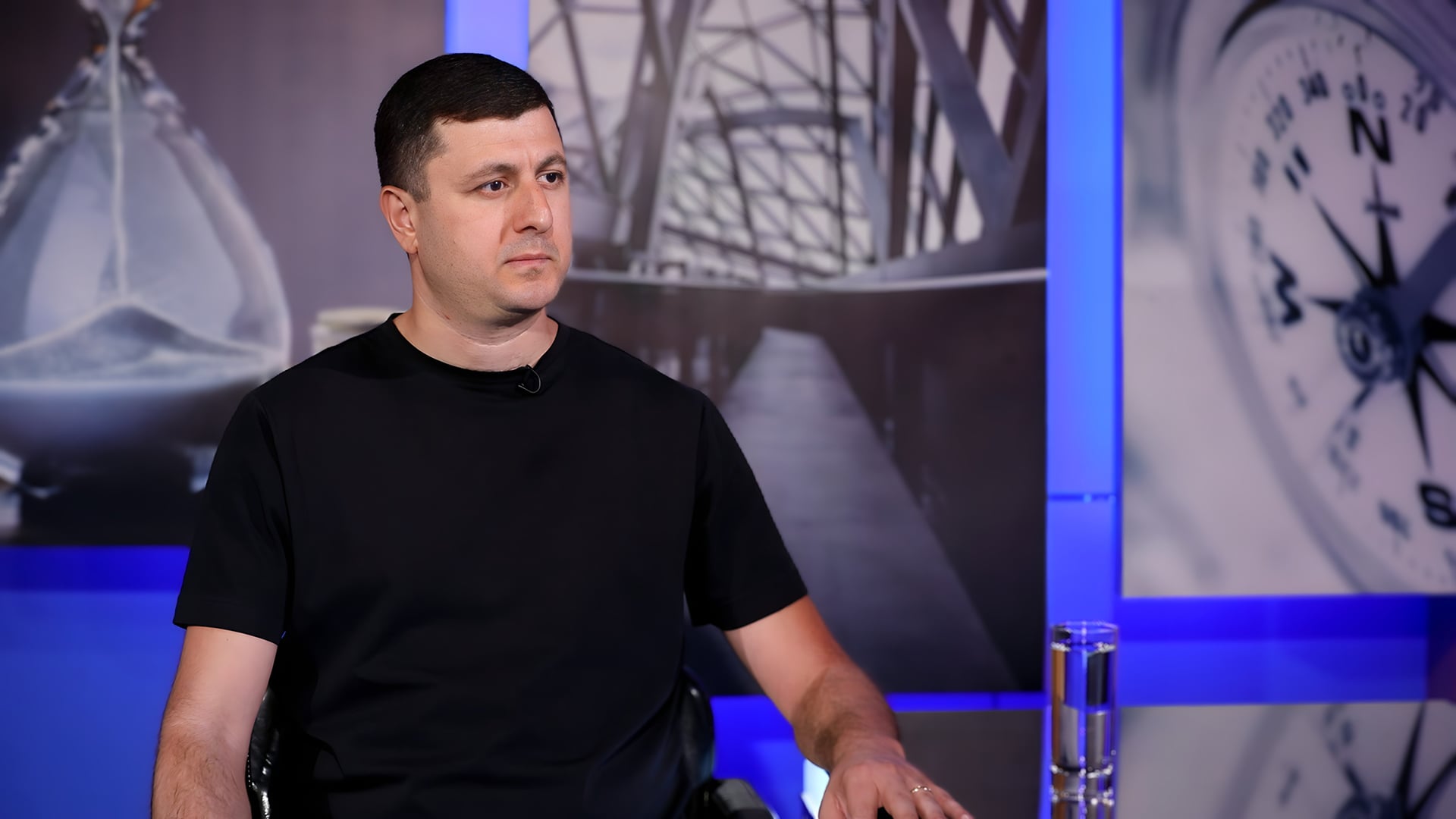
Ամեն ինչի մասին լայվ անող իշխանություններն այդպես էլ չասեցին, թե որ ուղղությամբ էր տեղի ունեցել ադրբեջանցի զինծառայողի ապoրինի անցումը. Տիգրան Աբրահամյան
168 Jham / 15 minutes ago
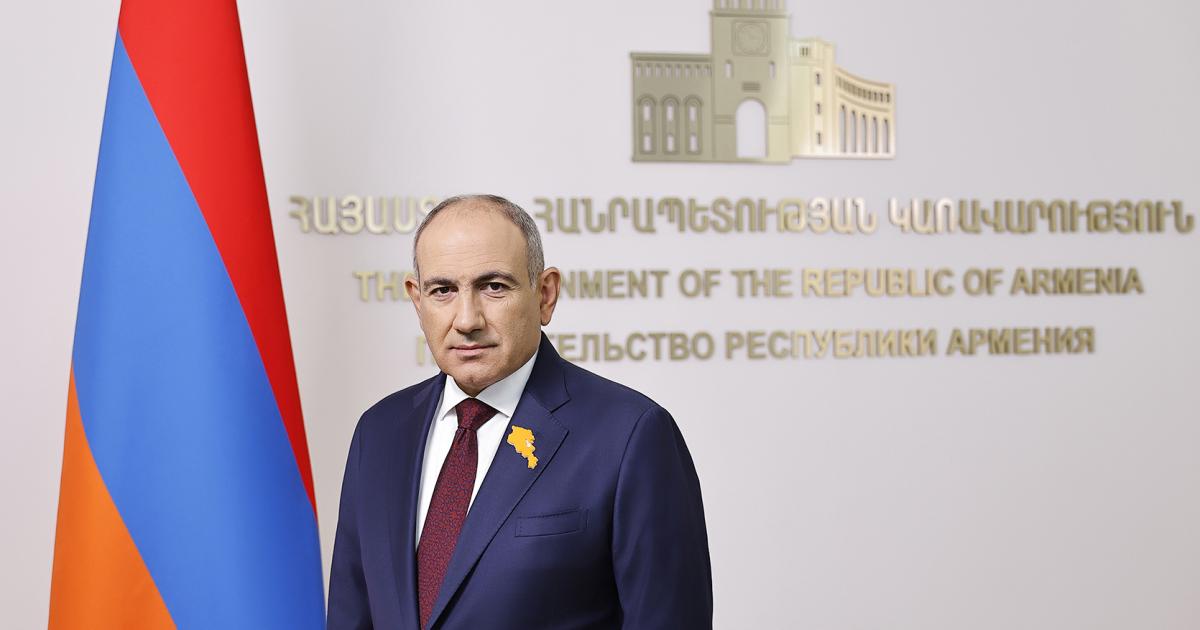
Պատմությունն այլևս այն չէ, որ տեղի է ունեցել, պատմությունն այն է, որ պետք է տեղի ունենա․ Փաշինյան
Aysor.am / 17 minutes ago
Իրական տուժող Գագիկ Ծառուկյանը վերածվել է մեղադրյալի, իսկ Իրանի քաղաքացիներն վերածվել են տուժողի
ArmLur / Zhoghovurd / 27 minutes ago

Հութիները հարվածել են Սաուդյան Արաբիայի օդանավակայաններին
Azatutyun / 28 minutes ago