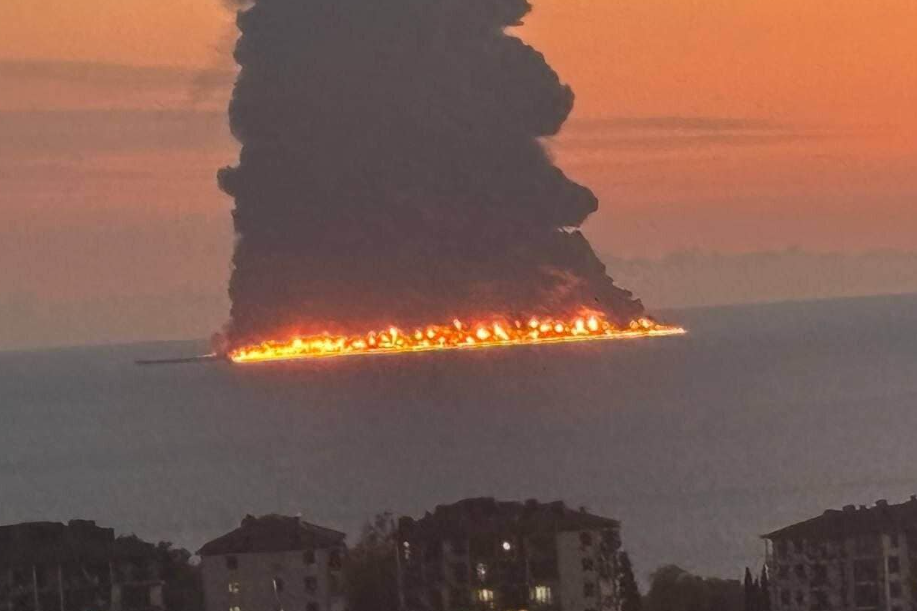
Abkhazian government-controlled media has interviewed a representative of a local ecology institute, who claimed there is no evidence that the Aframax Rio oil tanker fire off the coast of Sochi has polluted the coastline of Abkhazia. The tanker which appeared to be carrying crude oil from Novorossiysk, Russia to India was attacked by drones, leading Sochi to close beaches to the public as a plume of black smoke set over the city on 6 October, with the BBC Russian Service suggesting earlier in the week that the oil spill was visible from Sukhumi (Sukhum). OC Media had not independently verified this claim. Greenpeace analysis found that as of 9 October, an oil slick covering about 25 square kilometers was visible on satellite images. Beaches in Sochi were temporarily closed to the public but were quickly reopened with Russian authorities claiming no threat to humans. Sochi Mayor Andrei Proshunin claimed ‘no pollution’ from the spill had been detected in the sea. In the Gagra district, local Telegram channels reported it was the end of the summer swimming season, vaguely citing the safety of residents and visitors. Early October is a normal time for the authorities to do this; last year, the swimming season closed on 15 October. Roman Dbar, who directs the Academy of Sciences’ Ecology Institute and serves as the State University’s First Vice-Rector, claimed that due to the wind direction, any potential air pollution was ‘carried away in a direction opposite to our coastline and waters’. He claimed that ‘Even if there was potential water and air pollution, it did not enter our airspace or our seaspace’. Abkhazian government media published the interview denying harm after moderate concern was expressed on local social media, with one user worrying ‘which way will the oil products drift now, and where should we expect the next environmental disaster?’ Russia’s full-scale war in Ukraine has been heavily harmful to marine life in the Black Sea, but it is difficult to assess how detrimental the situation is off Abkhazia due to the lack of public monitoring. In December 2024, two aging oil tankers — part of Russia’s so-called shadow fleet used to circumvent sanctions imposed after the full-scale invasion of Ukraine – capsized in the Kerch Strait. The tankers carried approximately 9,200 tons of oil, and according to Russian authorities spilled around 2,400 tons of that into the Black Sea. In 2025, the Russian-state run medi outlet Sputnik interviewed a local climate expert, who acknowledged that oil from the Kerch spill reached Abkhazia’s shores. Asida Akhsalba told the outlet that the pollution posed no threat to humans, but also acknowledged that Abkhazia lacked the equipment to fully assess the extent of the pollution. For ease of reading, we choose not to use qualifiers such as ‘de facto’, ‘unrecognised’, or ‘partially recognised’ when discussing institutions or political positions within Abkhazia, Nagorno-Karabakh, and South Ossetia. This does not imply a position on their status.
Already in English.
5 full-article translations/day — headlines & summaries always free. Create free account for 25/day
Abkhazian media claims no danger from Sochi oil tanker fire
The BBC Russian Service reported earlier in the week that the oil spill was visible from Sukhumi (Sukhum).
Comments
No comments yet — be the first to comment.
More from OC Media

Moscow suspends imports of some Georgian beverages, Russian media reports
OC Media / 18 hours ago
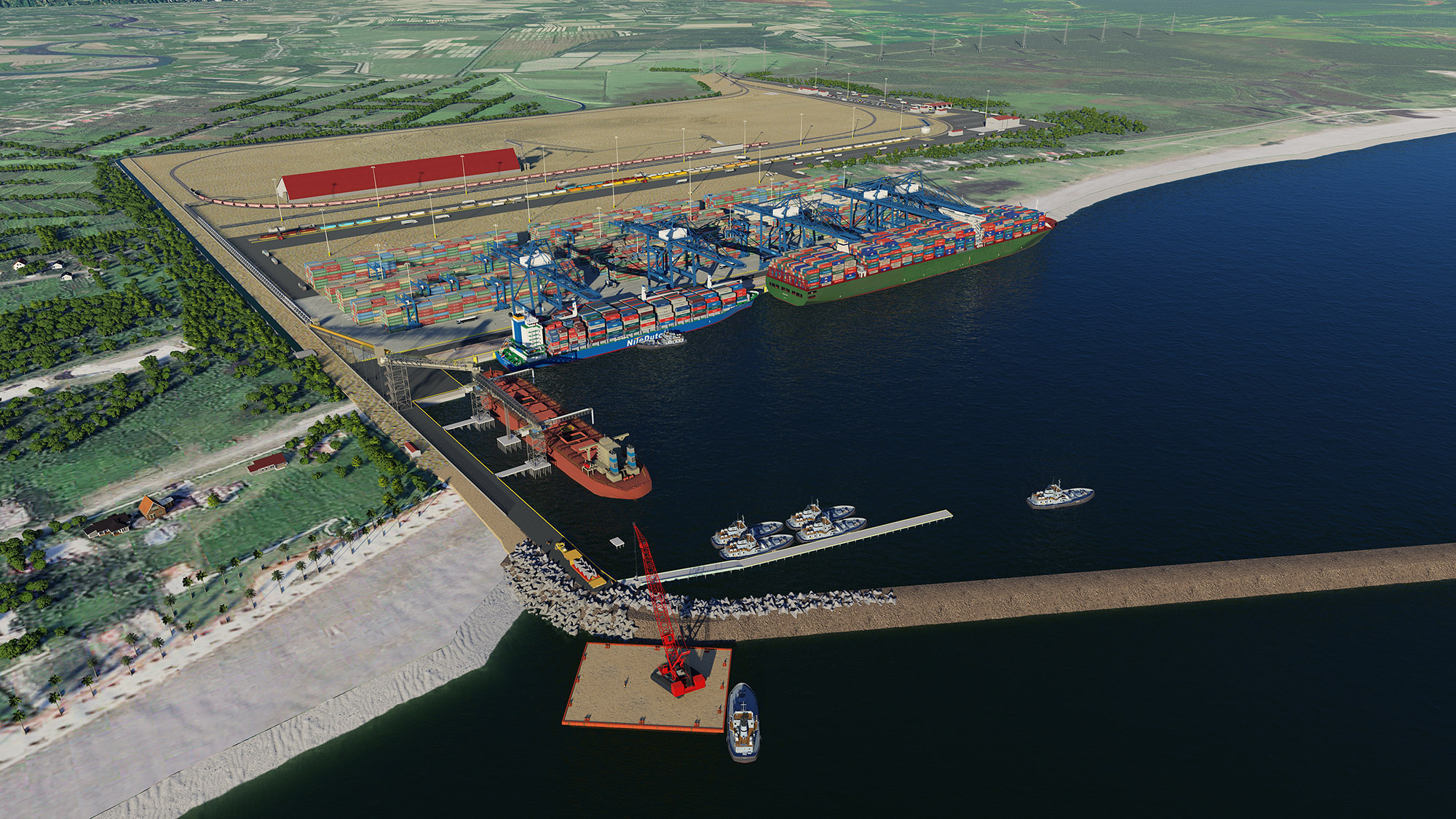
Georgia plans $200 million railway link to Anaklia port, Kobakhidze says
OC Media / Oct 9

Azerbaijan students launch school strike over hijab restrictions
OC Media / Oct 9

‘Regime,’ ‘oligarch’, ‘Ivanishvilli’s President,’ among 93 phrases reportedly banned on Georgian TV
OC Media / Oct 9
Related coverage

Տարադրամի փոխարժեքները՝ այսօր
24TV / 24News / 8 minutes ago

Շաքիում ադրբեջանցի զինծառայողի կրակոցից վիրավորված Անի Ավետիսյանն ու որդին․ լուսանկար
Alpha News / 8 minutes ago
Ռուսական բանակը հարվածել է Օդեսայում գտնվող «ՏԵՆԵՏ» տվյալների կենտրոնին․ ՌԴ ՊՆ
168 Jham / 9 minutes ago

Հորմուզի նեղուցում նավթային լցանավ է այրվել. ԱՄՆ-ն հայտնել է նավի խոցման մասին
Sputnik Armenia / 11 minutes ago