Showing in English.
5 full-article translations/day — headlines & summaries always free. Create free account for 25/day
Why there are suicides in the army: a former officer points out the existing problems.
Ինչու են բանակում ինքնասպանության դեպքեր լինում.
VIDEO
նախկին սպան առկա խնդիրներն է մատնանշում․ ՏԵՍԱՆՅՈՒԹ
“Preventing the death and suicide of servicemen in peacetime requires a systematic diagnosis,” emphasized Colonel Grigori Sahakyan, former commander of the artillery brigade of the Armed Forces of Armenia and Artsakh, with 25 years of military experience, during an invited discussion.
«Խաղաղ պայմաններում զինծառայողների մահվան և ինքնասպանության դեպքերի կանխարգելումը պահանջում է համակարգային ախտորոշում»,- հրավիրված քննարկման ժամանակ շեշտեց Հայաստանի և Արցախի ԶՈՒ հրետանային բրիգադի նախկին հրամանատար, 25 տարվա զինվորական փորձ ունեցող գնդապետ Գրիգորի Սահակյանը։
He presented the real situation in the army, revealing the deep-seated personnel, educational and organizational reasons, drawing attention to the clear question: why do people commit suicide in the army?
Նա ներկայացրեց բանակում տիրող իրական վիճակը՝ վեր հանելով կադրային, դաստիարակչական և կազմակերպչական խորքային պատճառները՝ ուշադրություն հրավիրելով հստակ հարցի՝ ինչո՞ւ են ինքնասպանություն գործում բանակում։
…
…
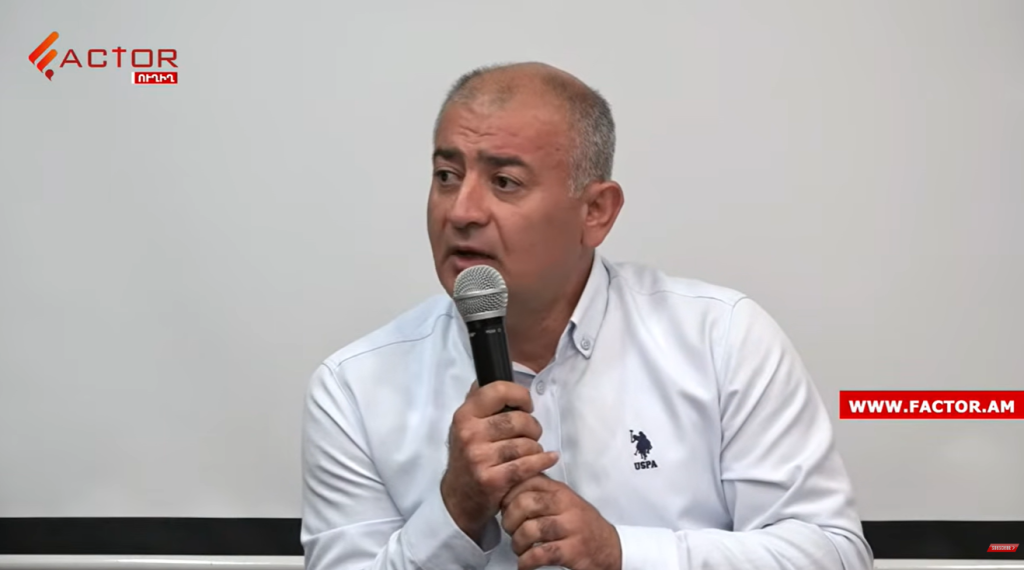
“Preventing the death and suicide of servicemen in peacetime requires a systematic diagnosis,” emphasized Colonel Grigori Sahakyan, former commander of the artillery brigade of the Armed Forces of Armenia and Artsakh, with 25 years of military experience, during an invited discussion.
«Խաղաղ պայմաններում զինծառայողների մահվան և ինքնասպանության դեպքերի կանխարգելումը պահանջում է համակարգային ախտորոշում»,- հրավիրված քննարկման ժամանակ շեշտեց Հայաստանի և Արցախի ԶՈՒ հրետանային բրիգադի նախկին հրամանատար, 25 տարվա զինվորական փորձ ունեցող գնդապետ Գրիգորի Սահակյանը։
He presented the real situation in the army, revealing the deep-seated personnel, educational and organizational reasons, drawing attention to the clear question: why do suicides occur in the army?
Նա ներկայացրեց բանակում տիրող իրական վիճակը՝ վեր հանելով կադրային, դաստիարակչական և կազմակերպչական խորքային պատճառները՝ ուշադրություն հրավիրելով հստակ հարցի՝ ինչո՞ւ են ինքնասպանություն գործում բանակում։
Colonel Sahakyan emphasized that “there is no one universal formula that would completely eliminate suicides and emergencies in the army,” since each case requires a specific analysis. However, according to him, there are clear systemic reasons.
Գնդապետ Սահակյանի ընդգծմամբ՝ «բանակում ինքնասպանություններն ու արտակարգ պատահարները իսպառ վերացնող մեկ ունիվերսալ ֆորմուլա գոյություն չունի», քանի որ յուրաքանչյուր դեպք պահանջում է առանձնահատուկ վերլուծություն: Այդուհանդերձ, ըստ նրա, կան հստակ համակարգային պատճառներ։
“One of the most serious problems in the junior command chain: platoon, battery, company, is the current personnel shortage. Due to the lack of officer personnel, responsibilities are often placed on the sergeant staff, which is not yet ready to fulfill the requirements set forth in the regulations,” the military man noted.
«Ամենալուրջ խնդիրներից մեկը կրտսեր հրամանատարական օղակում՝ դասակ, մարտկոց, վաշտ, առկա կադրային սովն է։ Սպայական կազմի պակասի պատճառով պարտականությունները հաճախ դրվում են սերժանտական կազմի վրա, որը դեռևս պատրաստ չէ կատարելու կանոնադրությամբ սահմանված պահանջները»,- նշեց զինվորականը։
According to him, there is a serious lack of competence among the current officer corps. “This concerns both the incomplete knowledge of professional and military regulations, as well as the lack of a correct understanding of educational work. Many commanders imagine education in a simplistic way: “sit down, I will educate you today,” which has nothing to do with the real educational process,” Grigori Sahakyan noted.
Նրա խոսքով՝ առկա սպայական կազմի շրջանում նկատվում է կոմպետենտության լուրջ պակաս: «Խոսքը վերաբերում է ինչպես մասնագիտական ու մարտական կանոնադրությունների թերի իմացությանը, այնպես էլ դաստիարակչական աշխատանքի ճիշտ ընկալման բացակայությանը։ Հրամանատարներից շատերը դաստիարակությունը պատկերացնում են պարզունակ ձևով՝ «նստեք, այսօր ձեզ կդաստիարակեմ», ինչը որևէ կապ չունի իրական դաստիարակչական գործընթացի հետ»- նշեց Գրիգորի Սահակյանը։
One of the most dangerous phenomena, according to him, is the inability to push the “street” out of military units. When commanders are weak, street manners begin to reign in the barracks. “Moreover, out of personal self-esteem or fear of losing their reputation, some commanders conceal problems and do not seek help from superiors or supporting bodies.”
Ամենավտանգավոր երևույթներից մեկը, ըստ նրա, զորամասերից «փողոցը» դուրս մղելու անկարողությունն է։ Երբ հրամանատարները թույլ են լինում, զորանոցում սկսում են իշխել փողոցային բարքերը. «Ավելին՝ անձնական ինքնասիրությունից կամ համբավը կորցնելու վախից ելնելով՝ որոշ հրամանատարներ քողարկում են խնդիրները և չեն դիմում վերադասի կամ աջակցող մարմինների օգնությանը»։
The colonel emphasized that the Military Police and the National Security Service should not be perceived as enemies or bodies that tarnish the officer's reputation, but as partners who establish legitimacy and solve problems.
Գնդապետն ընդգծեց, որ Ռազմական ոստիկանությունն ու ԱԱԾ-ն պետք է ընկալվեն ոչ թե որպես թշնամի կամ սպայի համբավը գցող մարմիններ, այլ որպես օրինականություն հաստատող և խնդիրները լուծող գործընկերներ։
According to the soldier, another deep root of the problem is pre-military life: "Due to foreign employment, a significant part of fathers are absent from the family. The overwhelming majority of teachers in kindergartens and schools are women, as a result of which an 18-year-old young man, before being drafted, has almost no contact with a male leader or mentor. Finding himself in a male environment and a command system, he experiences stress, which causes conflicts."
Զինվորականի կարծիքով՝ խնդրի մյուս խորքային արմատը մինչբանակային կյանքն է․ «Արտագնա աշխատանքի պատճառով հայրերի զգալի մասը բացակայում է ընտանիքից: Մանկապարտեզներում և դպրոցներում ուսուցչական կազմի ճնշող մեծամասնությունը կանայք են, ինչի հետևանքով 18 տարեկան երիտասարդը, մինչև զորակոչվելը, գրեթե առնչություն չի ունենում տղամարդ ղեկավարի կամ դաստիարակի հետ։ Հայտնվելով արական միջավայրում և հրամայական համակարգում՝ նա սթրես է ապրում, ինչն առաջացնում է կոնֆլիկտներ»։
Sahakyan emphasized the importance of army-society dialogue so that the young man comes to the army as a citizen who faces difficulties, and not a person accustomed to hothouse conditions.
Սահակյանը կարևորեց բանակ-հասարակություն երկխոսությունը, որպեսզի երիտասարդը բանակ գա որպես դժվարությունների դիմակայող քաղաքացի, այլ ոչ թե ջերմոցային պայմաններին սովոր անձնավորություն։
Details in the video.
Մանրամասները՝ տեսանյութում։
Rosa Vardanyan
Ռոզա Վարդանյան
Comments
No comments yet — be the first to comment.
More from Factor.am
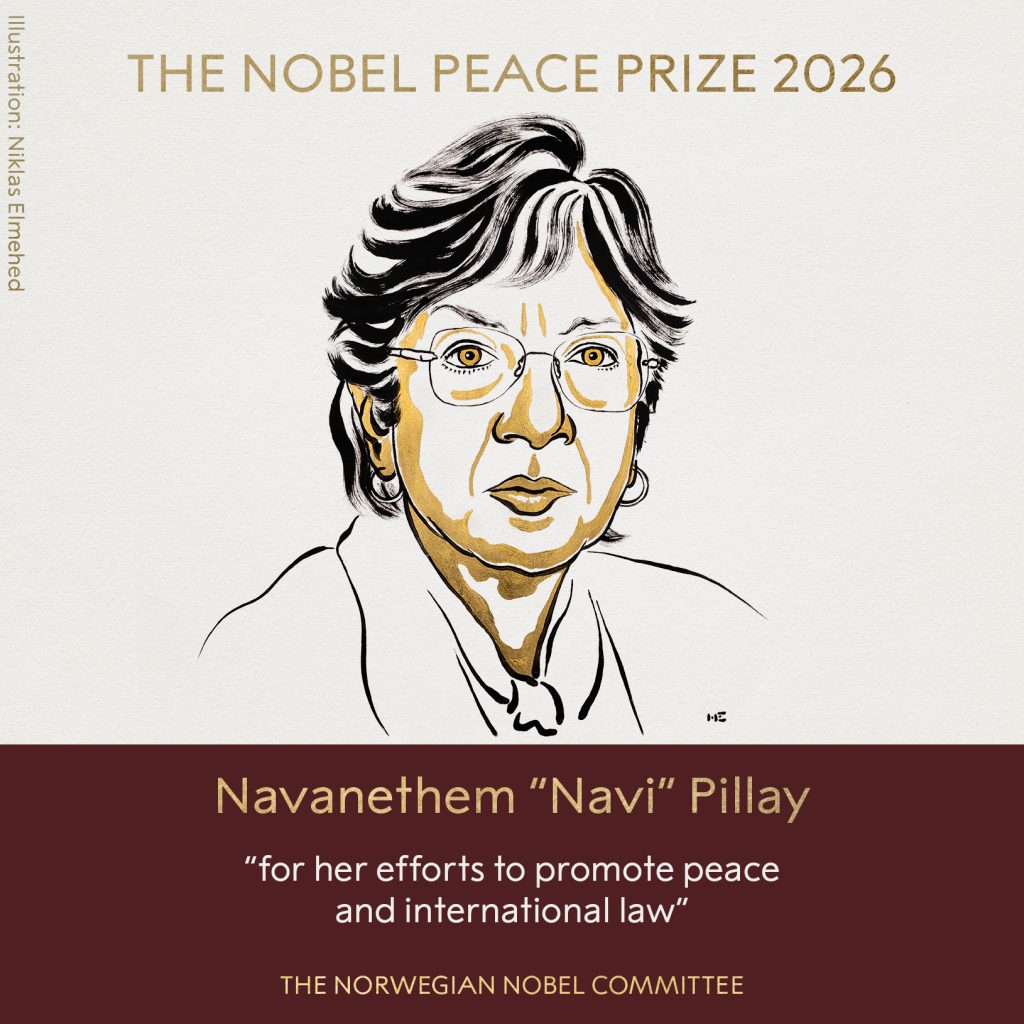
Nobel Peace Prize laureate announced
Factor.am / 18 minutes ago

Prime Minister's Spokesperson on Pashinyan's Video Released Accompanied by an Azerbaijani Song
Factor.am / 22 minutes ago

Messi's farewell match was watched by 3.5 billion people
Factor.am / 28 minutes ago

Edgar Ghazaryan has taken four days of unpaid leave.
Factor.am / 37 minutes ago
Related coverage

Azerbaijanis have demolished Robert Kocharyan's paternal home in Artsakh
Panorama / 1 hour ago
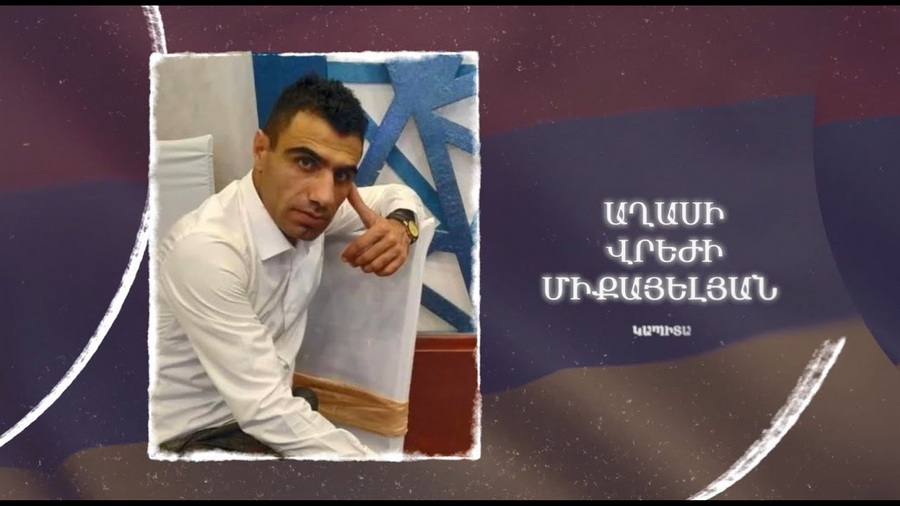
Died on the first day of the war
Aravot / 1 hour ago
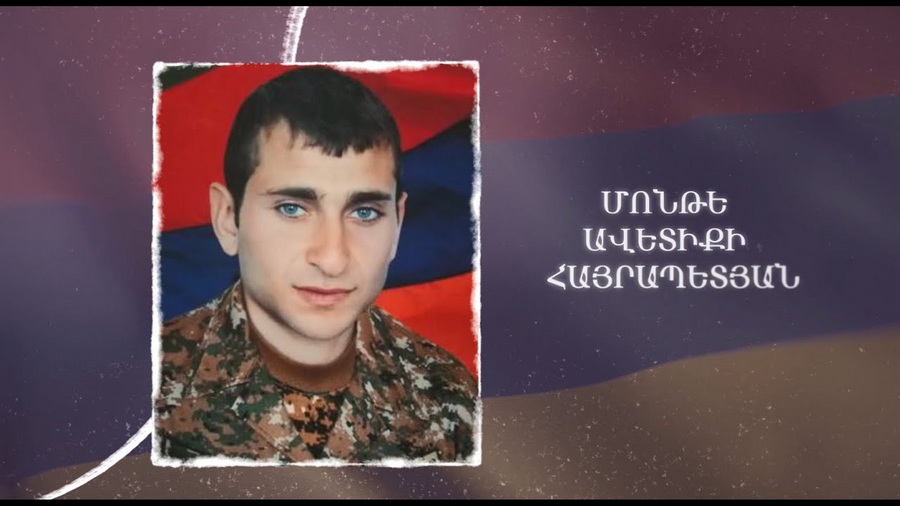
Monte Hayrapetyan had not decided what profession he would choose, but he knew that he would remain the owner of Kovsakan.
Aravot / 1 hour ago
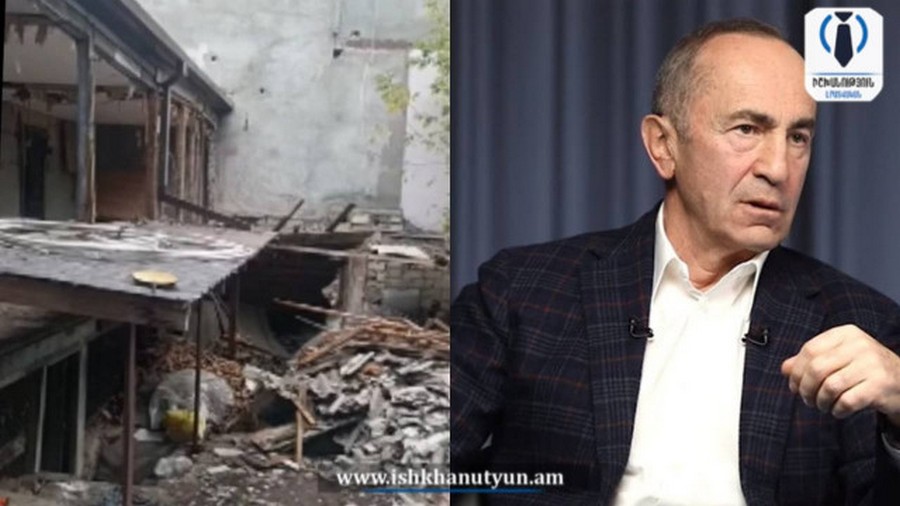
Azerbaijanis demolished Robert Kocharyan's paternal home in Stepanakert
Aravot / 1 hour ago