Showing in English.
5 full-article translations/day — headlines & summaries always free. Create free account for 25/day
A nation is a daily agreement
Ազգը ամենօրյա համաձայնություն է
In 1882, French historian, philosopher, and linguist Ernest Renan formulated an idea in his famous lecture on the nation that remains relevant today.
Ֆրանսիացի պատմաբան, փիլիսոփա և լեզվաբան1882 թվականին Էռնեստ Ռենանը ազգի մասին իր հայտնի դասախոսության մեջ ձևակերպեց գաղափար, որը մինչ այսօր …
In 1882, the French historian, philosopher, and linguist Ernest Renan formulated an idea in his famous lecture on the nation that has not lost its significance to this day. A nation is a shared memory, a consciousness of shared sacrifices, and a will to continue together. In his famous formulation, the existence of a nation is a “daily referendum.”
Ֆրանսիացի պատմաբան, փիլիսոփա և լեզվաբան1882 թվականին Էռնեստ Ռենանը ազգի մասին իր հայտնի դասախոսության մեջ ձևակերպեց գաղափար, որը մինչ այսօր չի կորցրել իր նշանակությունը։ Ազգը ընդհանուր հիշողություն է, համատեղ զոհողությունների գիտակցություն և միասին շարունակելու կամք։ Նրա հայտնի ձևակերպմամբ՝ ազգի գոյությունը «ամենօրյա հանրաքվե» է։
This idea gives independence a deeper social content.
Այս գաղափարը անկախությանը տալիս է ավելի խոր հասարակական բովանդակություն։
A state may be born at a decisive historical moment, but the consent and trust of citizens must be reaffirmed every day.
Պետությունը կարող է ծնվել պատմական վճռական պահին, սակայն քաղաքացիների համաձայնությունն ու վստահությունը պետք է վերահաստատվեն ամեն օր։
That consent is formed by a sense of justice, trust in state institutions, a sense of common belonging, and a shared vision of the future. National memory maintains continuity, and a jointly formulated future gives the state direction and meaning.
Այդ համաձայնությունը ձևավորվում է արդարության զգացումից, պետական կառույցների նկատմամբ վստահությունից, ընդհանուր պատկանելության զգացումից և ապագայի մասին միասնական պատկերացումից։ Ազգային հիշողությունը պահում է շարունակականությունը, իսկ միասին ձևակերպված ապագան պետությանը տալիս է ուղղություն ու իմաստ։
The Czechoslovak president Václav Havel viewed the same issue from the perspective of personal responsibility. His idea of “living in truth” linked political freedom with a person’s inner freedom. Havel showed that public life collapses when falsehood becomes part of the state order, and the citizen learns to adapt to it. The first step to exit the system is to see reality accurately, call it by its name, and take responsibility for one’s own words and choices. This is fundamental for independence.
Չեխոսլովակիայի նախագահ Վացլավ Հավելը նույն խնդիրը դիտում էր անձնական պատասխանատվության տեսանկյունից։ Նրա «ապրել ճշմարտության մեջ» գաղափարը քաղաքական ազատությունը կապում էր մարդու ներքին ազատության հետ։ Հավելը ցույց էր տալիս, որ հանրային կյանքը քայքայվում է, երբ կեղծիքը դառնում է պետական կարգի մաս, իսկ քաղաքացին սովորում է հարմարվել դրան։ Համակարգից դուրս գալու առաջին քայլը իրականությունը ճշգրիտ տեսնելն է, այն անվանել իր անունով և պատասխանատվություն կրել սեփական խոսքի ու ընտրության համար։ Անկախության համար սա հիմնարար նշանակություն ունի։
The most important basis connecting a citizen to the state is trust. It is formed when the state speaks clearly, directly, and honestly, the law acts predictably, the civil service respects the person, and the political debate remains real and substantive.
Քաղաքացուն պետության հետ կապող ամենակարևոր հիմքը վստահությունն է։ Այն ձևավորվում է, երբ պետությունը խոսում է պարզ, շիտակ ու ազնիվ, օրենքը գործում է կանխատեսելի, պետական ծառայությունը հարգում է մարդուն, իսկ քաղաքական բանավեճը մնում է իրական ու բովանդակային։
A nation is not a repository of historical memory. It is an ongoing agreement about the future.
Ազգը պատմական հիշողության պահոց չէ։ Այն ապագայի շուրջ շարունակվող համաձայնություն է։
This idea is of particular importance for Armenia. Our historical memory is powerful, but statehood requires that this memory be transformed into a common program for the future.
Հայաստանի համար այս միտքը առանձնահատուկ նշանակություն ունի։ Մեր պատմական հիշողությունը հզոր է, բայց պետականությունը պահանջում է այդ հիշողությունը վերածել ապագայի ընդհանուր ծրագրի։
Independence is not an anniversary. It is an everyday agreement to continue together, within the same state and with the responsibility for the same future.
Անկախությունը տարեդարձ չէ։ Այն ամենօրյա համաձայնություն է՝ շարունակել միասին, նույն պետության ներսում և նույն ապագայի պատասխանատվությամբ։
Comments
No comments yet — be the first to comment.
More from 1in.am
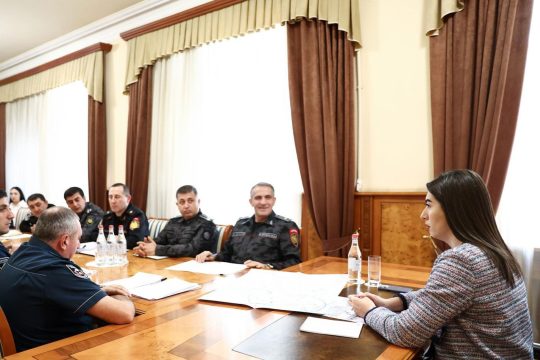
The Minister of Internal Affairs of the Republic of Armenia has given instructions to ensure public security within the framework of COP17
1in.am / 7 minutes ago

The Minister of High-Tech Industry and Artificial Intelligence of the Republic of Armenia visited the office of imID company
1in.am / 27 minutes ago

Iran denies US claims about oil volume passing through Strait of Hormuz
1in.am / 37 minutes ago
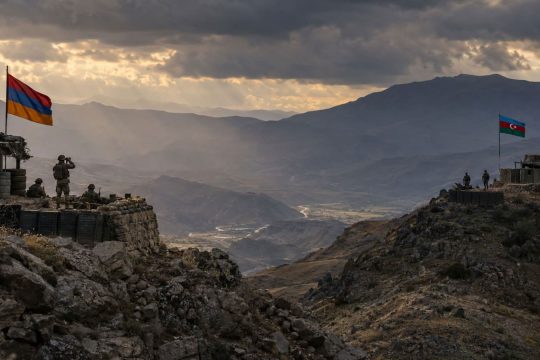
The border of peace must change its guards.
1in.am / 47 minutes ago
Related coverage
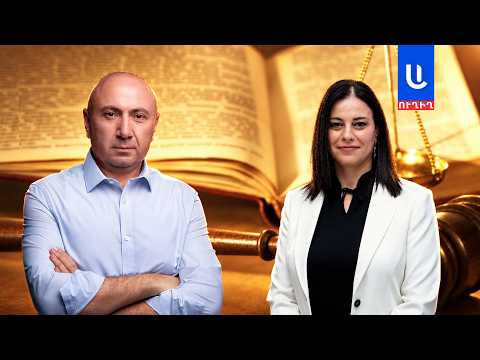
The court hearing in the case of Andranik Tevanyan and Aregnaz Manukyan: LIVE
Aravot / 2 minutes ago
The bodies responsible for the security of Armenia are currently busy suppressing dissent.
Aravot / 3 minutes ago

#LIVE: Samvel Karapetyan is in court
ABC Media / 3 minutes ago

Court hearing in Samvel Karapetyan's case: LIVE
Aravot / 4 minutes ago