Showing in English.
5 full-article translations/day — headlines & summaries always free. Create free account for 25/day
When a humanitarian visit can become Baku's argument
Երբ մարդասիրական այցը կարող է դառնալ Բաքվի փաստարկը
A proposal that is at first glance difficult to dispute has been made in the National Assembly: to form a delegation consisting of government and opposition deputies, travel to Baku, meet...
Ազգային ժողովում հնչել է առաջին հայացքից դժվար վիճարկելի առաջարկ․ ձևավորել իշխանության և ընդդիմության պատգամավորներից կազմված պատվիրակություն, մեկնել Բաքու, հանդիպել …
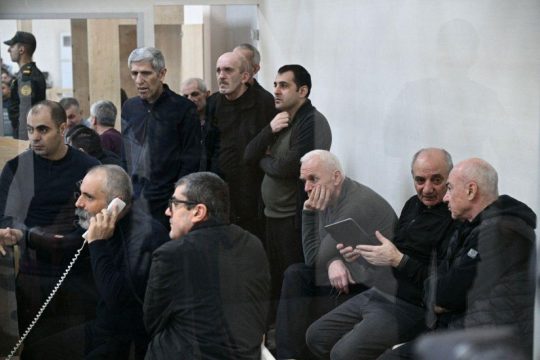
A proposal that seems at first glance difficult to dispute has been made in the National Assembly: to form a delegation consisting of government and opposition deputies, travel to Baku, meet with the Armenians held there, find out their health status and conditions of detention, receive copies of verdicts, and hold meetings with Azerbaijani officials and foreign diplomats. The author of the initiative is Aghvan Vardanyan, a deputy from the “Armenia” faction.
Ազգային ժողովում հնչել է առաջին հայացքից դժվար վիճարկելի առաջարկ․ ձևավորել իշխանության և ընդդիմության պատգամավորներից կազմված պատվիրակություն, մեկնել Բաքու, հանդիպել այնտեղ պահվող հայերին, պարզել նրանց առողջական վիճակն ու պահման պայմանները, ստանալ դատավճիռների պատճենները և հանդիպումներ ունենալ Ադրբեջանի պաշտոնյաների ու օտարերկրյա դիվանագետների հետ։ Նախաձեռնության հեղինակը «Հայաստան» խմբակցության պատգամավոր Աղվան Վարդանյանն է։
The humanitarian goal is understandable, but in diplomacy, even the most benevolent intention is evaluated not by the intention, but by the political reality in which it is embedded.
Մարդասիրական նպատակը հասկանալի է, բայց դիվանագիտության մեջ ամենաբարենպաստ մտադրությունն անգամ գնահատվում է ոչ թե մտադրությամբ, այլ այն քաղաքական իրականությամբ, որի մեջ այն մտնում է։
And here the complications begin.
Եվ այստեղ սկսվում են բարդությունները։
In March 2025, the European Parliament, with 523 votes in favor and only 3 against, characterized the trials of Armenians held in Azerbaijan as “sham trials,” demanding their immediate and unconditional release. The same resolution demanded that independent doctors and lawyers be allowed access and international presence in the trials.
Եվրոպական խորհրդարանը 2025 թվականի մարտին 523 կողմ և ընդամենը 3 դեմ ձայնով Ադրբեջանում պահվող հայերի դատավարությունները բնորոշել է որպես «sham trials»՝ պահանջելով նրանց անհապաղ և անվերապահ ազատ արձակումը։ Նույն բանաձևով պահանջվել է ապահովել անկախ բժիշկների ու փաստաբանների հասանելիությունը և միջազգային ներկայությունը դատավարություններում։
Against this background, the visit of the Armenian official delegation has the first dangerous ambiguity: the political demand for release can imperceptibly turn into a discussion of the conditions of detention.
Այս ֆոնին հայկական պաշտոնական պատվիրակության այցն ունի առաջին վտանգավոր երկիմաստությունը․ ազատ արձակման քաղաքական պահանջը կարող է աննկատ վերածվել պահման պայմանների քննարկման։
This is not a question of formulations. In one case, the legality of the deprivation of liberty itself is being challenged, in the other, the management of the already established conditions of detention is being discussed. If the result of the visit boils down to the format of “we saw, we talked, we got acquainted with the conditions, we received the verdicts,” Baku can present this as a de facto acceptance of its own judicial process, regardless of the real goal of the Armenian side.
Սա ձևակերպումների հարց չէ։ Մի դեպքում վիճարկվում է հենց ազատազրկման իրավաչափությունը, մյուսում քննարկվում է արդեն հաստատված կալանքի պայմանների կառավարումը։ Եթե այցի արդյունքը հանգի «տեսանք, խոսեցինք, ծանոթացանք պայմաններին, ստացանք դատավճիռները» ձևաչափին, Բաքուն կարող է դա ներկայացնել որպես սեփական դատական գործընթացի փաստացի ընդունում՝ անկախ հայկական կողմի իրական նպատակից։
One of the most dangerous traps of diplomacy is precisely this: participating in the process, trying to change it, but increasing its legitimacy with one’s own participation.
Դիվանագիտության ամենավտանգավոր թակարդներից մեկը հենց սա է․ մասնակցել գործընթացին՝ փորձելով այն փոխել, բայց սեփական մասնակցությամբ բարձրացնել դրա լեգիտիմությունը։
The second problem is control.
Երկրորդ խնդիրը վերահսկողությունն է։
A prison visit is valuable only to the extent that the visitor can be sure that he is seeing reality, not its showcase. Who will decide who can be met, for how long, in whose presence, and whether it will be possible to speak to detainees privately?
Բանտային այցելությունը արժեք ունի միայն այնքանով, որքանով այցելողը կարող է վստահ լինել, որ տեսնում է իրականությունը, ոչ թե դրա ցուցափեղկը։ Ո՞վ է որոշելու՝ ում կարելի է հանդիպել, որքան ժամանակ, ո՞ւմ ներկայությամբ, հնարավո՞ր կլինի արդյոք առանձին խոսել կալանավորվածների հետ։
One of the fundamental conditions for the work of the International Committee of the Red Cross is private meetings with detainees. In September 2025, the Azerbaijani authorities closed the ICRC’s permanent representation in the country, although representatives from Geneva were later allowed to conduct some visits. The ICRC itself emphasizes that such access depends on the consent of the host state.
Կարմիր խաչի միջազգային կոմիտեի աշխատանքի հիմնարար պայմաններից մեկը կալանավորվածների հետ մասնավոր հանդիպումն է։ 2025 թվականի սեպտեմբերին Ադրբեջանի իշխանությունների որոշմամբ ԿԽՄԿ-ի մշտական ներկայացուցչությունը երկրում փակվեց, թեև հետագայում Ժնևից ժամանած ներկայացուցիչներին թույլատրվեց որոշ այցելություններ իրականացնել։ ԿԽՄԿ-ն ինքն է ընդգծում, որ նման մուտքը կախված է ընդունող պետության համաձայնությունից։
The parliamentary delegation does not have such an independent mandate, and here arises the third danger: information. Baku can use the presence of Armenian deputies precisely against international criticism. If, after the visit, a deputy says that the detainee “looked normal” or the conditions were “acceptable,” that one sentence can be more valuable for Azerbaijani propaganda than dozens of official statements, regardless of the conditions under which the actual meeting took place.
Խորհրդարանական պատվիրակությունը նման անկախ մանդատ չունի ու այստեղ առաջանում է երրորդ՝ տեղեկատվական վտանգը։ Բաքուն կարող է հայկական պատգամավորների ներկայությունն օգտագործել հենց միջազգային քննադատության դեմ։ Եթե այցելությունից հետո որևէ պատգամավոր ասի, որ կալանավորվածը «նորմալ տեսք ուներ» կամ պայմանները «ընդունելի էին», այդ մեկ նախադասությունը կարող է ավելի արժեքավոր դառնալ Ադրբեջանի քարոզչության համար, քան տասնյակ պաշտոնական հաղորդագրությունները՝ անկախ նրանից, թե իրական հանդիպումն ինչ պայմաններում է անցել։
Another significant danger is the legal and political language within which the visit may be structured. Receiving a copy of the verdict in itself is not its legal recognition. But if the Armenian delegation operates in the legal language defined by Baku, accepts the official statuses applied to the former leaders of Artsakh, and participates in meetings formulated within that framework, the impression may be created that the Armenian side is not entering the position of a disputant, but of a participant operating within the legal system built by Azerbaijan. Here, even one word can become a position.
Մյուս էական վտանգը այն իրավաքաղաքական լեզուն է, որի շրջանակում կարող է կառուցվել այցը։ Դատավճռի պատճեն ստանալը ինքնին դրա իրավական ճանաչում չէ։ Բայց եթե հայկական պատվիրակությունը գործում է Բաքվի սահմանած իրավական լեզվով, ընդունում է նախկին Արցախի ղեկավարների նկատմամբ կիրառվող պաշտոնական կարգավիճակները և մասնակցում այդ շրջանակով ձևակերպված հանդիպումներին, կարող է ստեղծվել այն տպավորությունը, որ հայկական կողմը մտնում է ոչ թե վիճարկողի, այլ Ադրբեջանի կառուցած իրավական համակարգի ներսում գործող մասնակցի դիրքի մեջ։ Այստեղ նույնիսկ մեկ բառը կարող է դառնալ դիրքորոշում։
If Azerbaijan agrees to the visit on its terms, the Armenian side may find itself in a trap woven by Baku. If it does not agree, the refusal itself may become a political fact. Therefore, the real value of the initiative depends not on whether the deputies will physically arrive in Baku, but on what mandate, under what conditions, and with what international guarantees the visit will be carried out.
Եթե Ադրբեջանը համաձայնի այցին իր սահմանած պայմաններով, հայկական կողմը կարող է հայտնվել Բաքվի հյուսած թակարդում։ Եթե չհամաձայնի, մերժումն ինքնին կարող է դառնալ քաղաքական փաստ։ Հետևաբար նախաձեռնության իրական արժեքը կախված է ոչ թե նրանից, թե պատգամավորները ֆիզիկապես կհասնե՞ն Բաքու, այլ ինչ մանդատով, ինչ պայմաններով և ինչ միջազգային երաշխիքներով կկատարվի այցը։
Parliamentary diplomacy sometimes opens doors that are closed to conventional diplomacy, but it also has the opposite property: it can inadvertently open for the adversary the door that he could not open on his own: the door of political legitimacy.
Խորհրդարանական դիվանագիտությունը երբեմն բացում է այն դռները, որոնք փակ են սովորական դիվանագիտության համար, բայց այն ունի նաև հակառակ հատկությունը՝ կարող է ակամա բացել հակառակորդի համար այն դուռը, որը նա ինքնուրույն չէր կարող բացել՝ քաղաքական լեգիտիմության դուռը։
Therefore, the main question is not whether to go to Baku or not, but from what position and on what terms to enter this process. The Armenian delegation should appear there as a party formulating its own demands, not as a participant in the political and legal scenario set by Baku. A humanitarian initiative has value as long as it does not turn into a political tool of the opposing side. This boundary is determined by a simple circumstance: who sets the conditions for entry, controls the format of the meeting, and ultimately formulates the political meaning of the visit.
Այդ պատճառով հիմնական հարցը ոչ թե այն է՝ գնա՞լ Բաքու, թե՞ ոչ, այլ՝ ինչ դիրքից և ինչ պայմաններով մտնել այդ գործընթացի մեջ։ Հայկական պատվիրակությունը պետք է այնտեղ հայտնվի որպես սեփական պահանջը ձևակերպող կողմ, ոչ թե որպես Բաքվի սահմանած քաղաքական ու իրավական սցենարի մասնակից։ Մարդասիրական նախաձեռնությունն արժեք ունի այնքան ժամանակ, քանի դեռ չի վերածվում հակառակ կողմի քաղաքական գործիքի։ Այդ սահմանը որոշվում է մի պարզ հանգամանքով՝ ով է սահմանում մուտքի պայմանները, վերահսկում հանդիպման ձևաչափը և վերջում ձևակերպում այցի քաղաքական իմաստը։
Comments
No comments yet — be the first to comment.
More from 1in.am
The Public Procurement Service recorded violations in procurement procedures worth 3.2 billion drams
1in.am / 7 hours ago
2 foreigners arrested on suspicion of selling drugs through placement
1in.am / 7 hours ago
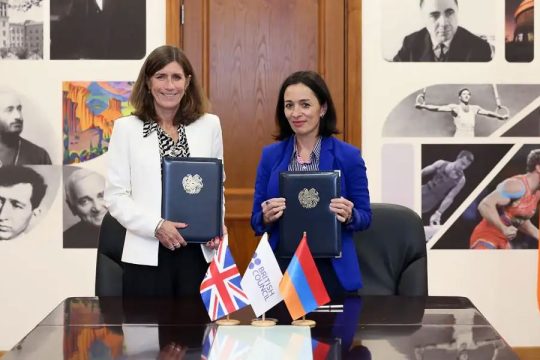
British Council, a key partner in educational reforms: Memorandum signed
1in.am / 7 hours ago
Armenia is considering the possibility of making Oman a new export and logistics destination
1in.am / 7 hours ago
Related coverage
A meeting with the people of Artsakh will be held in the National Assembly on October 13. Who will receive them? "Zhoghovurd"
ArmLur / Zhoghovurd / 2 minutes ago

"It is deeply concerning that the National Assembly is turning into a platform for illegality"
Mediamax / 9 minutes ago
CP member Arpi Davoyan is campaigning door-to-door in Stepanavan: "Zhoghovurd"
ArmLur / Zhoghovurd / 19 minutes ago

This complex must end: no product should be sold without a certificate of origin.
Noyan Tapan TV / 7 hours ago