An investigative report by Hetq has exposed a sophisticated digital network capturing expired Armenian governmental, media, and cultural domains to illicitly funnel traffic to international online gambling platforms. Under Armenian law, all forms of advertising for gambling, internet casinos, and bookmaker services are strictly prohibited. The Accidental Discovery The scheme was uncovered by chance when Hetq journalists reviewed a 2017 Freedom House democracy report on Armenia. The report cited parliamentmonitoring.ama defunct platform once dedicated to tracking legislative activities. Following the link revealed that the domain had been transformed into an active portal promoting online casinos. Further technical analysis linked this domain to dozens of other hijacked Armenian sites, operating around a local focal hub named haykbet.am. Compromised portals include: The Mechanics of "Domain Hunting" This mechanism relies on a globally pervasive practice known as "domain hunting". When reputable organizations dissolve or fail to renew registration fees, automated actors acquire the domains. Because these domains retain high authority rankings and are heavily backlinked across authoritative sources like Wikipedia, they continue to receive residual organic traffic. The new operators exploit this traffic through affiliate marketing networks. When an unsuspecting user clicks on the revamped pages, the URL appends a hidden tracking ID (sub_id=haykbet.am), generating commission revenue for the owner for every casino registration. Who is Behind the Network? Hetq identified the architect of the network as Bulgarian businessman Miroslav Pavlov, who operates the enterprise through international proxy domain registrars. Pavlov is an experienced actor in digital affiliate marketing; corporate registries show he serves as a director for Perfomalis, a firm specializing in running affiliate campaigns for online casinos. Miroslav Pavlov Journalists uncovered that Pavlov's interest in masking his digital footprints dates back at least a decade. In 2015, Pavlov posted a query on the knowledge-sharing platform Quora, explicitly asking for advice on how to hide real ownership data when registering Serbian (.rs) domain names. In a 2019 media interview, Pavlov openly boasted about managing an expansive global footprint consisting of over 150 target sites across Europe, Asia, and Latin America. The exact tracking and affiliate IDs used in those global operations directly match the footprint found embedded in the hijacked Armenian domains. Denials and Cover-ups When contacted via LinkedIn, Pavlov aggressively denied any connection to haykbet.am and threatened legal action, expressing profound concern regarding how journalists bypassed privacy shields to uncover his identity. Remarkably, within 48 hours of Hetq's inquiry, the network scrambled to mask its tracks. The content on haykbet.am was altered to display fake server errors and access restrictions to simulate a defunct site, though technical logs confirm the domain routing infrastructure remains fully operational. The Institutional Void Cybersecurity experts warn that domestic domain governance leaves a critical security vacuum. While NGOs like the "Internet Society" manage local .am registries, stripping a domain from a foreign buyer requires long, complex legal procedures. While the creators of parliamentmonitoring.am are actively spending funds to buy back their platform, orphaned state portals belonging to the dissolved institutions of Artsakh remain completely unprotected, leaving extremely sensitive institutional links exposed to ongoing corporate exploitation.
Free: opens Google Translate with the text filled in. Long articles are split into numbered sections.
Premium: read the translation right here, without leaving HyeNews. Try free for 7 days.
Already in English.
Bulgarian Businessman Behind Network Exploiting Expired Armenian State and Media Domains to Promote Online Casinos
This mechanism relies on a globally pervasive practice known as "domain hunting". When reputable organizations dissolve or fail to renew registration fees, automated actors acquire the domains.

Comments
No comments yet — be the first to comment.
More from Hetq

Վրաստանի պաշտպանական ուժերի հրամանատարն այցելել է Հայոց ցեղասպանության զոհերի հուշահամալիր
Hetq / 25 minutes ago
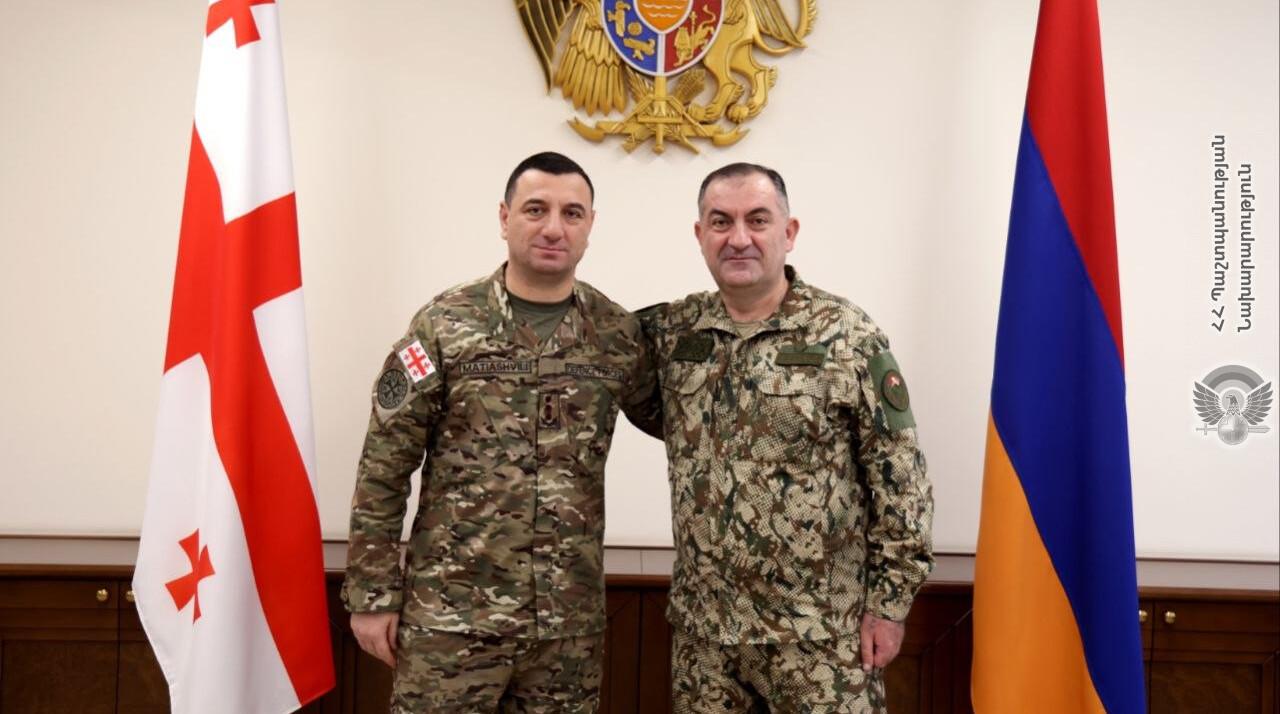
Հանդիպել են ՀՀ ԳՇ պետը և Վրաստանի պաշտպանական ուժերի հրամանատարը
Hetq / 35 minutes ago
ԵՄ-ում հայկական ապրանքների մաքսային արտոնությունները կարտացոլվեն համակարգում, վճարված տուրքերը կվերադարձվեն. ԱԳՄԱՆ
Hetq / 46 minutes ago
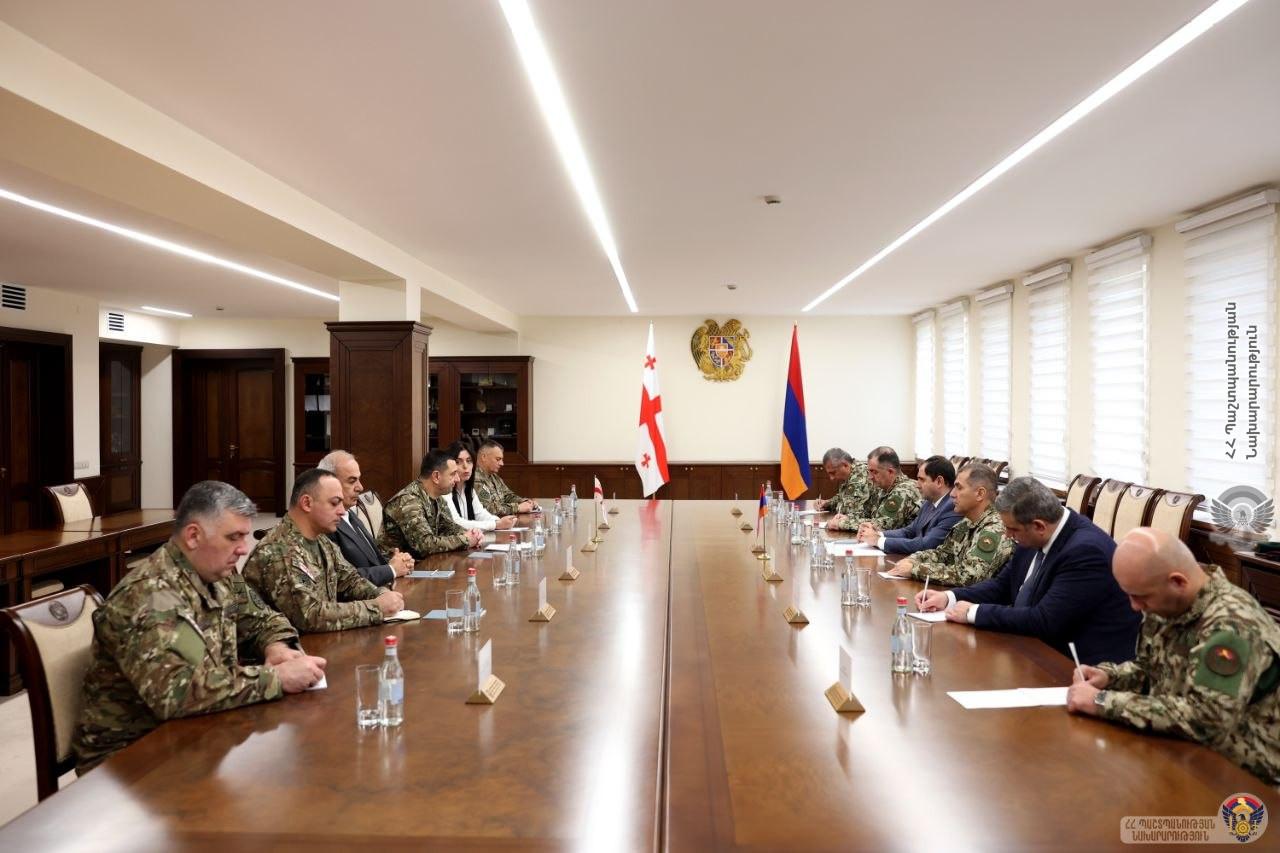
Հանդիպել են պաշտպանության նախարար Սուրեն Պապիկյանն ու Վրաստանի պաշտպանական ուժերի հրամանատարը
Hetq / 1 hour ago
Related coverage

Ամերիկացին մեկ տարվա ընթացքում կինոթատրոնում 1207 ֆիլմ է դիտել՝ սահմանելով Գինեսի ռեկորդ
ArmLur / Zhoghovurd / 4 minutes ago
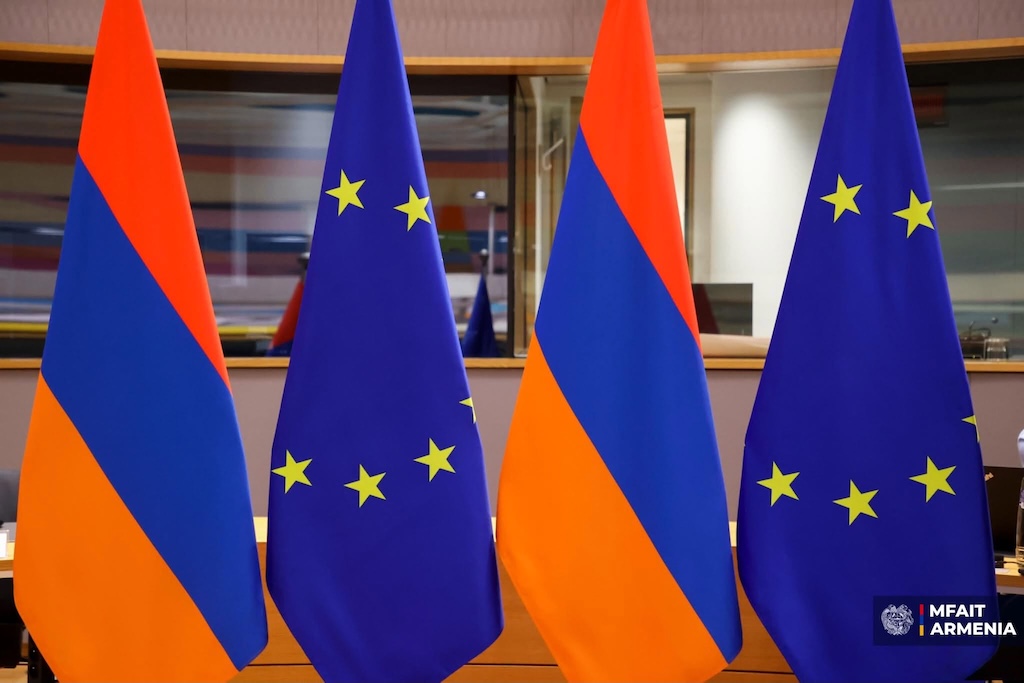
Արտահանողների կողմից հոկտեմբերի 10-ից հետո վճարված մաքսատուրքերը ենթակա կլինեն վերադարձման
Aravot / 33 minutes ago
ՏԵՍԱՆՅՈՒԹ․ Խանութների ապրանքները թող էժանանան, մեր թոշակները թող բարձրանան. առևտրական
ArmLur / Zhoghovurd / 34 minutes ago

Առաջնայինը գազի գինը չէ. Թավադյանը ասել է` ի՞նչ կխախտվի ԵԱՏՄ-ից դուրս գալու դեպքում
Sputnik Armenia / 42 minutes ago