October 30, 2026 America Rising everyday expenses are putting pressure on household budgets across America. From groceries and housing to transportation and utilities, essential costs leave many families with less money for savings and other needs. As a result, households are finding new ways to stretch their income and manage their spending. Small changes in daily habits can help families keep costs under control. Reviewing subscriptions, adjusting shopping routines, and finding affordable ways to spend time together can make a difference in monthly expenses. Understanding these options helps households make practical choices as they navigate higher living costs. Strategic Borrowing Helps Manage Financial Gaps Rising living costs can leave families with limited savings for unexpected expenses. Car repairs, medical bills, and urgent home maintenance can put pressure on a budget when most income already covers essential needs. Online lenders, including CreditNinja.com, operate within the digital lending market, giving borrowers a way to apply for loans online rather than at a physical branch. Still, borrowing requires careful planning because repayments become another monthly expense. Online loan applications can make applying easier, but approval and loan terms depend on the lender’s criteria and the borrower’s circumstances. Installment loans follow a set repayment schedule, so borrowers should plan for each payment amount and due date.Before accepting an offer, families should review the interest rate, fees, total repayment amount, and loan term. Comparing these costs with their income and regular bills helps them decide whether the payments are manageable. The Subscription Purge Reduces Monthly Spending After reviewing larger financial obligations, many households turn their attention to smaller recurring expenses. Streaming platforms, fitness apps, cloud storage, and other digital services often charge each month. These payments may seem manageable individually, especially when each service costs only a few dollars. However, several subscriptions can take up a noticeable portion of a family's monthly spending. The growing trend of cancelling unnecessary subscriptions is known as a subscription purge. Families review bank statements and use tracking apps to identify services they rarely use and cut avoidable costs. For example, a household might discover that it pays for three streaming platforms even though family members mainly watch one. Cancelling the other two or rotating between services can reduce monthly expenses without changing daily routines. Shared Bulk Purchases Can Lower Costs Once subscription costs are under control, groceries and household supplies still account for a significant share of everyday spending. To manage these costs, some families are reconsidering how they buy frequently used products. Warehouse stores often sell food, cleaning supplies, and toiletries in larger quantities at lower per-unit prices. However, buying these items alone can require more upfront money and extra storage space. Shared bulk buying offers another option for households that want to take advantage of larger packages. Friends, relatives, or neighbors can buy supplies together and divide them based on their needs. For example, three households might split a large package of paper towels, laundry detergent, or pantry staples. This approach works particularly well for products with long shelf lives, but families should still compare unit prices to get better value. Cashback Stacking Makes Shopping More Rewarding Beyond bulk buying, families are also finding ways to save on regular shopping trips. Many stores offer loyalty programs, digital coupons, and cashback rewards. Some households combine these offers to get more value from their purchases. This approach is known as cashback stacking. For example, a shopper could combine a store discount, an eligible digital coupon, and cashback on one purchase. Some payment cards also provide rewards, although restrictions can prevent certain offers from being combined. Checking the terms and using these benefits only for planned purchases helps avoid spending more just to earn rewards. Stay At Home Hospitality Replaces Dining Out Beyond shopping, families are finding more affordable ways to enjoy their free time and stay connected with loved ones. Eating at restaurants or ordering takeout can be expensive, especially for larger households. Instead of skipping social gatherings, some families prefer to host meals at home. This allows them to spend time with friends and relatives without spending too much. Potluck dinners are one popular option because everyone brings food to share. Families can also organize cooking nights or prepare homemade versions of their favourite restaurant meals. These meals, often called “fakeaways,” include homemade versions of pizza, burgers, and tacos. Preparing them at home can cost less than ordering takeout, especially when ingredients can be reused across several meals. Household Budgeting Becomes A Daily Priority Rising living costs are pushing American families to find better ways to manage their household budgets. Simple changes, such as cancelling unused subscriptions, comparing prices, and cooking at home, can help reduce everyday expenses. For unexpected bills, borrowing is another option when the repayment costs fit the budget. Every household has different needs, so families should focus on the changes that work best for them. Reviewing expenses regularly helps them identify savings and plan for upcoming costs. With careful budgeting and consistent habits, families can make their income go further and better manage rising expenses.
Free: opens Google Translate with the text filled in. Long articles are split into numbered sections.
Premium: read the translation right here, without leaving HyeNews. Try free for 7 days.
Already in English.
How Rising Everyday Expenses Are Reshaping Household Budgets Across
America Rising everyday expenses are putting pressure on household budgets across America. From groceries and housing to transportation and utilities, essential costs leave many families with less money for savings and other needs....

Comments
No comments yet — be the first to comment.
More from The California Courier

Opposition Armenia faction rejects proposal to support referendum on new Constitution
The California Courier / Oct 30

Russian-Armenian sentenced to almost 10 years in Siberian prison over social media comments
The California Courier / Oct 30

What’s Growing in Armenia? Olives, Kiwis and More
The California Courier / Oct 30

Karapetyan says Baku benefits from delaying peace agreement
The California Courier / Oct 30
Related coverage

Haigazian University Hosts Alain Bejjani for a Talk on Leadership and Entrepreneurship
USA Armenian Life / 15 hours ago
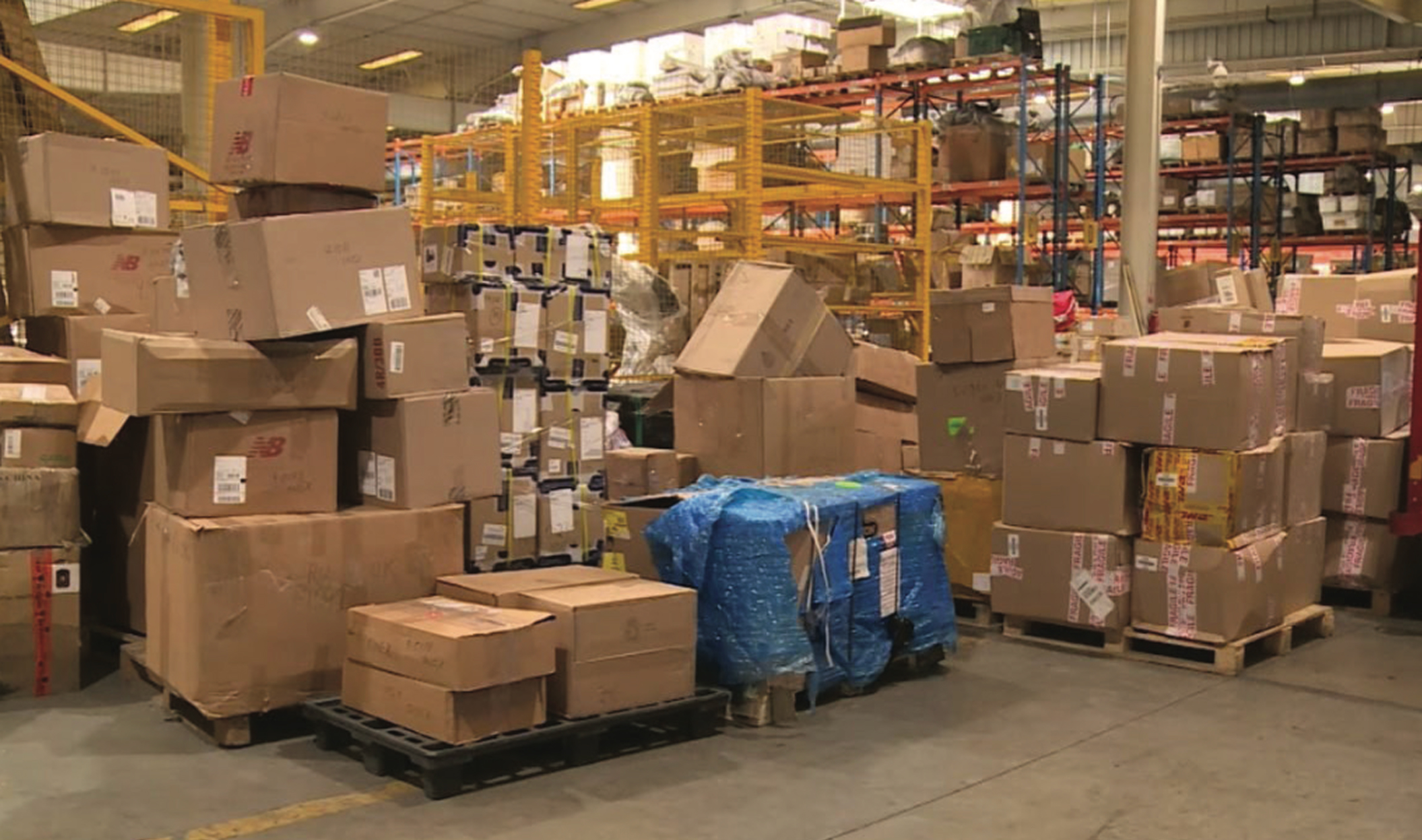
Armenia uncovers attempt to smuggle 37,900 packs of cigarettes to US hidden in laminate doors
USA Armenian Life / 15 hours ago

«Տիտանիկ»-ի ռեժիսորի այցը Երևան բյուջետային ծախսերի պատճառով վեճեր է առաջացրել. OC Media
USA Armenian Life / 16 hours ago

AMARIAN TALK SHOW | Bedros Keuilian
Horizon Armenian TV / Oct 30