Listen to the AI generated audio article. Your browser does not support the audio element. The Irony of Fate I first visited Yerevan in the early 2000s and returned many times afterward. On one visit, I walked into a rental apartment with a thin gray carpet laid over what felt like wood. One wall held a giant Soviet сервант (display cabinet) filled with crystal cups, books, bills and the remote control for a television that was no longer there. Clues and crumbs of a past life were everywhere, and part of me wanted to understand what that world had been. One way I tried to do this was through movies. The Irony of Fate was one of the films that gave me a glimpse of the late Soviet material world. The main character falls asleep and wakes up in another city. After giving directions to a driver, he arrives at a street, a building, a floor, and an apartment that look almost identical to his own, only to discover he has awakened inside a different life. As I returned to Armenia year after year, the gray carpets were replaced by laminate flooring. The green flower-print bathroom tiles disappeared. Old windows gave way to laminated “Euro” windows. Gradually, this new aesthetic acquired a name: Evroremont/Евроремонт. Ironically, the same aesthetic was appearing across much of the former Soviet world. The Promise After the collapse of the Soviet Union, much of the former Soviet world was expected to become something else quickly. The “End of History” had arrived, and the future seemed clear. Political liberalization, markets, private property, civil society, and Western-style institutions were expected to replace the Soviet system. Europe was not merely geography. It was a model, an aspiration, and a language of normality. But this expectation contained a problem. The West had taken generations, often centuries, to build the institutions, legal cultures, civic habits, economic systems, and infrastructures that post-Soviet societies were expected to adopt within a decade or two. The timeline was historically compressed. Political language changed faster than the landscape itself. Existing Conditions A landscape strategy does not begin with a master plan. It begins with site inventory . After 1991, the former Soviet world was not an empty site. It was an inherited landscape: apartment blocks, schools, factories, academies, ministries, roads, railways, utilities, bureaucracies, professions, social networks, and people trained within Soviet institutions. The Soviet Union collapsed politically. The Communist Party collapsed. The command economy collapsed. Many industrial systems broke down. Welfare structures weakened or disappeared. The ideological framework that had organized public life lost its authority. But the material and social substrate remained. The Academy of Sciences remained the Academy. Engineers remained engineers. Roads still carried traffic, apartment blocks still housed families, pipes still carried water, and electrical grids still required maintenance. This is the first problem with treating the post-Soviet period as a simple transition from one model to another. The site was already occupied. Any future would have to be built through existing conditions rather than on a blank slate. Evroremont Evroremont was a material expression of the post-Soviet transition. It appeared in apartments, storefronts, offices, restaurants, hotels, stairwells, public interiors, and exteriors. Vinyl windows, laminate floors, suspended ceilings, tiled bathrooms, decorative stone, imported fixtures, bright lighting, and “European style” finishes became visible signs that life after the Soviet Union was improving. People embraced it because it made their lives look more like those of contemporaries formerly beyond the Wall. It pursued not Europe itself, but an idealized image of modernity. Evroremont emerged because the inherited world could not simply be demolished. The infrastructure partly functioned. The buildings still had value. The apartments were still inhabited. Full reconstruction was either impossible or unnecessary. So the post-Soviet world renovated. Evroremont described an aspiration toward Europe built from Turkish laminate, Chinese fixtures, regional supply chains, local labor, Soviet infrastructure, and whatever materials happened to be available. It was not Westernization in any pure sense. It was approximation, repair, adaptation, and a simulacrum of what people imagined modern European life to be. Evroremont expressed a genuine desire for a different future through the means at hand. Over time, state flags changed, constitutions changed, markets opened, private property appeared, and new elites emerged. But many underlying conditions persisted. Former Soviet managers became businessmen. Former officials became parliamentarians, ministers, owners, brokers, and oligarchs. Former state enterprises became privatized enterprises. Infrastructure changed ownership models more easily than it changed function. The Soviet Union was replaced by successor arrangements and regional structures: the CIS, the CSTO, and eventually the Eurasian Economic Union. These were not the Soviet Union, but neither were they a complete break from Soviet space. They represented attempts to reorganize fragments of the old regional system under new conditions. At the same time, liberalization did not simply erase earlier forms of control. In many cases, capital replaced ideology as the mechanism through which infrastructure, property and influence were coordinated. The Supreme Soviet disappeared, but in many places supreme oligarchs emerged to take its place. Evroremont was the visible surface of a larger historical condition: transformation through continuity. Markets changed social life. Migration changed families. Consumer culture changed aspirations. Travel changed imagination. Diaspora networks became more important. But the transformation was uneven. The surface changed faster than the structure. The post-Soviet world was not rebuilt from zero; it was repaired, privatized, adapted and reworked. For many individuals, states, and institutions, Evroremont became a holding pattern: investing just enough to extract use value without committing resources to full reconstruction in a period of uncertainty. Yet over time, the reference point itself began to weaken. At first, Evroremont relied on an imagined future that existed elsewhere. Apartments, storefronts, restaurants, and offices were renovated to resemble a modern life perceived beyond the inherited Soviet landscape. But after 35 years, the imitation gradually became ordinary life. The tiled bathroom, vinyl windows, imported fixtures, Soviet concrete shell, local improvisation, Turkish laminate, Chinese appliances, and materials flowing through regional supply chains stopped being a simulacrum of somewhere else. They became the ordinary landscape people lived in. Through decades of adaptation, migration, repair, privatization, and improvisation, Evroremont produced a reality of its own. In landscape strategy terms, Evroremont became a desire path . A desire path is the route people create to get where they need to go. The official walkway on a college campus may turn at a right angle, but students cut across the grass. Over time, the grass wears away and a path appears. Eventually, the improvised route becomes a better solution than the planned one. After 1991, the planned path was convergence: liberalization, democratization, marketization, and Europeanization. Or Eurasian integration combined with regional market liberalization. But people and states walked a different route. They drew on inherited infrastructure, regional trade, local labor, diaspora networks, Chinese products, Western imagery, and Soviet-era systems. They did not return to the Soviet Union, but neither did they become Europe. Instead, they followed the path that was materially available. After more than three decades, the desire path became visible. What emerged was a landscape of renovation, and like many renovations, it lasted longer than expected. The temporary became permanent. The holding pattern became a world. The result was Evroremont. What Comes Next? For much of the post-Soviet period, the future seemed to lie elsewhere. Europe served not only as a geography but as a reference point. Russia served as another. Again and again, the post-Soviet world was asked to understand itself through external comparison: Was it becoming European? Was it remaining Russian? Was it liberalizing? Was it regressing? Was it catching up? Was it failing? But eventually, a different question emerges. Not: How do we become them? But: Who are we? This is not necessarily anti-Western, nor is it necessarily pro-Russian. It reflects something more basic: the weakening of imitation as an organizing principle. Over three decades, post-Soviet societies have accumulated experience of their own. A generation has emerged that studied abroad, migrated, returned, built businesses, worked with NGOs, entered state institutions, joined global networks, and learned to navigate multiple cultural systems. They have seen Europe, Russia, America, and Asia firsthand. The result has not been convergence toward a single model. Instead, a more complicated reality has taken shape. Returning to our point of departure, Armenia is not simply Soviet, Russian, European, or Western. Nor is it an empty frontier awaiting someone else’s project. It is a post-Soviet landscape shaped by inherited infrastructure, diaspora networks, regional dependencies, Western aspirations, local culture, and 35 years of adaptation. For decades, home was measured against an external image. Does it look European? Does it look modern? Does it show that we have moved beyond the Soviet past? Over time, though, comparison eventually loses its authority. The more important question becomes: What does home look like when we stop measuring it against someone else’s blueprint? The next chapter may therefore be less about imitation than recognition: understanding what kinds of societies, identities, landscapes, and institutions have already formed beneath the surface of the long renovation. Comment Cover photo by Lola Medina Cirera LIFESTYLE The Shape of Things From fashion and interior design to exotic crops growing in unlikely places and the iconic Armenian nose, this issue of SALT explores innovation, change and new possibilities, the old mixed with the new, the past meeting the future, and ideas taking root, taking shape and taking off. Armenia’s Fashion Scene Looks Forward, Without Forgetting the Past Lola Medina Cirera Oct 27, 2026 Yerevan Fashion Week’s fourth edition brought Armenian fashion into dialogue with the city, with designers staging collections in historic landmarks and reimagining heritage through contemporary silhouettes. As established names and emerging voices look outward, Armenia’s fashion scene is finding new ways to carry its past into the future. Lola Medina reports. Read more The post Evroremont/Евроремонт appeared first on EVN Report .
Free: opens Google Translate with the text filled in. Long articles are split into numbered sections.
Premium: read the translation right here, without leaving HyeNews. Try free for 7 days.
Already in English.
Evroremont/Евроремонт
Evroremont became a material expression of the post-Soviet transition, reshaping inherited Soviet landscapes through renovation, adaptation and improvisation. Vrej Haroutounian traces its evolution from an imagined European future into a reality of its own, and asks what comes next when imitation gives way to recognition.
Comments
No comments yet — be the first to comment.
More from EVN Report

Evroremont/Евроремонт | Audio Article
EVN Report / 1 hour ago

Armenia’s Fashion Scene Looks Forward, Without Forgetting the Past | Audio Article
EVN Report / 23 hours ago
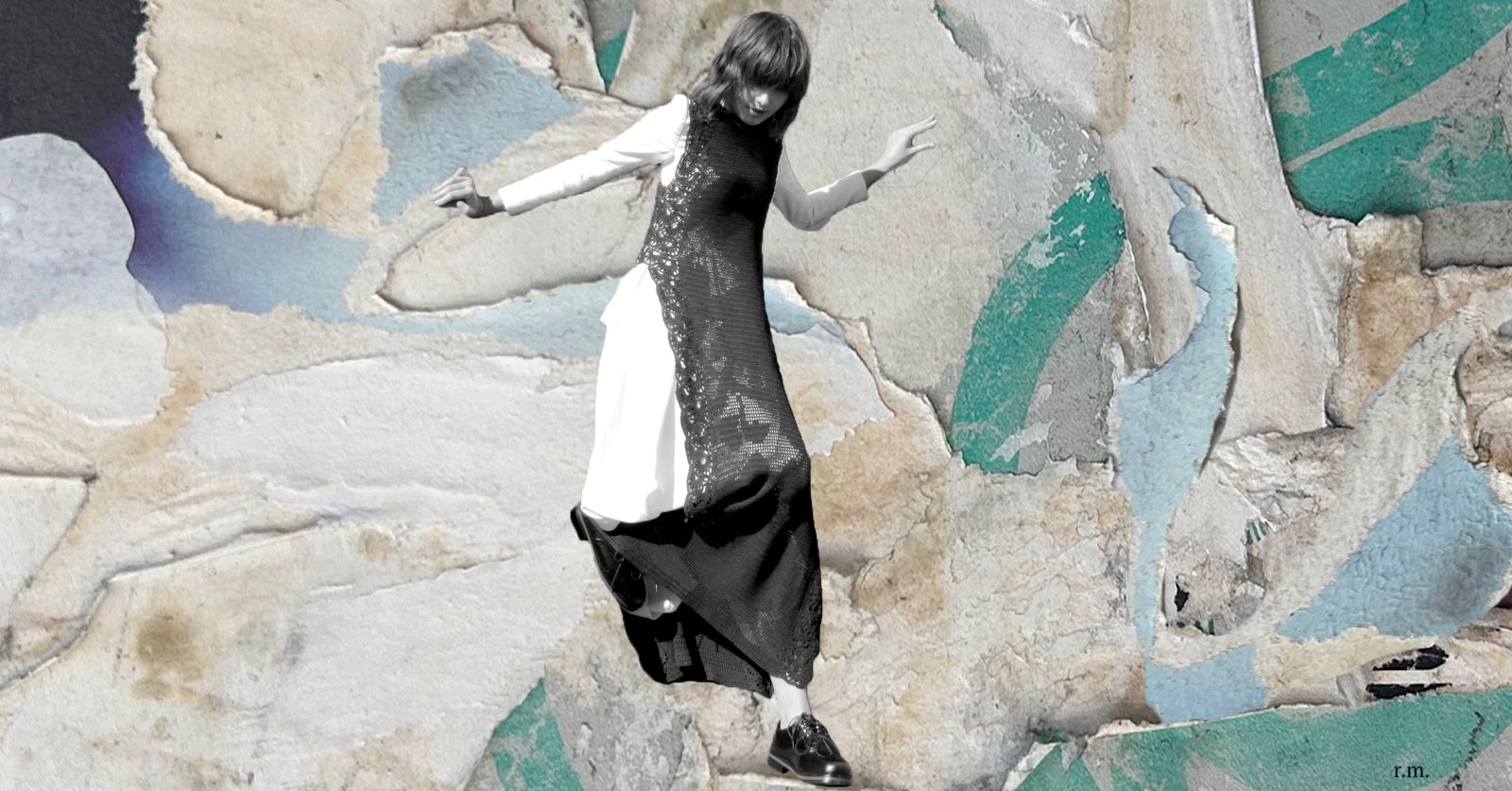
Armenia’s Fashion Scene Looks Forward, Without Forgetting the Past
EVN Report / Oct 27

EVN Media Fest: Cut the Distance, Read Carefully
EVN Report / Oct 26
Related coverage

Երեւի թե վեճ ունեք ԵԽԽՎ-ի հետ, սա նոր մշակույթ է. Վարդեւանյանը՝ Գաբրիելյանին
Pastinfo / 16 minutes ago
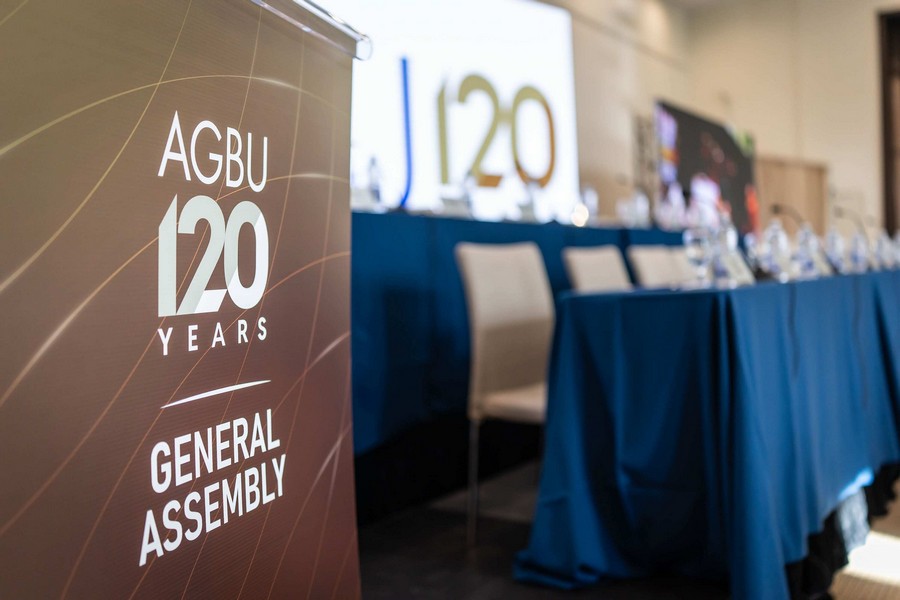
ՀԲԸՄ-ն տոնում է իր 120-ամյա ժառանգությունն ու միասնականությունը
Aravot / 18 minutes ago
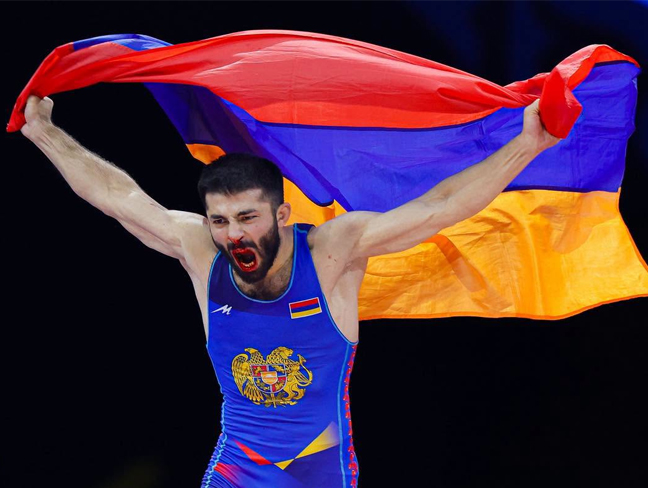
Կարեն Ասլանյան․ Այս մեդալը շատ մեծ արժեք ունի ինձ համար
PanArmenian / 37 minutes ago
COP17-ի շրջանակում «Մշակույթ և բնություն» համաժողովի մասնակիցներն այցելել են Գեղարդ, Գառնի և Սևան
24TV / 24News / 1 hour ago