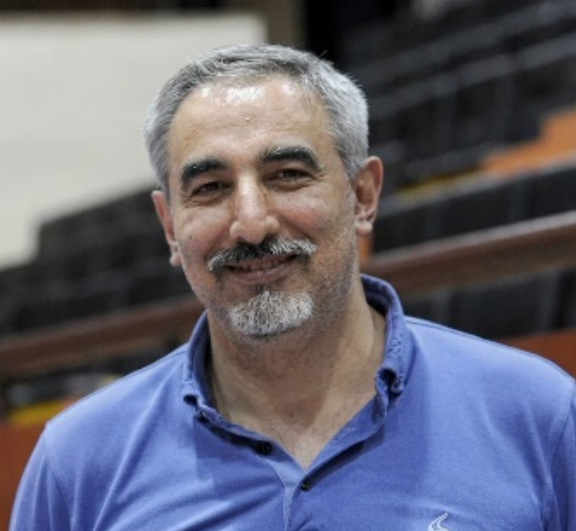
BY MANUEL MARSELIAN In recent years, Armenia’s national basketball team has given fans plenty of reasons to get excited. From Armenia to Los Angeles and communities throughout the Diaspora, the team’s performances have brought people together around a sport with considerable potential. Yet behind that growing enthusiasm, the domestic game is still building the foundation needed to sustain it. The challenge is turning excitement over the national team into lasting opportunities for young Armenian players to develop, compete and pursue their own international ambitions. That work is taking place in Armenia’s ProBasket A-League, where clubs are working to strengthen the domestic game and establish a more sustainable future for basketball. In a phone conversation, Ara Pogossian, founder and president of the Armenian Basketball A-League and a board member of the Armenian Basketball Federation, discussed the league’s evolution, the challenges facing Armenian clubs and the opportunities ahead. Pogossian previously served as managing director of Urartu, a role now held by his son, giving him firsthand experience in both club management and league administration. Ara Pogossian The A-League’s story is about more than standings and championships. It is also about the clubs, communities and supporters working to give Armenian basketball a stronger footing. A League Takes Shape The Armenian A-League launched in 2017 with seven clubs: Artsakh, Artik, Engineer, FIMA, Grand Sport, Shirak and Urartu. Artsakh won the inaugural championship, setting an early competitive standard for a league that would see several different clubs lift the trophy. Over the following seasons, Aragats, Vahakni City, Erebuni, Artik, BKMA and Urartu also emerged as champions. Erebuni won the 2024 to 25 championship, while Urartu defeated Hadis to claim the 2025 to 26 title. The changing list of champions reflects a competition in which multiple clubs have had opportunities to succeed, even as teams face the financial and organizational challenges of remaining active. For Pogossian, the league’s value extends beyond deciding a champion. It provides a domestic platform where Armenian players can gain experience and prepare for higher levels of competition, including the national team. Sustaining that opportunity, however, depends on the clubs themselves and their ability to build programs that last. Artsakh: A Team Rooted in Its Community Among the clubs that helped shape the A-League’s early years, Artsakh stood out for its connection to the basketball community in Stepanakert. The team had an academy and developed local players, giving young athletes opportunities to train, compete and pursue the sport at a higher level. Pogossian remembered Artsakh as a “very quality team” that remained competitive for approximately two years. Its contribution extended beyond league results, with some players going on to represent Armenia. The academy was central to that work. While the senior team competed for championships, its youth program gave local players a place to develop their skills and a potential path toward higher-level competition. Artsakh demonstrated how a club outside Yerevan could contribute to the wider basketball community by developing talent at home. Its progress, however, could not be sustained amid the wartime conditions affecting Artsakh. The club was ultimately unable to continue, ending a project that had established itself as a competitive presence and helped develop players for Armenian basketball. Artsakh’s story illustrates both the promise and vulnerability of community-based sports. A club can develop talent and build local enthusiasm, but preserving that progress requires the stability and resources to keep its programs operating over time. The Community Behind the Team Other A-League clubs show how local traditions and institutional partnerships can help sustain basketball. Artik has a longstanding basketball tradition, and donor support has helped maintain its gym, which seats approximately 300 spectators. The venue gives the team a place to compete and provides local supporters with a gathering point around the sport. BKMA offers a different model. Founded in 2020 through cooperation involving the Basketball Federation and the Ministry of Defense, the club gives young servicemen an opportunity to continue playing basketball during their military service. Rather than putting their development entirely on hold, players can remain involved in organized competition. These clubs have different foundations, but both contribute to the league by keeping teams active and giving players opportunities to compete. Their experiences also underline the importance of support beyond the court, whether it comes from local donors or institutional partnerships. Making Room for Armenian Players One of the A-League’s central challenges is balancing competitive standards with opportunities for Armenian talent. Rosters can include up to 12 players, with a maximum of six foreign players. Teams must also have at least two local-category players on the court. That category includes eligible ethnic Armenians who do not hold Armenian passports, as well as certain non-Armenian permanent residents. The rules allow clubs to draw from a wider talent pool while preserving opportunities for players connected to Armenia. Foreign players can bring experience and different approaches to the game, but Armenian players also need meaningful playing time if the league is to serve as a development platform. A trial requirement that would have placed three local-category players on the court was discontinued because of concerns about the quality of play. Pogossian believes the idea could be revisited in two or three years as youth development improves. Although U12, U14, U16 and U18 competitions fall under the Armenian Basketball Federation rather than the A-League, they are essential to the league’s long-term growth. These youth programs help develop the next generation of Armenian players and create a potential pathway to senior competition. Stronger cooperation between the federation and A-League clubs, along with continued investment in coaching and player development, can help ensure that young talent has opportunities to progress to the highest levels of the game. Some Armenian players have also pursued opportunities abroad. Yura Melikyan played in Kazakhstan, Latvia and Switzerland before joining Bulgarian club Balkan. Other players associated with Armenian basketball’s development include Tigran Mkrtumyan, David Khachatryan, Daniel Gevorgyan and Arkadi Mkrtychyan. Their experiences illustrate the possibilities available to players who continue developing beyond one club or competition. The A-League can provide a place to gain experience before moving abroad, while also offering a competitive environment for those who want to continue playing in Armenia. When American Teams Join the A-League The arrival of American teams is adding an international dimension to Armenia’s A-League. US Titans and Phoenix Perception joined the competition in the 2025 to 26 season, bringing teams from the United States into Armenia’s domestic basketball environment. Their participation creates opportunities for American players to compete in a different setting, gain international experience and potentially pursue further opportunities in Europe or elsewhere. For players seeking to advance in a highly competitive American basketball system, playing in Armenia can provide valuable game experience, although the benefits depend on playing time, development and performance. The arrangement can also benefit the A-League by introducing players with different basketball backgrounds and playing styles, adding another dimension to the competition. At the same time, international participation needs to complement the development of Armenian players and preserve opportunities for local talent. The longer-term potential extends beyond the court. The involvement of American teams could help establish connections between Armenian basketball and basketball organizations in the United States, creating opportunities for future collaboration, player development and exchange. Keeping the Clubs on the Court For Armenian basketball clubs, financial stability affects more than day-to-day operations. It can determine whether a team can compete beyond Armenia’s domestic league. The financial burden of participating in European club competitions remains a major obstacle, limiting opportunities for Armenian teams to test themselves against international opponents. According to Pogossian, clubs do not receive direct state funding. Some benefit from municipal assistance, while others rely on private sponsors and individual supporters. Without dependable financial backing, the additional expenses associated with European competition can be difficult to absorb. Diaspora support has already played a role in Armenian basketball. The Armenian Basketball Friends Foundation, established in the United States by Rex Kalamian, supports the sport and demonstrates how connections abroad can contribute to its development. Sponsorship opportunities, however, can change. An earlier partnership with a betting company ended after advertising restrictions created obstacles for that source of support, illustrating how changes in the sponsorship landscape can affect clubs with limited budgets. Player salaries reflect the league’s financial realities. According to figures discussed by Pogossian, average monthly salaries are approximately $400 to $500. In earlier years, the highest-paid players could earn between $2,500 and $3,000 per month, generally involving high-profile foreign players from the United States or Russia. Those salaries are now rare, as clubs place greater emphasis on balanced spending rather than committing large sums to individual players. The cost of maintaining a team extends well beyond player salaries. Urartu’s estimated total expenses for the 2025 to 26 season were approximately $55,000 to $60,000. This figure covers overall club operations, not just the player payroll, and illustrates the financial commitment required to sustain a team throughout a season. For Armenian clubs, the challenge is not simply to remain active in the domestic league, but to build the financial capacity to pursue broader competitive opportunities. Greater support from sponsors, municipalities and diaspora organizations could help cover operating costs, strengthen rosters and make European competition more attainable. Reliable, long-term partnerships would give clubs greater stability while creating opportunities for Armenian basketball to gain international experience and visibility. The Need for a Home Facilities are another important part of the league’s development. Access to suitable courts affects practice schedules, game organization and the ability to run youth programs. The closure of Olympavan has added uncertainty, with its reopening unclear. Shengavit offers limited seating, while the Sports Management Center and the Mika complex have been used for basketball activities and competition. When facilities are limited, clubs must find ways to share court time and accommodate both senior teams and younger players. This can make scheduling difficult and restrict opportunities for consistent training. There are potential opportunities outside Yerevan. Improvements to facilities in Artik and Gyumri, including the complex named after wrestler Artur Aleksanyan, as well as developments in Vanadzor, could help broaden access to the sport. Renovations have also been reported at the FIMA hall, although the current status of those improvements needs to be confirmed. Pogossian has described efforts to develop a dedicated basketball complex with two or three courts. Much of the required funding has reportedly been secured, while discussions with the government have focused on identifying suitable land and a location. Such a facility could accommodate practices, youth competitions, camps and league games, giving clubs a more consistent environment in which to train and compete. As the A-League looks to expand, reliable access to courts will be important for both existing teams and any new clubs hoping to join. The 2026 to 27 Season: A Broader Regional Competition The A-League is preparing for an expanded competition in the 2026–27 season, scheduled to run from October 31, 2026, through late March 2027. The proposed lineup features 10 teams from Armenia, the United States and neighboring countries, giving the domestic league a broader international character. The six Armenian clubs are BC Urartu, BC Hatis, Yangs BC, HAT BC, BKMA and BC Artik CrossNation. They are expected to be joined by BC Phoenix from the United States, BC Barsi from Kazakhstan, BC Tbilisi BTB from Georgia and BC Nomad from Kyrgyzstan. The participation of foreign clubs is significant beyond the expansion of the schedule. Their decision to compete in Armenia reflects confidence in the A-League as a platform for organized domestic basketball. It also creates a multinational competitive environment in which Armenian teams can face opponents with different playing styles, basketball backgrounds and approaches to the game. The planned format begins with an initial round, followed by a split into two groups of five and another group stage before the playoffs. An All-Star event and a Super Cup are also planned, with approximately 82 games expected over the season. For Armenian players, the expanded lineup could provide more consistent opportunities to test themselves against a wider range of opponents without leaving the domestic competition. The league could also strengthen regional connections, build relationships with clubs abroad and raise Armenia’s profile as a destination for competitive basketball. The format brings additional demands, including travel, scheduling, finances and player availability. Its success will depend on the participating clubs’ ability to complete the season and maintain a suitable level of competition. If those challenges are managed effectively, the expanded A-League could strengthen the domestic game while demonstrating that Armenian basketball can attract teams from across the region and beyond. A Longer-Term Vision Pogossian’s ambitions extend beyond the current lineup. He would like to see basketball organizations established or strengthened in Yerevan, Charentsavan, Gyumri, Vanadzor, Kapan and Kajaran. His vision centers on clubs with strong local backing and youth academies that feed into senior teams. Young athletes would have a clearer route from early training to organized competition, with the most promising players able to pursue opportunities with the national team or continue their careers abroad. Achieving that goal will require sustained investment in coaching, facilities and club administration. It will also depend on local supporters and organizations viewing basketball as a long-term community project rather than an effort that relies on a few dedicated individuals. The diaspora can contribute funding, equipment, expertise and connections with basketball programs overseas. The most effective support will be that which helps Armenian clubs become more stable and gives them the resources to develop players over time. The excitement surrounding Armenia’s national team has created an opportunity for basketball to reach more people. Turning that enthusiasm into lasting progress will depend on the strength of the domestic game: clubs that can endure, players who can develop and communities that remain invested in their teams. Ultimately, Armenian basketball’s future will be shaped not only by what the national team achieves abroad, but by what clubs build across the country, season after season, one club at a time. The post Building Armenian Basketball: One Club at a Time appeared first on Asbarez.com .
Free: opens Google Translate with the text filled in. Long articles are split into numbered sections.
Premium: read the translation right here, without leaving HyeNews. Try free for 7 days.
Already in English.
Building Armenian Basketball: One Club at a Time
In recent years, Armenia’s national basketball team has given fans plenty of reasons to get excited. From Armenia to Los Angeles and communities throughout the diaspora, the team’s performances have brought people together around a sport with considerable potential.
Comments
No comments yet — be the first to comment.
More from Asbarez
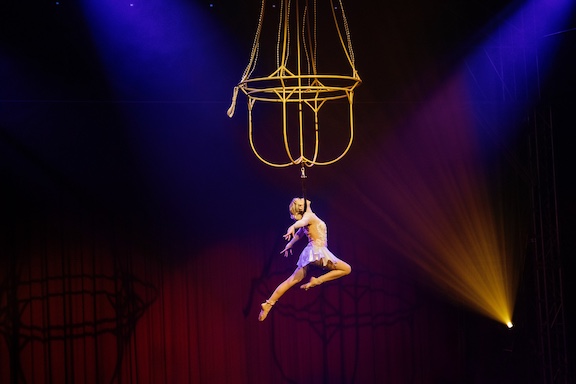
Circus Vargas Returns with Electrifying New 2026 Production, ‘Masquerade’
Asbarez / 3 hours ago

L.A. City to Host Armenian American Cultural Heritage Preservation Workshop
Asbarez / 6 hours ago

ANCA Post-Election Townhall to Map Out Armenian American Agenda for the New Congress
Asbarez / 7 hours ago
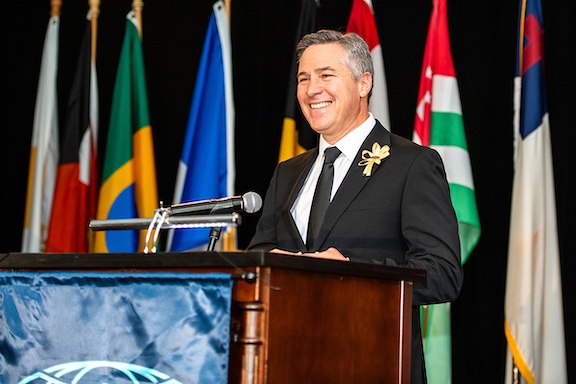
AMAA Celebrates 107th Annual Meeting Banquet, Honors Rev. Dr. Vahan H. Tootikian and Dr. Nurhan Helvacian
Asbarez / 7 hours ago
Related coverage

Arman Tsarukyan Gets His Own Action Figure + Kobe, Gretzky & Ovechkin PSA 10 Cards
Armenian Sports News / 21 hours ago

Khamzat Chimaev Reacts to His Own Custom Action Figure
Armenian Sports News / 21 hours ago

The FULL brawl between Arman Tsarukyan & Dillon Danis at RAF 14 Press Conference!
Armenian Sports News / Oct 22

Arman Tsarukyan UNSCATHED after brawl with Dillon Danis
Armenian Sports News / Oct 22